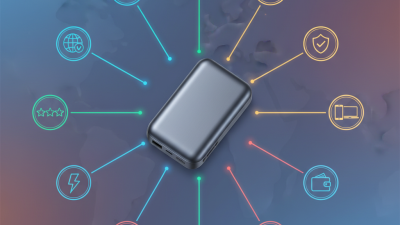
What is a Portable Cell Phone Charger and How to Choose One?
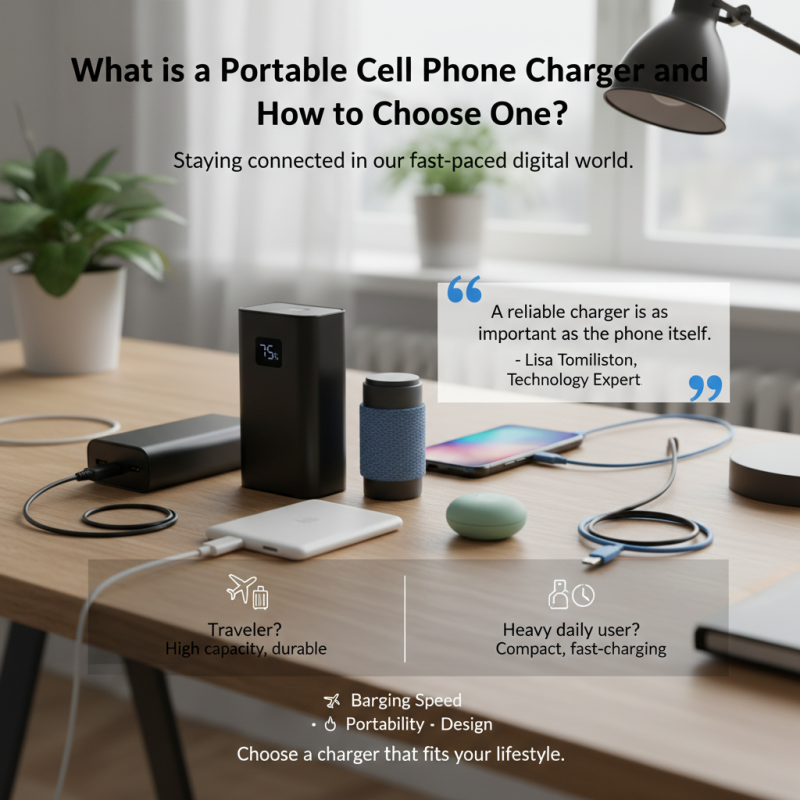
In our fast-paced digital world, staying connected is essential. A Portable Cell Phone Charger has become a must-have gadget for many. As technology expert Lisa Tomlinson once stated, "A reliable charger is as important as the phone itself." Her insights emphasize the vital role these devices play in our daily lives.
Choosing the right Portable Cell Phone Charger can be overwhelming. There are countless options available, varying in capacity and size. It's crucial to consider your needs. Do you travel frequently? Or do you use your phone heavily throughout the day? Knowing your requirements helps narrow down the choices.
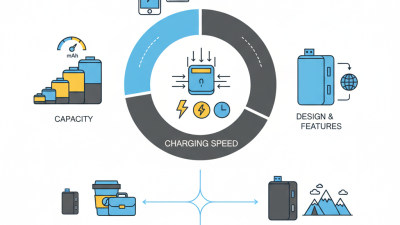
Not all chargers are created equal. Battery life, charging speed, and portability are critical factors. Moreover, design matters too. A bulky charger can be a hassle. Reflect on your usual habits. Make sure the charger you choose fits seamlessly into your lifestyle, offering both efficiency and convenience.
What is a Portable Cell Phone Charger?
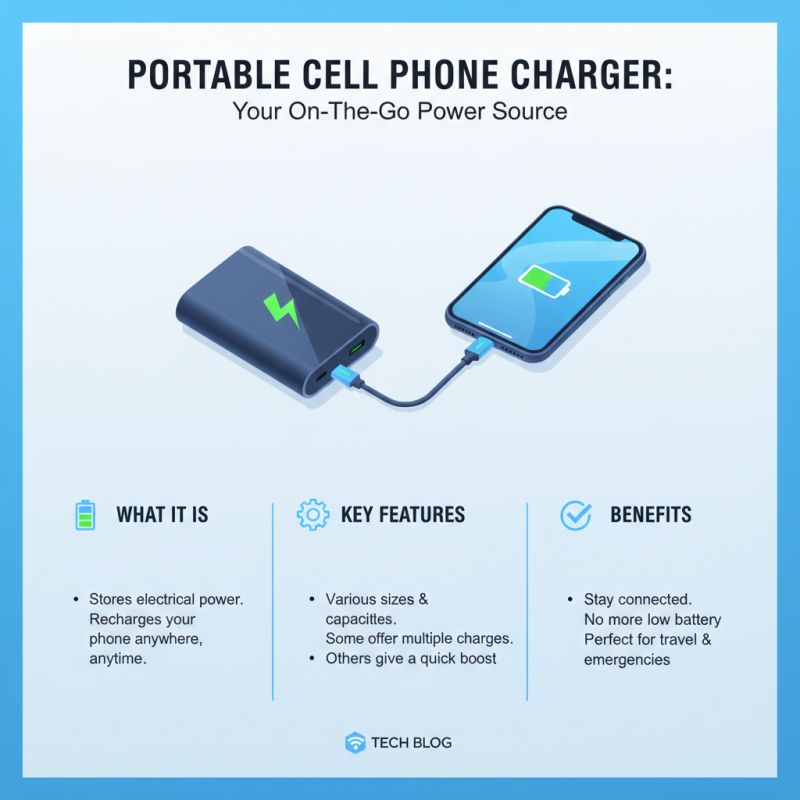
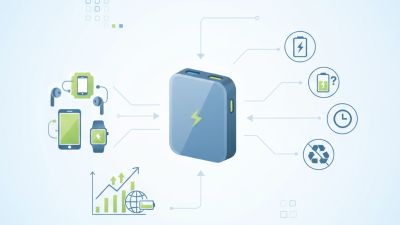
A portable cell phone charger is a handy device that stores electrical power. You can use it to recharge your phone on the go. It comes in various sizes and capacities. Some can charge your phone multiple times, while others offer just a quick boost.
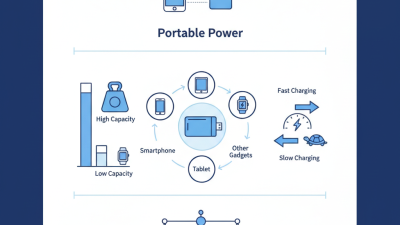
When choosing one, consider its capacity measured in milliampere-hours (mAh). A higher number means more energy storage. Charging speed is also important; look for options that support fast charging technologies. Weight and size matter too. A lightweight, compact charger is easy to carry.
Tips: Check the number of output ports. If you have multiple devices, a charger with several ports is beneficial. Always read customer reviews to gauge reliability. Don’t forget to look for safety features. Overheating and overcharging can damage your phone.
Key Features of Portable Cell Phone Chargers
When choosing a portable cell phone charger, several key features merit your attention. Battery capacity is crucial. Chargers typically range from 5,000 mAh to 30,000 mAh. A higher capacity means more charge cycles for your phone. According to industry reports, a 20,000 mAh charger can fully recharge a smartphone multiple times. However, larger capacities often mean added weight and size, which may or may not suit your needs.
Charging speed is another significant feature. Look for chargers with fast charging capabilities. Many newer models support Quick Charge or Power Delivery, increasing efficiency. Data indicates that fast chargers can reduce charging time by over 50%. However, not all devices support these technologies, making compatibility important. Additionally, consider the number of output ports. Multi-port chargers allow charging multiple devices simultaneously. This feature can be handy, but sometimes it may lead to slower charging speeds.
Finally, build quality cannot be overlooked. A durable charger can withstand daily wear and tear. While cheaper models may save money upfront, they often compromise longevity. Reports from consumer tests show that durability affects lifespan. On average, a robust charger lasts twice as long as its cheaper counterparts. Choosing a portable cell phone charger involves weighing capacity, speed, and durability against your specific needs.
Types of Portable Cell Phone Chargers Available
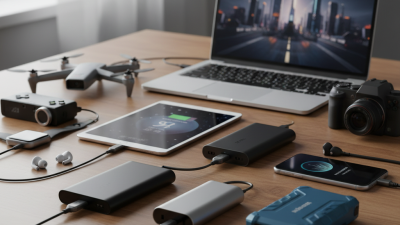
Portable cell phone chargers are essential for staying connected on the go. When it comes to choosing one, understanding the types available is crucial. There are primarily three types of portable chargers: power banks, solar chargers, and car chargers. Each serves distinct needs.
Power banks are the most common option. They come in various capacities, ranging from 2,000mAh to over 26,000mAh. A recent market report indicated that the demand for power banks is expected to grow by 25% annually. This reflects the increasing reliance on mobile devices. They offer multiple USB ports for charging several devices simultaneously, making them convenient for families or groups.
Solar chargers, though less prevalent, are gaining traction. They are particularly useful for outdoor enthusiasts. A study showed that 37% of users prefer solar chargers when camping or hiking. However, their efficiency can be variable; cloudy days can hinder charging speed. Car chargers are another alternative, providing a quick solution while traveling. Despite their speed, users should be cautious about their device’s compatibility. Many overlook these details, resulting in frustration during use. Each type has its advantages and drawbacks, making the selection process more complex.
What is a Portable Cell Phone Charger and How to Choose One? - Types of Portable Cell Phone Chargers Available
| Type |
Capacity (mAh) |
Charge Time (hours) |
Number of Outputs |
Weight (grams) |
| Lithium-ion |
10000 |
3-4 |
2 |
200 |
| Solar |
15000 |
8-10 |
1 |
350 |
| Portable Power Bank |
20000 |
5-6 |
3 |
400 |
| Wireless Charger |
10000 |
4-5 |
1 |
250 |
Factors to Consider When Choosing a Charger
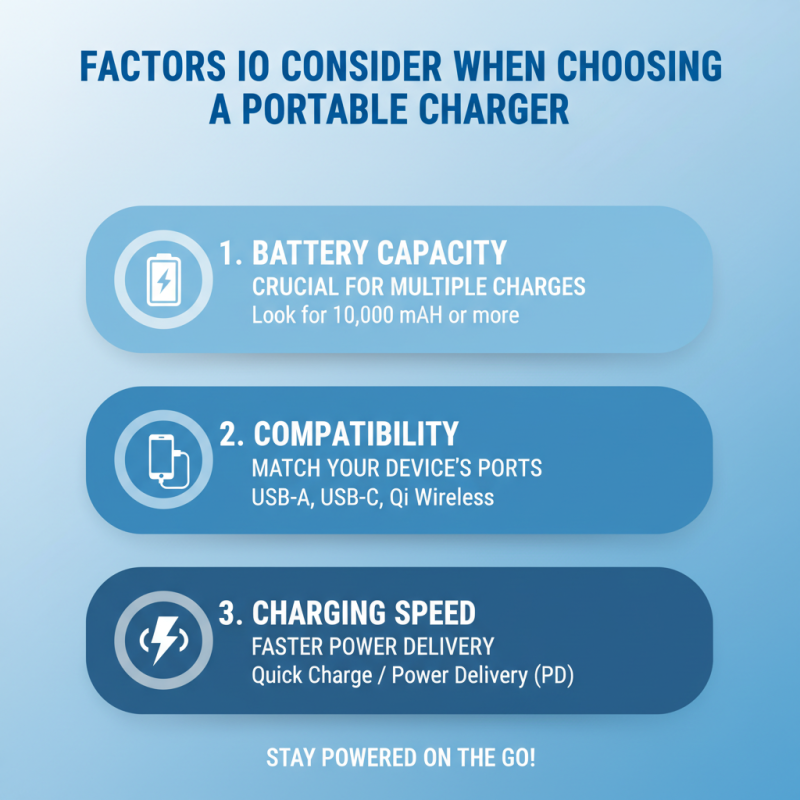
When choosing a portable cell phone charger, consider several key factors. Battery capacity is crucial. A higher capacity means more charges. Look for chargers with at least 10,000 mAh for reliable power. This ensures your device stays charged during long outings.
Next, pay attention to charging speed. Some chargers support fast charging technologies, which can save you valuable time. A charger with multiple ports offers flexibility. You can charge more than one device simultaneously. This feature proves useful for group trips or family outings.
Weight and size also matter. A lightweight charger is easier to carry. Compact models fit into pockets or small bags. However, larger chargers typically offer higher capacities. Balance convenience and power based on your needs. Lastly, prioritize safety features. Over-voltage and short-circuit protections are important. These can prevent damage to your devices. Reflect on your habits when choosing the best charger for yourself.
Tips for Maintaining Your Portable Charger
When using a portable cell phone charger, proper maintenance extends its lifespan. Regularly check the charger for any physical damage. Look for frayed cables or cracks in the casing. Such issues can lead to inefficiency and safety hazards. Clean the charging ports gently using a soft, dry cloth. Dust and debris can hinder performance over time. Keep the charger in a cool, dry place to avoid temperature-related damage.
Battery health is essential for performance. Avoid leaving the charger unused for long periods. Recharge it periodically to keep the battery in optimal condition. Setting a reminder can help maintain this schedule. Also, avoid overcharging your devices. Overcharging can reduce the battery’s efficiency.
Choosing the right charger also matters. Look for models with built-in safeguards to prevent overheating. Checking reviews can provide insights about reliability. Relying on user feedback is invaluable. Remember that a portable charger is an investment in your daily convenience. Make an informed choice based on your specific needs.
Portable Cell Phone Charger Capacity Comparison

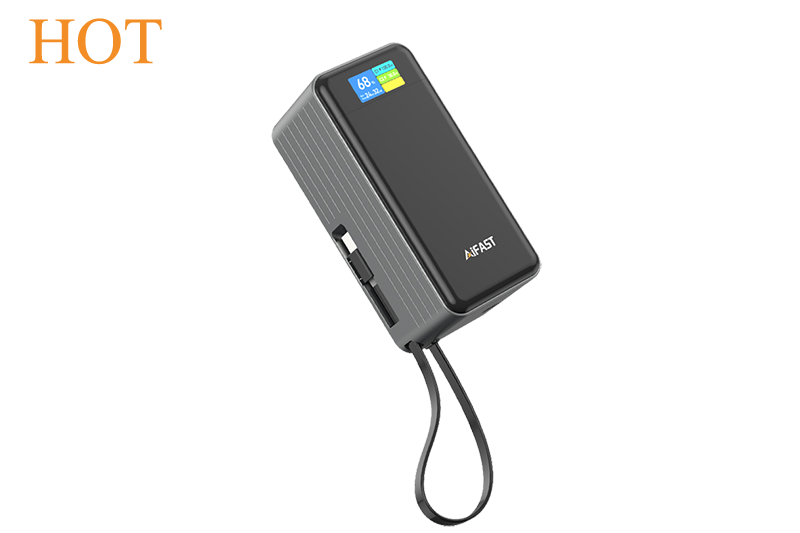 ESC-X019 65W Fast charge power bank
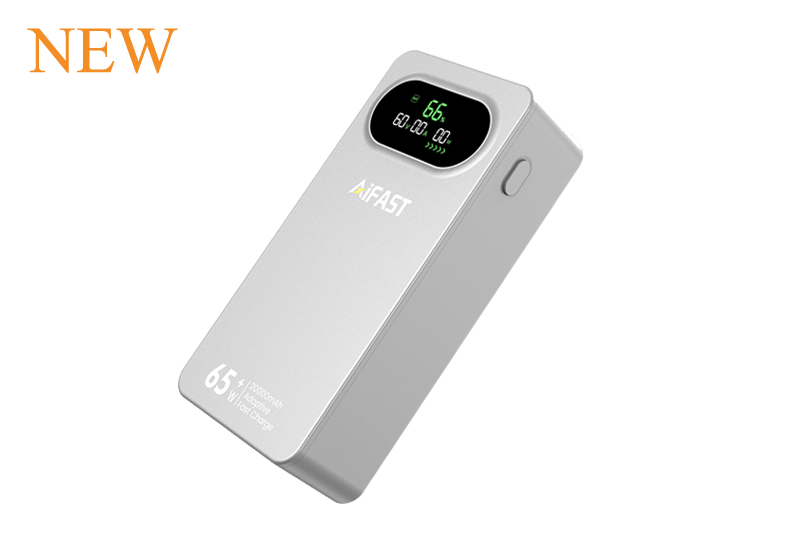 ESC-X018 65W Ultra-Fast 10000mAh Power Bank with TFT Display & Retractable Cable
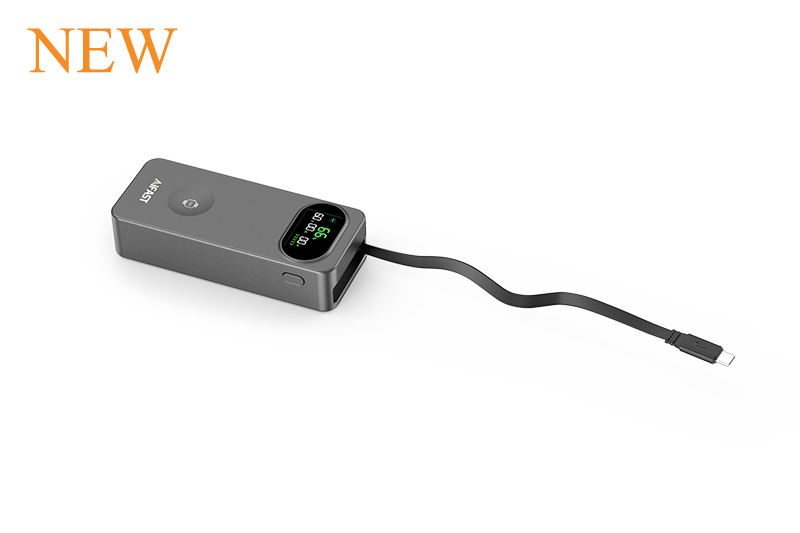 ESC-X017 65W Ultra-Fast 20000mAh Power Bank with TFT Display & Retractable Cable
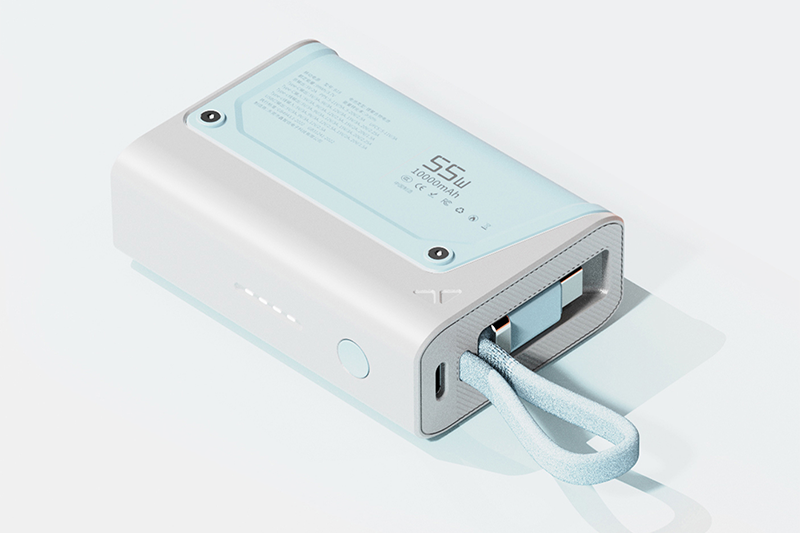 ESC-X020 10000mAh 55W Fast Charge Power Bank with cable built-in
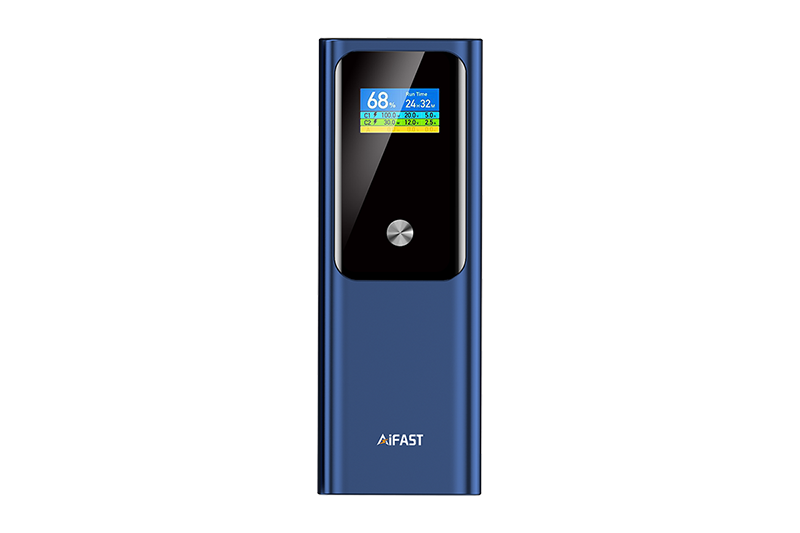 ESC-X016 120W 20000mAh Power Bank with Multi-Protocol TFT Display
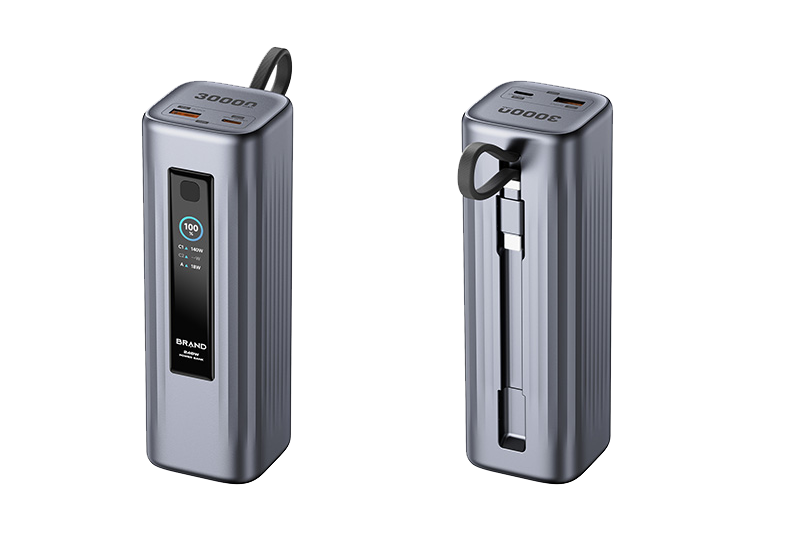 ECS-X022 145W 30,000mAh Power Bank with TFT Display & Retractable Cable
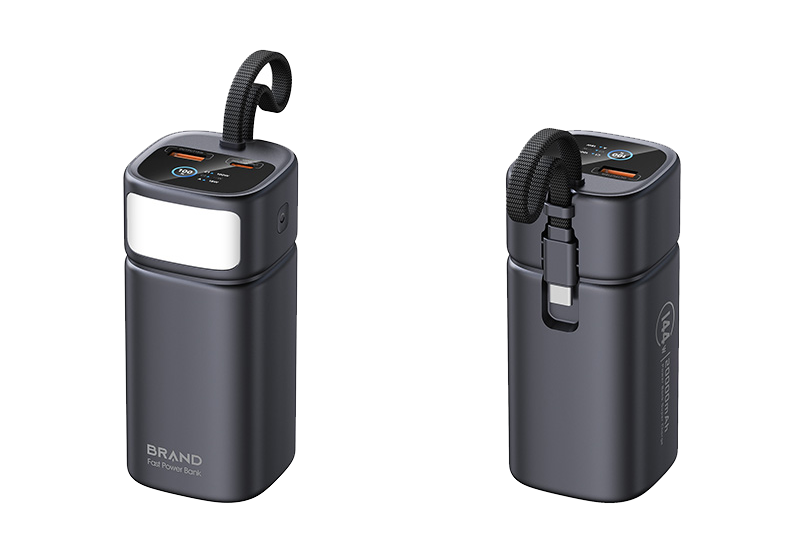 ECS-X021 100W 20,000mAh Power Bank with TFT Display & Retractable Cable
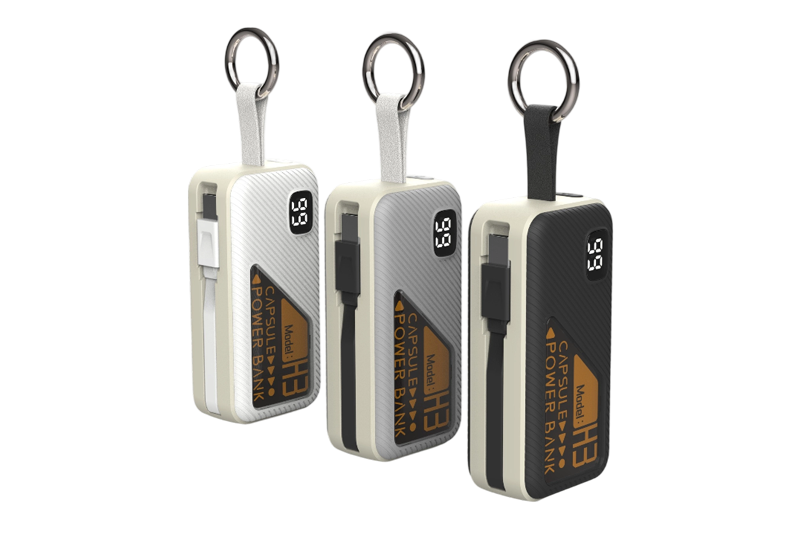 ESC-X023 20W Fast Charging Capsule Power Bank
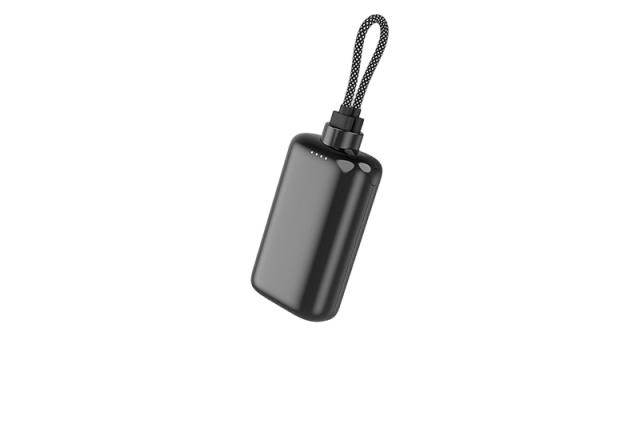 ESC-X024 22.5W 10,000mAh Fast Charging Power Bank
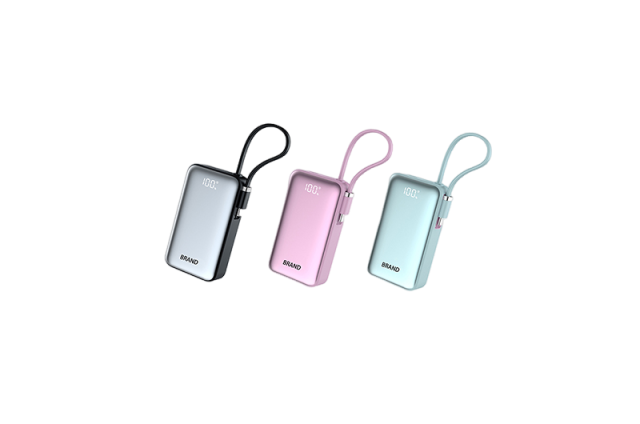 ESC-X025 22.5W Built-in Cable Portable Power Bank
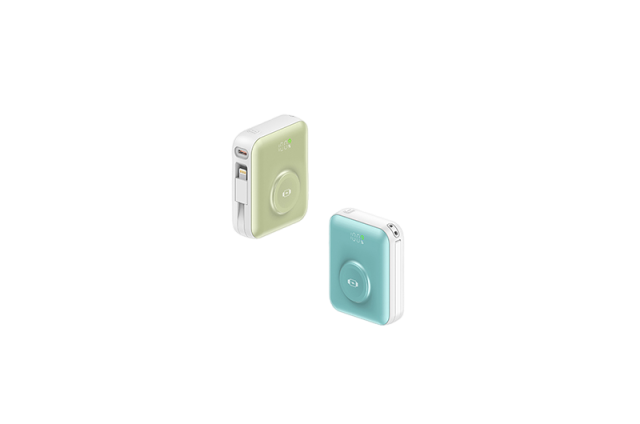 ESC-X026 22.5W 10000mAh Wireless Mini Size Power Bank
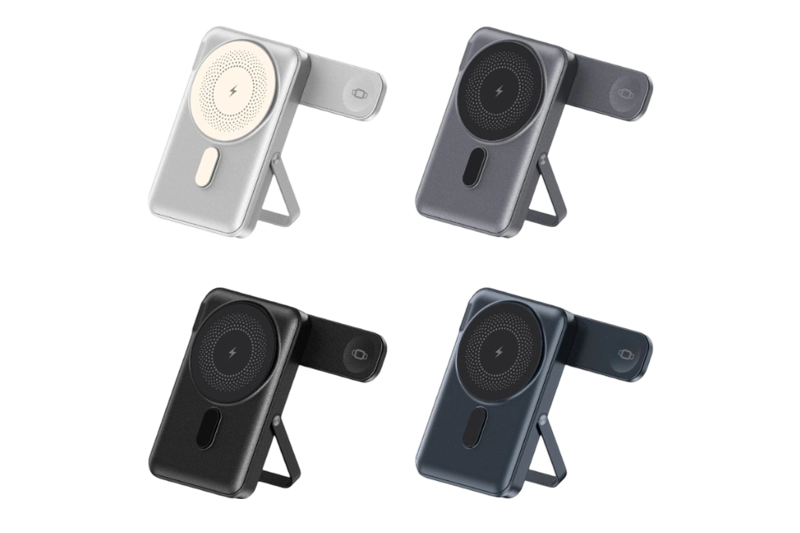 ESC-W018 3-in-1 MagSafe-Style Wireless Charging Stand
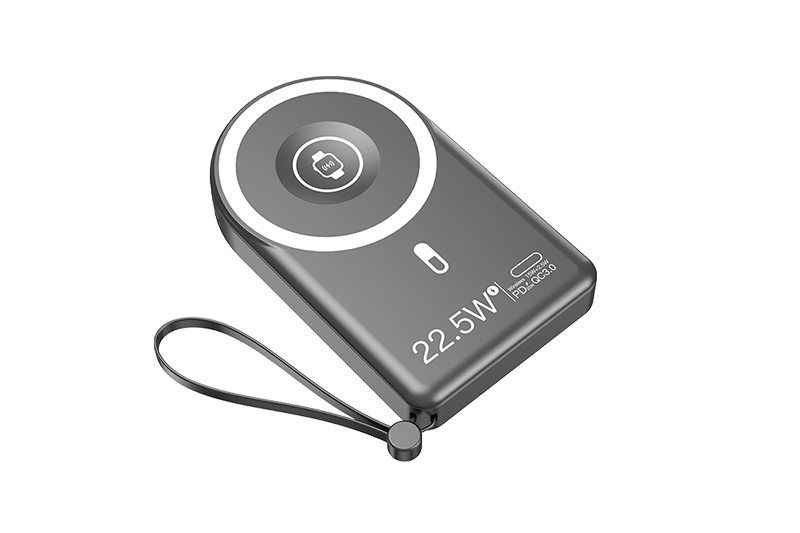 ESC-W017 5000mAh Wireless Ultimate All-in-One Power Solution for Samsung & iPhone Users
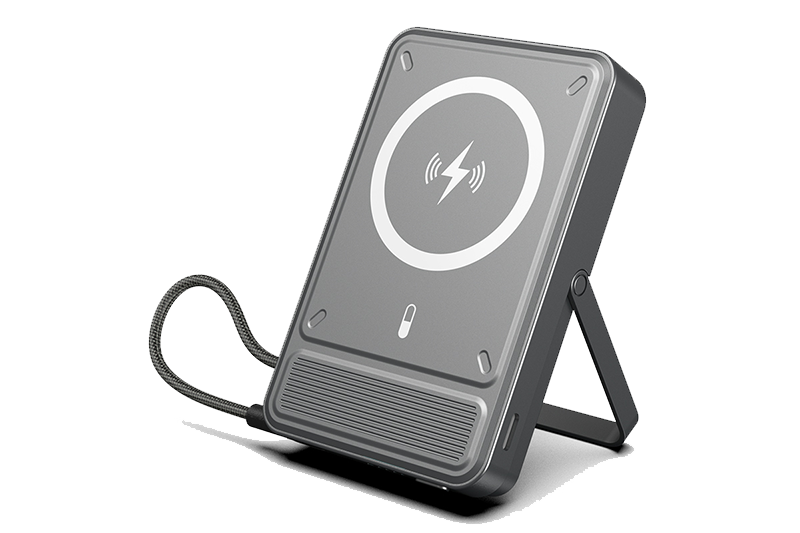 ECS-W016 45W Wireless Power Bank
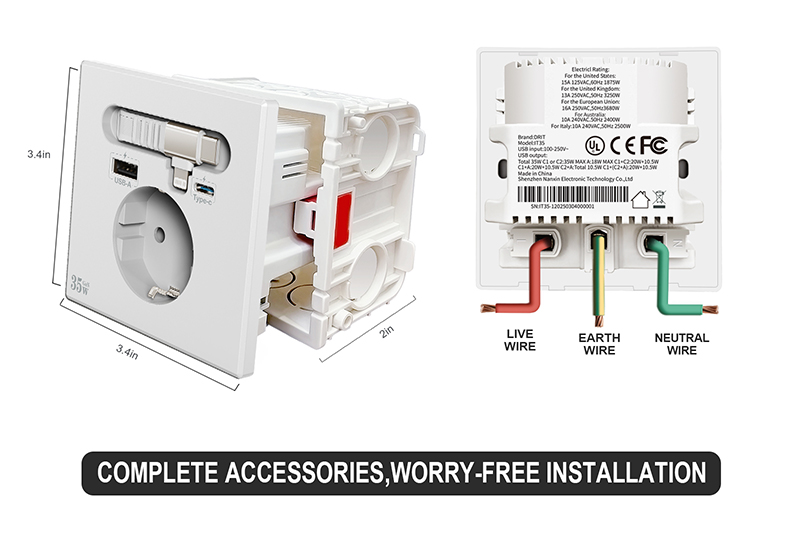 ESC-C019 Ultimate Universal 35W GaN Wall Socket
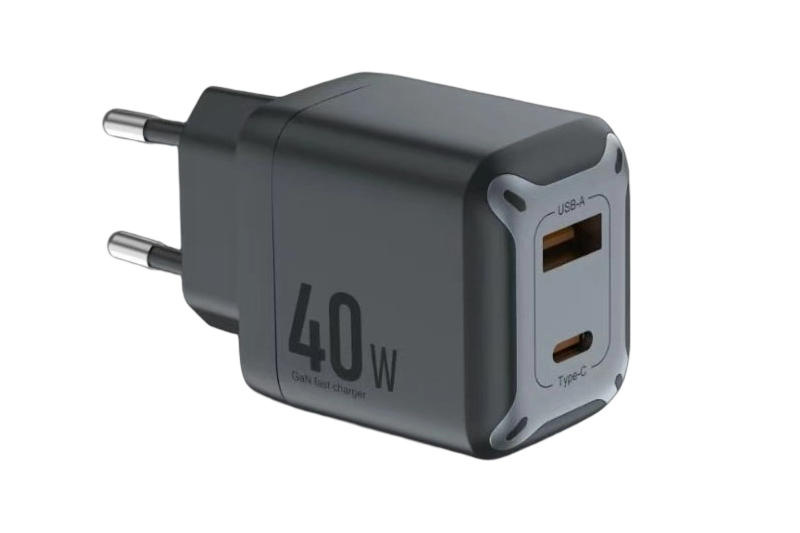 ESC-C018 Small Size 40W GaN Travel Charger
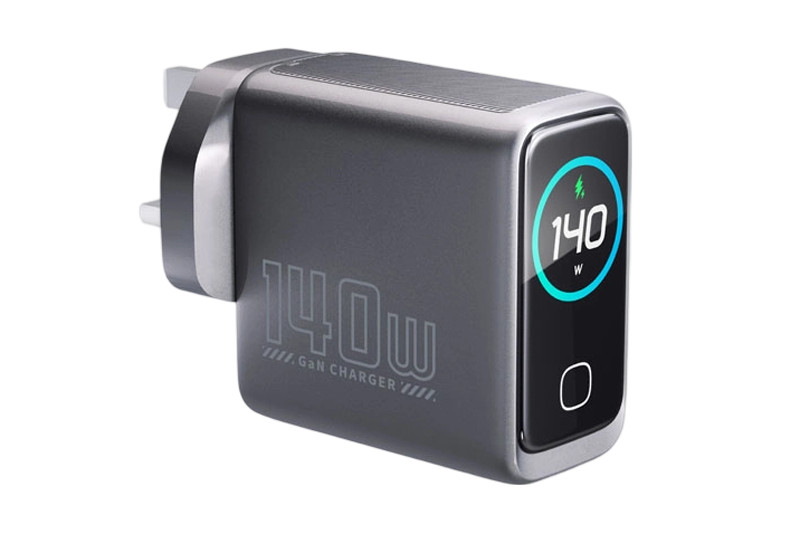 ESC-C017 140W HIGH Speed TFT Screen GaN Charger
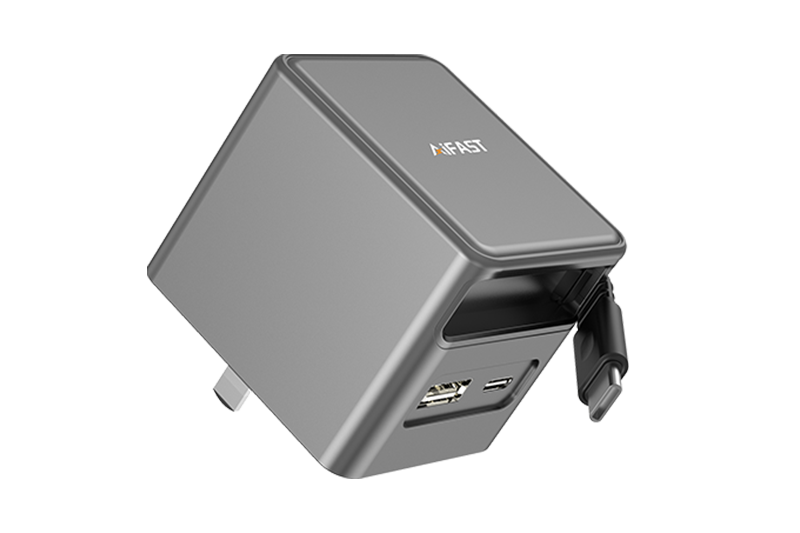 ESC-C016 65CM 65W HIGH Speed Retractable Cable GaN Charger


 Whatsapp
 Wechat