
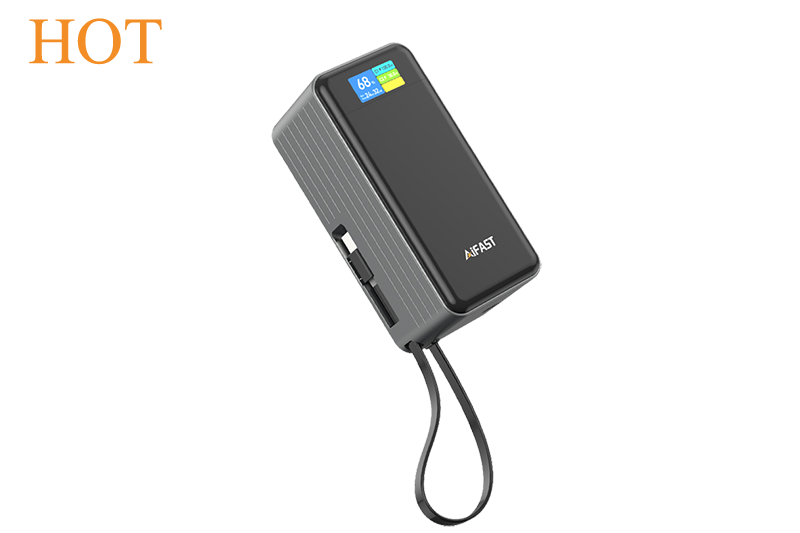
 ESC-X019 65W Fast charge power bank
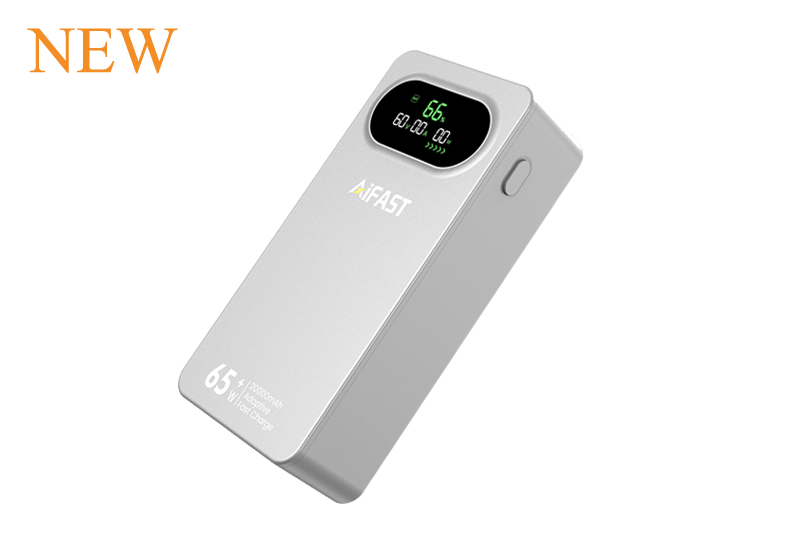 ESC-X018 65W Ultra-Fast 10000mAh Power Bank with TFT Display & Retractable Cable
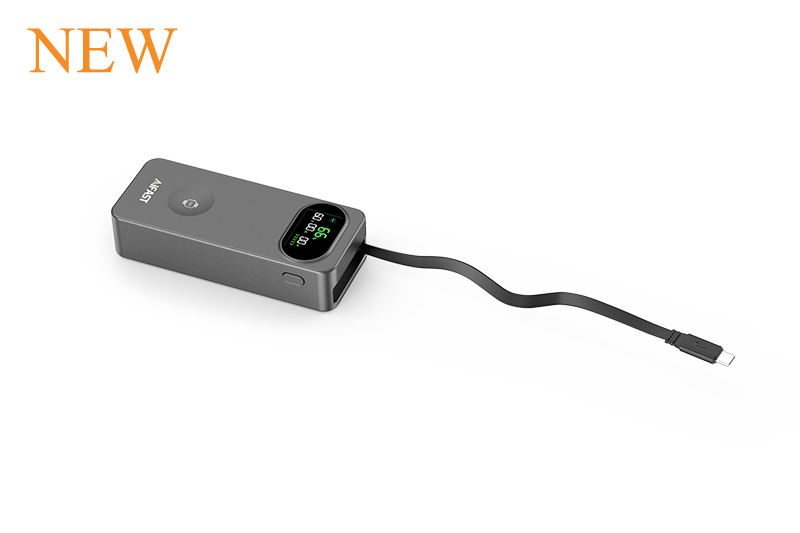 ESC-X017 65W Ultra-Fast 20000mAh Power Bank with TFT Display & Retractable Cable
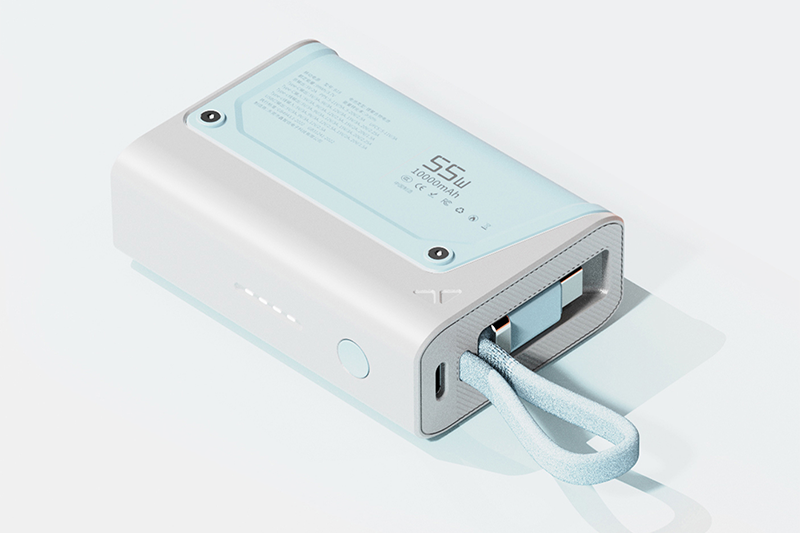 ESC-X020 10000mAh 55W Fast Charge Power Bank with cable built-in
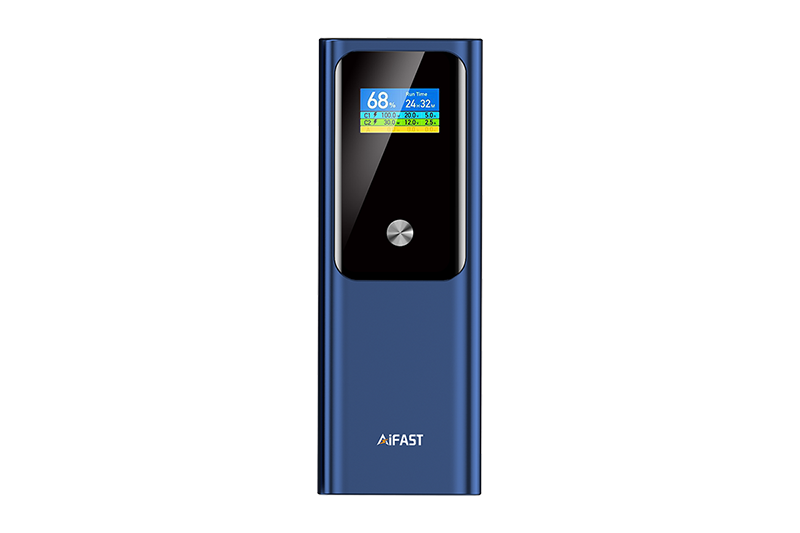 ESC-X016 120W 20000mAh Power Bank with Multi-Protocol TFT Display
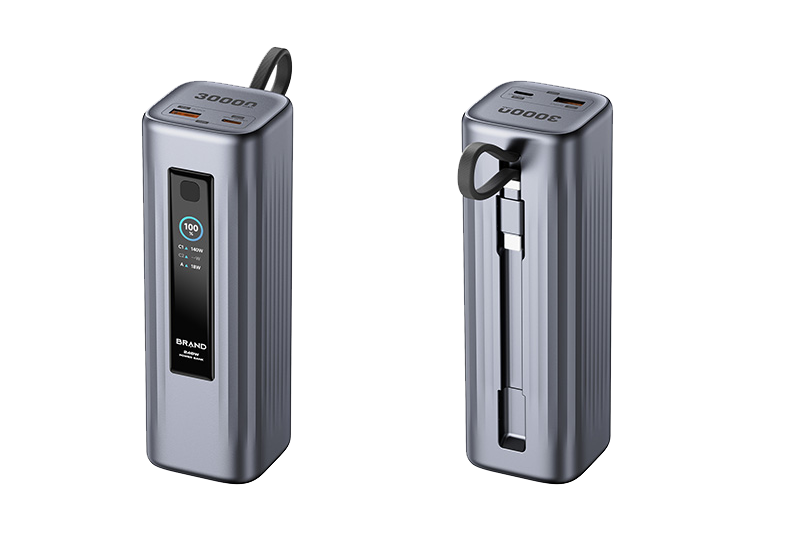 ECS-X022 145W 30,000mAh Power Bank with TFT Display & Retractable Cable
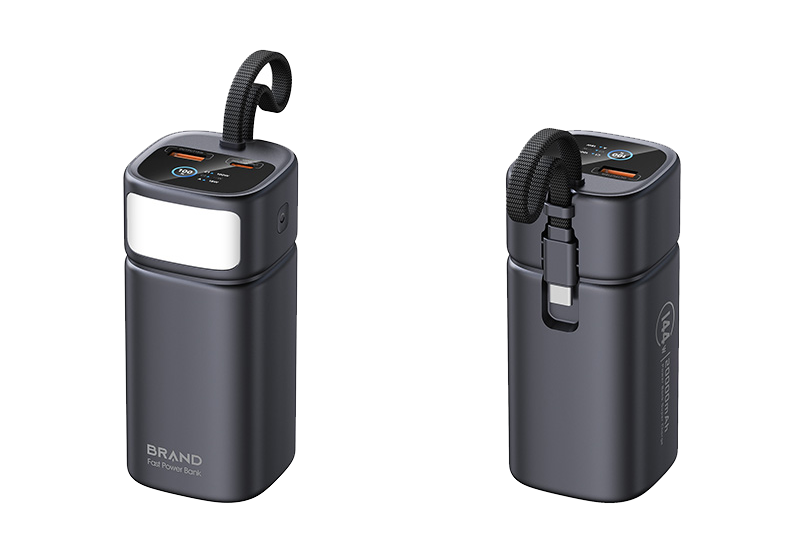 ECS-X021 100W 20,000mAh Power Bank with TFT Display & Retractable Cable
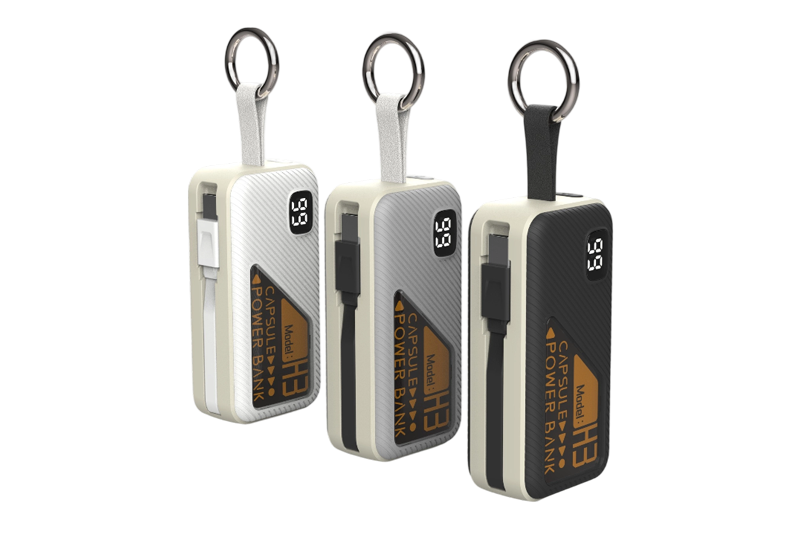 ESC-X023 20W Fast Charging Capsule Power Bank
 ESC-X024 22.5W 10,000mAh Fast Charging Power Bank
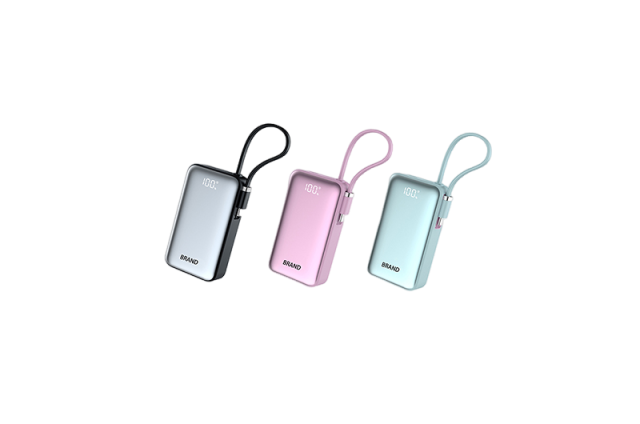 ESC-X025 22.5W Built-in Cable Portable Power Bank
 ESC-X026 22.5W 10000mAh Wireless Mini Size Power Bank
 ESC-W018 3-in-1 MagSafe-Style Wireless Charging Stand
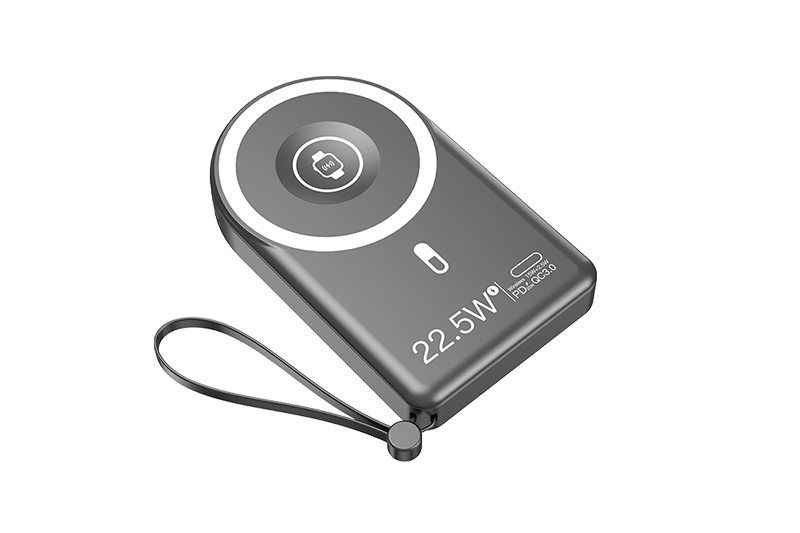 ESC-W017 5000mAh Wireless Ultimate All-in-One Power Solution for Samsung & iPhone Users
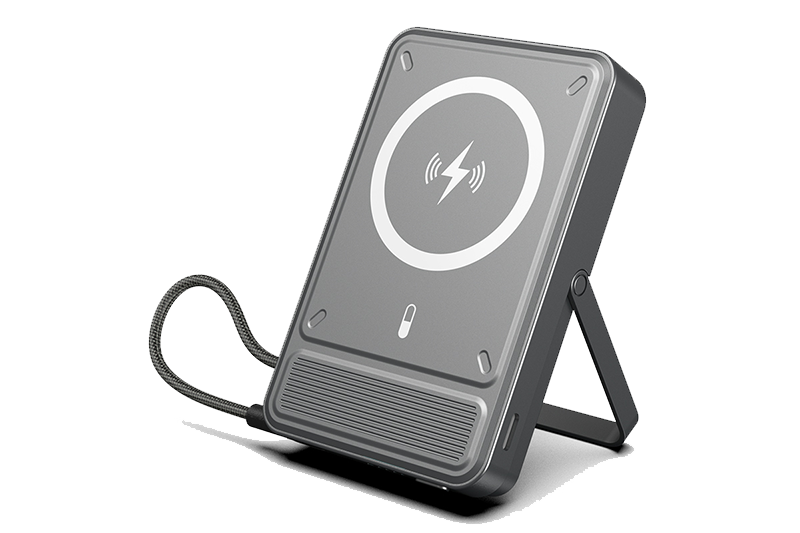 ECS-W016 45W Wireless Power Bank
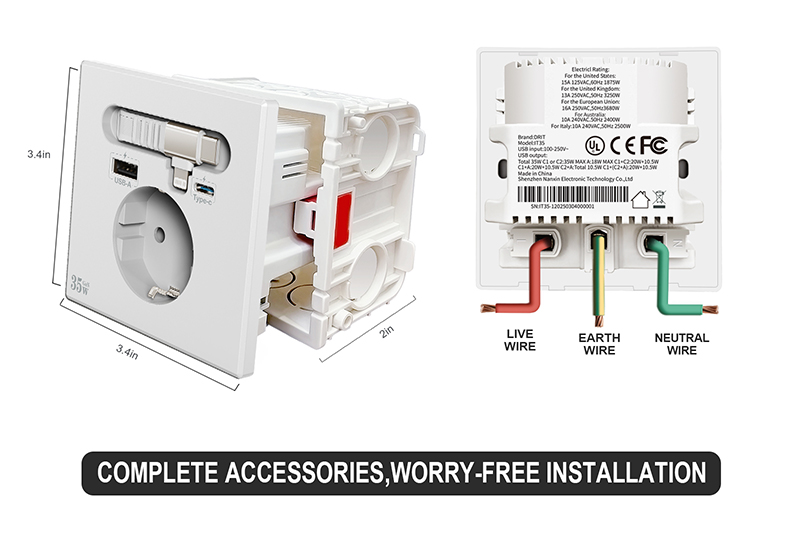 ESC-C019 Ultimate Universal 35W GaN Wall Socket
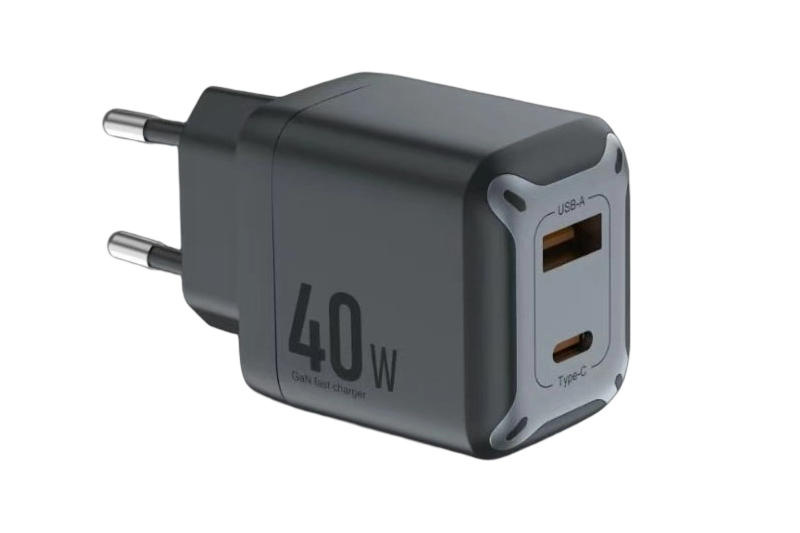 ESC-C018 Small Size 40W GaN Travel Charger
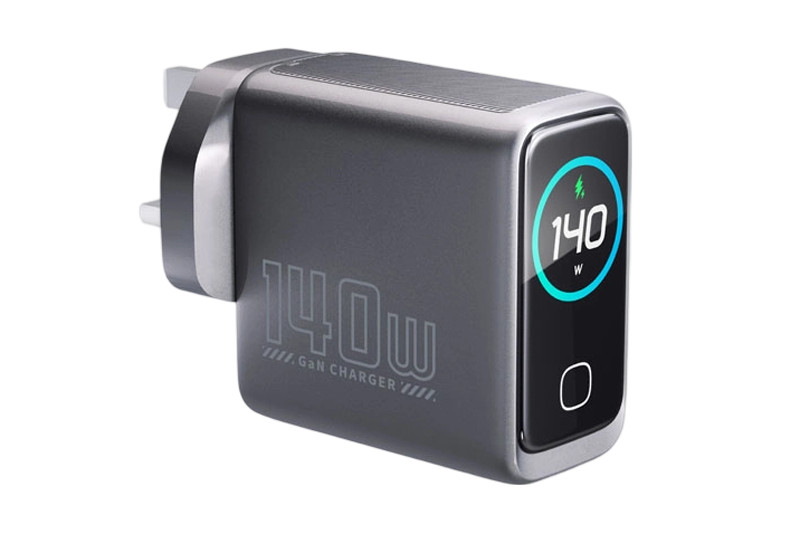 ESC-C017 140W HIGH Speed TFT Screen GaN Charger
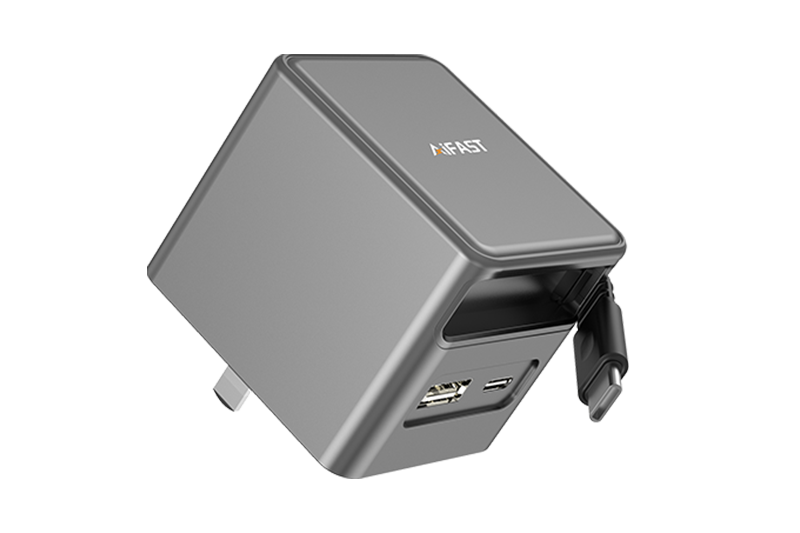 ESC-C016 65CM 65W HIGH Speed Retractable Cable GaN Charger


 Whatsapp
 Wechat


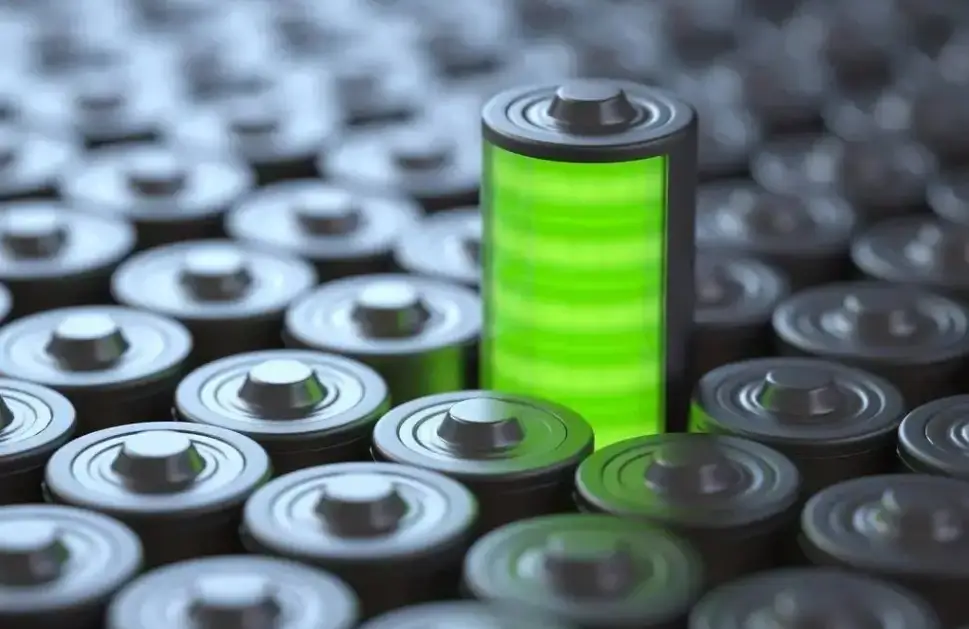




Analysis of Battery Price Surges and Their Impact on Related Industries
In the current economic climate, the surge in battery prices has garnered widespread attention. This phenomenon is not accidental but the result of the convergence of multiple factors.
The Dynamics of Raw Material Cost Increases
The primary driver of rising battery prices is the escalating cost of upstream raw materials.
1. Lithium Hexafluorophosphate ($LiPF_6$) Price Spike
In the short term, the price of Lithium Hexafluorophosphate ($LiPF_6$), a key upstream material for lithium batteries, has seen an increase exceeding 20%.
-
Rapid Jump: In just three days after the holiday (October 9th to 11th), the price of $LiPF_6$ experienced a dramatic, stepwise increase, jumping from an opening quote of ¥61,000/ton to a maximum of ¥75,000/ton for some spot orders, representing a maximum surge of 22.95%.
-
Historical Context: While the current price is significant, it pales in comparison to the previous peak. In the last upward cycle, $LiPF_6$ prices soared to ¥600,000/ton by March 2022.
-
Market Analysis: Current market analysis suggests that robust demand in November, coupled with most manufacturers operating at full capacity, means supply growth is marginal. The persistent supply gap for $LiPF_6$ is expected to continue driving prices up.
2. Titanium Dioxide Price Hike
Another upstream material, Titanium Dioxide ($TiO_2$), has also seen price increases announced by producers.
-
Corporate Announcements: Companies like Lomon Billions announced a price increase effective October 10th: ¥300/ton in the domestic market and $40/ton in the international market.
-
Industry Trend: Nearly 20 domestic $TiO_2$ companies, including Jinmao Titanium, Shandong Dongjia, and Panzhihua Xingzhong Titanium, have collectively raised prices, with domestic increases around ¥300-¥500/ton and overseas increases of $30-$70/ton.
-
Cost Transmission: The rising cost of $TiO_2$ is understood to directly impact the production cost of Lithium Iron Phosphate (LFP), a crucial cathode material for the lithium-ion battery industry, by pushing up the cost of its by-product, ferrous sulfate.
Other Contributing Factors
Beyond raw materials, other forces are at play:
-
Technological Advancement: Increased R&D investment to enhance battery performance and safety (e.g., developing new battery technologies) ultimately translates into higher product costs.
-
Market Supply-Demand Imbalance: The rapid expansion of sectors like New Energy Vehicles (NEVs) and consumer electronics has caused a sustained surge in battery demand that short-term supply cannot meet, leading to price inflation.
📈 Impact on Related Industries
The rising cost of batteries has had a multifaceted impact across various sectors.
| Industry | Impact Before Price Surge | Impact After Price Surge |
| New Energy Vehicles (NEVs) | Relatively low cost, high price competition. | Increased costs, potential rise in vehicle prices, possible shift in competitive landscape. |
| Consumer Electronics | Flexible product design, lower sensitivity to battery cost. | Greater focus on energy-saving technologies, potential design constraints. |
| Energy Storage (ESS) | Rapid development, relatively low cost pressure. | Development speed may slow down, increased focus on system efficiency and stability through technological innovation. |
Summary of Sectoral Challenges and Opportunities
The cost increase puts pressure on NEV manufacturers, potentially leading to higher vehicle prices and impacting consumer purchasing decisions. However, it also acts as a catalyst, encouraging companies to accelerate technological innovation to reduce battery costs and improve vehicle energy efficiency.
In the electronic device sector, manufacturers may adjust product strategies, perhaps reducing production of high-energy-consuming items or increasing investment in energy-saving technologies.
For the energy storage sector, while rising costs may initially slow down deployment, it will ultimately drive the industry to prioritize higher system efficiency and stability.
In conclusion, the battery price surge is a result of combined factors, presenting both challenges and opportunities for related industries. These sectors must respond proactively by leveraging technological innovation and optimizing supply chains to mitigate costs and enhance competitiveness.
📦 Manufacturer's Note: Shenzhen ESC (Fast Charging Power Bank Factory)
Shenzhen ESC, a factory specializing in Fast Charging Power Banks, utilizesPolymer Lithium Batteries and Cylindrical Lithium-ion Batteries. Despite the sharp increase in upstream raw material costs, the company is committed to maintaining stable pricing by sacrificing margin to gain market share.
Official Announcement: ESC has decided to keep all power bank prices unchanged until the end of December 2025. If you have any new power bank procurement needs, please contact us immediately to secure the most cost-effective products before the announced price adjustment.