
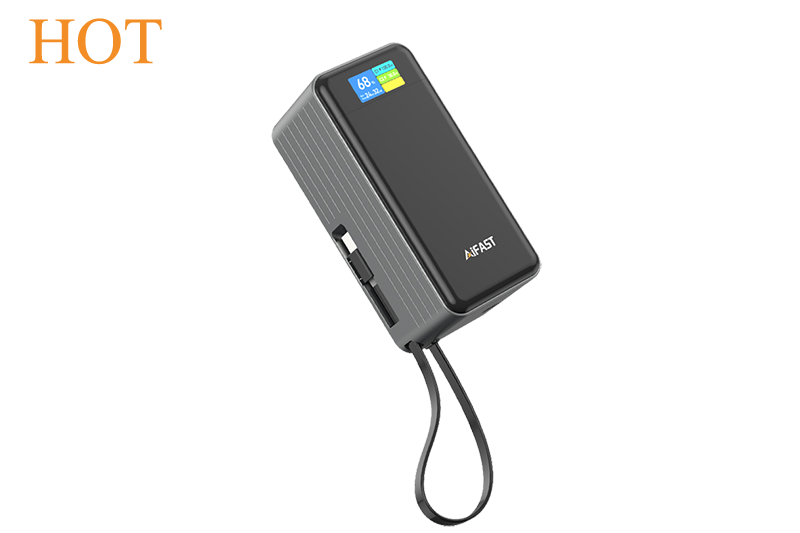
 ESC-X019 65W Fast charge power bank
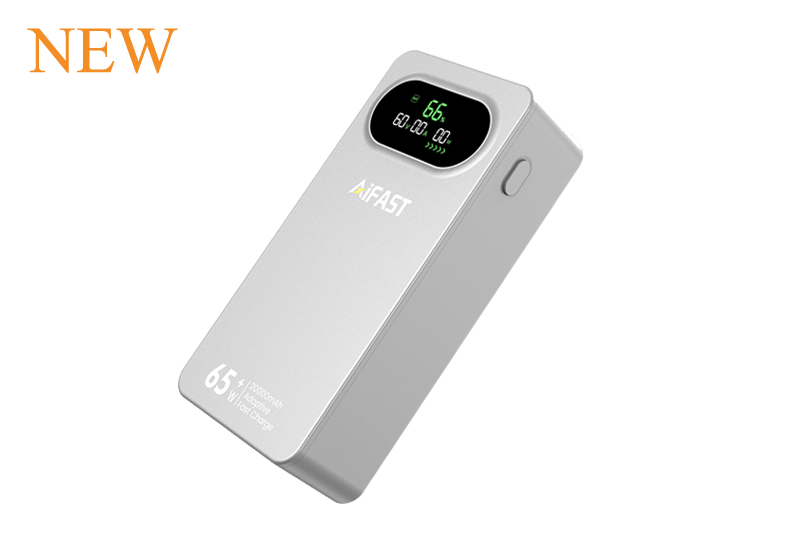 ESC-X018 65W Ultra-Fast 10000mAh Power Bank with TFT Display & Retractable Cable
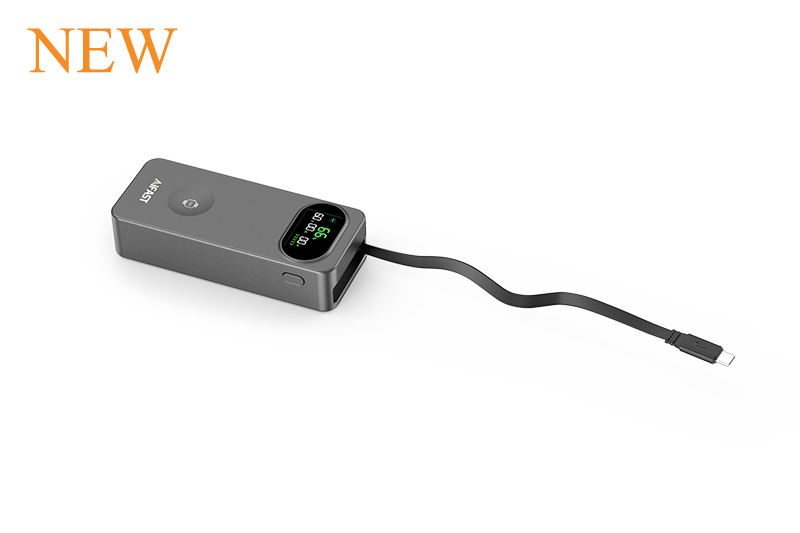 ESC-X017 65W Ultra-Fast 20000mAh Power Bank with TFT Display & Retractable Cable
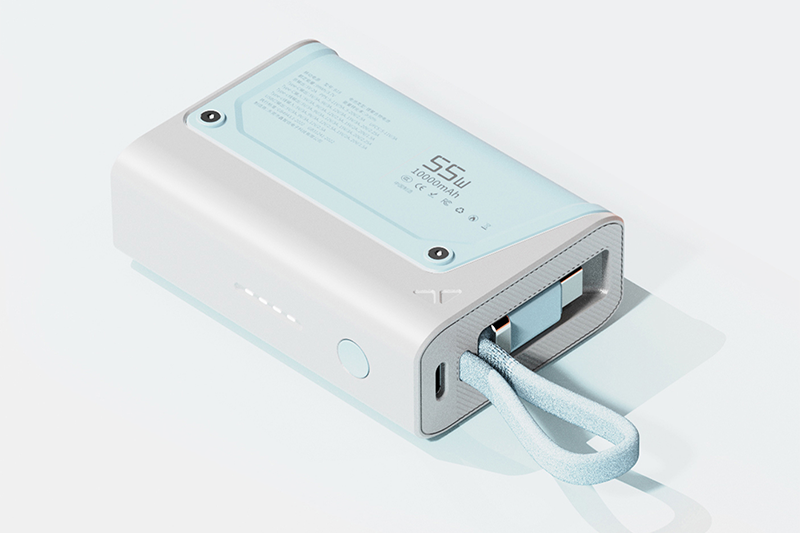 ESC-X020 10000mAh 55W Fast Charge Power Bank with cable built-in
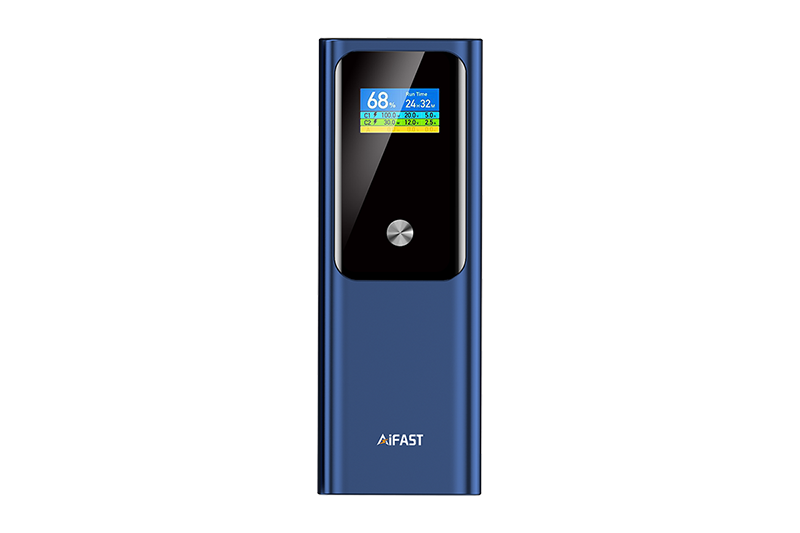 ESC-X016 120W 20000mAh Power Bank with Multi-Protocol TFT Display
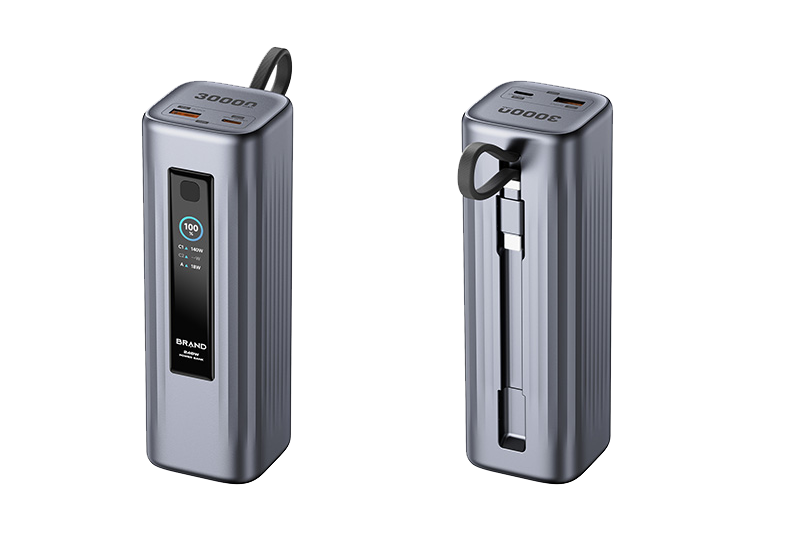 ECS-X022 145W 30,000mAh Power Bank with TFT Display & Retractable Cable
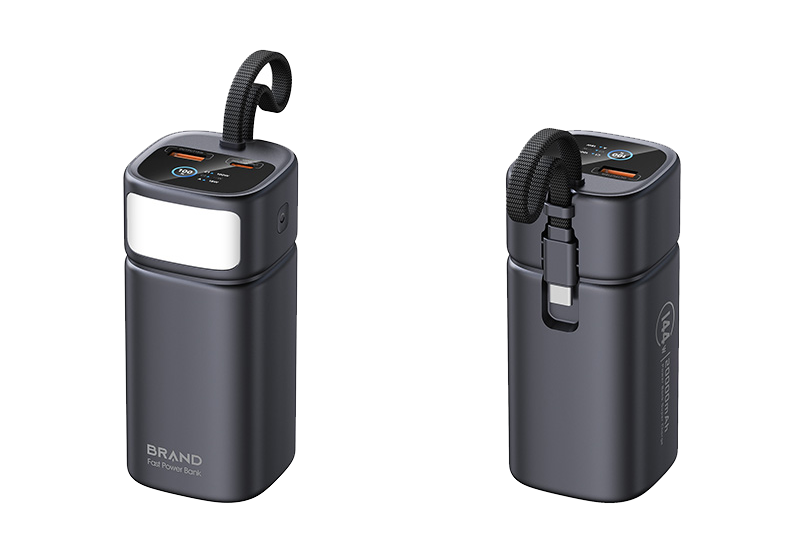 ECS-X021 100W 20,000mAh Power Bank with TFT Display & Retractable Cable
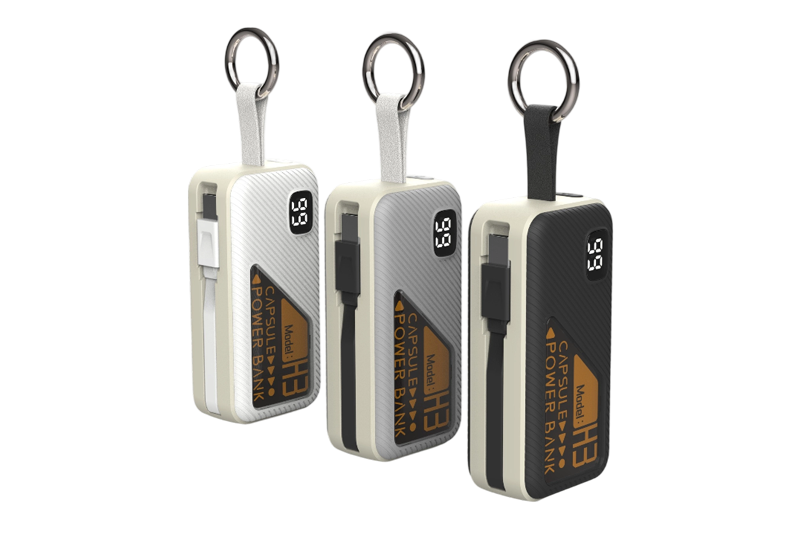 ESC-X023 20W Fast Charging Capsule Power Bank
 ESC-X024 22.5W 10,000mAh Fast Charging Power Bank
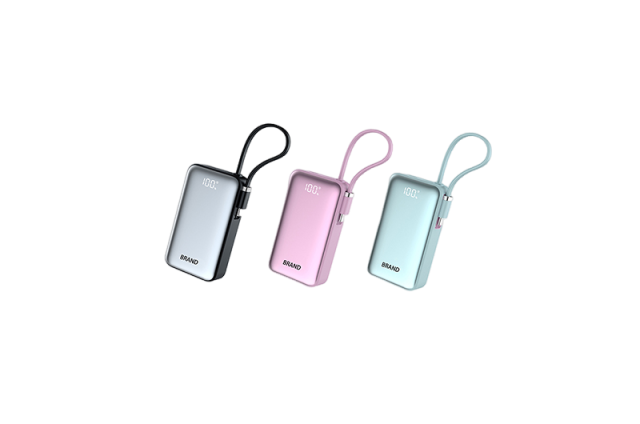 ESC-X025 22.5W Built-in Cable Portable Power Bank
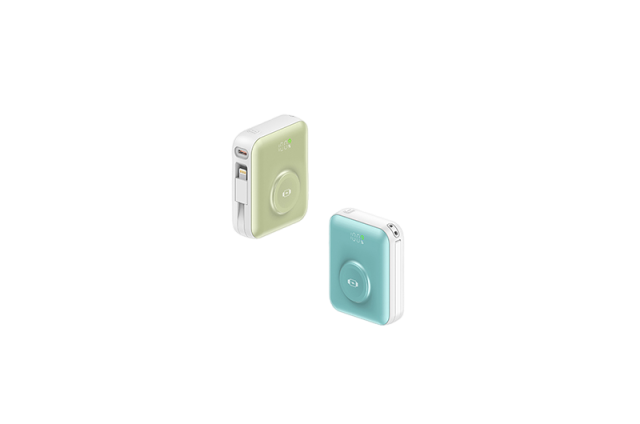 ESC-X026 22.5W 10000mAh Wireless Mini Size Power Bank
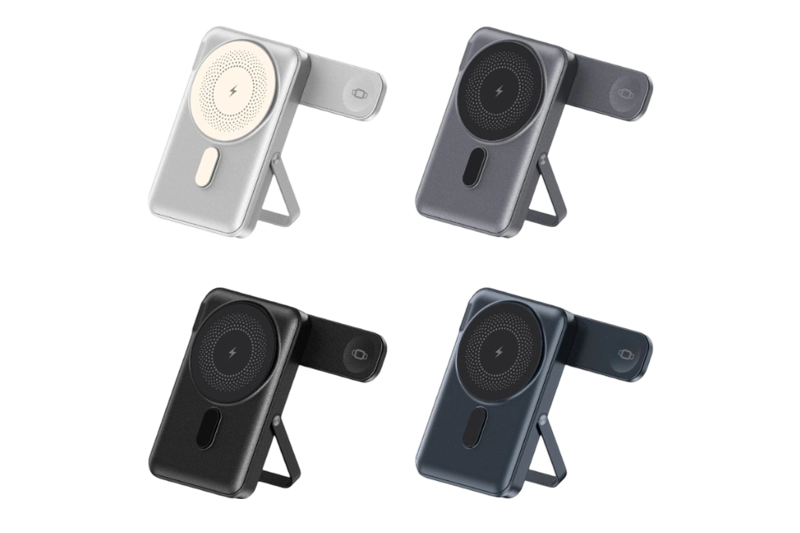 ESC-W018 3-in-1 MagSafe-Style Wireless Charging Stand
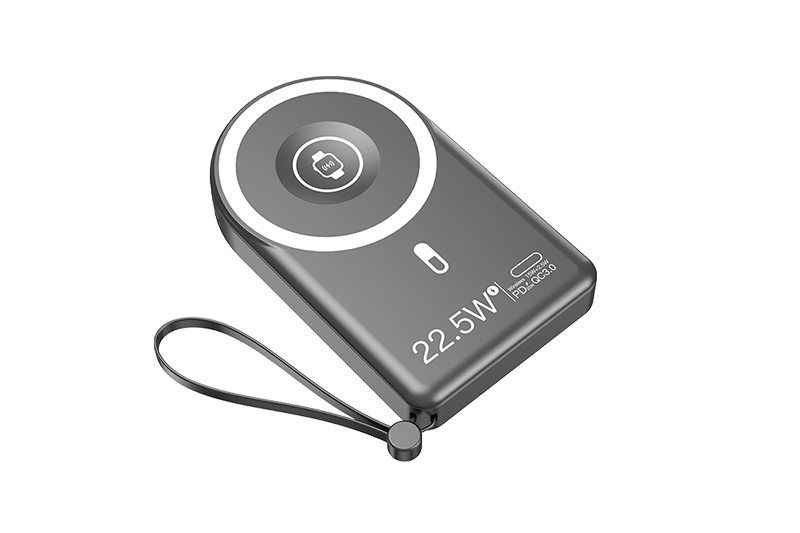 ESC-W017 5000mAh Wireless Ultimate All-in-One Power Solution for Samsung & iPhone Users
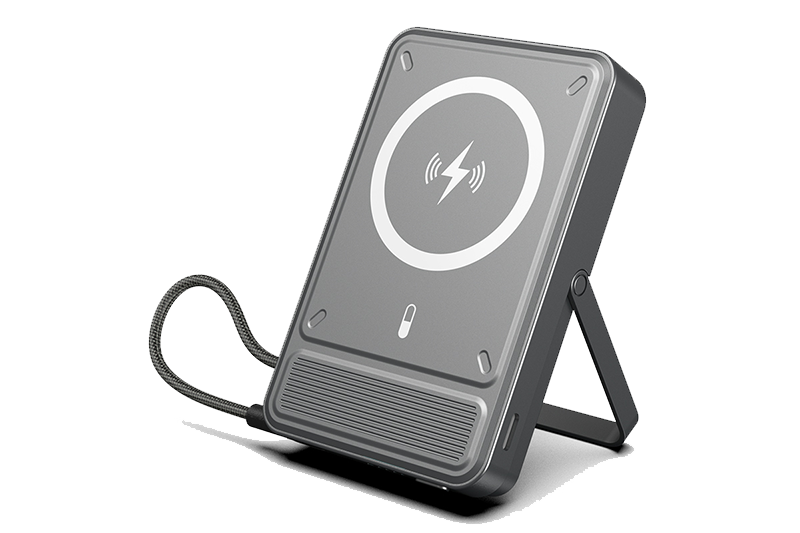 ECS-W016 45W Wireless Power Bank
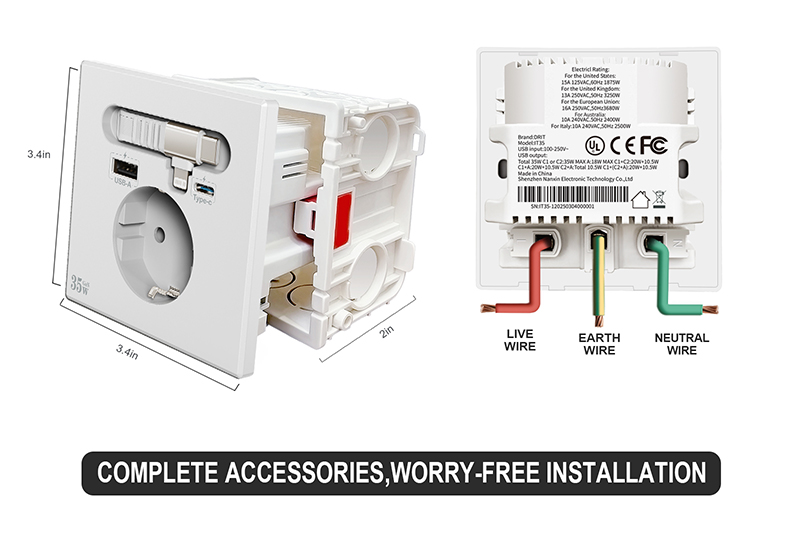 ESC-C019 Ultimate Universal 35W GaN Wall Socket
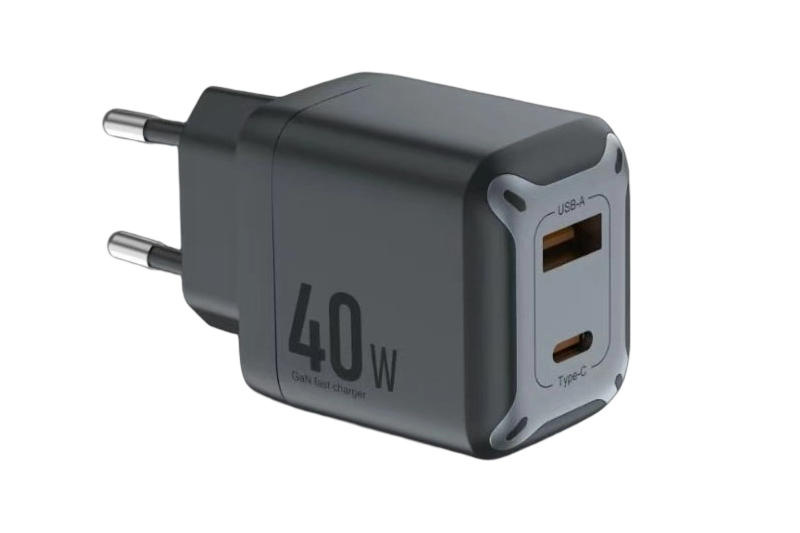 ESC-C018 Small Size 40W GaN Travel Charger
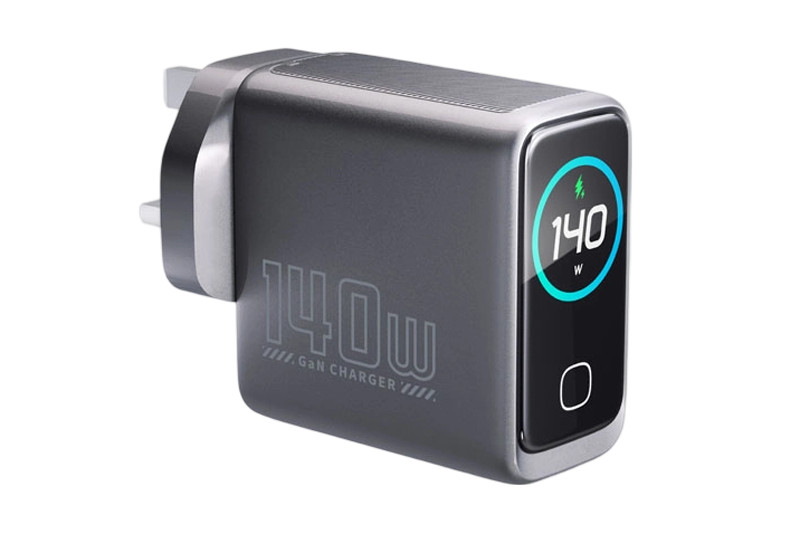 ESC-C017 140W HIGH Speed TFT Screen GaN Charger
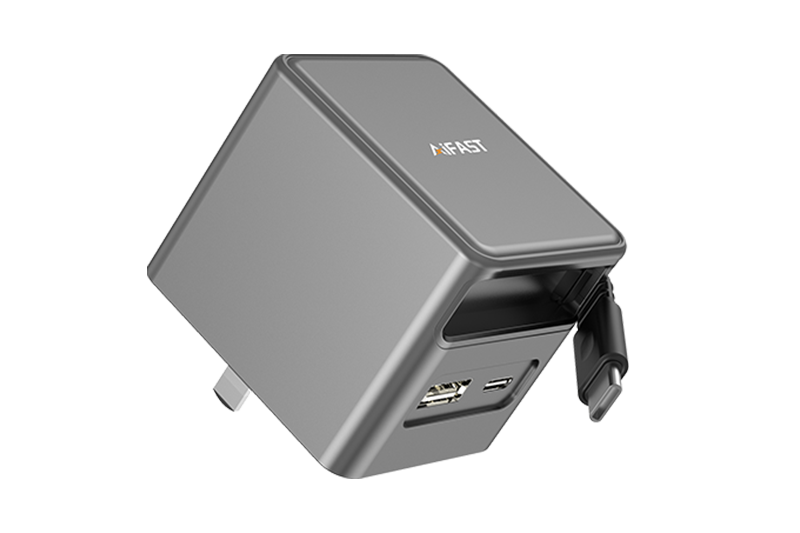 ESC-C016 65CM 65W HIGH Speed Retractable Cable GaN Charger


 Whatsapp
 Wechat

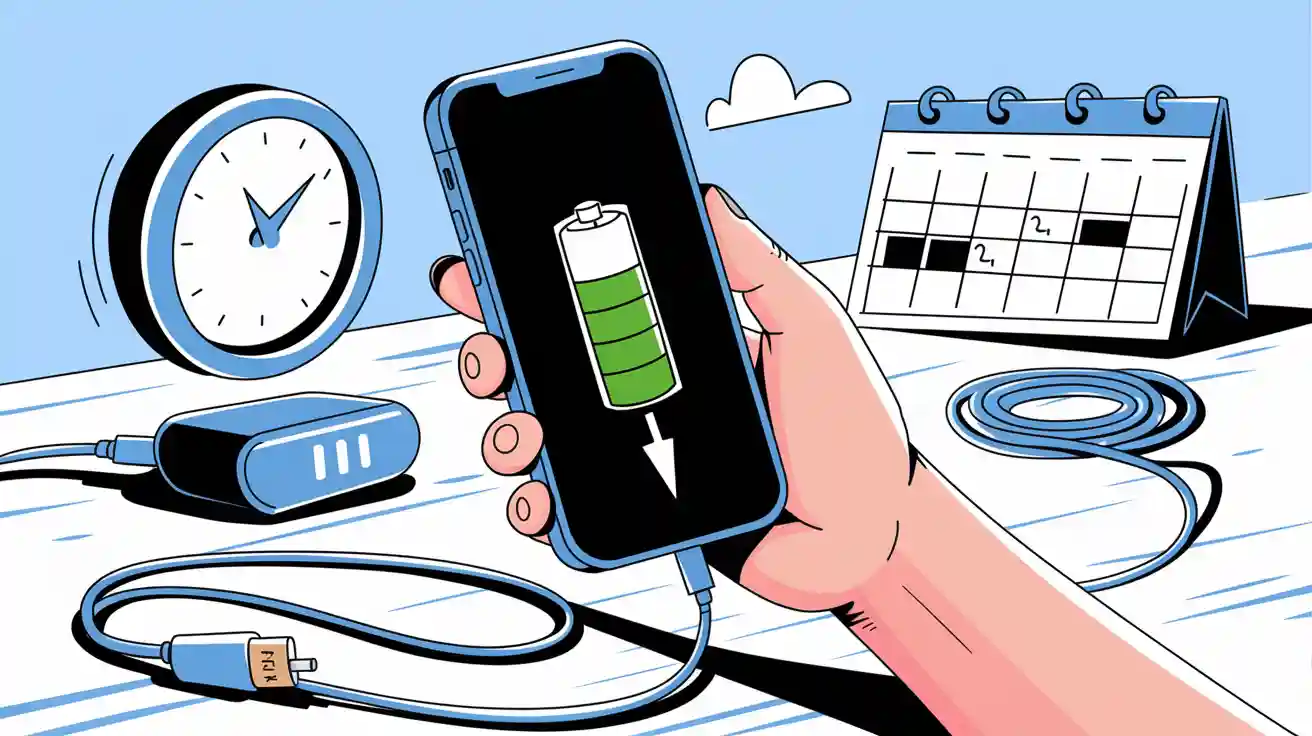

Apple vs. Android Fast Charging: A Deep Dive into Charging Protocols
Apple vs. Android Fast Charging: A Deep Dive into Charging Protocols
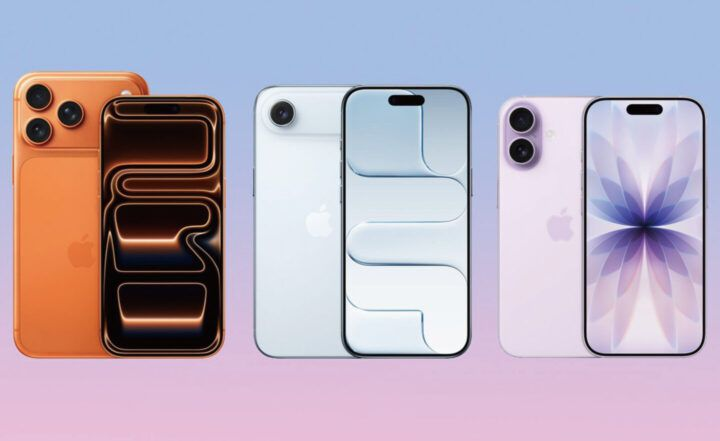
In today's smartphone market, fast charging has become a key battleground for major manufacturers. Apple and Android phones have their own strengths in this area, and the debate over which is superior is ongoing. Let's take a closer look at the mainstream mobile phone charging protocols and explore their similarities and differences.
Apple's Charging Protocols
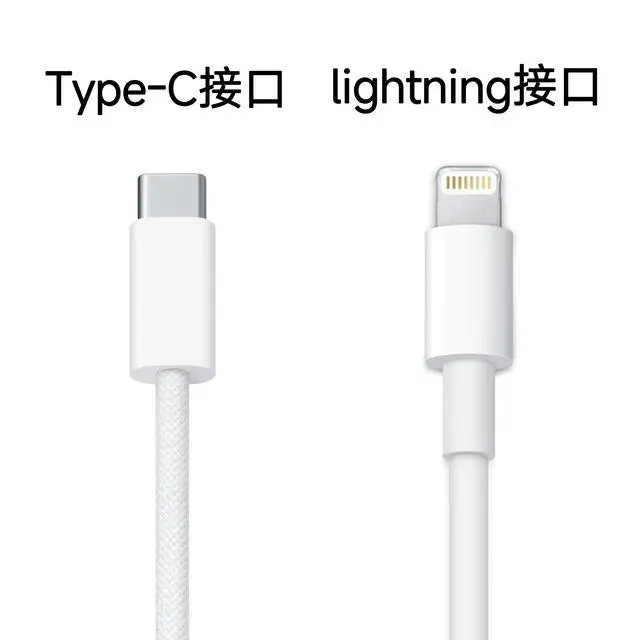
Apple initially launched a 2.4A fast-charging protocol, mainly used on iPhone 6 to iPhone 7 models, supporting a maximum charging power of 12W. This protocol required a 2.4A-compatible charging adapter and a USB-A to Lightning cable. However, starting with the iPhone 8, Apple gradually adopted the USB Power Delivery (USB PD) fast-charging protocol. This protocol offers higher charging efficiency and broader compatibility. For example, high-end models like the iPhone 14 Pro Max support charging power up to 29W.
Android's Diverse Fast Charging Protocols
Android phones, on the other hand, feature a more diverse range of fast-charging protocols. Here are some of the mainstream ones:
-
USB PD Protocol: This is a fast-charging protocol based on the USB Type-C interface, developed by the USB Implementers Forum. It supports a maximum charging power of up to 240W. USB PD intelligently adjusts charging voltage and current through two-way communication between the device and the charger, ensuring high efficiency and safety. Many Android phones, such as those from Xiaomi and OnePlus, support this protocol.

-
Qualcomm Quick Charge (QC): This is Qualcomm's proprietary fast-charging technology designed for phones equipped with Snapdragon processors. From QC 2.0 to the latest QC 5, the charging power has progressively increased to over 100W. Numerous Android brands, including Xiaomi and Samsung, support Qualcomm's QC protocol.
-
VOOC Flash Charge: This is an independent fast-charging technology developed by OPPO. It uses a low-voltage, high-current charging method and requires a customized adapter and battery, achieving a power conversion rate of 95%. VOOC is also compatible with OnePlus's WARP Flash Charge and realme's DART Flash Charge.
-
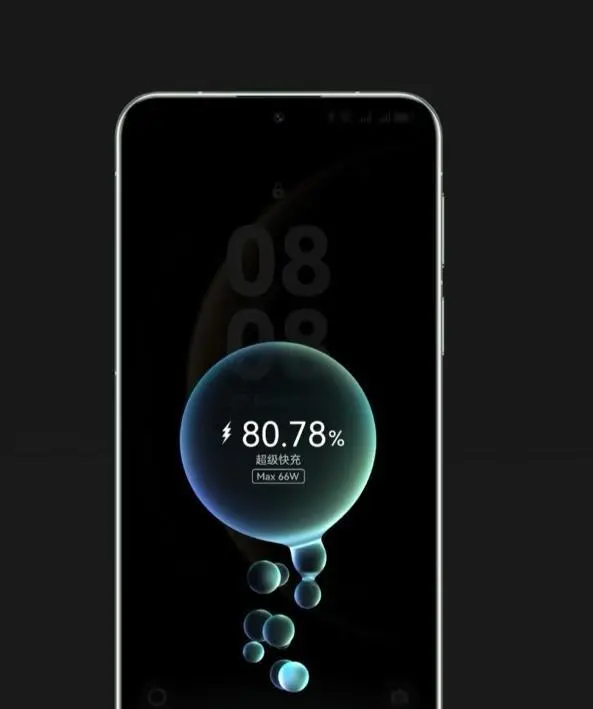
SCP/FCP Protocols: These two are Huawei's proprietary protocols. SCP (Super Charge Protocol) uses a low-voltage, high-current solution, supporting a charging power of up to 88W. FCP (Fast Charger Protocol) uses a high-voltage, low-current solution. These protocols are primarily used in Huawei and Honor phones.
-
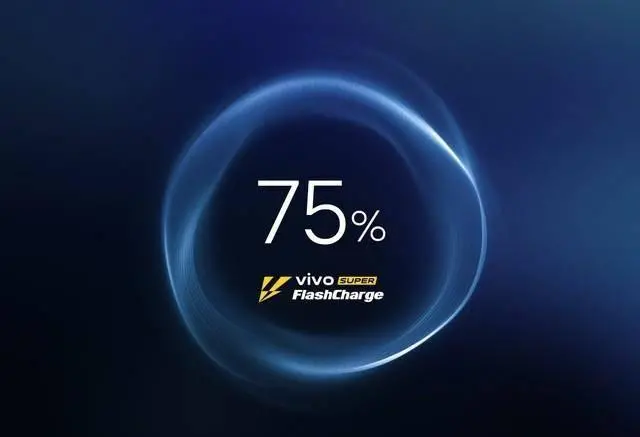
FlashCharge: This is the fast-charging technology used by vivo, mainly applied to iQOO and vivo phones. FlashCharge achieves shorter charging times with higher charging power, with some models already featuring 120W flash charging technology.
Compatibility and User Experience
A notable difference lies in compatibility. Different Android phone brands may use different fast-charging protocols, and even within the same brand, various models might support different protocols. This means users need to be particularly careful when choosing a fast charger and cable to ensure compatibility. In contrast, Apple's fast-charging protocol is relatively standardized, so users only need to select a PD-compatible charger and cable.