
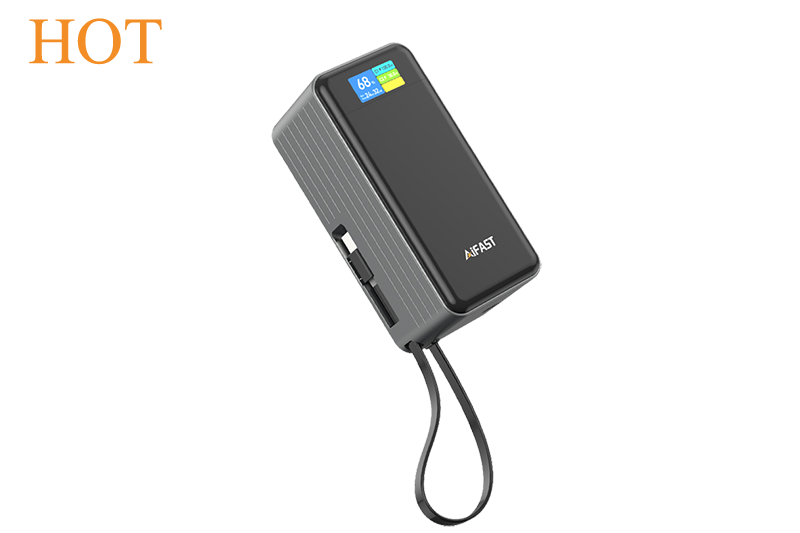
 ESC-X019 65W Fast charge power bank
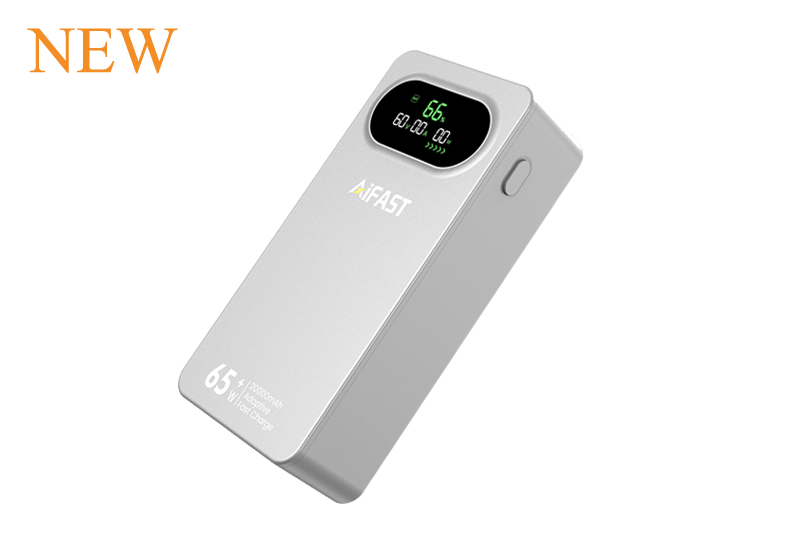 ESC-X018 65W Ultra-Fast 10000mAh Power Bank with TFT Display & Retractable Cable
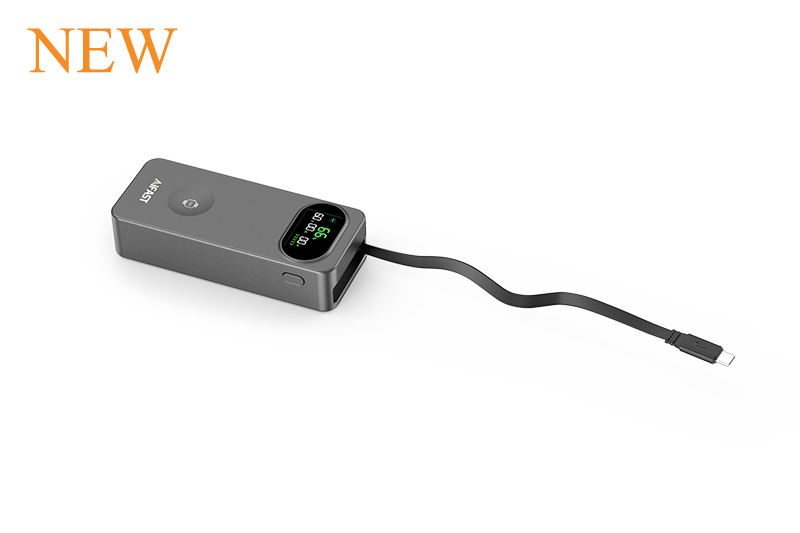 ESC-X017 65W Ultra-Fast 20000mAh Power Bank with TFT Display & Retractable Cable
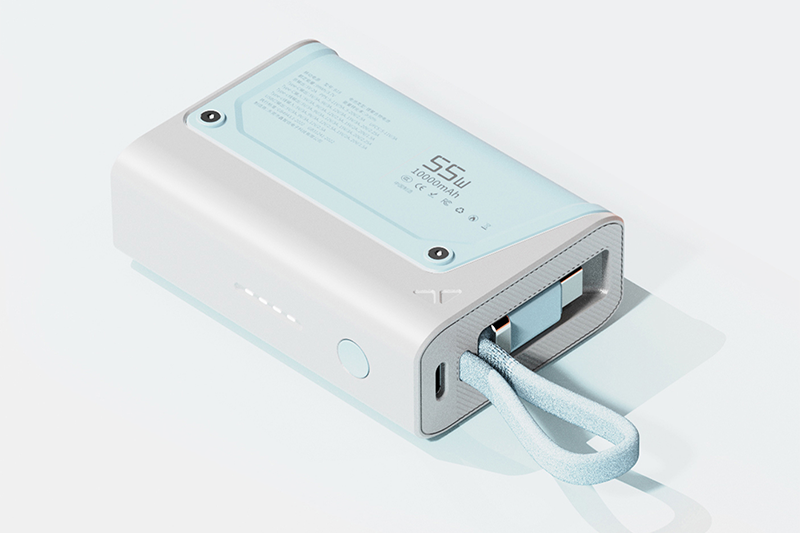 ESC-X020 10000mAh 55W Fast Charge Power Bank with cable built-in
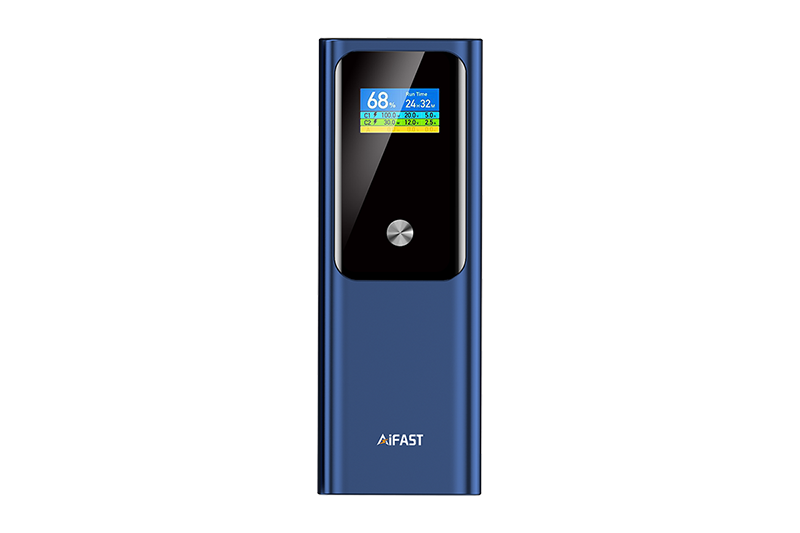 ESC-X016 120W 20000mAh Power Bank with Multi-Protocol TFT Display
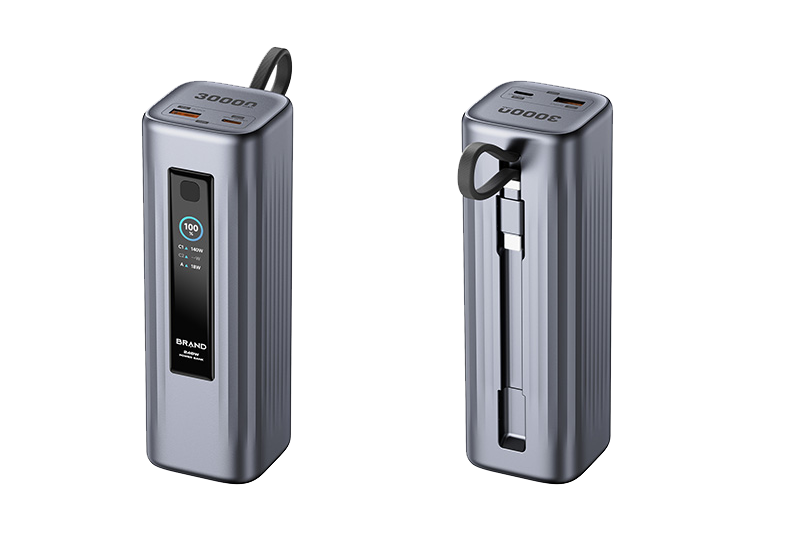 ECS-X022 145W 30,000mAh Power Bank with TFT Display & Retractable Cable
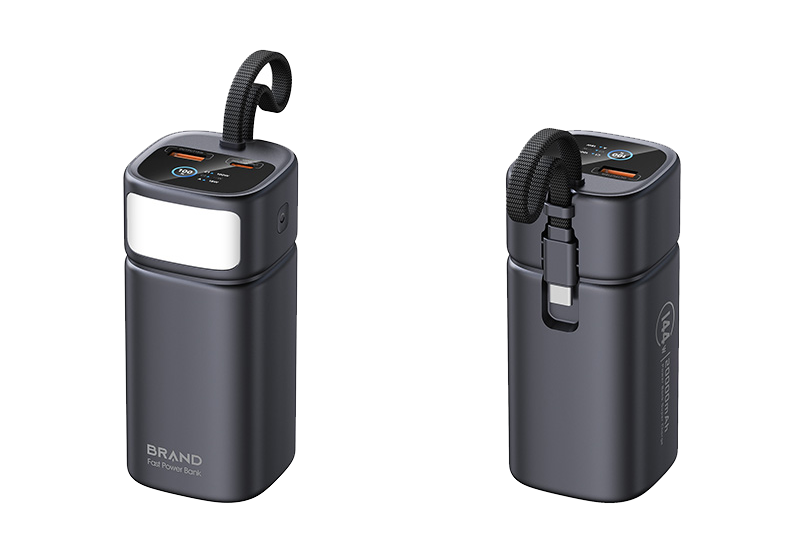 ECS-X021 100W 20,000mAh Power Bank with TFT Display & Retractable Cable
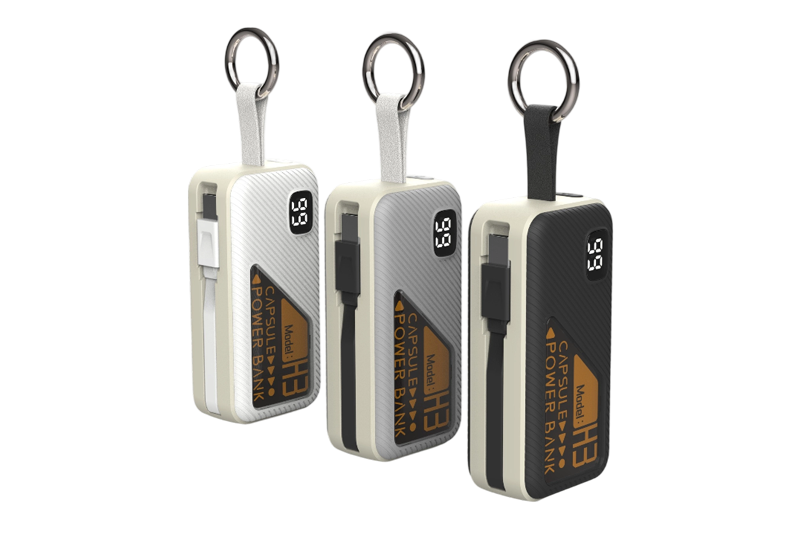 ESC-X023 20W Fast Charging Capsule Power Bank
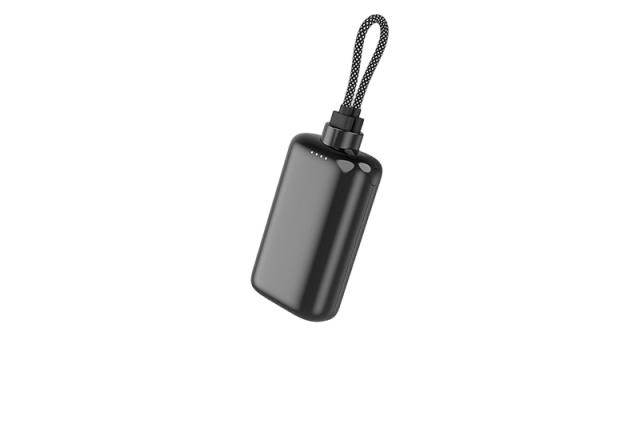 ESC-X024 22.5W 10,000mAh Fast Charging Power Bank
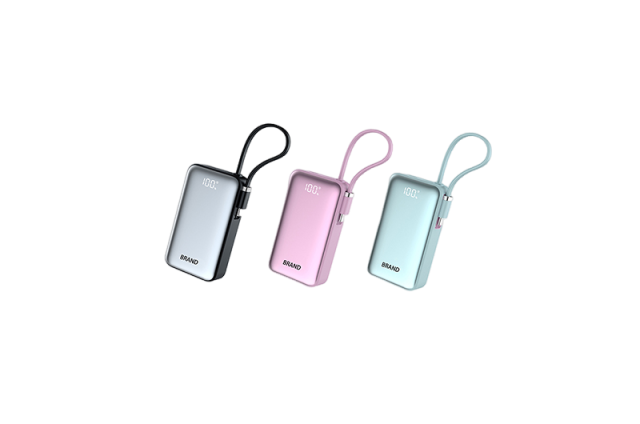 ESC-X025 22.5W Built-in Cable Portable Power Bank
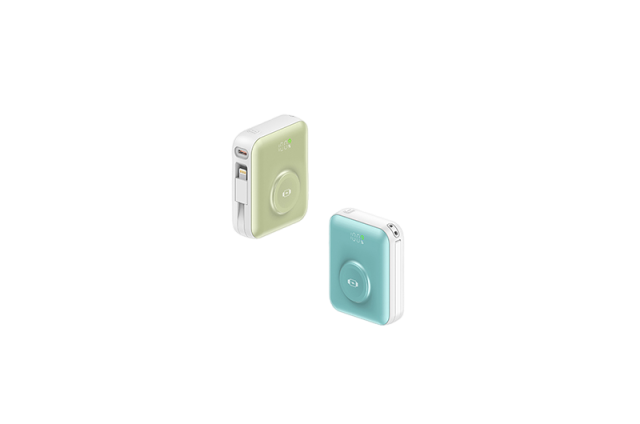 ESC-X026 22.5W 10000mAh Wireless Mini Size Power Bank
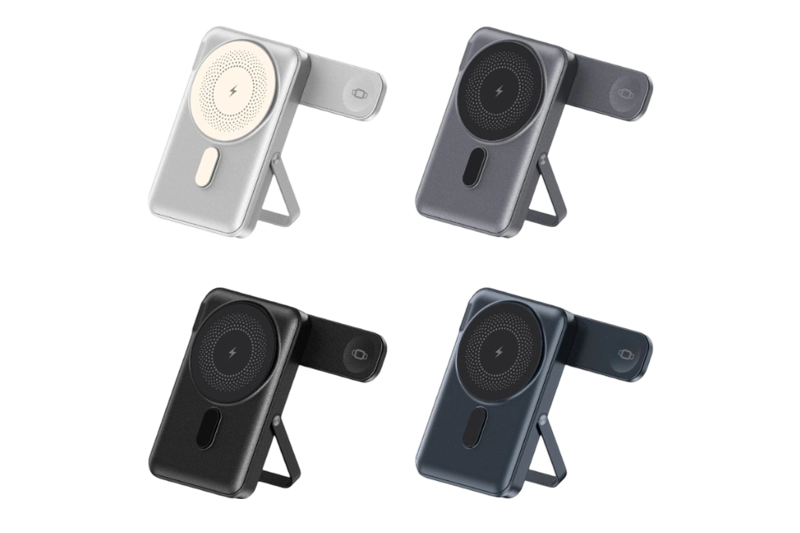 ESC-W018 3-in-1 MagSafe-Style Wireless Charging Stand
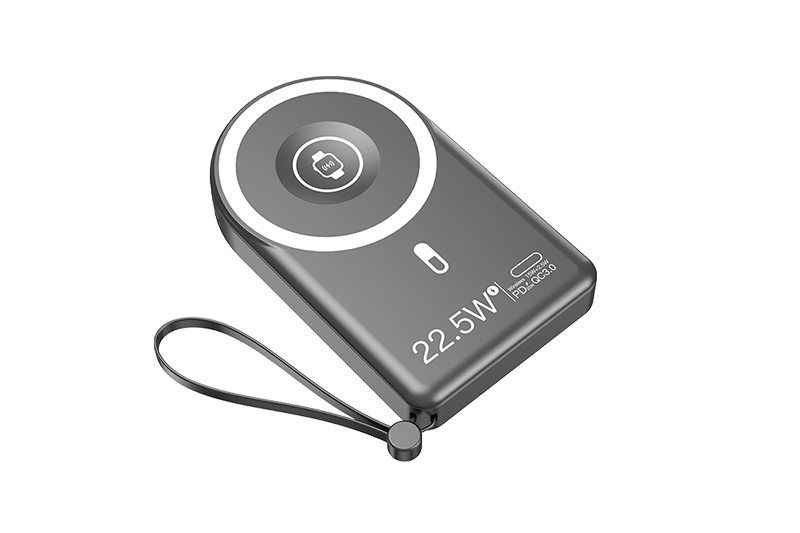 ESC-W017 5000mAh Wireless Ultimate All-in-One Power Solution for Samsung & iPhone Users
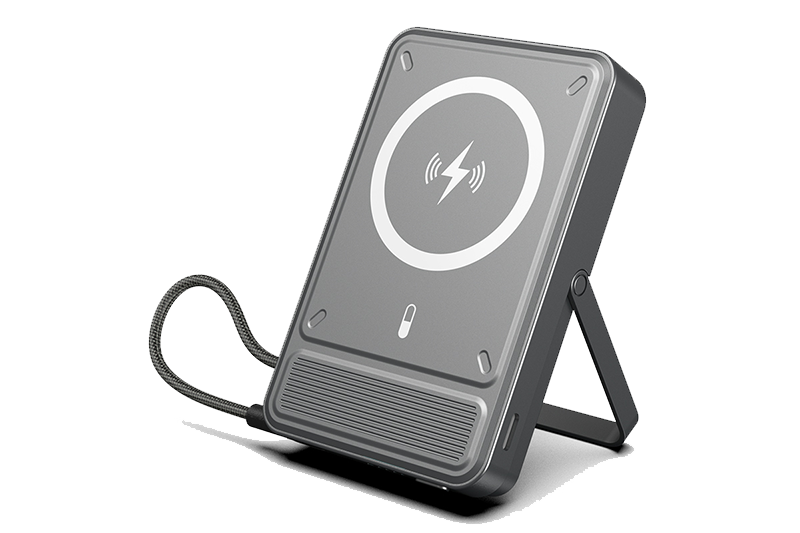 ECS-W016 45W Wireless Power Bank
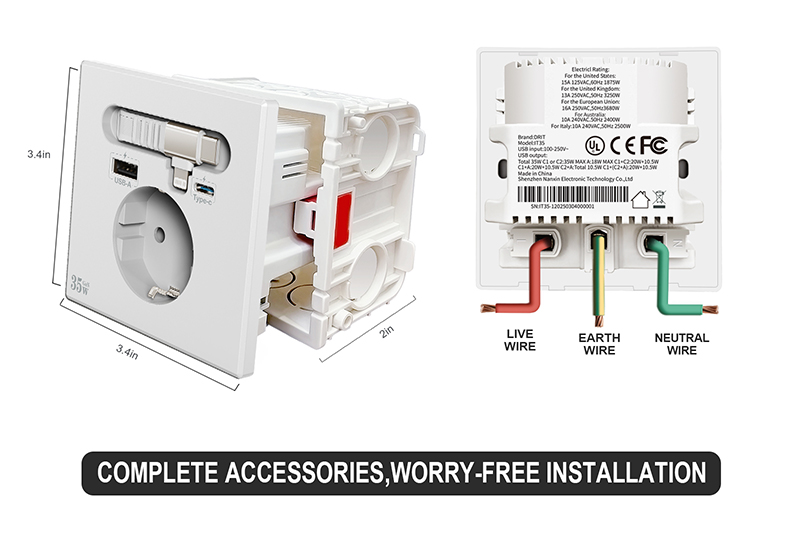 ESC-C019 Ultimate Universal 35W GaN Wall Socket
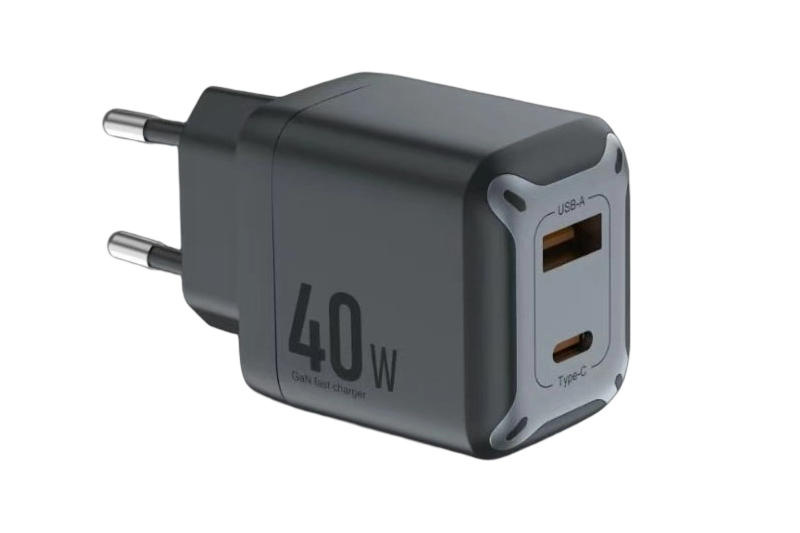 ESC-C018 Small Size 40W GaN Travel Charger
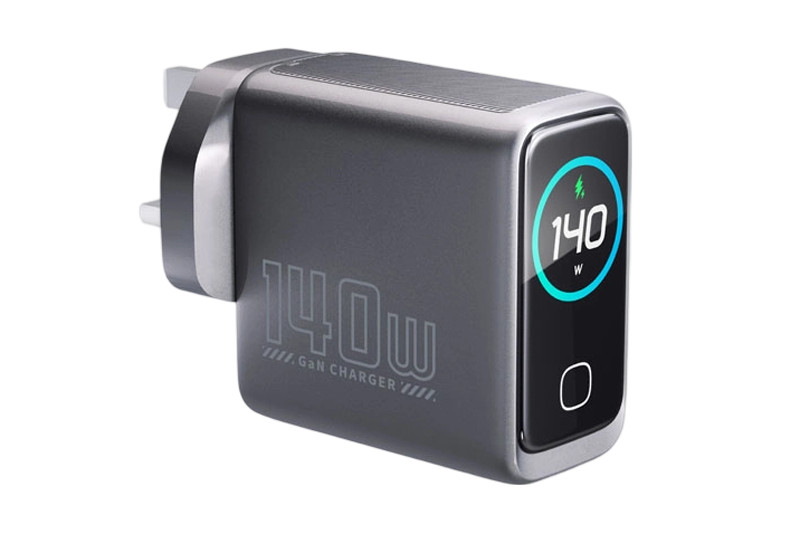 ESC-C017 140W HIGH Speed TFT Screen GaN Charger
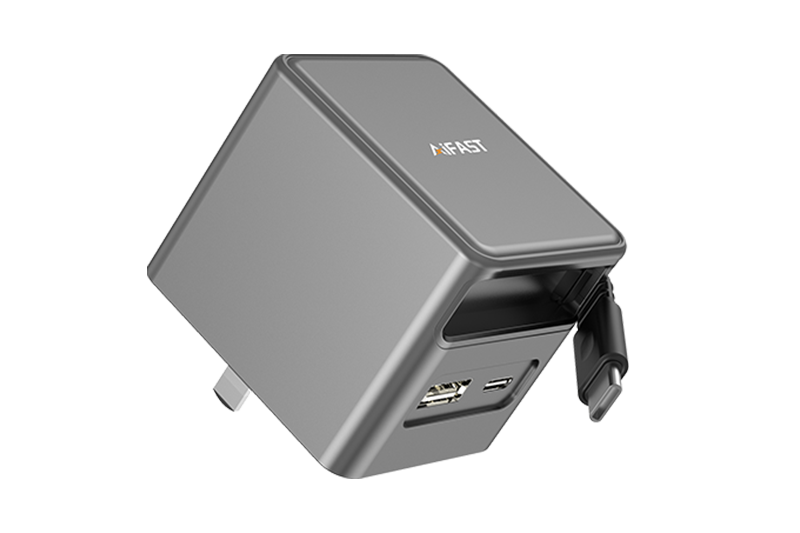 ESC-C016 65CM 65W HIGH Speed Retractable Cable GaN Charger


 Whatsapp
 Wechat

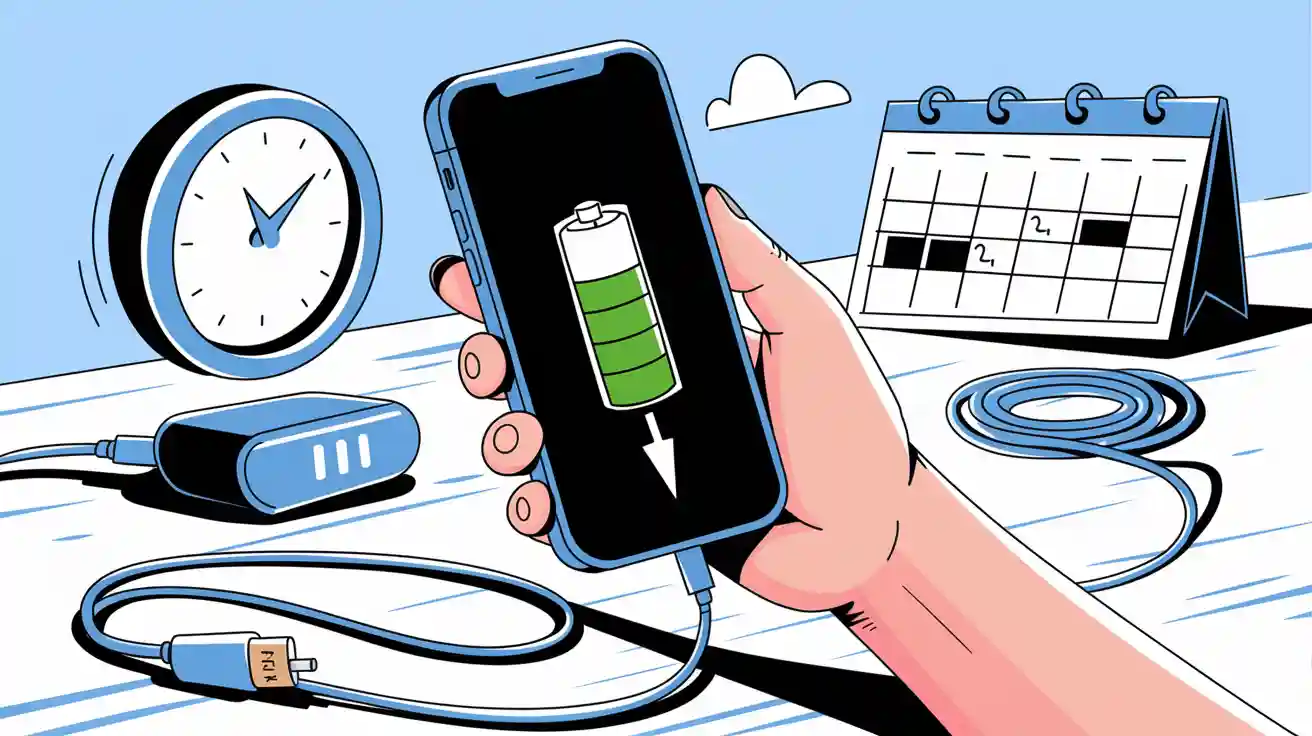

Can a Power Bank's Weight Determine its Quality?
The short answer is: Weight is a helpful indicator, but it doesn't tell the whole story about a power bank's quality.
In general, a power bank's weight is directly related to its capacity (mAh) and the materials used for its casing and internal components.
1. The Capacity-Weight Correlation: A Fundamental Link
-
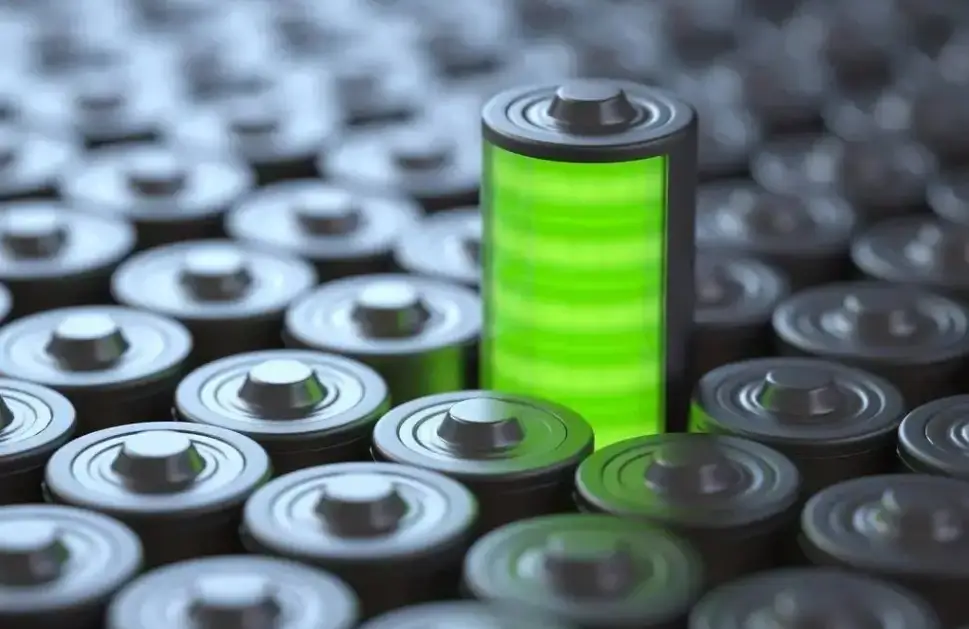
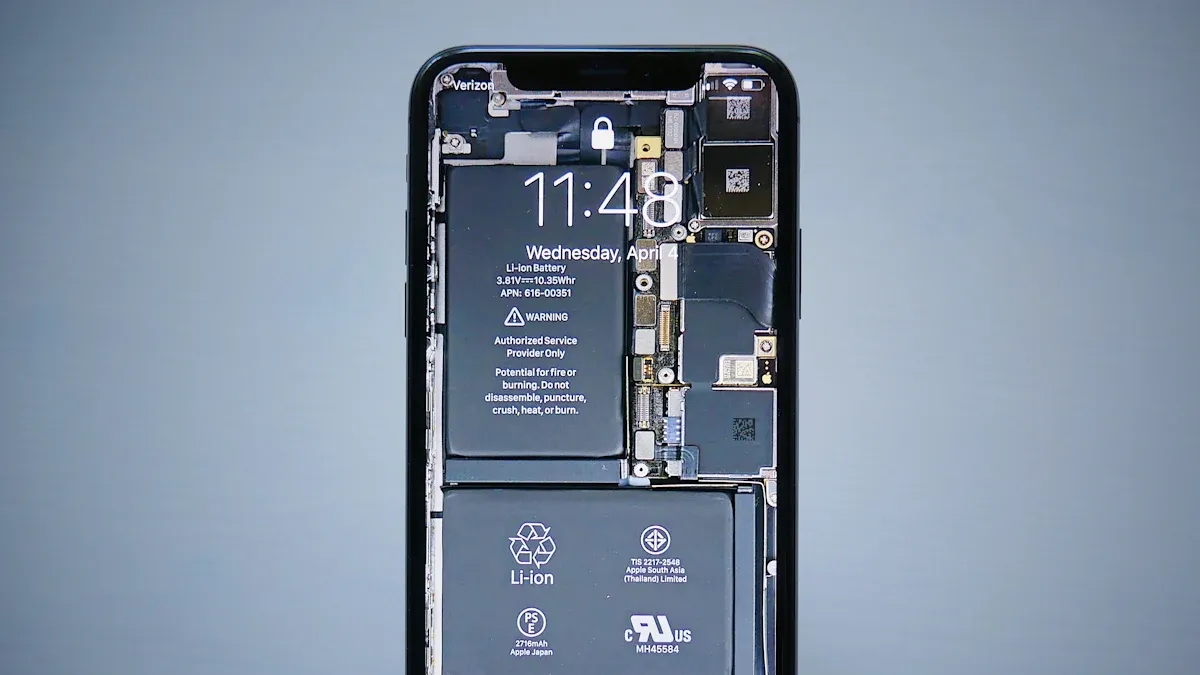
Higher Capacity = Generally Heavier: The main contributor to a power bank's weight is its internal battery cells. Higher capacity power banks (e.g., 20,000mAh vs. 10,000mAh) require more cells, which inevitably increases the size and weight.
-
Rule of Thumb: A significantly lighter power bank for its stated capacity (e.g., a 20,000mAh power bank that feels unusually light) could be a red flag for "capacity mislabeling" (虚标容量) or the use of lower-density, poorer-quality cells.
-
-
The Best Metric: Capacity-to-Weight Ratio: Instead of judging weight alone, look for a good ratio. Modern technology, especially with Li-Polymer (Lithium Polymer) cells, allows for higher energy density, meaning you get more milliamp-hours (mAh) for every gram of weight. Quality manufacturers often utilize these advanced, lighter cells.
2. Weight as a Quality Indicator (Focusing on the Battery)
A battery cell's energy density—how much power it can store per unit of volume or weight—is a key measure of quality. Reputable brands often use higher-quality, higher-density cells from trusted suppliers (e.g., Samsung, LG), which provide more capacity in a smaller, lighter package compared to cheap, low-density cells.
-
Too Light = Caution: If a power bank is suspiciously light for its advertised high capacity, it might indicate one of two things:
-
Lower-Quality/Misrepresented Capacity: The actual capacity is much lower than the label claims.
-
Inferior/Older Cells: The manufacturer used cheaper, less energy-dense cells, which may also be less safe or have a shorter lifespan.
-
-
Too Heavy = Could Be Outdated: If a power bank with a moderate capacity (e.g., 10,000mAh) is exceptionally heavy, it might be using older, bulkier Lithium-Ion (Li-ion) cells or cheaper casing materials.
3. Other Factors Affecting Weight and Quality
-
Case Material: Power banks with metal casings (like aluminum) are typically heavier than those with plastic casings. While metal adds weight, it often improves durability and heat dissipation.
-
Fast-Charging Components: Power banks with advanced features like high-wattage Power Delivery (PD) or Quick Charge (QC) technology usually contain more sophisticated circuit boards and components, which can add a slight amount of weight but are a sign of high quality and functionality.
Conclusion: Focus on Capacity, Rated Output, and Brand
While weight is an inherent consequence of capacity, don't use it as the sole judge of quality.
A better-quality power bank will often have:
-
A good capacity-to-weight ratio (modern cells).
-
A clearly marked, realistic Rated Capacity (额定容量).
-
Reputable brand recognition (brands like Anker, Xiaomi, etc., often have better quality control and technology).
-
Fast-charging support (indicating better internal electronics).
If you are choosing between two power banks of the same advertised capacity, the one that is only slightly heavier but from a trusted brand with better charging specs (like higher wattage output) may well be the higher-quality product.
English Translation
Can a Power Bank's Weight Determine its Quality?
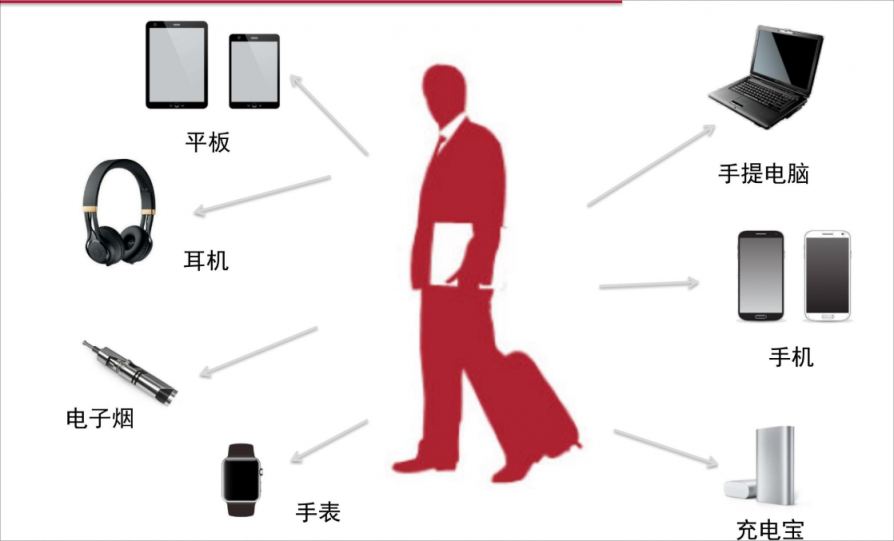
Have you ever experienced the anxiety of your phone battery dying while you’re out and about? Power banks have become a modern-day necessity, but their weight often causes a dilemma. This article will help you find a truly portable and practical power bank by exploring the relationship between weight, capacity, and materials, ensuring you can easily handle power crises on the go without being weighed down.
Our fast-paced lifestyle means our phone is practically a "second organ." Whether for business, travel, or daily commute, battery life seems to vanish in an instant. This is where a reliable power bank comes in as a "lifesaver." But the big question is: how heavy is it, really? Is it feather-light or a heavy burden? Today, we're diving into this "weighty" topic.
I. The Power Bank Weight Secret: Does More Capacity Mean More Weight?
First, it’s crucial to understand that a power bank's weight is directly proportional to its capacity. Generally, a 10,000mAh power bank weighs around 200g, while a 20,000mAh model can exceed 400g. If you suffer from "battery anxiety," you might not see this as an issue initially, but carrying it all day will quickly remind you that it's no "small item."
However, don't write off high-capacity power banks yet! Modern technology has made "lightweighting" possible. For instance, power banks using Li-Polymer (Lithium Polymer) cells are smaller and lighter while still offering stable power output. Therefore, the key is to choose a power bank with a great "high capacity + low weight" combination.
II. Material Matters: Plastic vs. Metal vs. Glass
The external casing material is another significant factor in determining weight. The market commonly offers plastic, metal, and glass options.
-
Plastic power banks are typically the lightest, ideal for users prioritizing portability.
-
Metal offers a premium feel but is noticeably heavier, better suited for those who prefer a high-end aesthetic.
-
Glass casings balance looks and weight but often come with a higher price tag.
If you travel frequently, we recommend prioritizing plastic or lightweight metal casings to ensure both comfort and a good user experience.
III. How to Pick a "Feather-Light" Power Bank: A Practical Guide
Since we know a power bank's weight relates to its capacity and material, how do we choose one that's truly "feather-light"? Here are a few tips:
-
Check the Capacity-to-Weight Ratio: Don't just chase maximum capacity; look at the weight per 1000mAh. Some brands list this figure, which is a good point of reference.
-
Opt for Newer Battery Technology: Li-Polymer (Li-Po) batteries have a higher energy density, resulting in a smaller size and lighter weight compared to traditional Li-ion cells.
-
Consider the Design: Many modern power banks feature a "flat" or "slim" design, which is not only aesthetically pleasing but also space-saving and easier to carry.
-
Brand Selection is Key: Brands like Anker and Xiaomi often excel in lightweight design and are worth considering.
IV. Understanding "Misrepresented Capacity" (虚标容量)
The advertised capacity (nominal capacity), such as 10,000mAh, refers to the theoretical energy stored in the cell.
-
Actual Output is Lower: Due to energy conversion losses and voltage regulation (boosting cell voltage to USB output), the actual rated capacity (额定容量) is always lower than the nominal capacity.
-
Mislabeling (虚标): This is when a manufacturer significantly exaggerates the data, claiming a capacity much higher than the actual usable capacity.
When purchasing, focus on the Rated Capacity. This value, tested under laboratory conditions (usually at or discharge current), accounts for energy loss and represents the guaranteed minimum output. It is typically to of the nominal capacity, varying slightly by brand.
V. Theoretical Calculation: Validating Manufacturer Claims
Power banks typically boost the cell voltage to a output, incurring a standard energy loss of to during the process.
Usable Capacity Formula:
Example: For a power bank advertised as :
If real-world testing (e.g., charging a phone) only yields , it strongly suggests misrepresented capacity.
VI. Do-It-Yourself Testing: Verifying Real Data
Here are a few simple ways to check for mislabeled capacity:
-
Use a Dedicated USB Tester:
-
Tools: A USB tester/meter and a fast-charging cable/device.
-
Method: Use the USB tester to record the total charging output from the power bank, from full until it's completely depleted. If the total output is less than of the nominal capacity, it can almost certainly be deemed mislabeled.
-
-
Count the Charge Cycles:
-
Tools: A common device with a known battery capacity (e.g., ).
-
Method: Record how many times the power bank can fully charge the device and calculate the total output capacity. If the result is half or less of the nominal capacity, it is likely mislabeled.
-
In summary, a power bank's weight, though seemingly a minor detail, directly impacts your travel experience. Choosing an appropriate, lightweight power bank will not only ease your burden but also enhance your quality of life.