
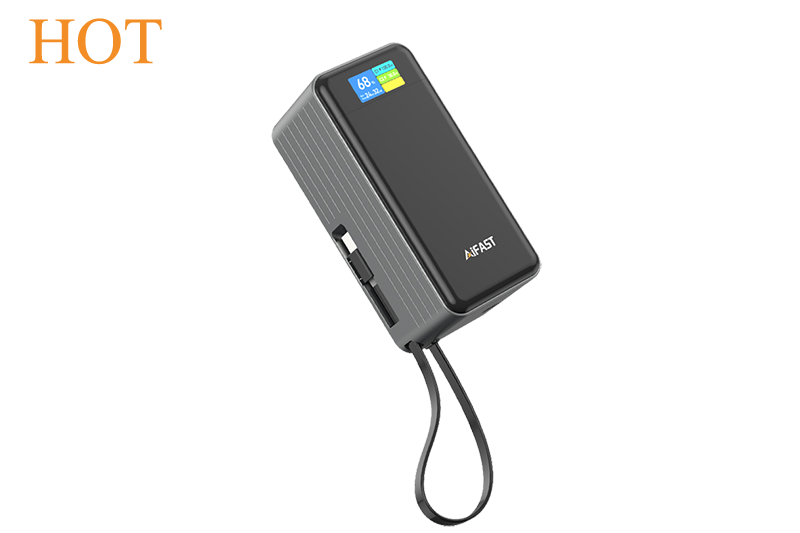
 ESC-X019 65W Fast charge power bank
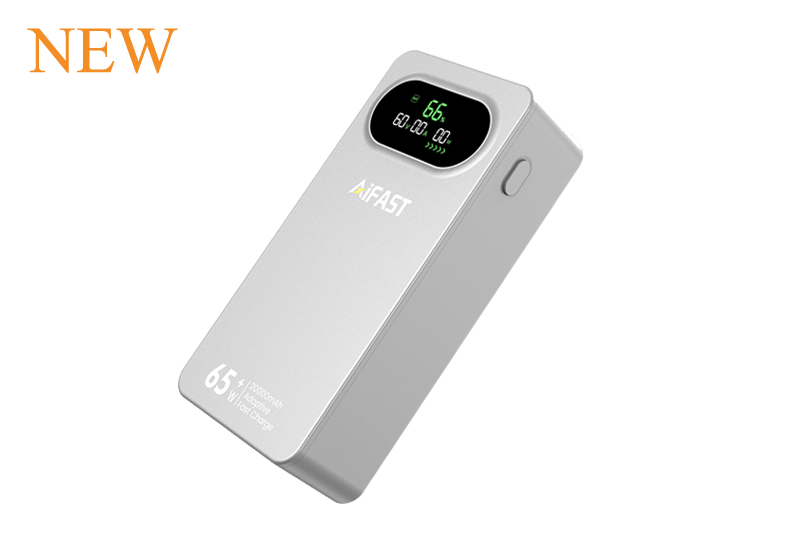 ESC-X018 65W Ultra-Fast 10000mAh Power Bank with TFT Display & Retractable Cable
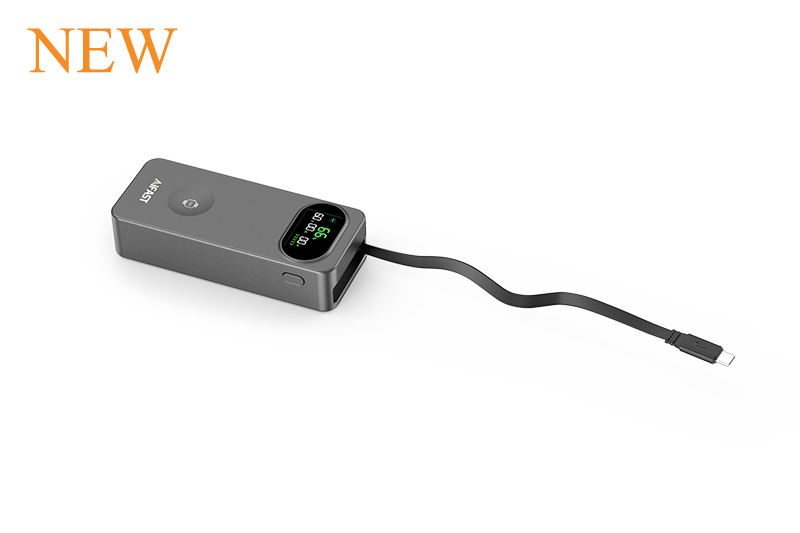 ESC-X017 65W Ultra-Fast 20000mAh Power Bank with TFT Display & Retractable Cable
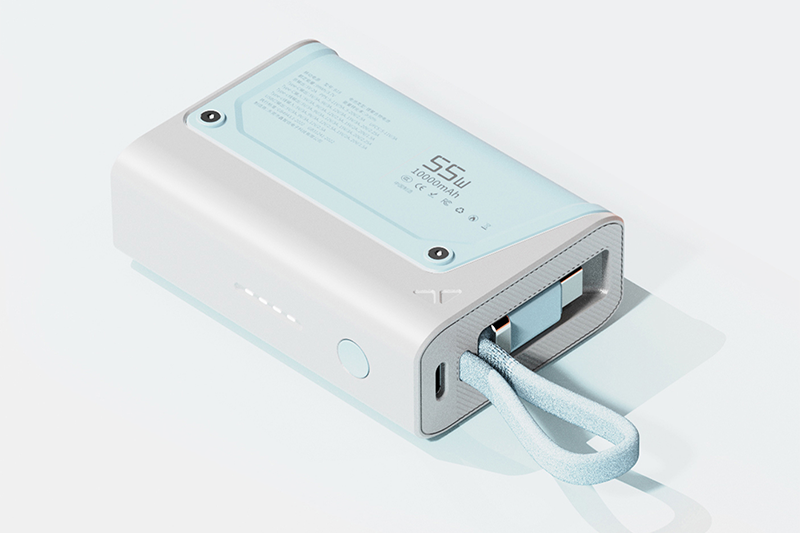 ESC-X020 10000mAh 55W Fast Charge Power Bank with cable built-in
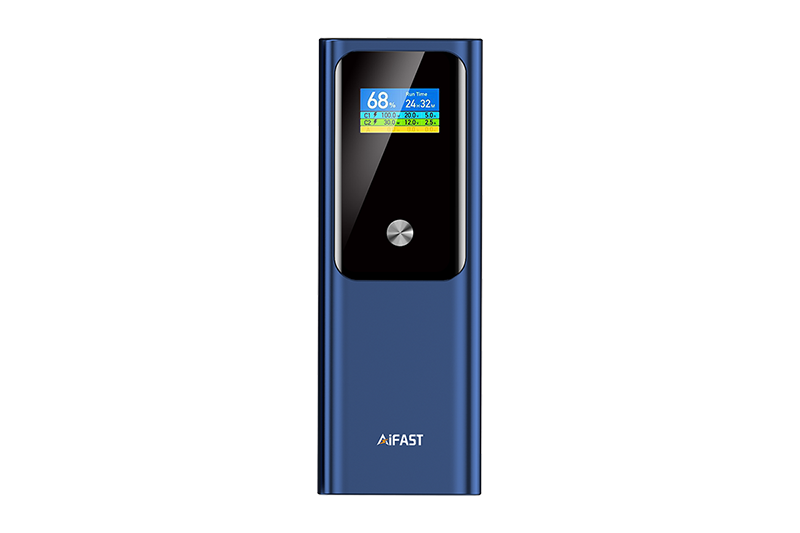 ESC-X016 120W 20000mAh Power Bank with Multi-Protocol TFT Display
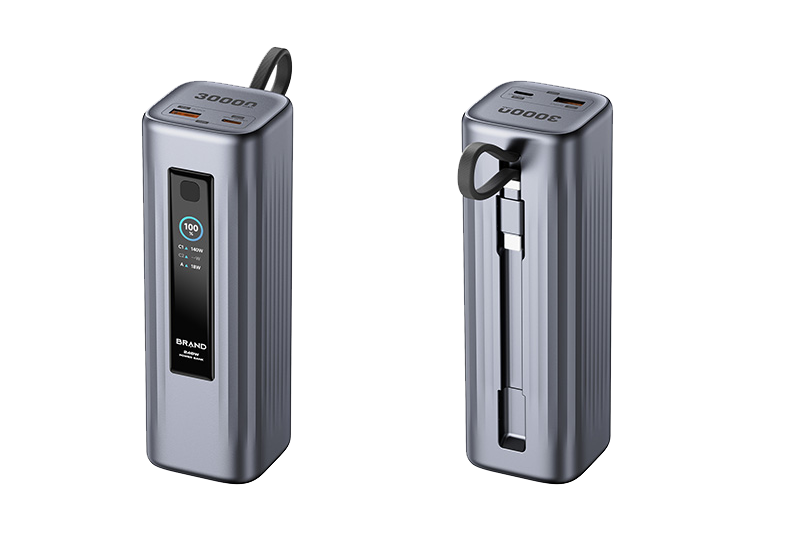 ECS-X022 145W 30,000mAh Power Bank with TFT Display & Retractable Cable
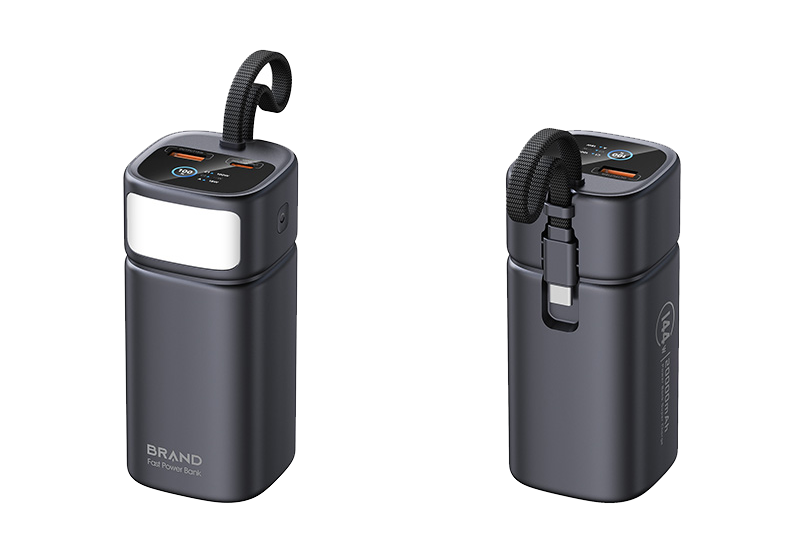 ECS-X021 100W 20,000mAh Power Bank with TFT Display & Retractable Cable
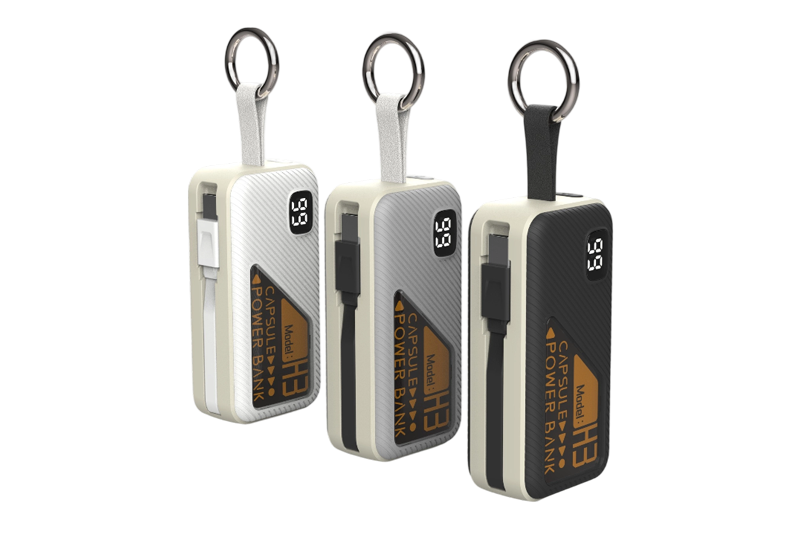 ESC-X023 20W Fast Charging Capsule Power Bank
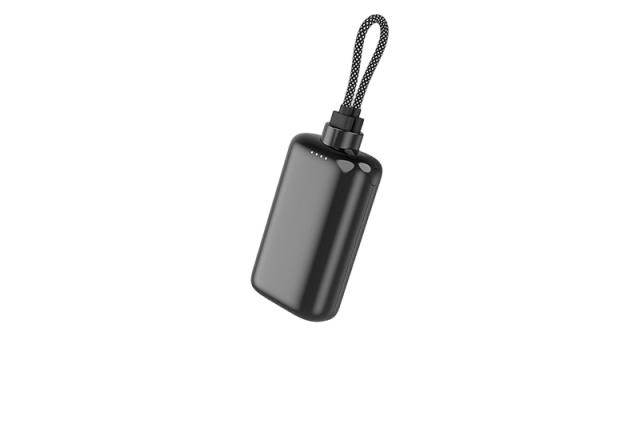 ESC-X024 22.5W 10,000mAh Fast Charging Power Bank
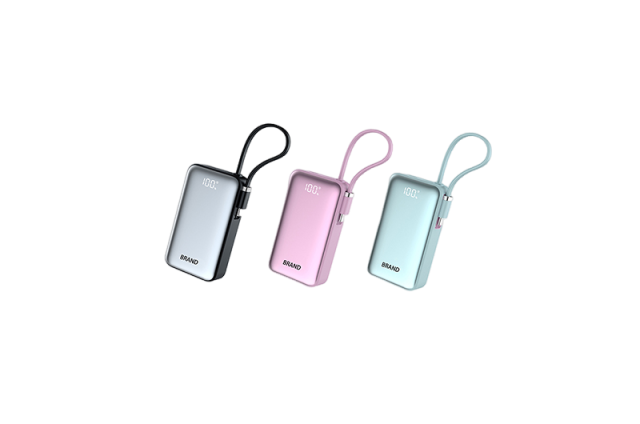 ESC-X025 22.5W Built-in Cable Portable Power Bank
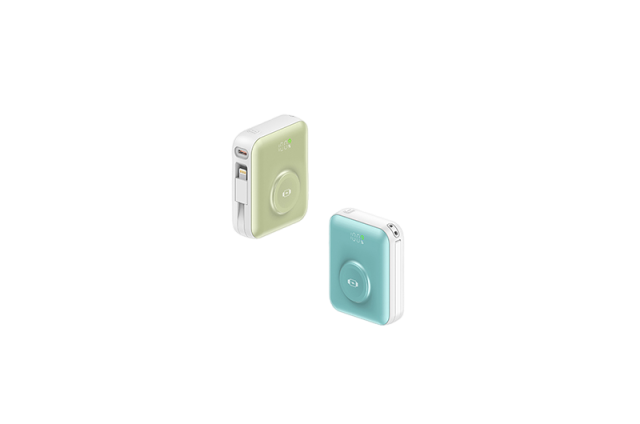 ESC-X026 22.5W 10000mAh Wireless Mini Size Power Bank
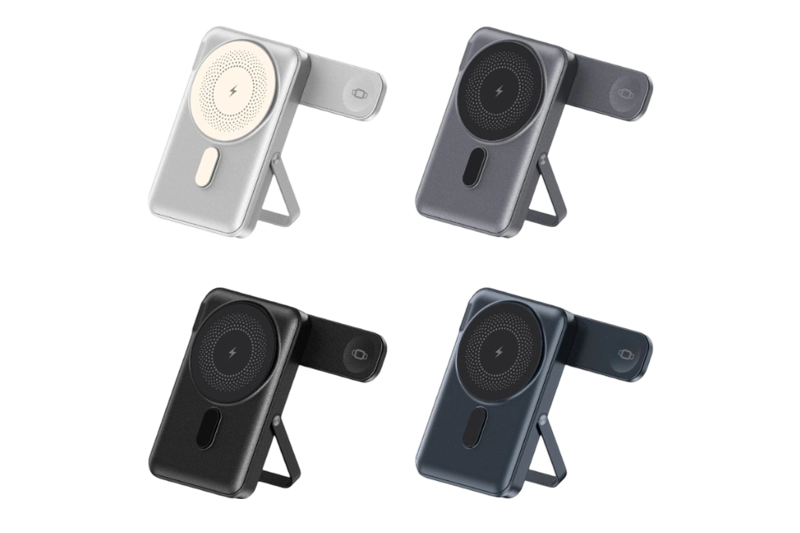 ESC-W018 3-in-1 MagSafe-Style Wireless Charging Stand
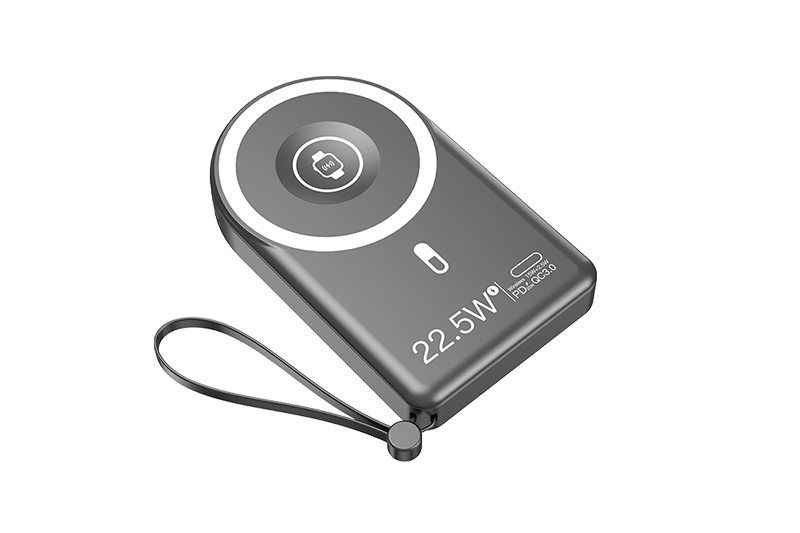 ESC-W017 5000mAh Wireless Ultimate All-in-One Power Solution for Samsung & iPhone Users
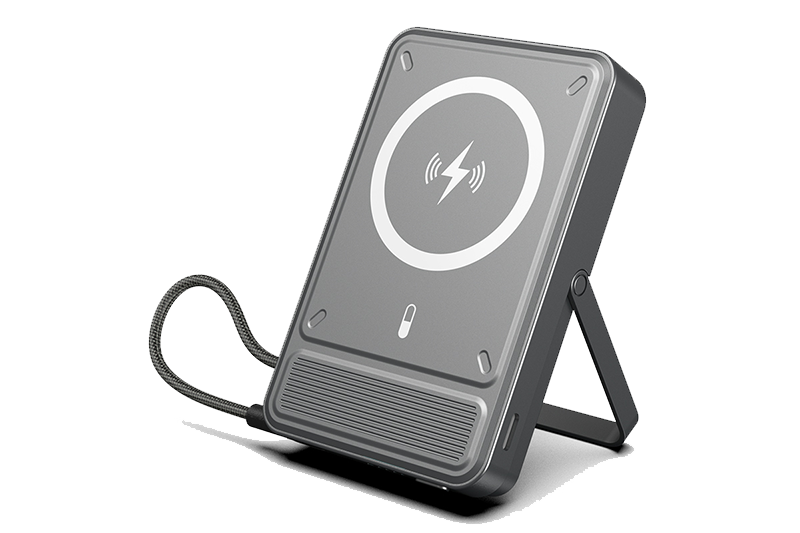 ECS-W016 45W Wireless Power Bank
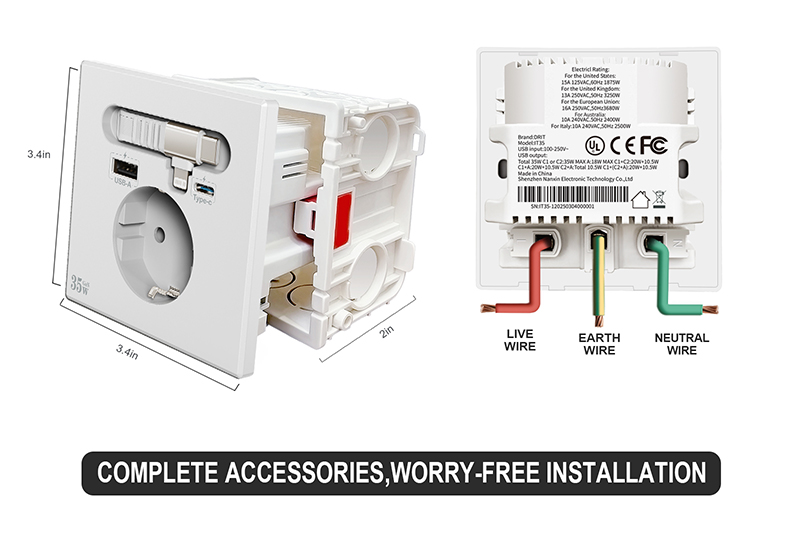 ESC-C019 Ultimate Universal 35W GaN Wall Socket
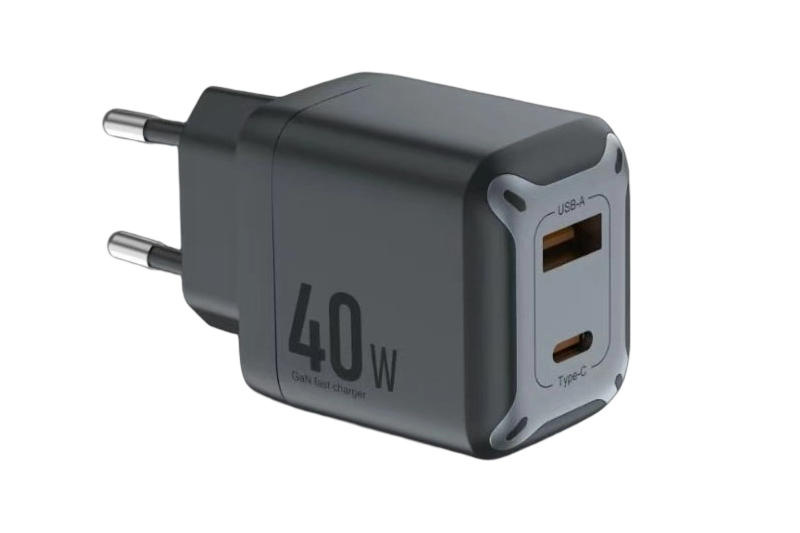 ESC-C018 Small Size 40W GaN Travel Charger
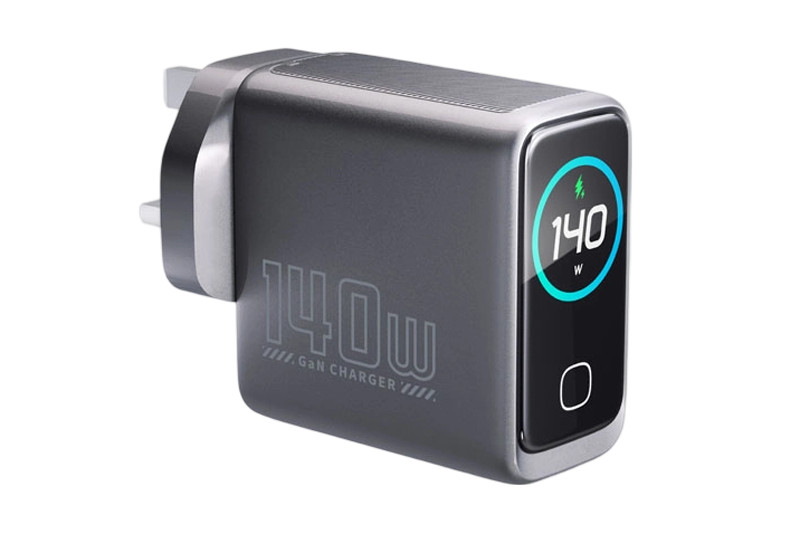 ESC-C017 140W HIGH Speed TFT Screen GaN Charger
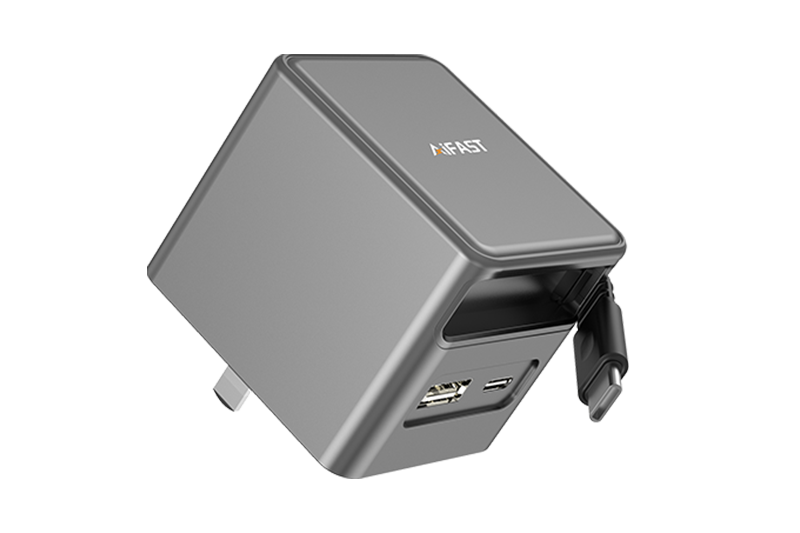 ESC-C016 65CM 65W HIGH Speed Retractable Cable GaN Charger


 Whatsapp
 Wechat


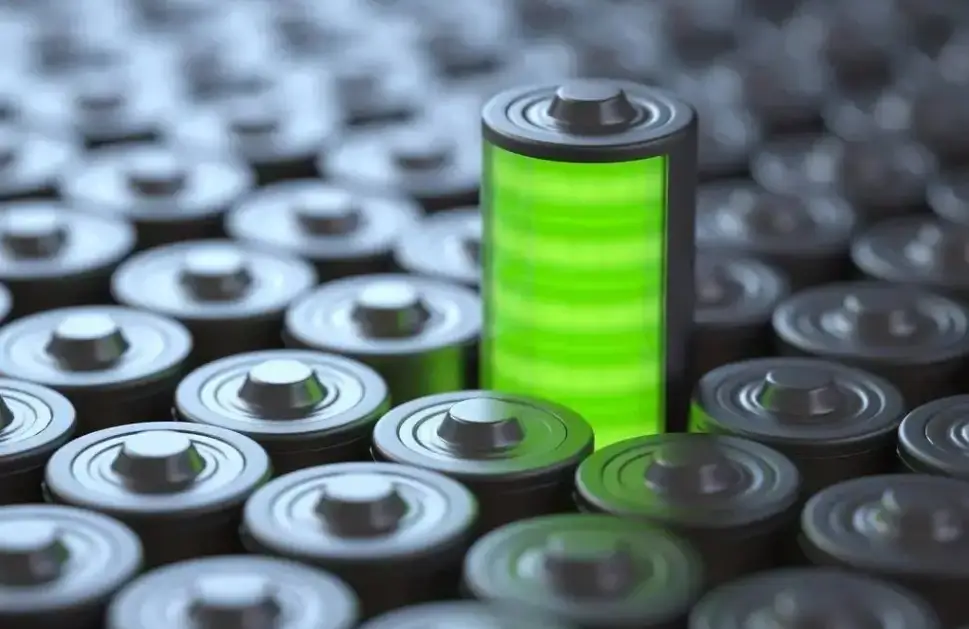
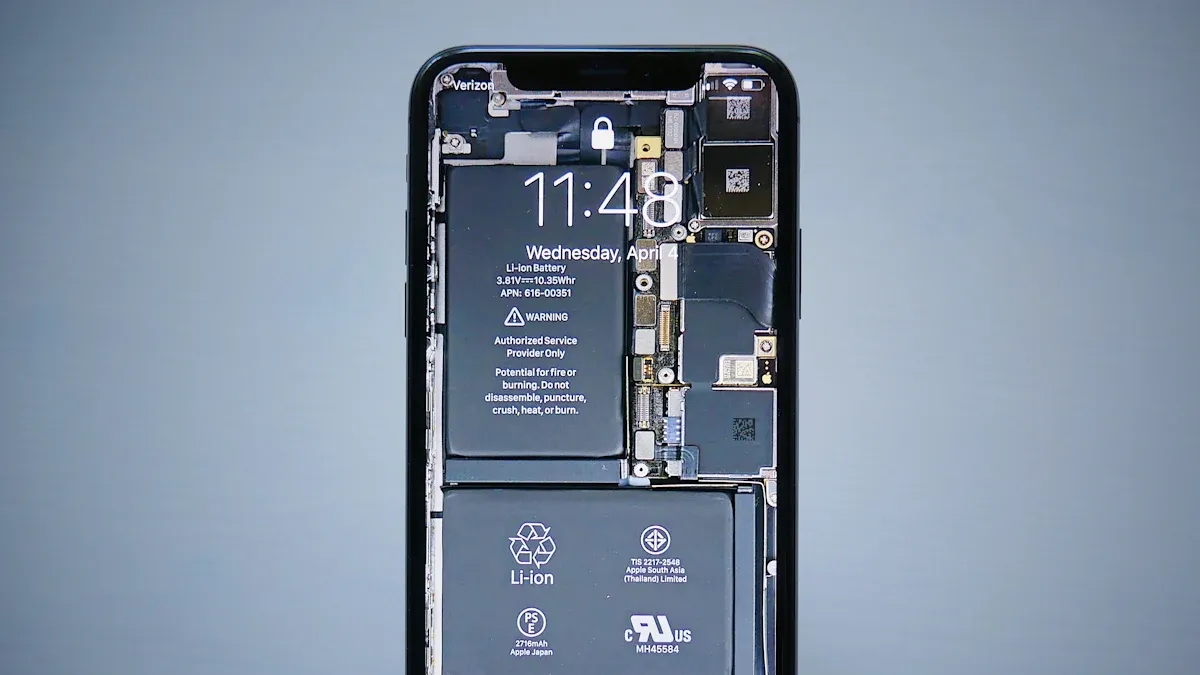

Can Power Banks Be Taken on a Plane?
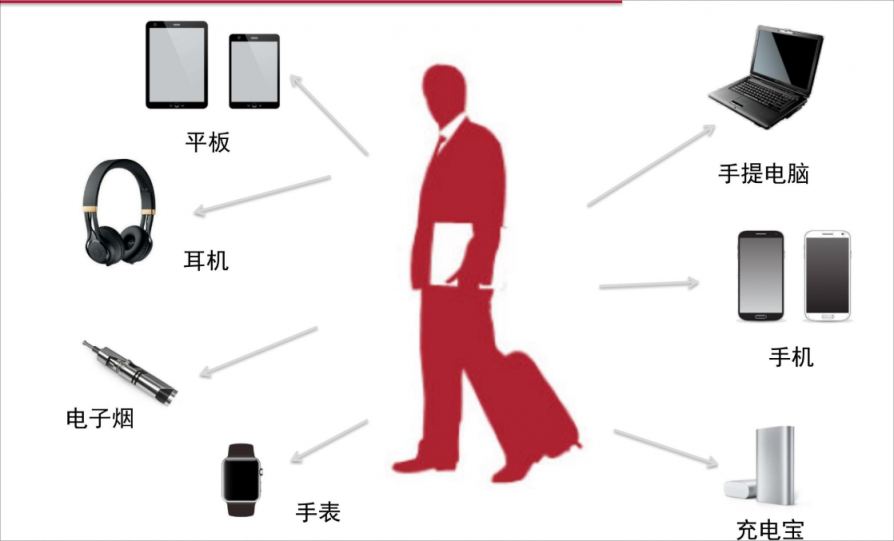
In today's digital age, power banks have become indispensable "power companions" for travelers. Whether for business trips, vacations, or daily commutes, we rely heavily on electronic devices like smartphones and tablets. Power banks provide a crucial lifeline when these devices run low on battery, ensuring our work and daily activities proceed smoothly. However, when traveling by air, many people find themselves confused about the regulations surrounding power bank usage.
I. Basic Regulations for Carrying Power Banks
(1) Energy Capacity Limits
The rated energy capacity (measured in watt-hours, Wh) of a power bank is the key factor determining whether it can be carried onboard and in what quantity.
- Under 100Wh: Power banks with a rated energy of 100Wh or lesscan be carried in hand luggage without airline approval. Most standard power banks with a capacity of 20,000mAh or below (assuming a nominal voltage of 3.7V or 3.8V) fall within this limit.
- Example: A 20,000mAh power bank at 3.7V has an energy rating of 3.7V × 20Ah = 74Wh, which is within the permitted range.
- 100Wh–160Wh: Power banks in this range require prior airline approval, and each passenger is limited to two such devices.
- Over 160Wh: These power banks are strictly prohibited** on flights due to safety risks, as they are classified as hazardous materials and pose potential fire or explosion hazards during air transport.
(2) Carrying Method
Power banks must be carried in hand luggage or on your person—never in checked baggage.
- Reason: The cargo hold of an airplane is subject to pressure changes, temperature fluctuations, and potential physical impacts. If a power bank is damaged, overheated, or short-circuited, it could lead to fire or explosion, with no immediate way to address the issue.
- Example: There have been incidents where checked power banks caught fire due to compression, damaging cargo.
(3) Labeling Requirements
Power banks must clearly display their:
- Rated energy (Wh)
- Voltage (V)
- Capacity (mAh)
If these details are missing, illegible, or unclear, security personnel may confiscate the power bank.
- Example: A passenger was denied boarding because their power bank’s label was worn out, making it impossible to verify compliance.
(4) Usage Restrictions
- In-flight use is strictly prohibited—power banks must remain turned off throughout the flight.
- Reason: Changes in cabin pressure and temperature can destabilize lithium batteries, increasing the risk of overheating or combustion.
- Example: A passenger once caused a smoke incident by using a power bank mid-flight, requiring emergency intervention.
II. Key Precautions When Carrying Power Banks
(1) Choose Reputable Brands
- Opt for certified, well-labeled power banks from trusted manufacturers.
- Avoid "no-name" products(those without manufacturer details, certifications, or safety labels), as they may use substandard batteries or lack proper circuit protection.
- Example: The **AiFAST power bank** uses premium Anker-grade cells and features **MPC intelligent temperature control + NTC thermal sensors**, reducing device damage risk by 96%.
(2) Check Airline Policies in Advance
- While most airlines follow ICAO and CAAC (Civil Aviation Administration of China) guidelines, some may impose **additional restrictions.
- Verify rules via the airline’s website, app, or customer service before traveling.
(3) Protect Your Power Bank
- Avoid physical damage, extreme temperatures, or contact with metal objects (e.g., keys, coins) to prevent short circuits.
- *Example*: A passenger’s power bank short-circuited after rubbing against keys in their bag, emitting smoke.
(4) Follow Security Procedures
- Remove power banks from your bag during security checks and place them separately in the tray for inspection.
- This speeds up the process and ensures compliance.
III. Conclusion
In summary, power banks are allowed on planes, but passengers must adhere to capacity limits, labeling rules, and usage restrictions. By choosing reliable products, checking airline policies, protecting your power bank, and cooperating with security checks, you can ensure a safe and hassle-free journey.
Let’s all prioritize flight safety and enjoy worry-free travels!
(Note: This translation adapts the original text for clarity and conciseness while preserving all key regulatory details.)