
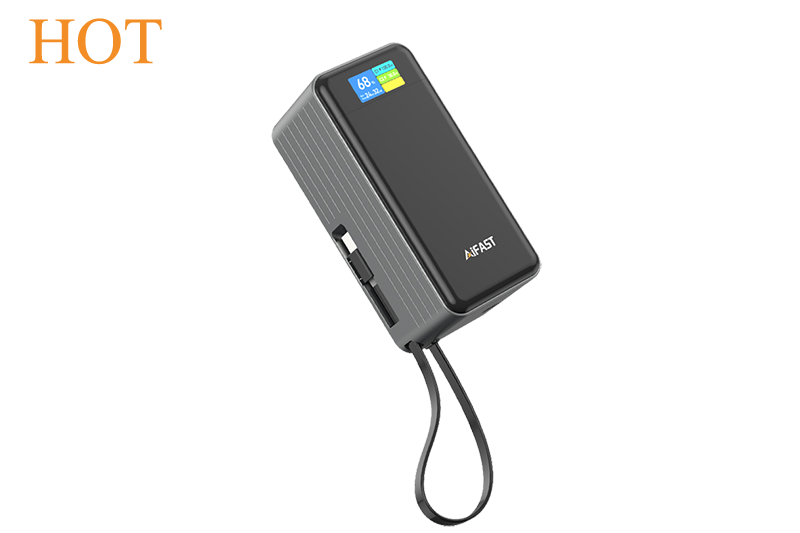
 ESC-X019 65W Fast charge power bank
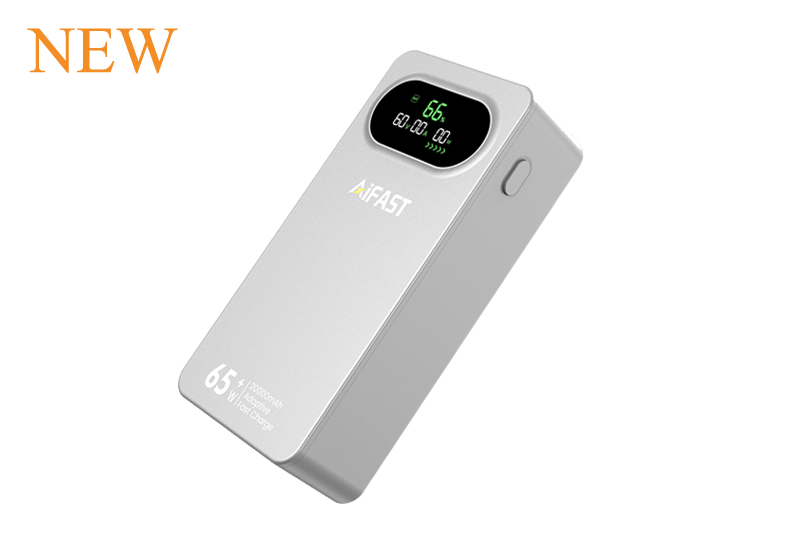 ESC-X018 65W Ultra-Fast 10000mAh Power Bank with TFT Display & Retractable Cable
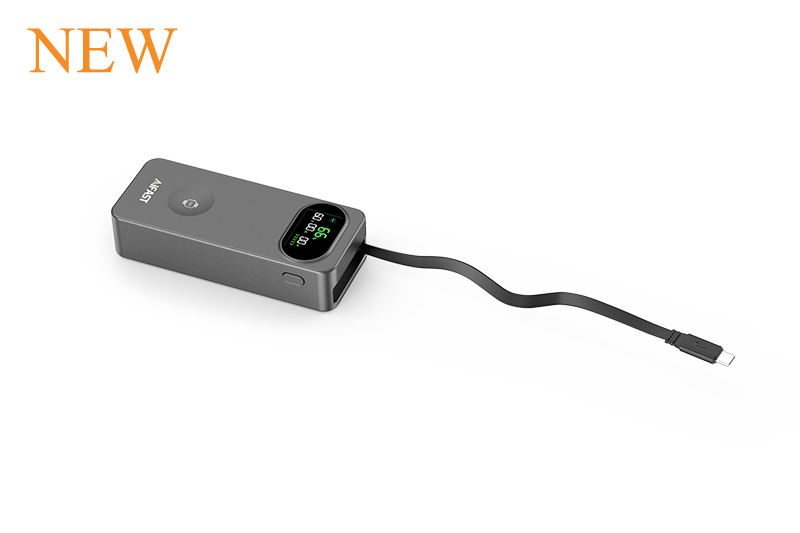 ESC-X017 65W Ultra-Fast 20000mAh Power Bank with TFT Display & Retractable Cable
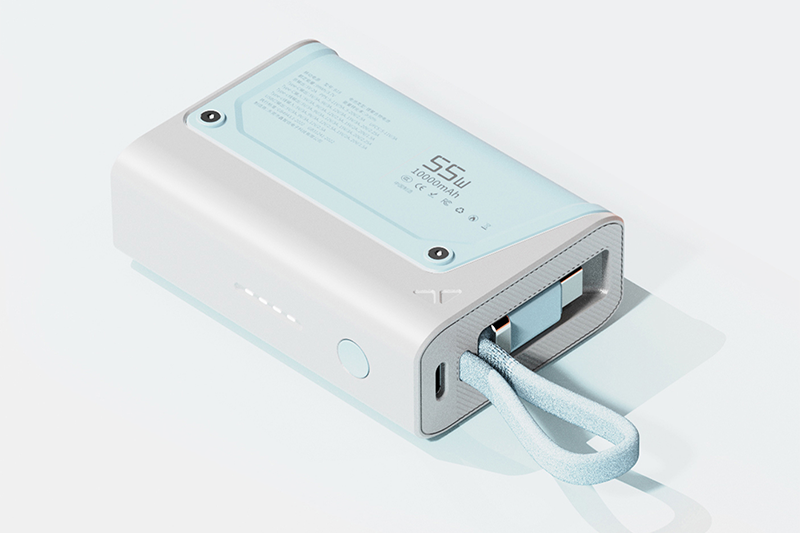 ESC-X020 10000mAh 55W Fast Charge Power Bank with cable built-in
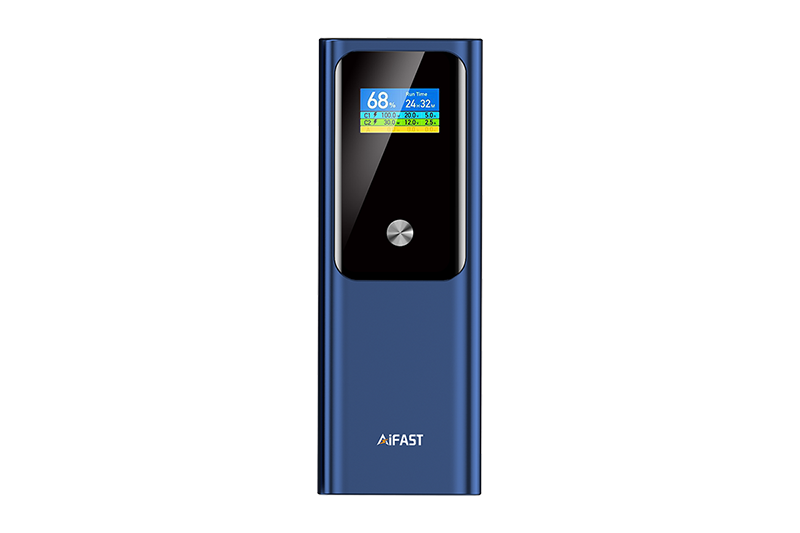 ESC-X016 120W 20000mAh Power Bank with Multi-Protocol TFT Display
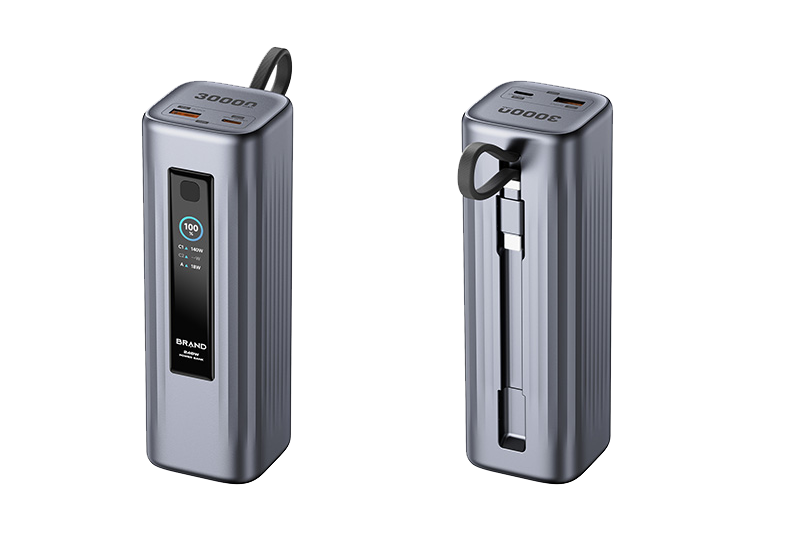 ECS-X022 145W 30,000mAh Power Bank with TFT Display & Retractable Cable
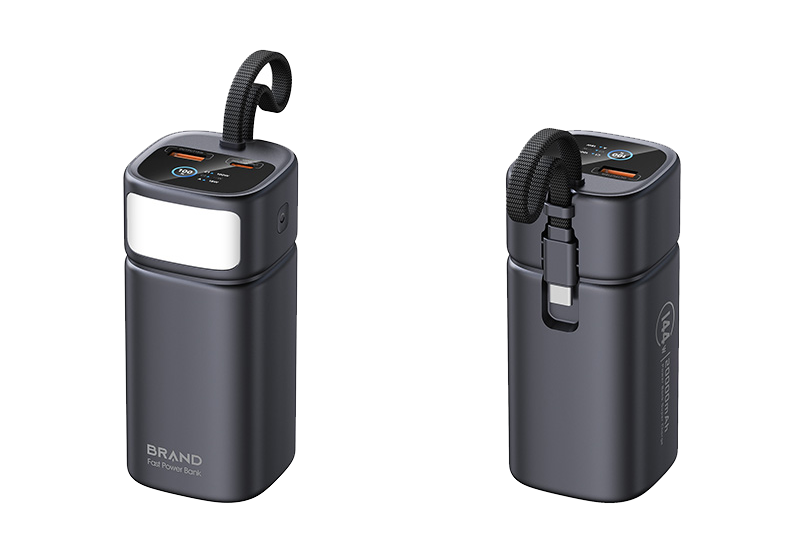 ECS-X021 100W 20,000mAh Power Bank with TFT Display & Retractable Cable
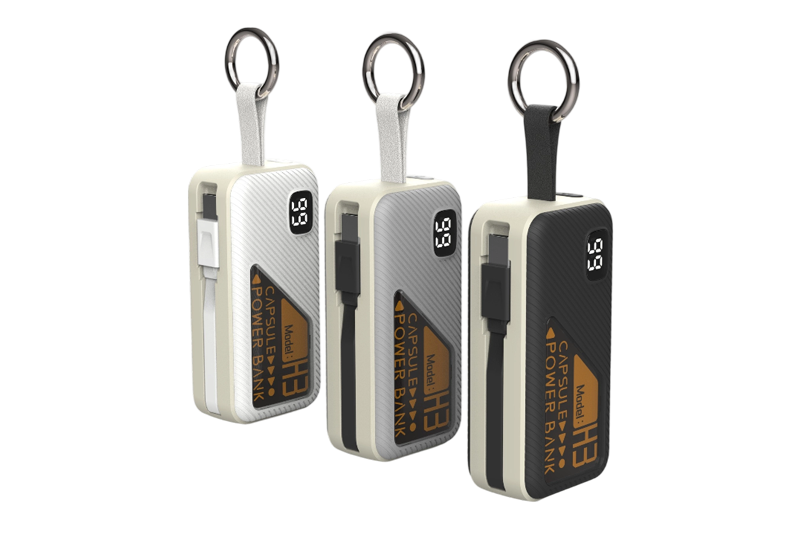 ESC-X023 20W Fast Charging Capsule Power Bank
 ESC-X024 22.5W 10,000mAh Fast Charging Power Bank
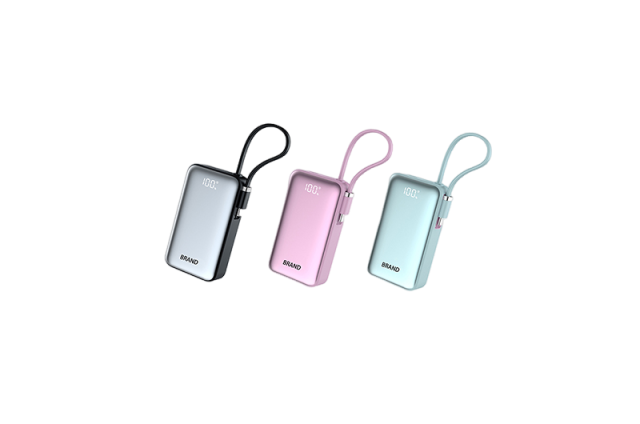 ESC-X025 22.5W Built-in Cable Portable Power Bank
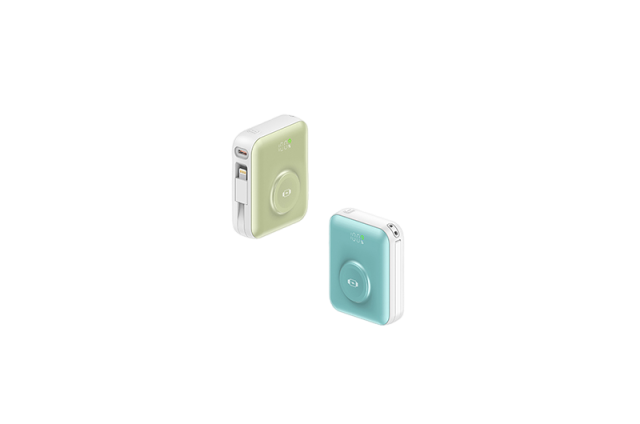 ESC-X026 22.5W 10000mAh Wireless Mini Size Power Bank
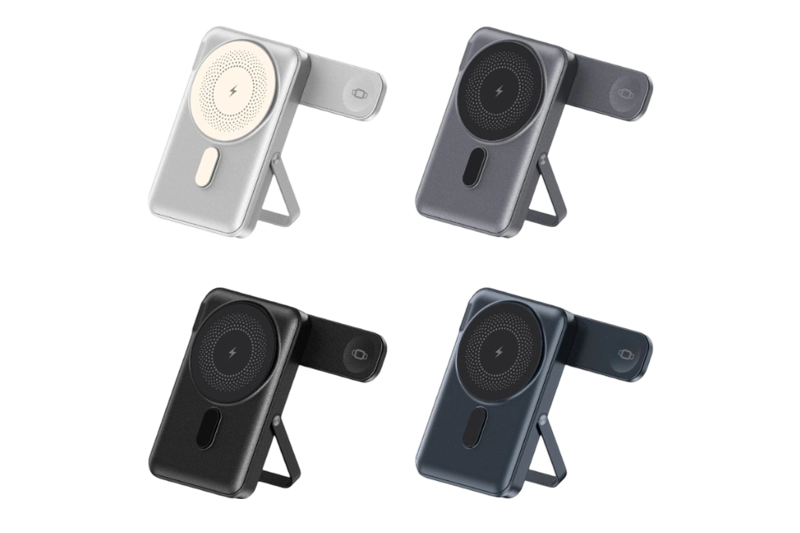 ESC-W018 3-in-1 MagSafe-Style Wireless Charging Stand
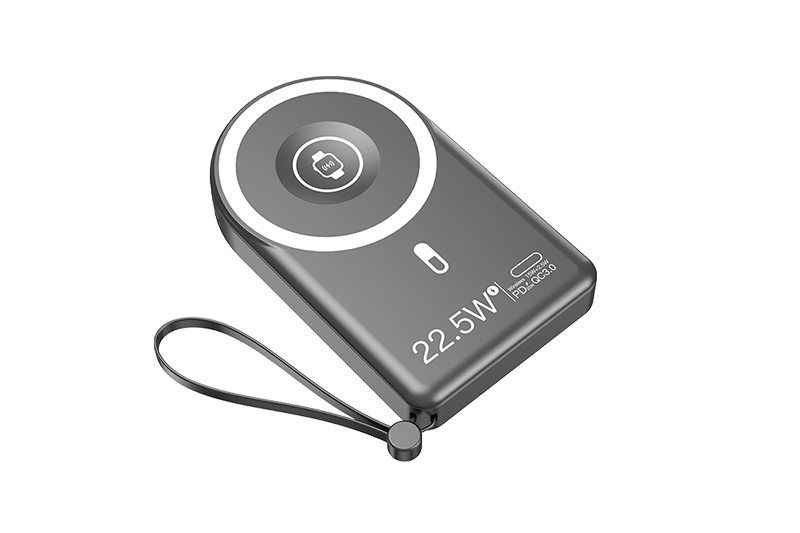 ESC-W017 5000mAh Wireless Ultimate All-in-One Power Solution for Samsung & iPhone Users
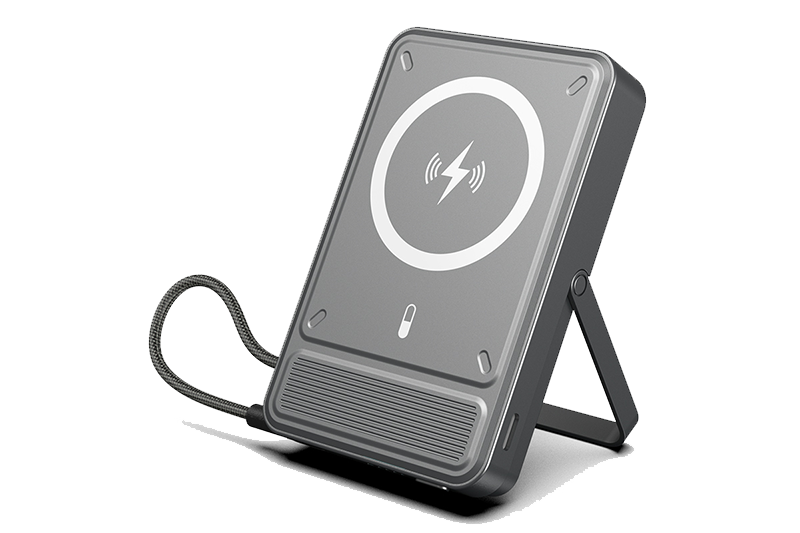 ECS-W016 45W Wireless Power Bank
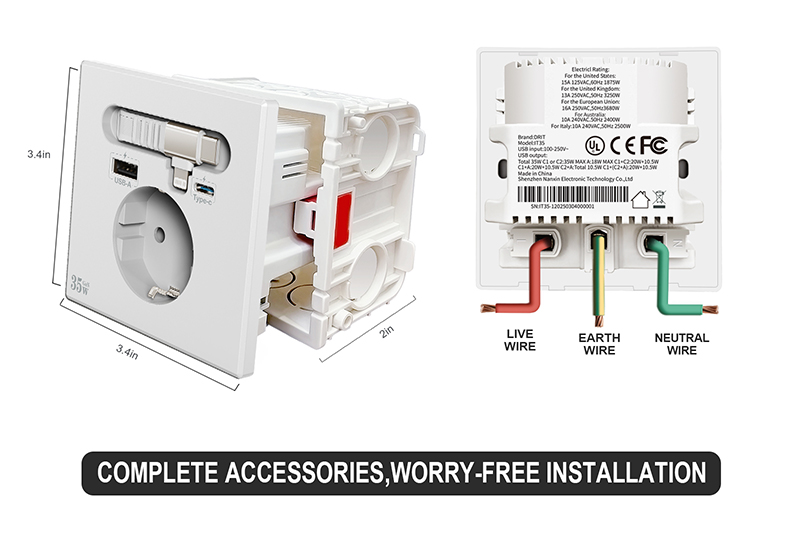 ESC-C019 Ultimate Universal 35W GaN Wall Socket
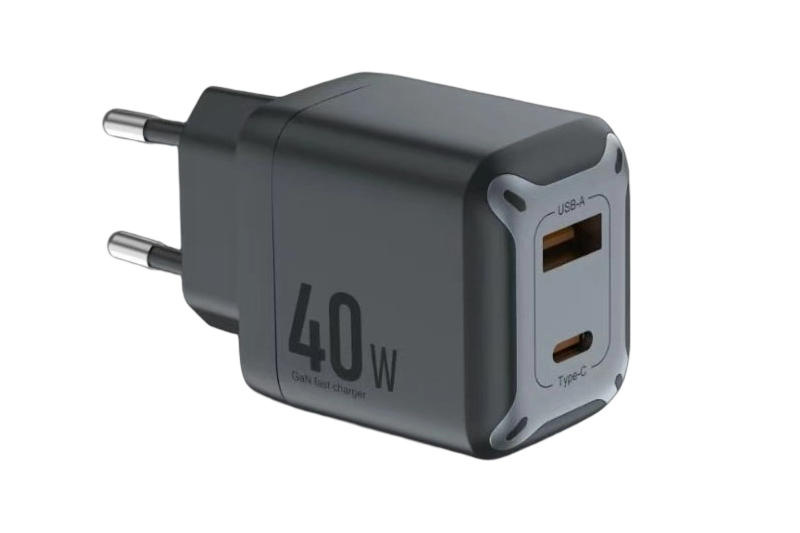 ESC-C018 Small Size 40W GaN Travel Charger
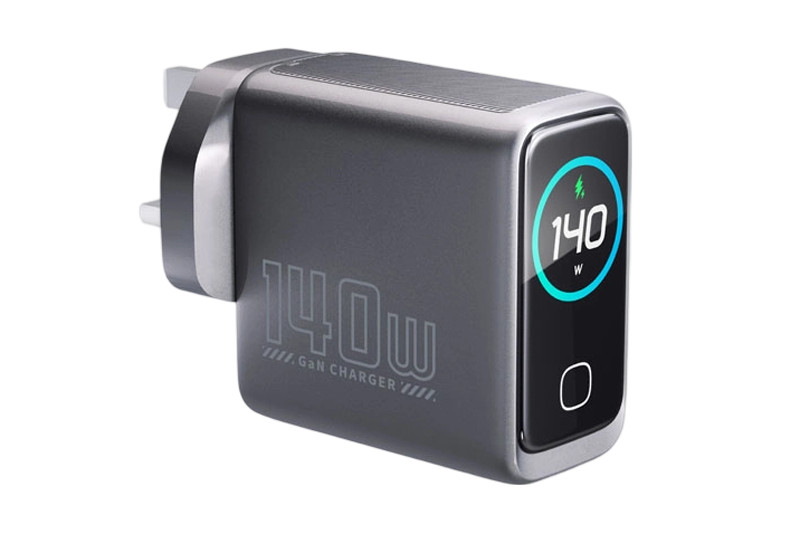 ESC-C017 140W HIGH Speed TFT Screen GaN Charger
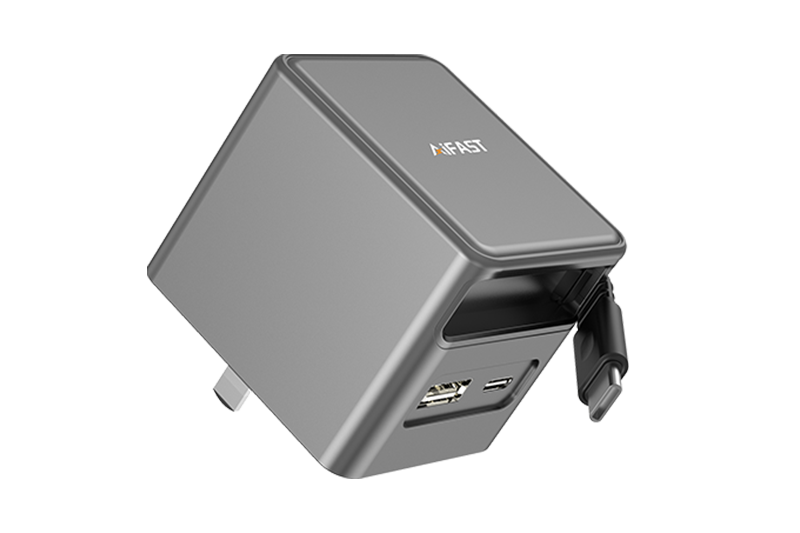 ESC-C016 65CM 65W HIGH Speed Retractable Cable GaN Charger


 Whatsapp
 Wechat

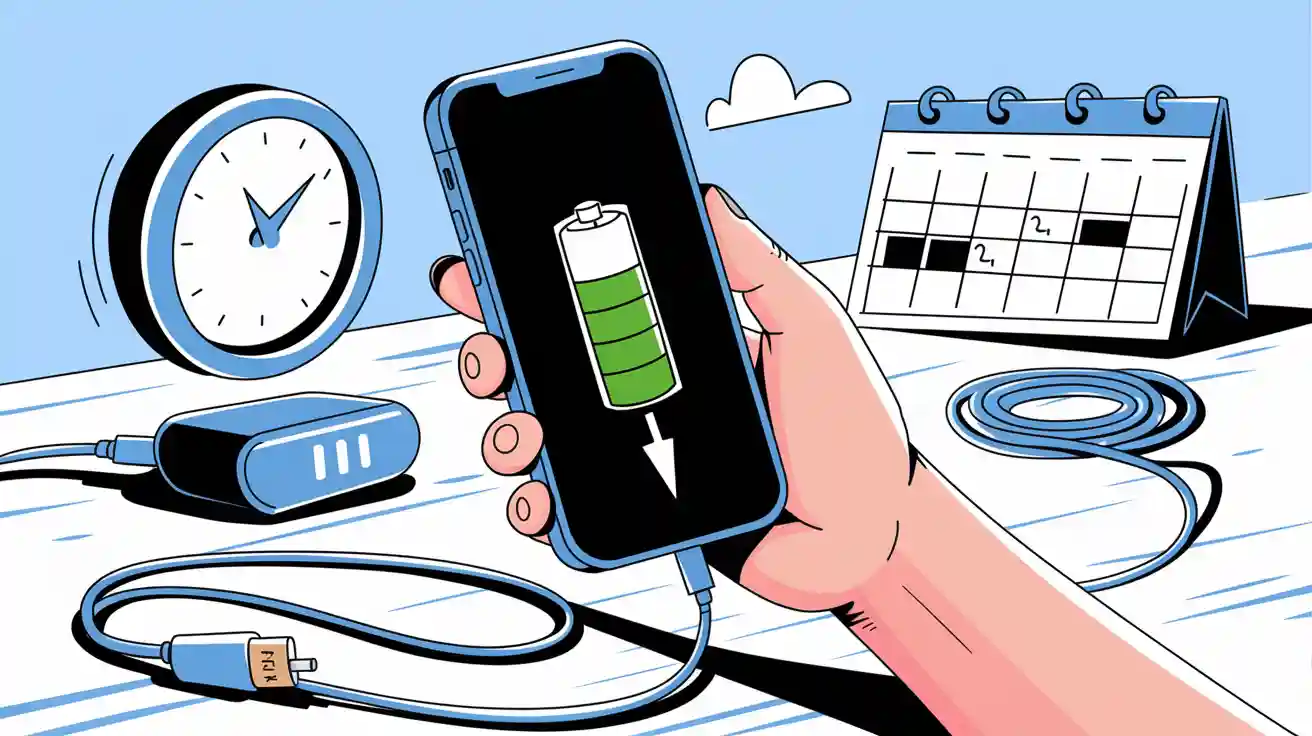

Common Power Bank Malfunctions and Troubleshooting Guide
The limited battery life of modern mobile devices is a common industry challenge. Consequently, power banks have become essential accessories for charging smartphones, tablets, and other digital devices on the go. During daily use, users may encounter various issues. This guide outlines the most frequent power bank faults and provides practical, professional solutions.
Q1: Why does the power bank get hot or overheat when charging a device?
Analysis:
-
Poor Heat Dissipation: Charging in environments that inhibit cooling (e.g., under a blanket, in a hot car).
-
Quality Defect: The power bank itself may have internal quality issues.
-
Prolonged Overcharging: Leaving the unit connected for excessive periods.
Countermeasures:
-
Environmental Control: Avoid usage in high-temperature environments.
-
Safety First: Immediately discontinue use of any excessively hot power bank.
-
Optimal Charging Practice: Avoid charging overnight or for extended durations; charge as needed (intermittent charging).
Q2: Charging Fails or Charging Speed is Slow
Analysis:
-
Cable/Port Damage: Faulty charging cables, damaged ports, or internal circuit failure within the power bank.
-
Battery Degradation: Performance decline due to overcharging or natural wear and tear.
-
End of Life: The power bank has reached its expected operational lifespan.
Countermeasures:
-
Accessory Inspection: Inspect the charging cable and ports for any damage or loose connections.
-
Certified Accessories: Use the original or a certified, high-quality cable and adapter.
-
Replacement Policy: Promptly replace power banks that show signs of significant aging or damage.
Q3: Power Bank Indicator Shows Power, but Cannot Charge Device
Analysis & Solutions:
-
1. Faulty Charging Cable: The initial point of failure is often the cable connection. Low-cost power banks may include substandard cables.
-
Action: Test with an alternative, high-quality cable to confirm if the cable is the root cause.
-
-
2. Power Bank Output Fault: If a cable swap does not resolve the issue, the power bank's output circuit is likely defective.
-
Action: Do not attempt self-repair. We strongly advise contacting the vendor for professional after-sales support and warranty service.
-
Q4: Power Bank Drains Battery Rapidly
Analysis:
-
1. Cell Capacity Degradation: This is normal for older power banks. Frequent charge/discharge cycles naturally reduce the capacity of the internal battery cells.
-
2. Substandard Product: If a newly purchased power bank exhibits rapid depletion, it is highly likely a result of poor manufacturing quality.
-
3. Capacity Mislabeling or Inferior Cells: If a high-capacity power bank (e.g., 10,000mAh) can only charge a device (e.g., 3,000mAh) once, this indicates either a falsely advertised capacity or the use of low-grade internal cells.
-
4. Fast Charging Usage: Using a fast-charging output port will consume the power bank's energy faster. This is normal, as the increased power delivery lowers the energy conversion efficiency, leading to faster perceived depletion.
Q5: Power Bank Takes an Excessive Amount of Time to Charge
Analysis: The time required to fully charge a power bank is determined by three key factors:
-
Power Bank Capacity (mAh): Higher capacity requires more time.
-
Supported Input Specifications (Voltage/Current): The maximum input rate the power bank can accept.
-
Charger Adapter Output (Voltage/Current): The power output supplied by the wall adapter.
For example, a 20,000mAh power bank may legitimately require over ten hours to fully charge. If the power bank supports a faster input (e.g., 5V/2.1A), using an adapter that matches or exceeds this higher-current output is recommended to optimize charging time.
Q6: Inaccurate Power Level Indicator
Analysis: Power banks primarily use two indicator systems: multiple LED lights or a digital screen.
-
Design Limitation: Slight inaccuracies may be due to the power bank's inherent indicator design or insufficient precision.
-
Severe Fault/Low Quality: A significant discrepancy in the displayed charge level suggests a major internal fault or poor manufacturing quality.
Conclusion and Quality Assurance
A power bank's performance is not limited to its three basic states (self-charging, discharging, or idle). The complexity of daily usage scenarios necessitates a robust internal protection system. This is why we consistently advocate for the selection of high-quality, reputable power banks—it is critical for ensuring both optimal performance and user safety.