
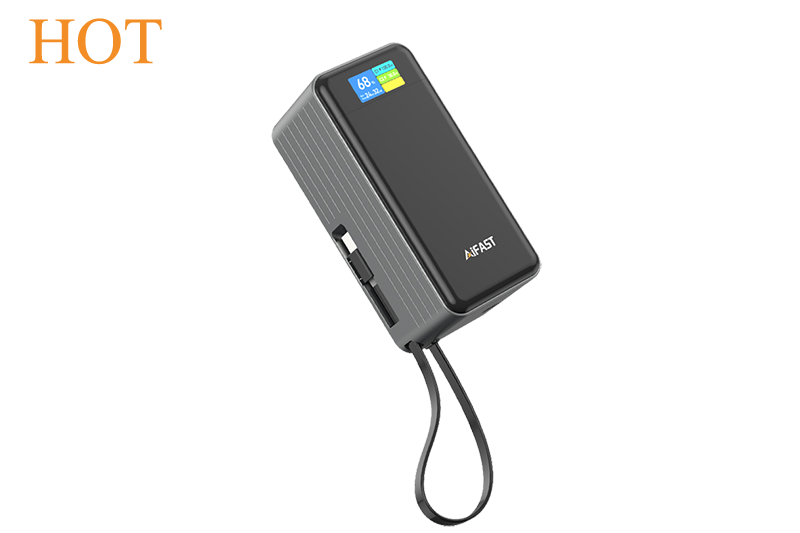
 ESC-X019 65W Fast charge power bank
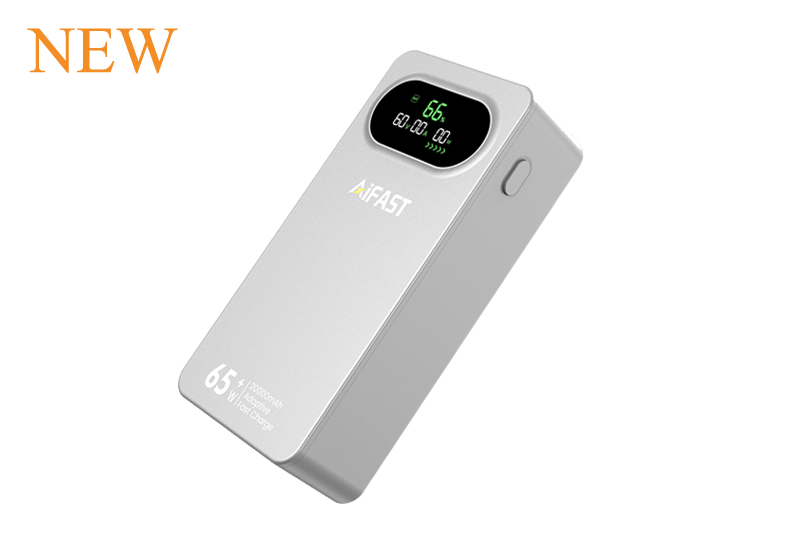 ESC-X018 65W Ultra-Fast 10000mAh Power Bank with TFT Display & Retractable Cable
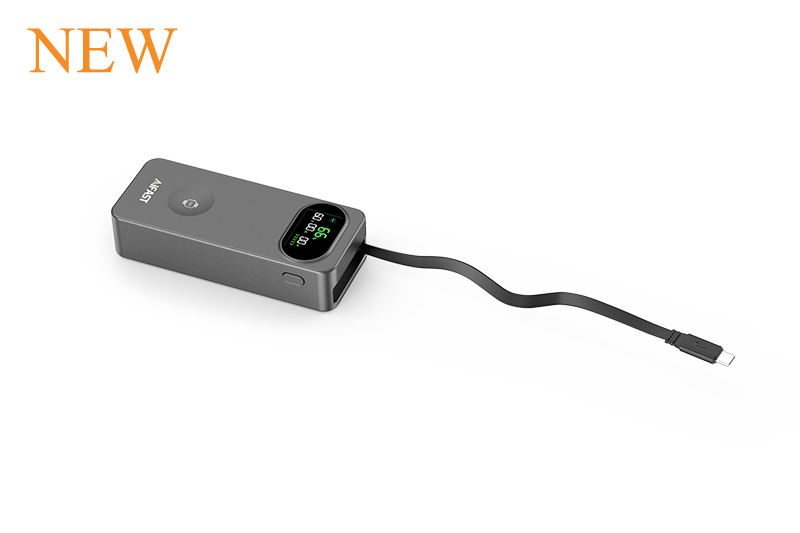 ESC-X017 65W Ultra-Fast 20000mAh Power Bank with TFT Display & Retractable Cable
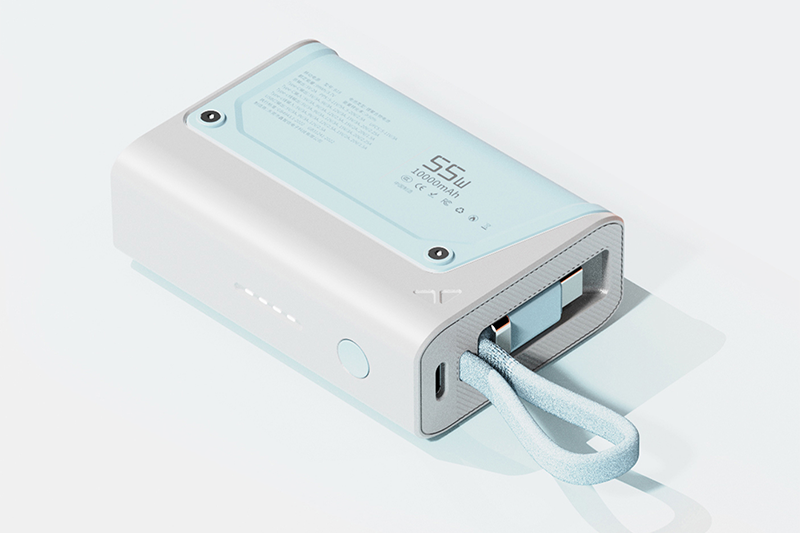 ESC-X020 10000mAh 55W Fast Charge Power Bank with cable built-in
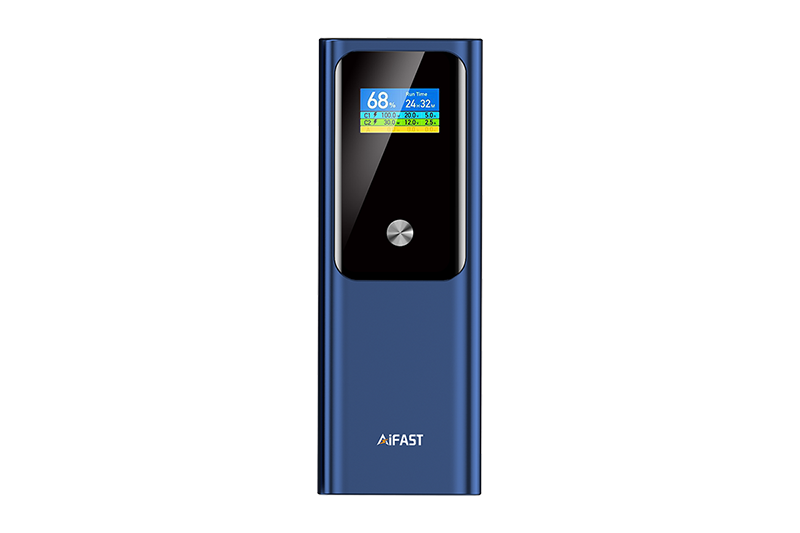 ESC-X016 120W 20000mAh Power Bank with Multi-Protocol TFT Display
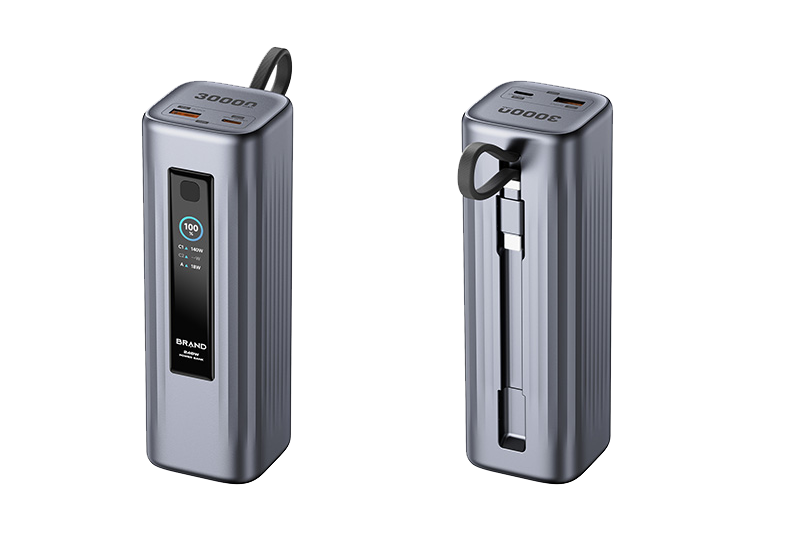 ECS-X022 145W 30,000mAh Power Bank with TFT Display & Retractable Cable
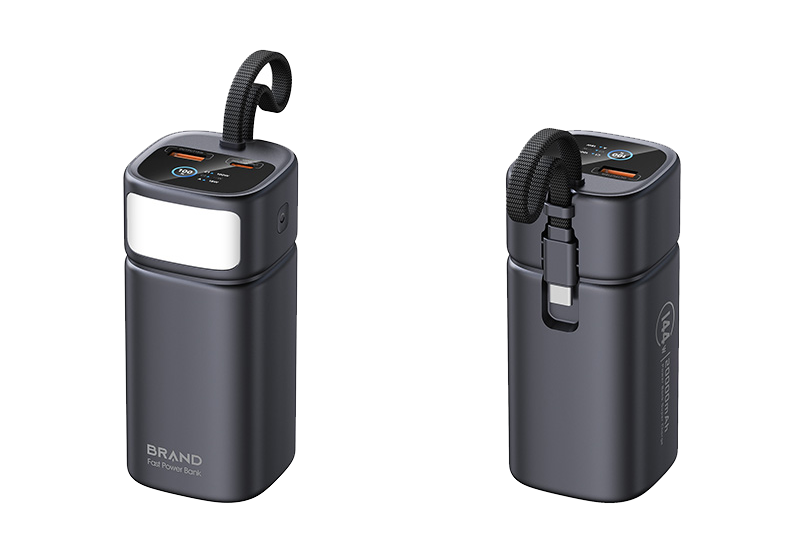 ECS-X021 100W 20,000mAh Power Bank with TFT Display & Retractable Cable
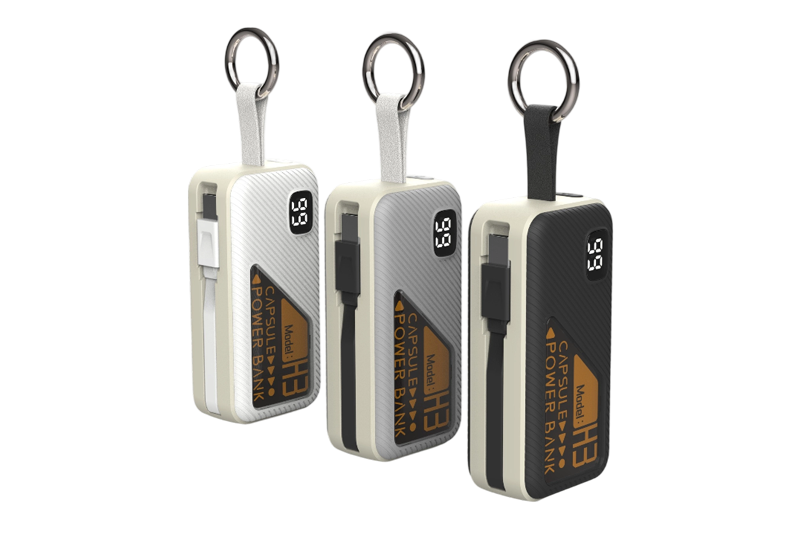 ESC-X023 20W Fast Charging Capsule Power Bank
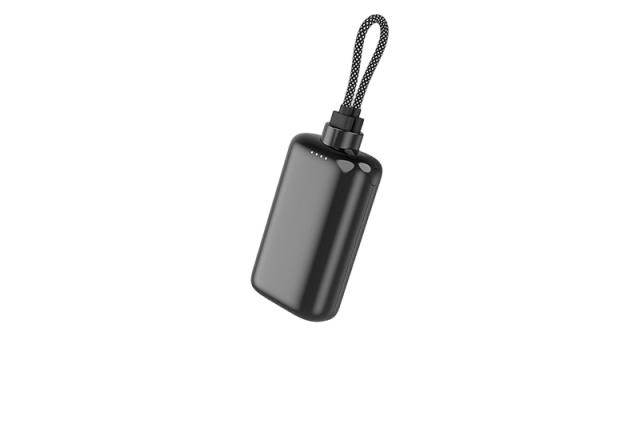 ESC-X024 22.5W 10,000mAh Fast Charging Power Bank
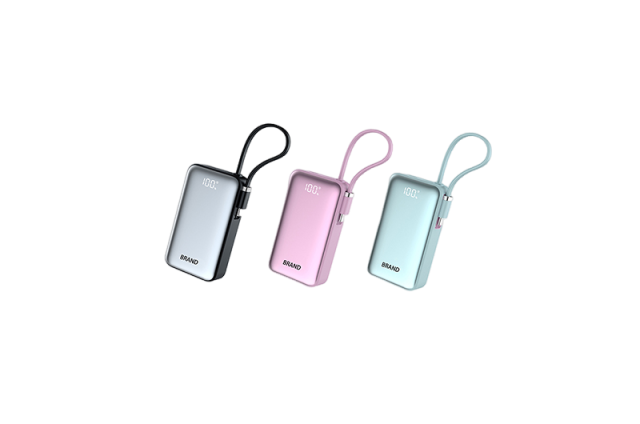 ESC-X025 22.5W Built-in Cable Portable Power Bank
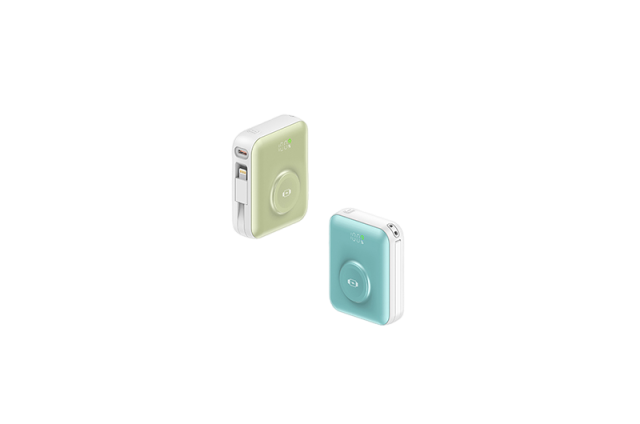 ESC-X026 22.5W 10000mAh Wireless Mini Size Power Bank
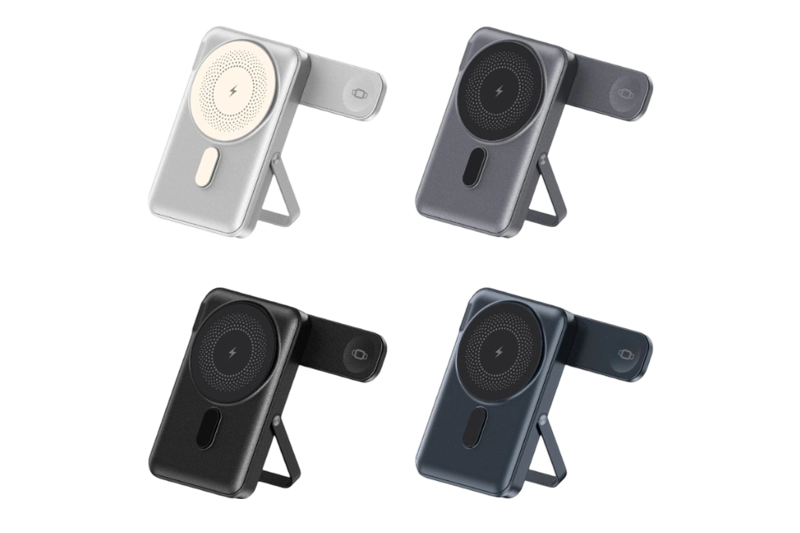 ESC-W018 3-in-1 MagSafe-Style Wireless Charging Stand
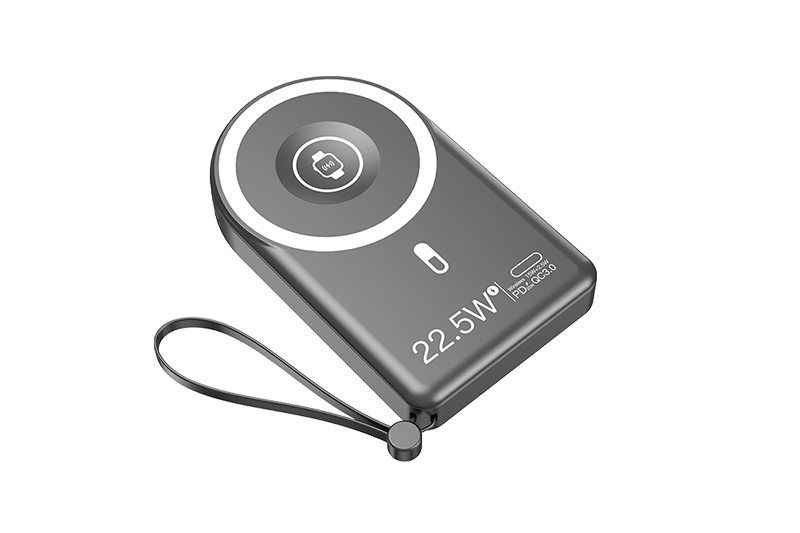 ESC-W017 5000mAh Wireless Ultimate All-in-One Power Solution for Samsung & iPhone Users
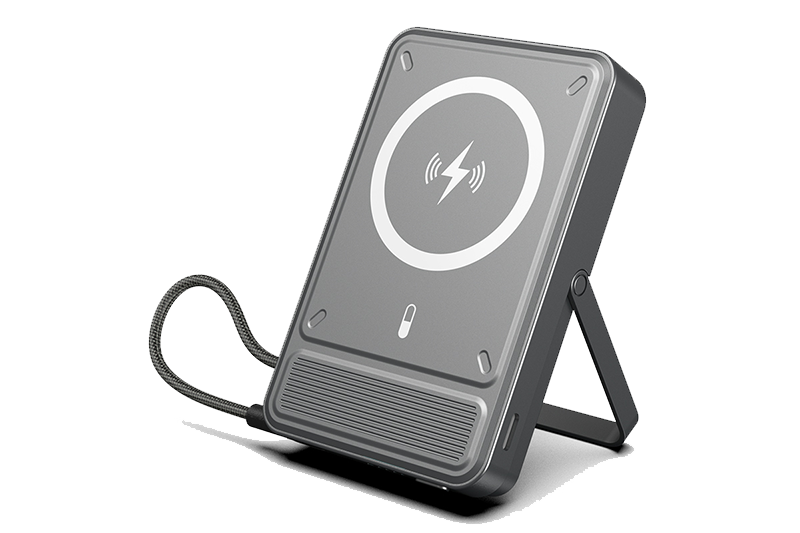 ECS-W016 45W Wireless Power Bank
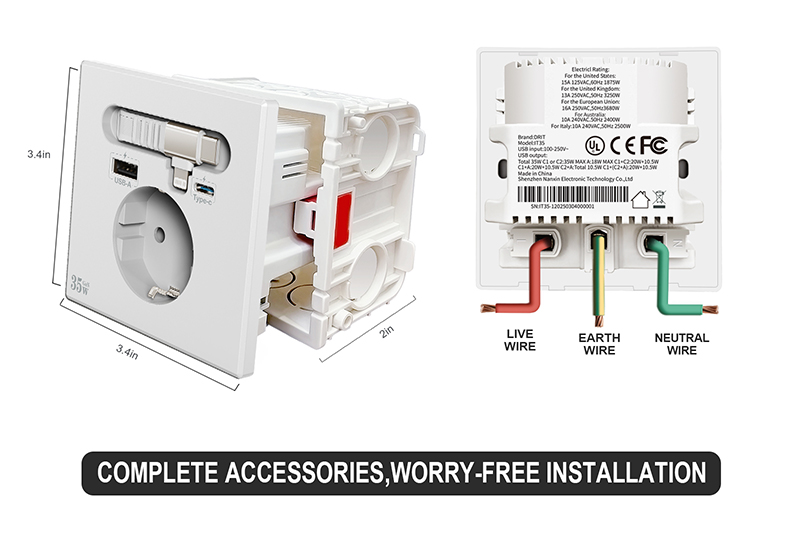 ESC-C019 Ultimate Universal 35W GaN Wall Socket
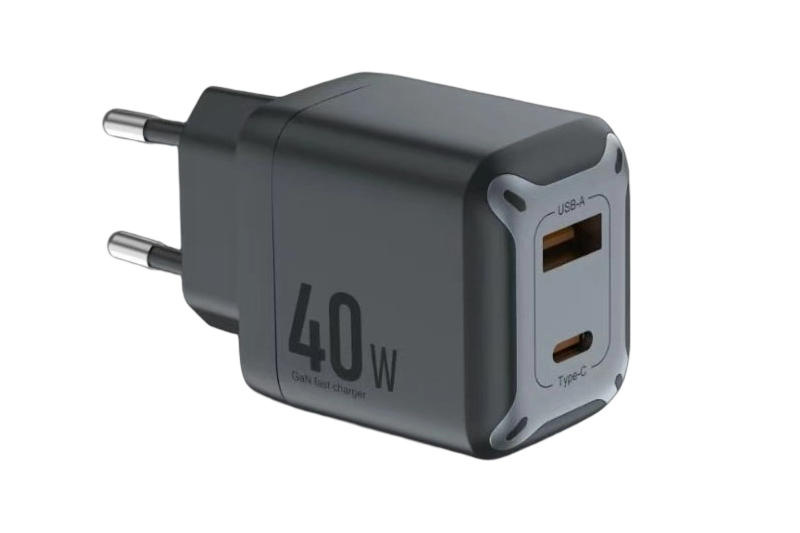 ESC-C018 Small Size 40W GaN Travel Charger
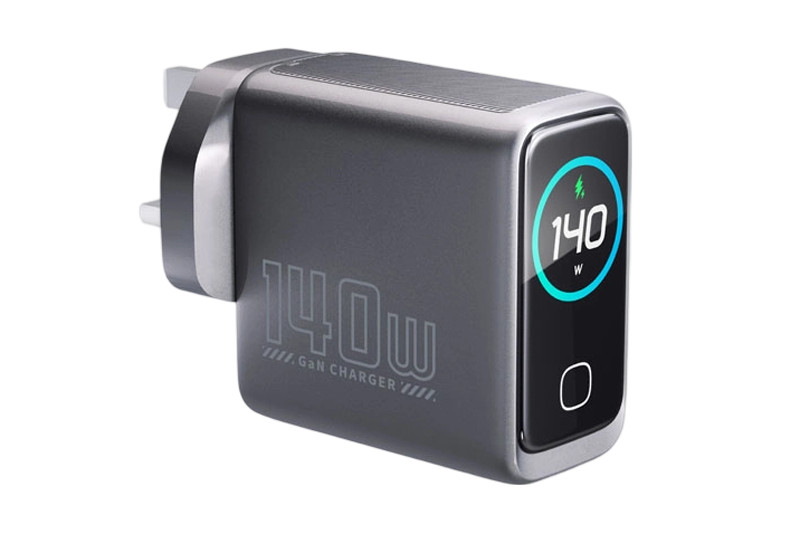 ESC-C017 140W HIGH Speed TFT Screen GaN Charger
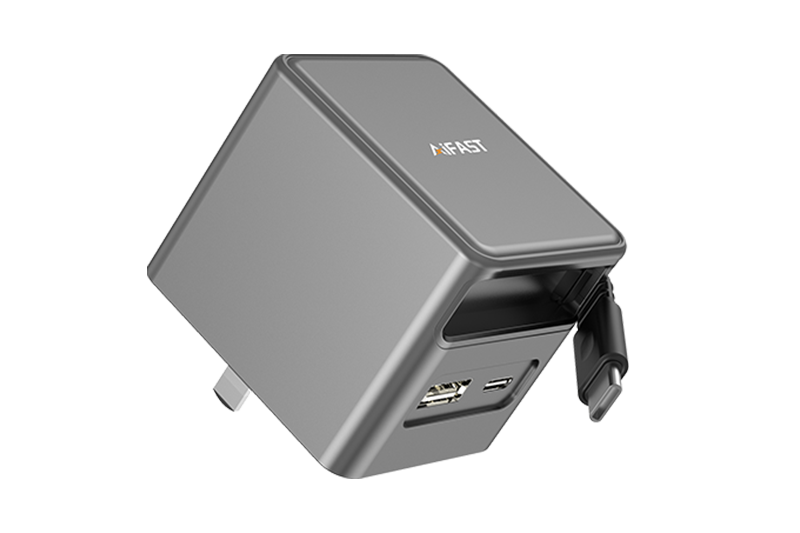 ESC-C016 65CM 65W HIGH Speed Retractable Cable GaN Charger


 Whatsapp
 Wechat


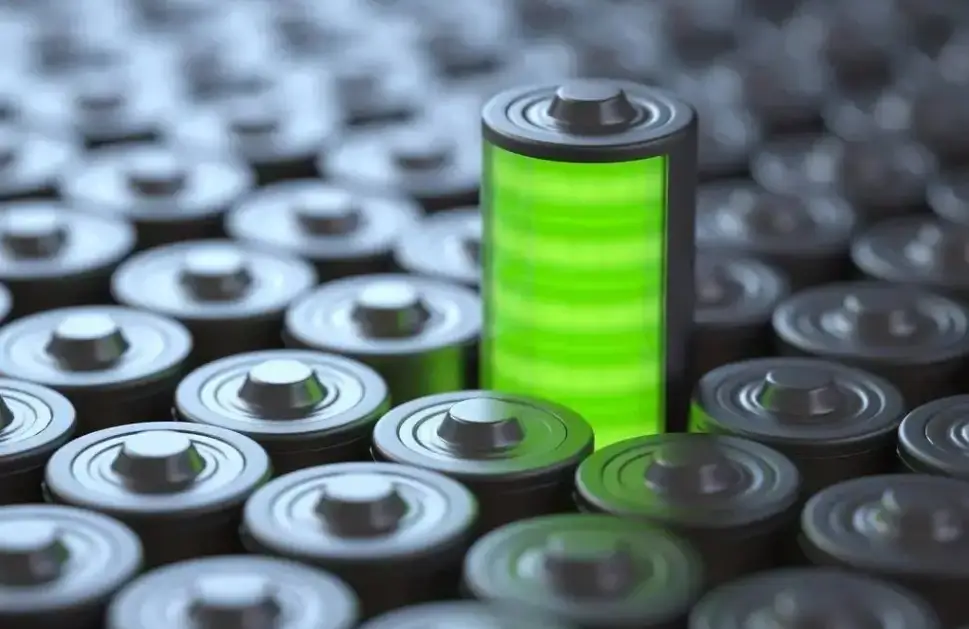
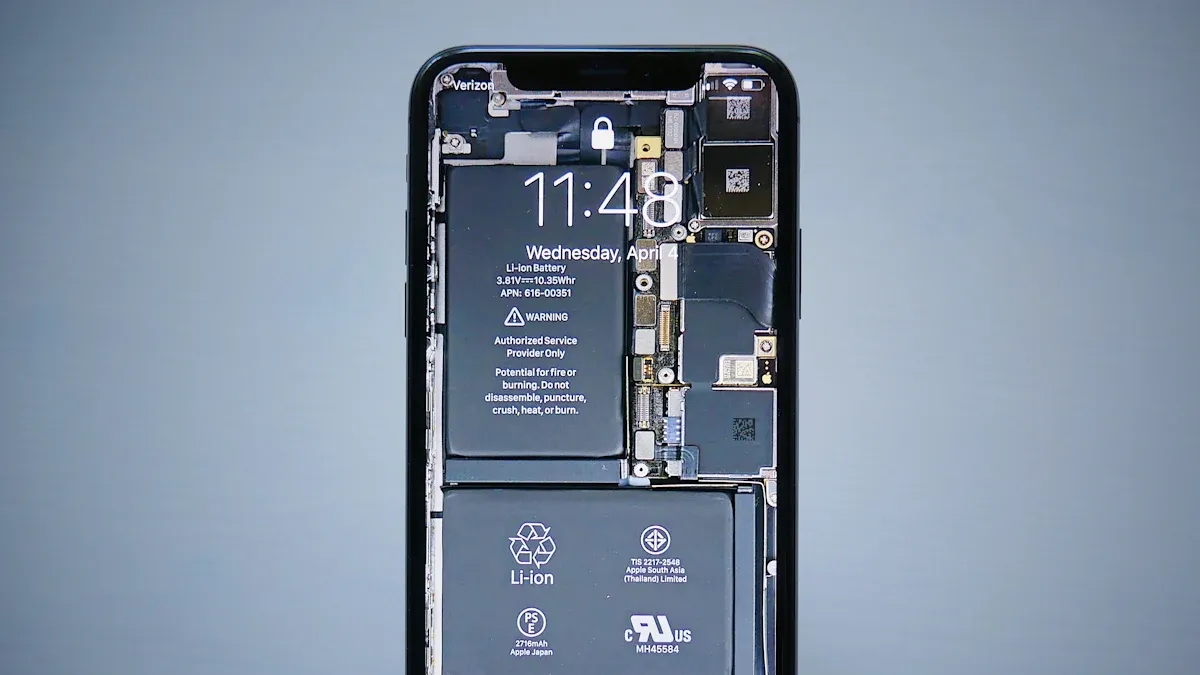


Global Lithium Battery Certification & Export Requirements (2025 Edition)
As a high-energy density energy storage product, lithium batteries are classified as Dangerous Goods (UN3480/UN3481) due to the potential risk of overheating, fire, or even explosion. Therefore, before being exported or entering various national markets, they must pass corresponding mandatory safety certifications and transport tests to ensure compliance with destination regulations and standards.
This guide provides an overview of the essential lithium battery certifications worldwide, categorized by application (General/Consumer/Power/Energy Storage) and market region.
I. Essential Lithium Battery Certifications
To be legally exported or sold across different markets, lithium batteries—as high-risk, dangerous goods—must meet mandatory certification requirements in each country/region. The following is the latest 2025 summary for battery companies seeking export and compliance guidance.
1. International General Certifications & Tests (Mandatory for Transport & Import)
| Certification/Standard | Scope of Application | Description |
| UN 38.3 | All Lithium Batteries | UN Transport Test, mandatory for export via air, sea, and land. |
| MSDS & Transport Identification Report | All Lithium Batteries | Required for declaring dangerous goods transport category, outlining battery composition and hazard level. |
| IEC 62133-2 | Batteries for Small Consumer Devices | International Electrotechnical Commission (IEC) safety standard, widely adopted globally. |
| CB Certification | IEC Electrical Scheme | Can serve as a basis for certifications in multiple countries, reducing redundant testing. |
| T1–T8 Transport Test Report (UN38.3 Annex) | Export Transport | Includes vibration, shock, temperature, external short circuit, overcharge, and compression tests. |
2. Main Certifications by Battery Application
Consumer Electronics (e.g., Phones, Laptops, Power Tools, Drones)
| Certification | Applicable Region | Key Features |
| IEC 62133-2 | Global (Most Countries) | Commonly used for mobile phone, laptop, and drone batteries. |
| UL 2054 / UL 1642 | United States (U.S.) | Safety standards for battery systems / single cells. |
| PSE Certification | Japan | Mandatory for lithium batteries categorized as specific electrical appliances. |
| KC Certification | South Korea | Mandatory national safety certification. |
| BIS (IS 16046) | India | Requires registration in India and display of the ISI mark. |
| RCM | Australia / New Zealand | Includes both electromagnetic compatibility (EMC) and battery safety requirements. |
| EAC | Russia / Eurasian Economic Union | Unified certification system, covering battery safety and EMC. |
Power Lithium Batteries (EVs, Scooters, E-bikes)
| Certification | Country/Region | Description |
| UN 38.3 | Global | Fundamental requirement for export and transport. |
| UL 2580 | United States (U.S.) | Safety standard for EV/HEV power battery packs. |
| ISO 12405 / ISO 6469 | Europe | Standards for electric vehicle battery performance and safety. |
| ECE R100 | European Union (EU) | Mandatory certification for vehicle lithium battery systems. |
| AIS 156 / AIS 038 Rev2 | India | Safety tests for electric two/three-wheelers. |
| GB/T 31467 / GB 38031 | China | Standards for EV battery safety and consistency. |
Energy Storage Lithium Batteries (Home Storage, Commercial Storage, Portable Power)
| Certification | Country/Region | Description |
| IEC 62619 | International | Safety standard for industrial energy storage batteries, widely adopted. |
| UL 1973 / UL 9540A | United States (U.S.) | Standards for energy storage systems and thermal runaway propagation testing. |
| NFPA 855 / UL 9540 | United States (U.S.) | Fire safety standards for energy storage systems. |
| JIS C8715-2 | Japan | Standard for residential energy storage battery systems. |
| CEI 0-21 / CEI 0-16 | Italy | Certification related to grid-connection for photovoltaic energy storage systems. |
| CQC / CGC Mark | China | Primarily for domestic commercial and residential energy storage products. |
Special Compliance Reminders
-
China (2024 Onwards): Power banks without a CCC Mark are prohibited on domestic Chinese flights.
-
EU (August 2024 Onwards): All batteries must carry the 'WEEE Wheelie Bin' label and indicate if heavy metal limits are exceeded.
-
EU (2025 Onwards): Batteries must provide data on State of Health (SoH) and life expectancy parameters.
II. Mandatory Certifications for Exporting Lithium Batteries to the EU
With the EU Battery Regulation (EU) 2023/1542 entering full effect on August 18, 2024, compliance for lithium battery exports to the EU has been significantly raised. Requirements like carbon footprint disclosure, the Digital Battery Passport, mandatory CE Marking, and stricter environmental limits mean the era of "ship first, certify later" is over.
As of July 2025, lithium battery exports to the EU must complete the following mandatory certifications and compliance requirements to ensure smooth customs clearance and market entry:
Mandatory EU Compliance Checklist (All are essential)
| Certification Name | Applicable Regulation/Standard | Description |
| CE Marking | (EU) 2023/1542 (New Battery Regulation) + LVD/EMC Directives + EN/IEC 62133-2 | Mandatory for all battery types (including embedded batteries), enforced from August 18, 2024. |
| UN 38.3 Test Report | UN Manual of Tests and Criteria, Part III, Sub-section 38.3 | Mandatory for air, sea, rail, and road transport; must be completed before shipping. |
| RoHS Compliance | RoHS 2.0 + RoHS 3.0 (2015/863/EU) | Restricts Lead, Mercury, Cadmium, Hexavalent Chromium, PBB, PBDE, and four Phthalates. |
| REACH Compliance | REACH Regulation (SVHC List) | Declaration required to ECHA if the battery contains >0.1% of Substances of Very High Concern (SVHC). |
| EU Battery Regulation Compliance | (EU) 2023/1542 | Requires submission of: Carbon Footprint Statement, Recycled Content Declaration, and the Battery Passport (Digital Tracking). |
That is a very comprehensive and well-structured overview of the global lithium battery certification landscape. Here is the professional English translation, formatted for business clarity and ease of search engine indexing.
🔋 Global Lithium Battery Certification & Export Requirements (2025 Edition)
As a high-energy density energy storage product, lithium batteries are classified as Dangerous Goods (UN3480/UN3481) due to the potential risk of overheating, fire, or even explosion. Therefore, before being exported or entering various national markets, they must pass corresponding mandatory safety certifications and transport tests to ensure compliance with destination regulations and standards.
This guide provides an overview of the essential lithium battery certifications worldwide, categorized by application (General/Consumer/Power/Energy Storage) and market region.
I. Essential Lithium Battery Certifications
To be legally exported or sold across different markets, lithium batteries—as high-risk, dangerous goods—must meet mandatory certification requirements in each country/region. The following is the latest 2025 summary for battery companies seeking export and compliance guidance.
1. International General Certifications & Tests (Mandatory for Transport & Import)
| Certification/Standard | Scope of Application | Description |
| UN 38.3 | All Lithium Batteries | UN Transport Test, mandatory for export via air, sea, and land. |
| MSDS & Transport Identification Report | All Lithium Batteries | Required for declaring dangerous goods transport category, outlining battery composition and hazard level. |
| IEC 62133-2 | Batteries for Small Consumer Devices | International Electrotechnical Commission (IEC) safety standard, widely adopted globally. |
| CB Certification | IEC Electrical Scheme | Can serve as a basis for certifications in multiple countries, reducing redundant testing. |
| T1–T8 Transport Test Report (UN38.3 Annex) | Export Transport | Includes vibration, shock, temperature, external short circuit, overcharge, and compression tests. |
2. Main Certifications by Battery Application
Consumer Electronics (e.g., Phones, Laptops, Power Tools, Drones)
| Certification | Applicable Region | Key Features |
| IEC 62133-2 | Global (Most Countries) | Commonly used for mobile phone, laptop, and drone batteries. |
| UL 2054 / UL 1642 | United States (U.S.) | Safety standards for battery systems / single cells. |
| PSE Certification | Japan | Mandatory for lithium batteries categorized as specific electrical appliances. |
| KC Certification | South Korea | Mandatory national safety certification. |
| BIS (IS 16046) | India | Requires registration in India and display of the ISI mark. |
| RCM | Australia / New Zealand | Includes both electromagnetic compatibility (EMC) and battery safety requirements. |
| EAC | Russia / Eurasian Economic Union | Unified certification system, covering battery safety and EMC. |
Power Lithium Batteries (EVs, Scooters, E-bikes)
| Certification | Country/Region | Description |
| UN 38.3 | Global | Fundamental requirement for export and transport. |
| UL 2580 | United States (U.S.) | Safety standard for EV/HEV power battery packs. |
| ISO 12405 / ISO 6469 | Europe | Standards for electric vehicle battery performance and safety. |
| ECE R100 | European Union (EU) | Mandatory certification for vehicle lithium battery systems. |
| AIS 156 / AIS 038 Rev2 | India | Safety tests for electric two/three-wheelers. |
| GB/T 31467 / GB 38031 | China | Standards for EV battery safety and consistency. |
Energy Storage Lithium Batteries (Home Storage, Commercial Storage, Portable Power)
| Certification | Country/Region | Description |
| IEC 62619 | International | Safety standard for industrial energy storage batteries, widely adopted. |
| UL 1973 / UL 9540A | United States (U.S.) | Standards for energy storage systems and thermal runaway propagation testing. |
| NFPA 855 / UL 9540 | United States (U.S.) | Fire safety standards for energy storage systems. |
| JIS C8715-2 | Japan | Standard for residential energy storage battery systems. |
| CEI 0-21 / CEI 0-16 | Italy | Certification related to grid-connection for photovoltaic energy storage systems. |
| CQC / CGC Mark | China | Primarily for domestic commercial and residential energy storage products. |
🚨 Special Compliance Reminders
-
China (2024 Onwards): Power banks without a CCC Mark are prohibited on domestic Chinese flights.
-
EU (August 2024 Onwards): All batteries must carry the 'WEEE Wheelie Bin' label and indicate if heavy metal limits are exceeded.
-
EU (2025 Onwards): Batteries must provide data on State of Health (SoH) and life expectancy parameters.
II. Mandatory Certifications for Exporting Lithium Batteries to the EU
With the EU Battery Regulation (EU) 2023/1542 entering full effect on August 18, 2024, compliance for lithium battery exports to the EU has been significantly raised. Requirements like carbon footprint disclosure, the Digital Battery Passport, mandatory CE Marking, and stricter environmental limits mean the era of "ship first, certify later" is over.
As of July 2025, lithium battery exports to the EU must complete the following mandatory certifications and compliance requirements to ensure smooth customs clearance and market entry:
Mandatory EU Compliance Checklist (All are essential)
| Certification Name | Applicable Regulation/Standard | Description |
| CE Marking | (EU) 2023/1542 (New Battery Regulation) + LVD/EMC Directives + EN/IEC 62133-2 | Mandatory for all battery types (including embedded batteries), enforced from August 18, 2024. |
| UN 38.3 Test Report | UN Manual of Tests and Criteria, Part III, Sub-section 38.3 | Mandatory for air, sea, rail, and road transport; must be completed before shipping. |
| RoHS Compliance | RoHS 2.0 + RoHS 3.0 (2015/863/EU) | Restricts Lead, Mercury, Cadmium, Hexavalent Chromium, PBB, PBDE, and four Phthalates. |
| REACH Compliance | REACH Regulation (SVHC List) | Declaration required to ECHA if the battery contains >0.1% of Substances of Very High Concern (SVHC). |
| EU Battery Regulation Compliance | (EU) 2023/1542 | Requires submission of: Carbon Footprint Statement, Recycled Content Declaration, and the Battery Passport (Digital Tracking). |
In summary, for EU export, “CE + UN38.3 + RoHS/REACH + Battery Regulation” represents the minimum compliance threshold. The Carbon Footprint Statement and Digital Battery Passport are the core competitive elements for the next phase.
III. Global Market Certification Quick Reference Guide (By Region)
| Country/Region | Certification Name | Applicable Standard | Notes |
| China | CCC Certification (Mandatory from Aug 2024) | GB 31241 | Covers lithium batteries, power banks, and e-bike batteries. |
| EU | CE Marking | EN 62133, IEC 62133 | Self-declaration, third-party testing is recommended. |
| RoHS Certification | 2011/65/EU | Mandatory restriction of hazardous substances. | |
| Battery Directive | 2023/1542 | New regulations including labeling, recycling, and carbon footprint. | |
| United States | UL Certification | UL 1642 (Cell), UL 2054 (Pack) | Mandatory requirement on platforms like Amazon. |
| FCC Certification | Part 15B | Only for lithium battery devices with wireless functions. | |
| Japan | PSE Certification | JIS C 8712 / IEC 62133 | Divided into voluntary Round mark and mandatory Diamond mark; most choose the Round mark. |
| South Korea | KC Certification | KC 62133 | Cells must first pass CB or KC certification. |
| India | BIS Certification | IS 16046 (Latest 2018 Edition) | Mandatory registration before import. |
| Russia | EAC Certification | IEC 62133 | General certification for the Eurasian Economic Union. |
| Mexico | NOM Certification | NOM-212-SCFI-2017 | Only for batteries sold separately. |
| Israel | SII Certification | IEC 62133 | Essential for import customs clearance. |
Conclusion
As global demands for lithium battery safety, environmental protection, and product quality continue to rise, countries have established diverse and increasingly stringent certification systems tailored to various application scenarios.
For businesses, deeply understanding and strictly adhering to the relevant regulations and certification standards before exporting or entering a target market is not just a prerequisite for legal market access, but also the cornerstone for building brand credibility and ensuring user safety. In the face of an increasingly complex international regulatory environment, only by planning ahead and ensuring precise compliance can products successfully navigate global markets and gain consumer acceptance.
ESC's power bank batteries and power banks have successfully obtained certifications that meet these various regulations, ensuring user confidence and safety. If you are looking for a reliable power bank supplier, please contact us immediately.