
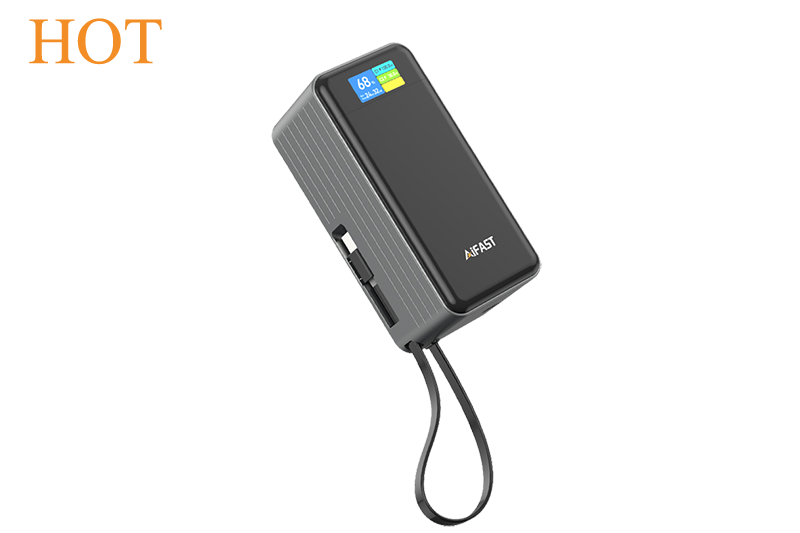
 ESC-X019 65W Fast charge power bank
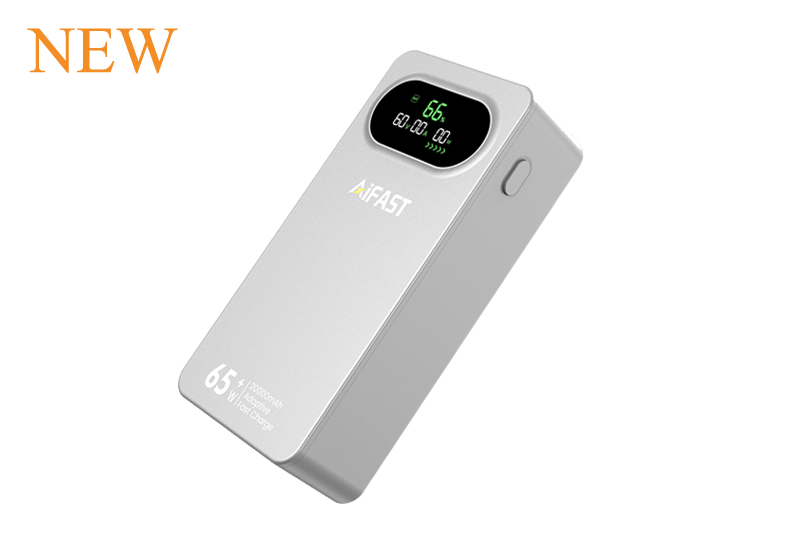 ESC-X018 65W Ultra-Fast 10000mAh Power Bank with TFT Display & Retractable Cable
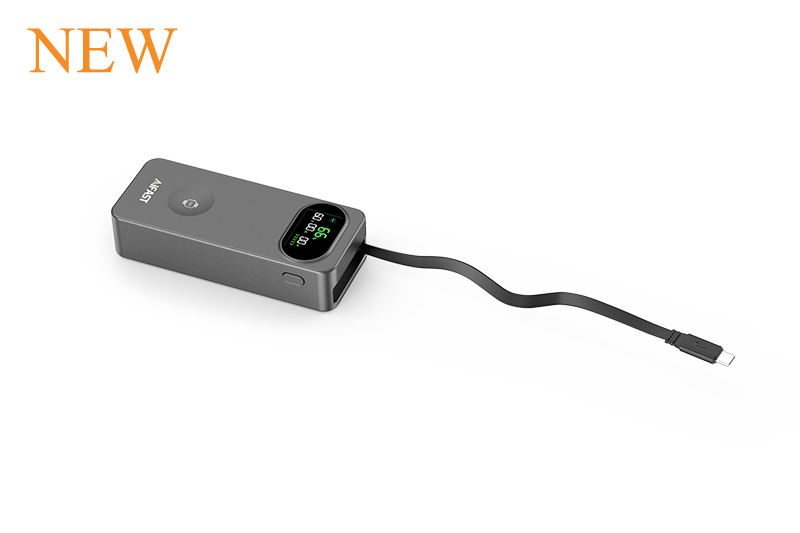 ESC-X017 65W Ultra-Fast 20000mAh Power Bank with TFT Display & Retractable Cable
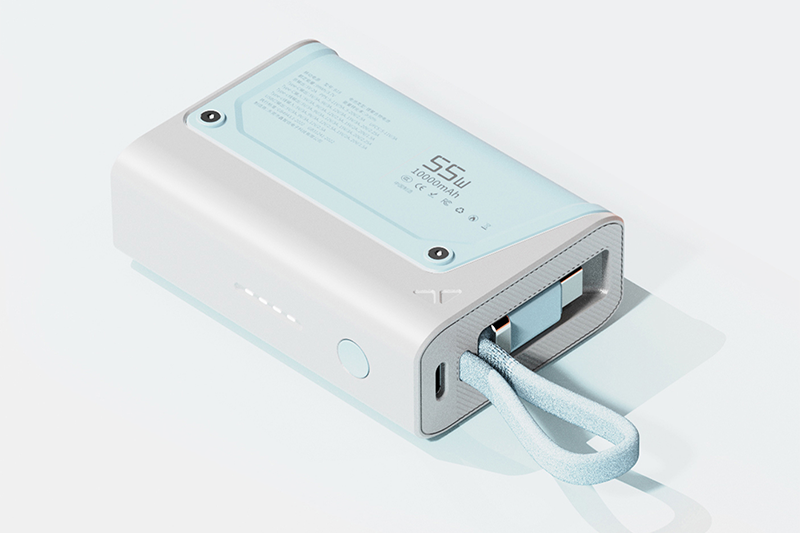 ESC-X020 10000mAh 55W Fast Charge Power Bank with cable built-in
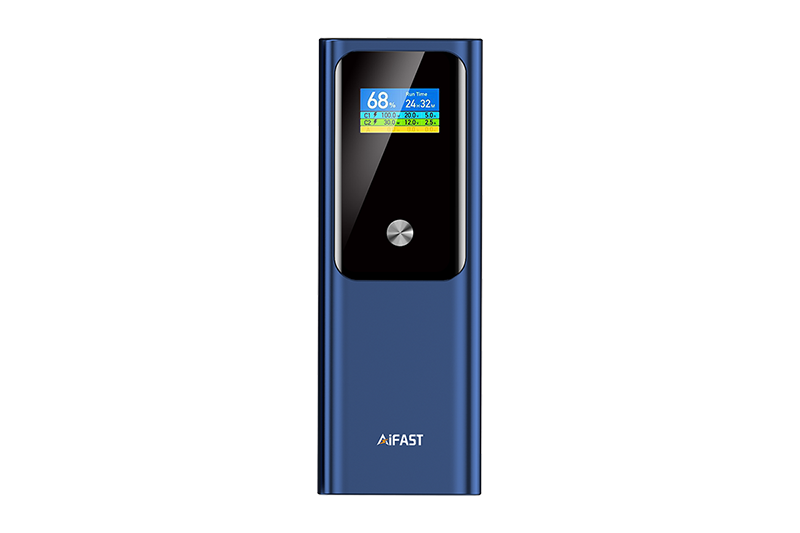 ESC-X016 120W 20000mAh Power Bank with Multi-Protocol TFT Display
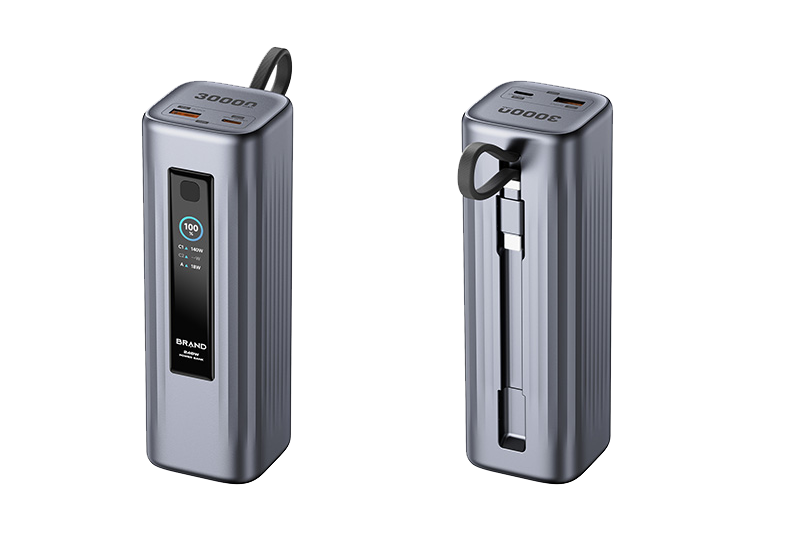 ECS-X022 145W 30,000mAh Power Bank with TFT Display & Retractable Cable
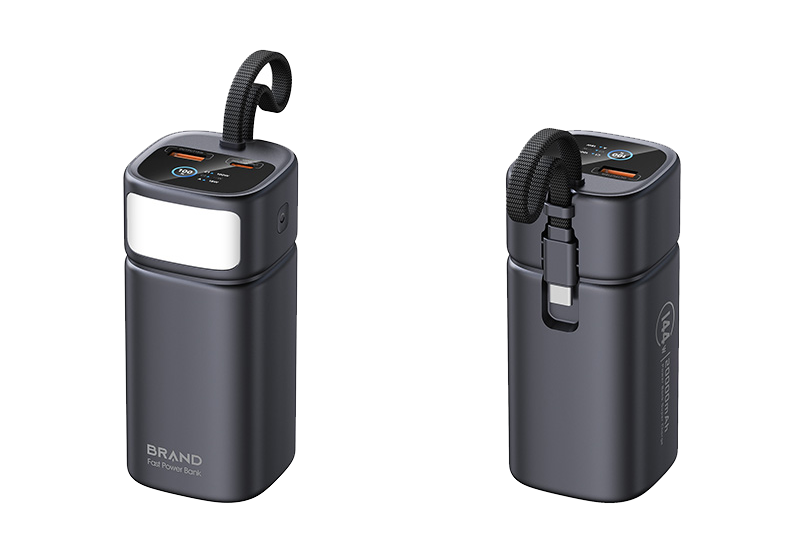 ECS-X021 100W 20,000mAh Power Bank with TFT Display & Retractable Cable
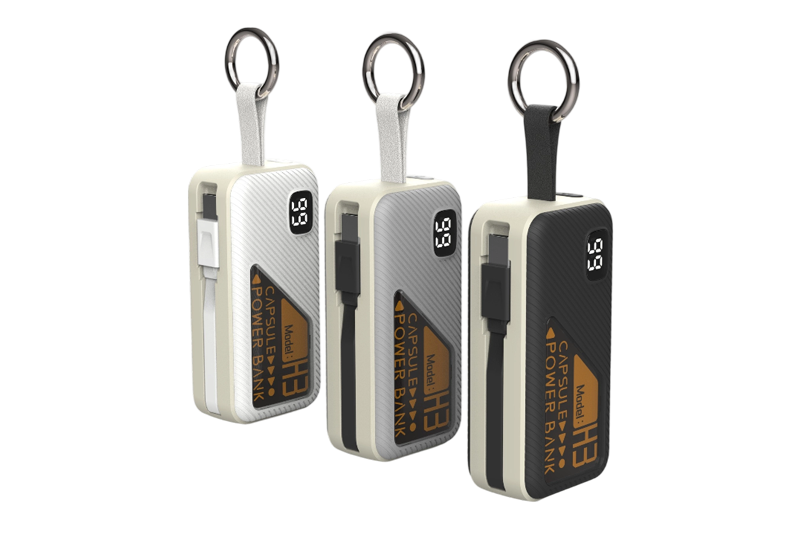 ESC-X023 20W Fast Charging Capsule Power Bank
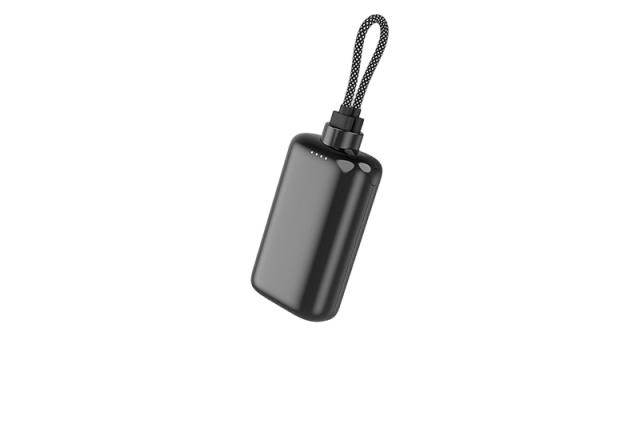 ESC-X024 22.5W 10,000mAh Fast Charging Power Bank
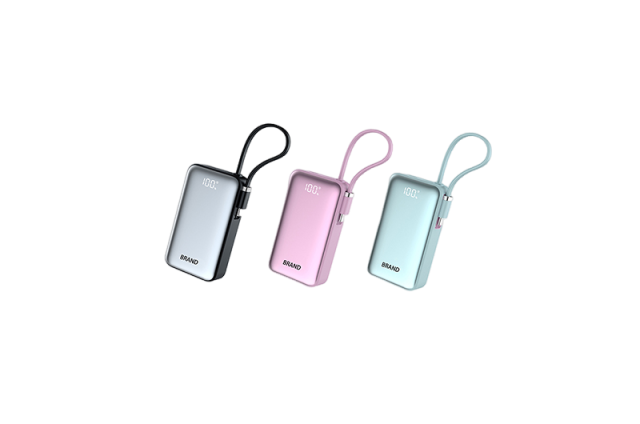 ESC-X025 22.5W Built-in Cable Portable Power Bank
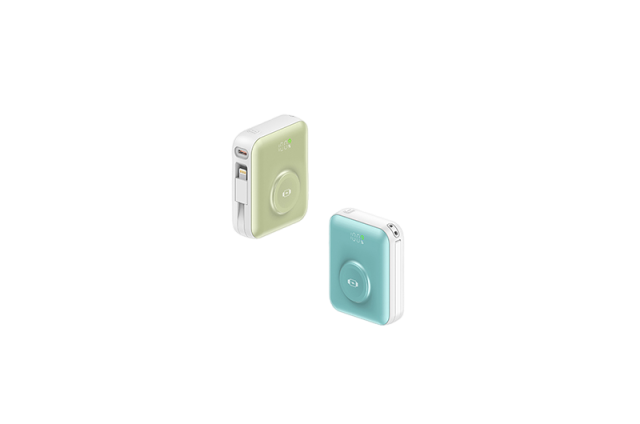 ESC-X026 22.5W 10000mAh Wireless Mini Size Power Bank
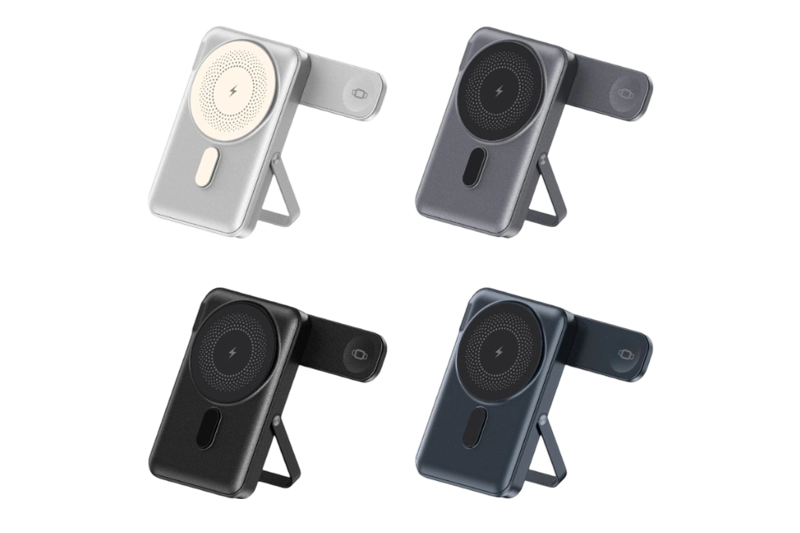 ESC-W018 3-in-1 MagSafe-Style Wireless Charging Stand
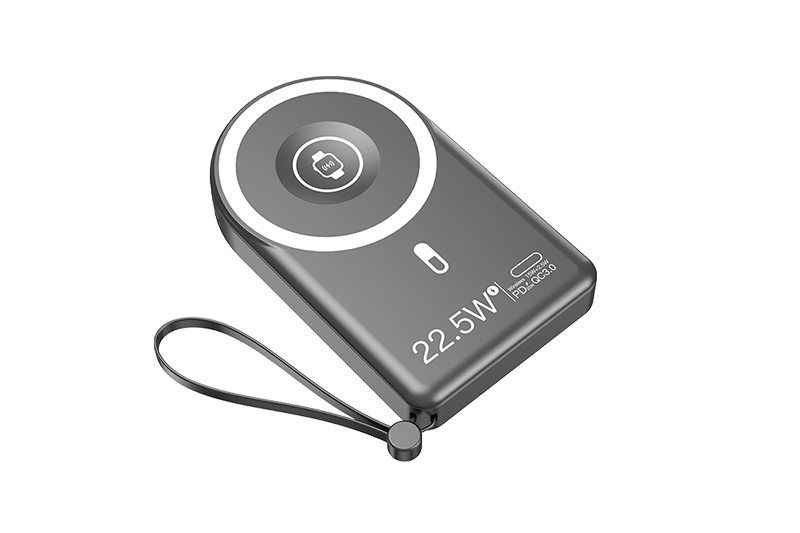 ESC-W017 5000mAh Wireless Ultimate All-in-One Power Solution for Samsung & iPhone Users
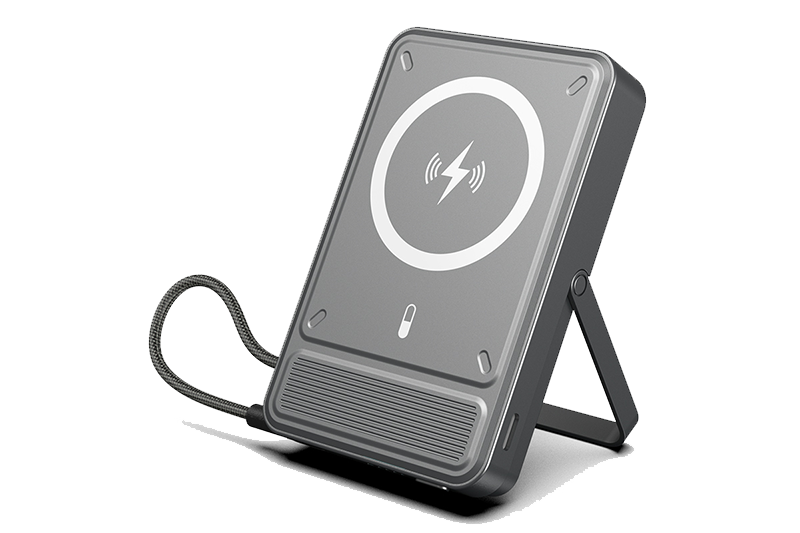 ECS-W016 45W Wireless Power Bank
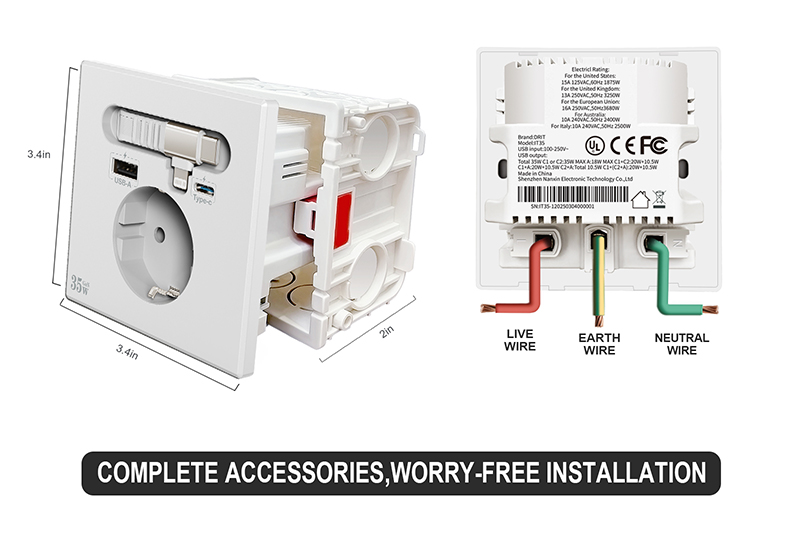 ESC-C019 Ultimate Universal 35W GaN Wall Socket
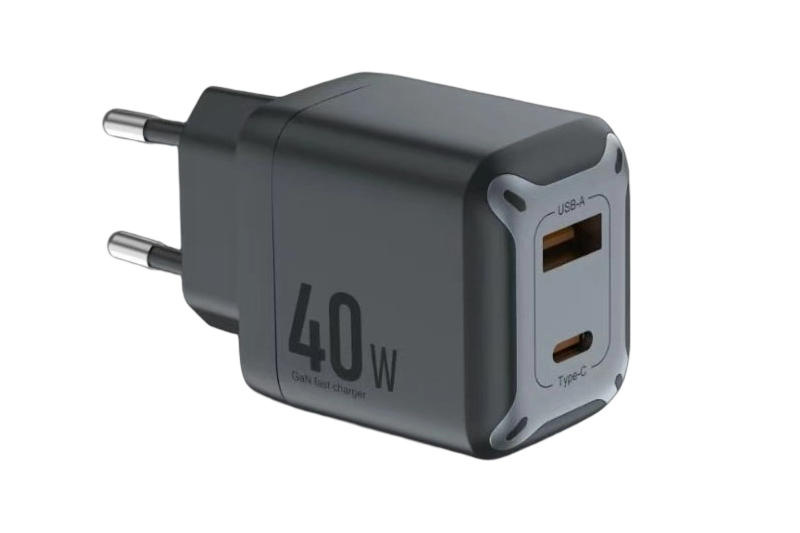 ESC-C018 Small Size 40W GaN Travel Charger
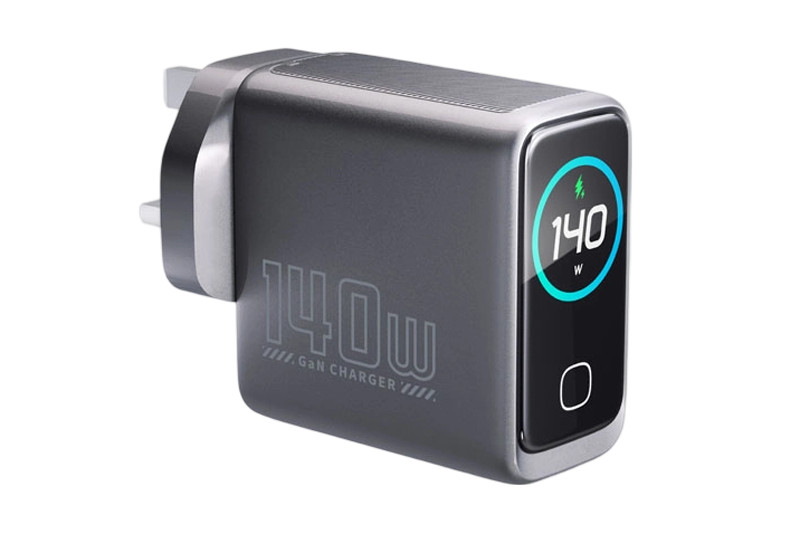 ESC-C017 140W HIGH Speed TFT Screen GaN Charger
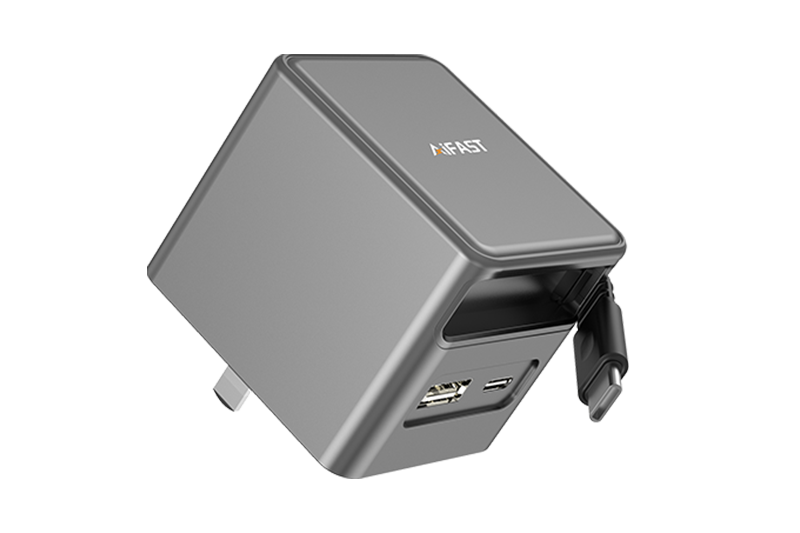 ESC-C016 65CM 65W HIGH Speed Retractable Cable GaN Charger


 Whatsapp
 Wechat

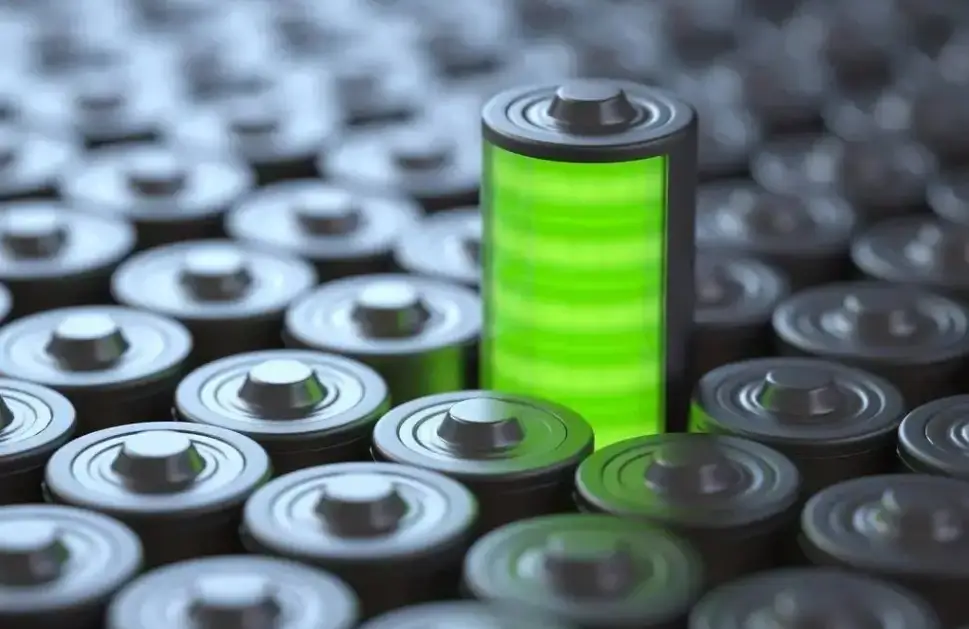

How to choose the right battery for a power bank?
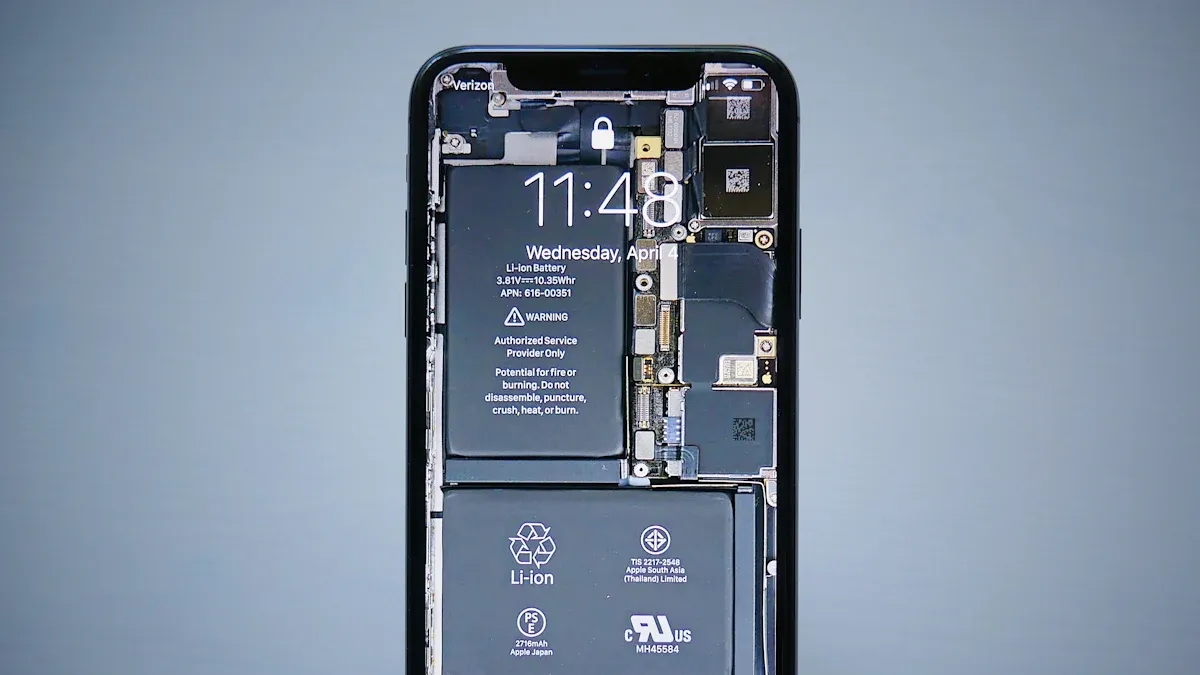
Currently, the most common power bank battery types on the market are lithium-ion (Li-ion) and lithium polymer (LiPo).
Both battery types excel in performance, safety, and durability, but which one is better and more durable depends on the specific brand and product design.
1. Lithium-ion (Li-ion) Batteries:
- The most widely used power bank battery type.
- Advantages: High energy density, long lifespan, low self-discharge rate.
- Drawbacks: Relatively higher cost, specific requirements for charging speed and cycle count.
2. Lithium Polymer (LiPo) Batteries:
- Advantages: Lightweight, compact, high safety, customizable shapes and capacities.
- Drawbacks: Lower energy density compared to Li-ion, potentially bulkier for the same capacity.
Selection Recommendations
- For Portability**: Choose LiPo batteries (e.g., 10,000mAh with thickness <1.5cm).
- Budget-Friendly & High Capacity**: Opt for 18650 cells (but prioritize reputable brands to avoid low-quality cells).
- Long Lifespan/High-Temperature Environments**: Use lithium iron phosphate (LiFePO4) batteries (ideal for car or outdoor power banks).
Core Performance Parameters
1. Capacity & Energy
- Nominal Capacity (mAh): Actual usable capacity ≈ Labeled value × Conversion efficiency (70%~90%).
Example: A 20,000mAh cell with 80% efficiency delivers ~16,000mAh.
- Energy (Wh): A more scientific metric. Wh = mAh × Voltage (V).
Example: 3.7V 20,000mAh ≈ 74Wh (airline limit is typically 100Wh).
2. Charge/Discharge Performance
- Max Discharge Current:
- Fast charging requires ≥3A (e.g., PD 18W needs 3A@6V).
- High-power models (e.g., 65W fast charging) need ≥5A.
- Cycle Life:
- Standard cells: 300–500 cycles (capacity drops to 80%).
- Premium cells (e.g., ATL, Panasonic): 800–1,000 cycles.
Safety & Quality Standards
1. Key Certifications
- International: UL (USA), CE (EU), KC (Korea), PSE (Japan).
- China: GB 31241 (safety standard), CQC certification.
2. Protection Mechanisms
- Essentials: Overcharge, over-discharge, short-circuit, and temperature protection.
- Advanced Features:
- Multi-chip management (e.g., TI/BQ series solutions).
- Metal casing for heat dissipation (critical for high-power models).
Recommended Battery Suppliers
| Tier | Brands | Advantages |
| Top | ATL, Panasonic, LG Chem | High consistency, long lifespan, superior safety |
| Mid | LISHEN, BYD, EVE Energy | Cost-effective, domestic alternatives |
| Avoid | No-name/white-label cells | Low price but prone to inflated specs and safety risks |
Practical Application Tips
1. Fast-Charge Compatibility
- Support mainstream protocols: PD 3.0, QC 4.0, Huawei SCP.
- Samsung 45W fast charging requires PPS protocol (needs high-voltage/low-current support).
- PCB Selection: Opt for integrated protocol chips (e.g., Injoinic IP5328P).
2. Thermal & Structural Design
- High-power models: Use graphene heat sinks or metal frames. Avoid direct cell-shell contact.
- Portable models: Choose stacked LiPo cells (thickness <8mm).
Pitfalls to Avoid
- Reject Inflated Capacity Claims:
Test with an electronic load at 0.2C (e.g., 4A for 20,000mAh) until 2.75V to measure true capacity.
- Beware of Recycled Cells:
Refurbished 18650 cells may hide flaws; screen with an internal resistance tester (<50mΩ for new cells).
- Environmental Compliance:
EU exports require RoHS/REACH compliance (banned substances: cadmium, mercury, etc.).
Alternatives & Future Trends
- Sodium-Ion Batteries: 30% cheaper than Li-ion, excellent low-temperature performance (-20°C), but lower energy density (~150Wh/kg). Suitable for budget power banks.
- Solid-State Batteries: Future tech (energy density >400Wh/kg), not yet commercialized.
Final Advice
When selecting power bank batteries, prioritize: Safety > Lifespan > Energy Density > Cost.
- Choose LiPo for lightweight, compact designs.
- Choose Li-ion for longer runtime and faster charging.
Always opt for reputable brands with proven track records to ensure quality and performance.