
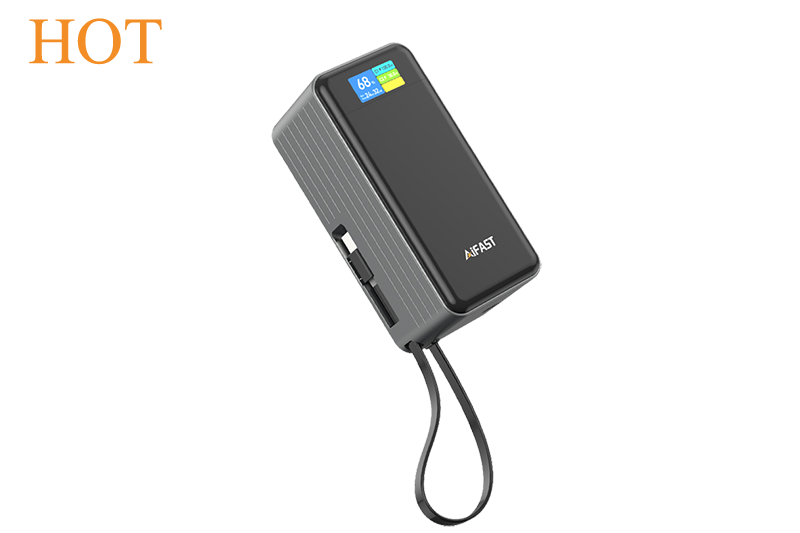
 ESC-X019 65W Fast charge power bank
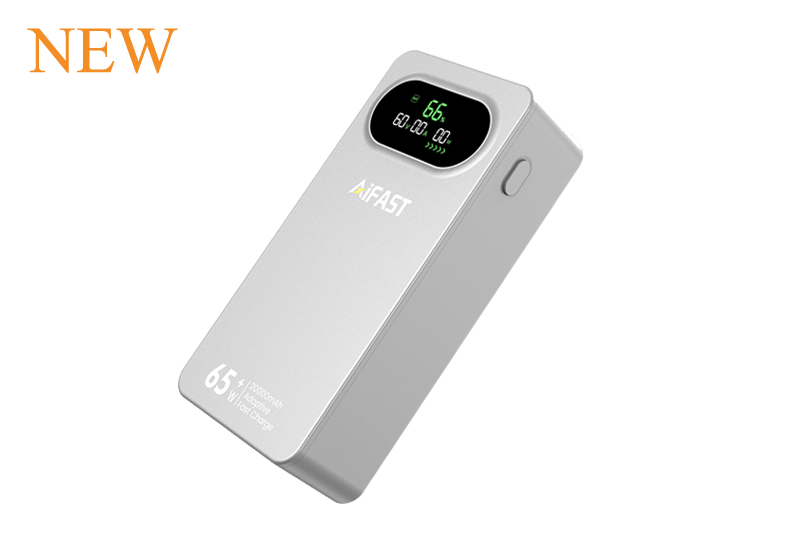 ESC-X018 65W Ultra-Fast 10000mAh Power Bank with TFT Display & Retractable Cable
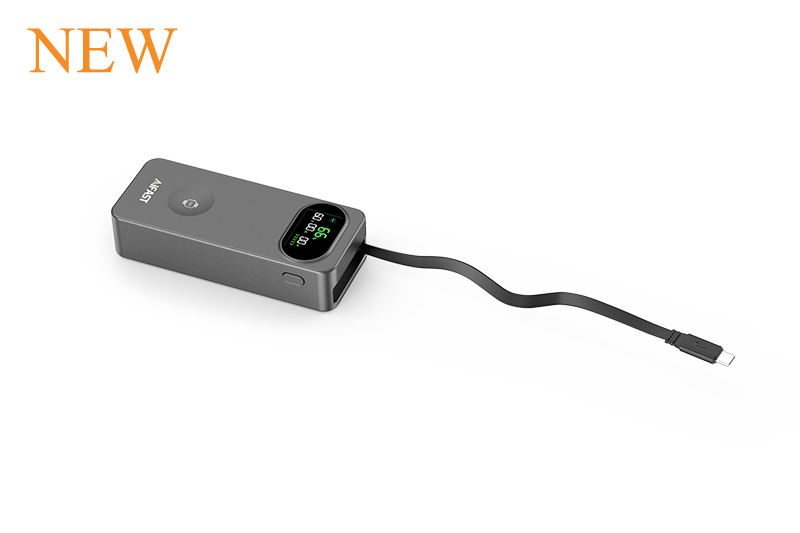 ESC-X017 65W Ultra-Fast 20000mAh Power Bank with TFT Display & Retractable Cable
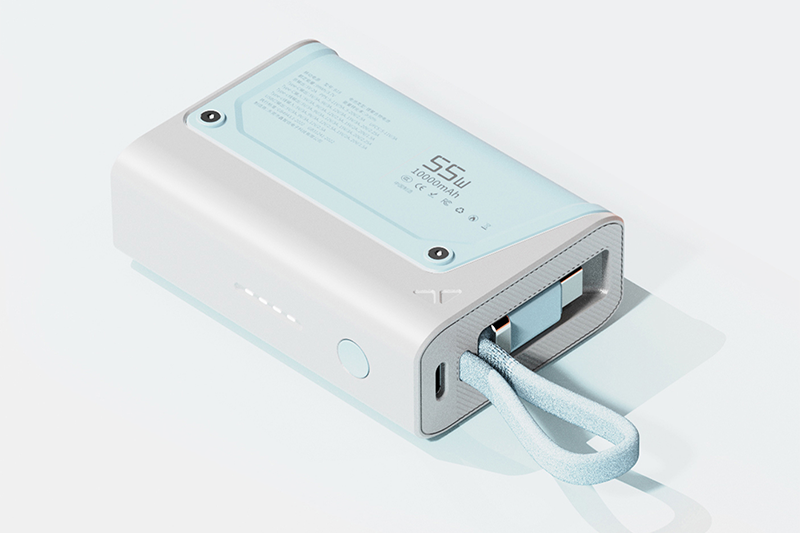 ESC-X020 10000mAh 55W Fast Charge Power Bank with cable built-in
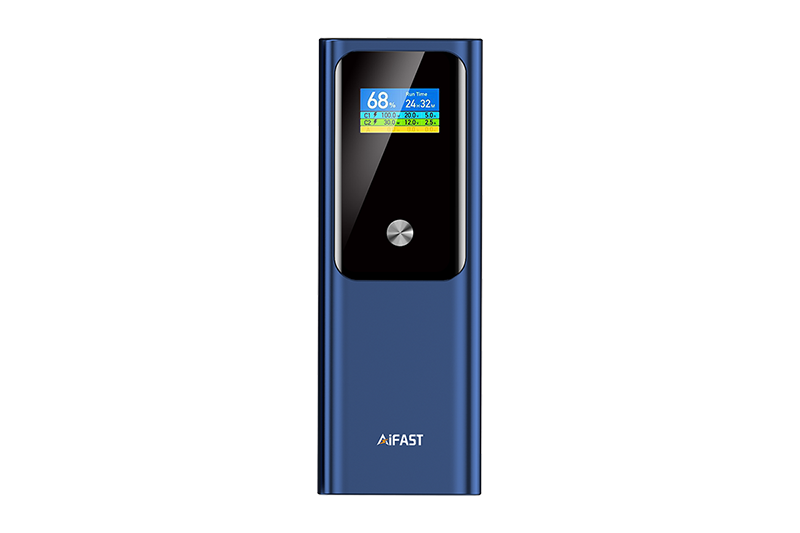 ESC-X016 120W 20000mAh Power Bank with Multi-Protocol TFT Display
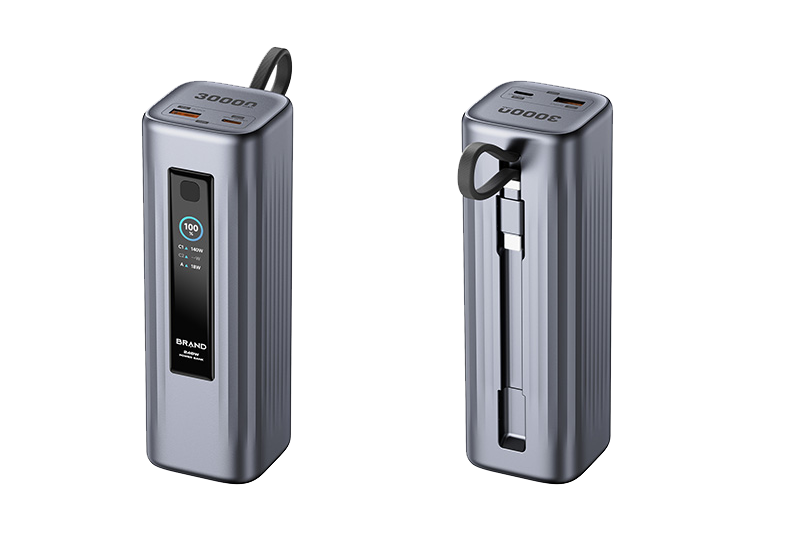 ECS-X022 145W 30,000mAh Power Bank with TFT Display & Retractable Cable
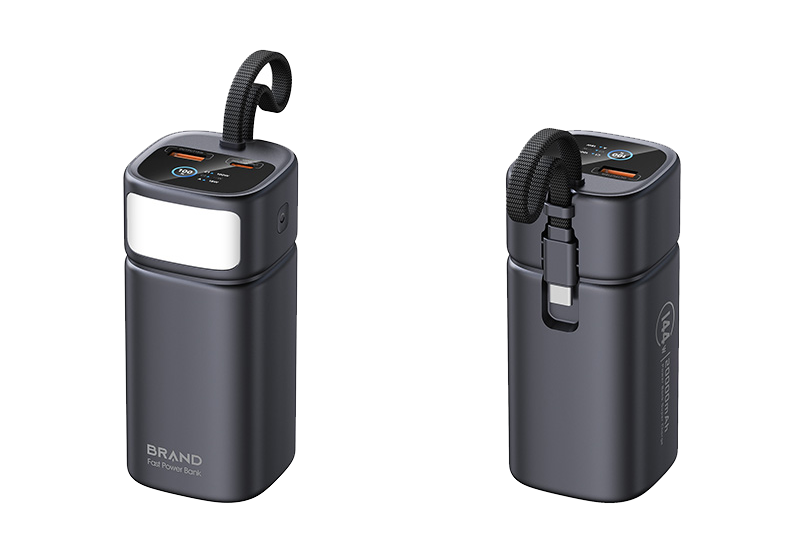 ECS-X021 100W 20,000mAh Power Bank with TFT Display & Retractable Cable
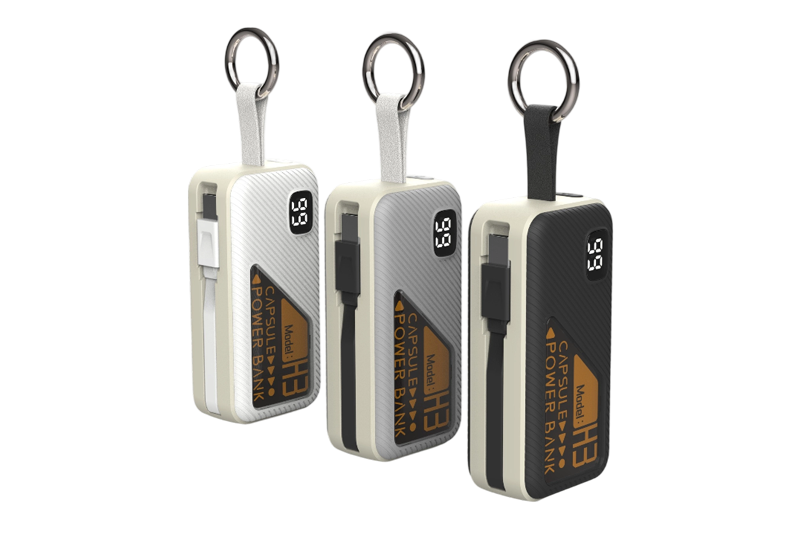 ESC-X023 20W Fast Charging Capsule Power Bank
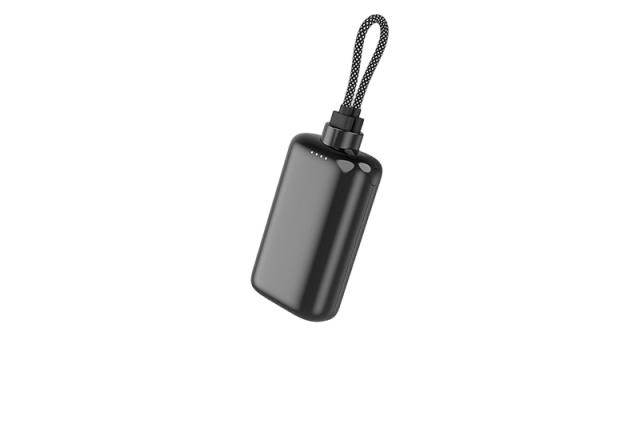 ESC-X024 22.5W 10,000mAh Fast Charging Power Bank
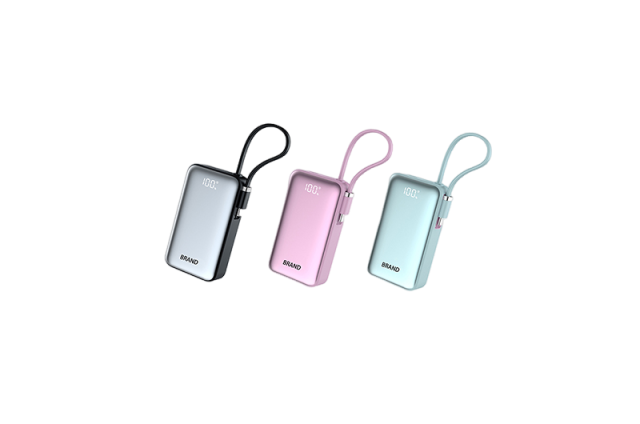 ESC-X025 22.5W Built-in Cable Portable Power Bank
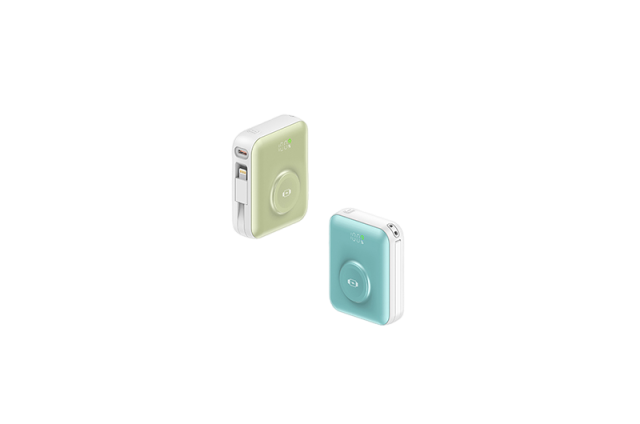 ESC-X026 22.5W 10000mAh Wireless Mini Size Power Bank
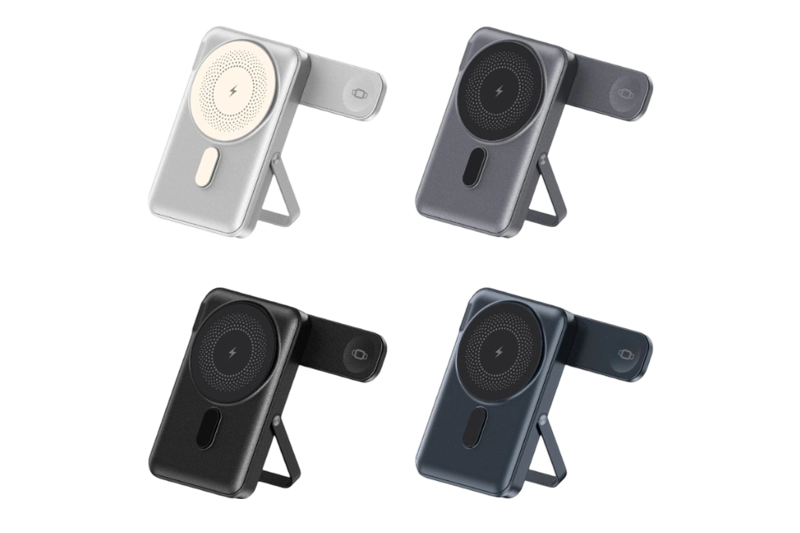 ESC-W018 3-in-1 MagSafe-Style Wireless Charging Stand
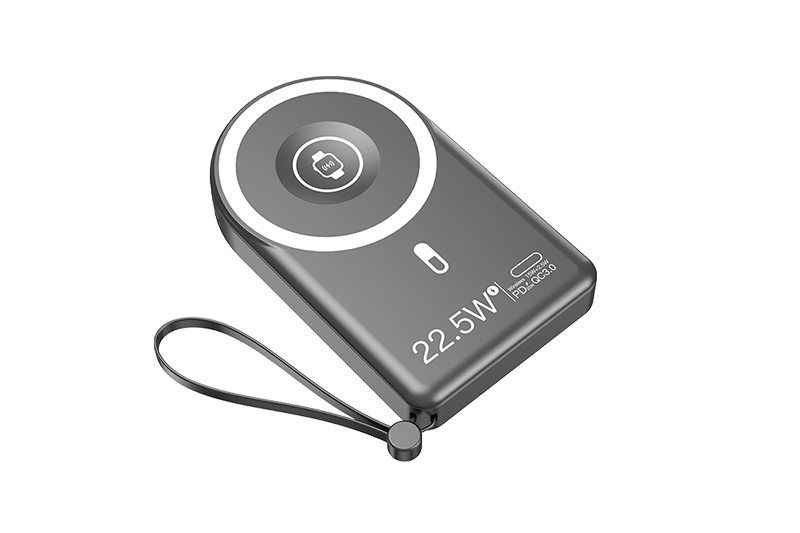 ESC-W017 5000mAh Wireless Ultimate All-in-One Power Solution for Samsung & iPhone Users
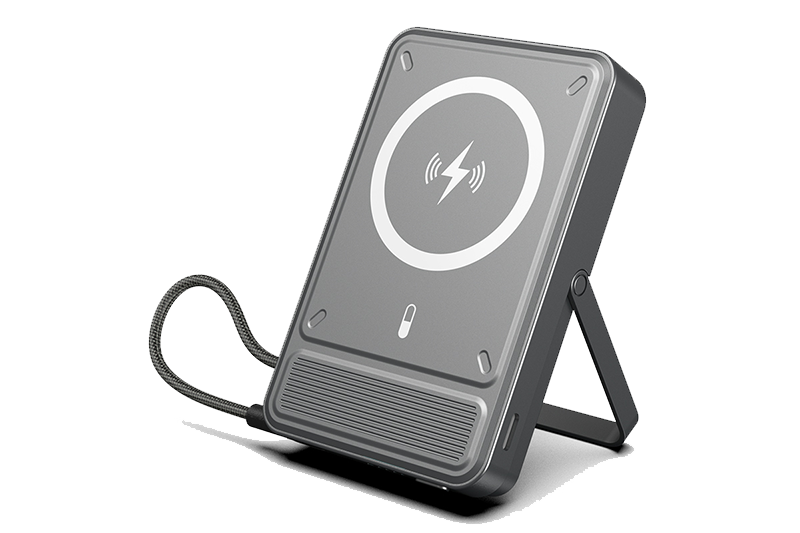 ECS-W016 45W Wireless Power Bank
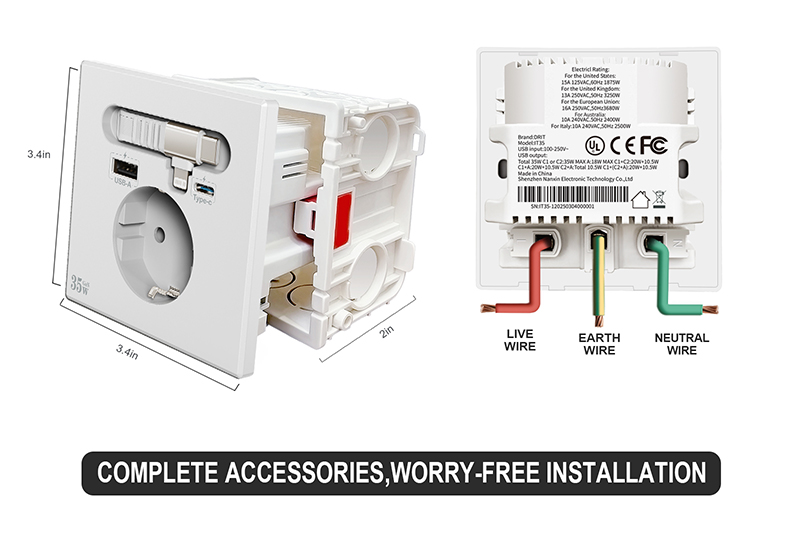 ESC-C019 Ultimate Universal 35W GaN Wall Socket
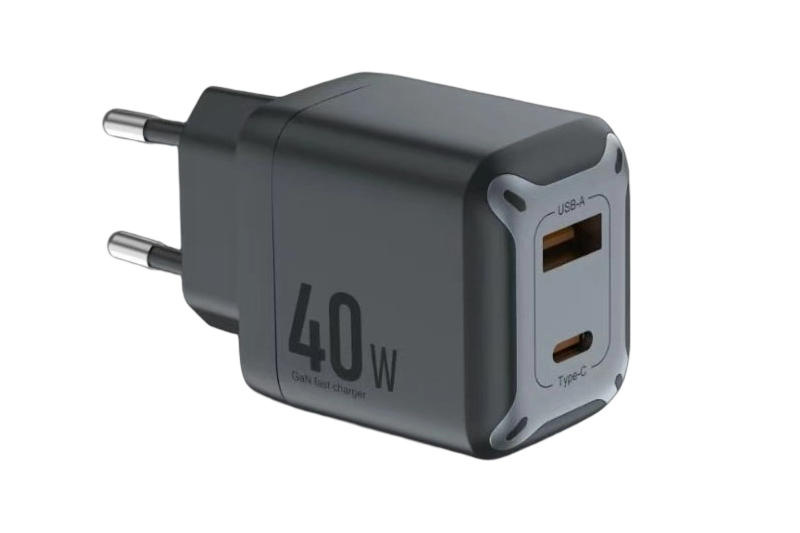 ESC-C018 Small Size 40W GaN Travel Charger
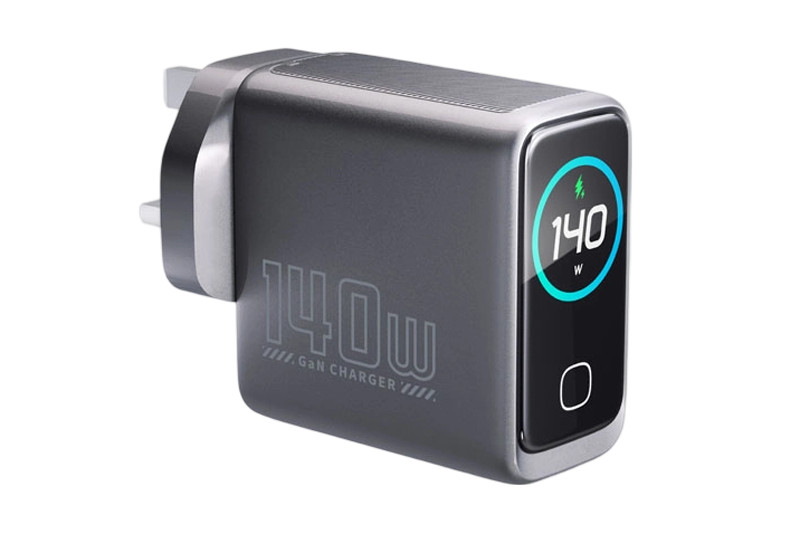 ESC-C017 140W HIGH Speed TFT Screen GaN Charger
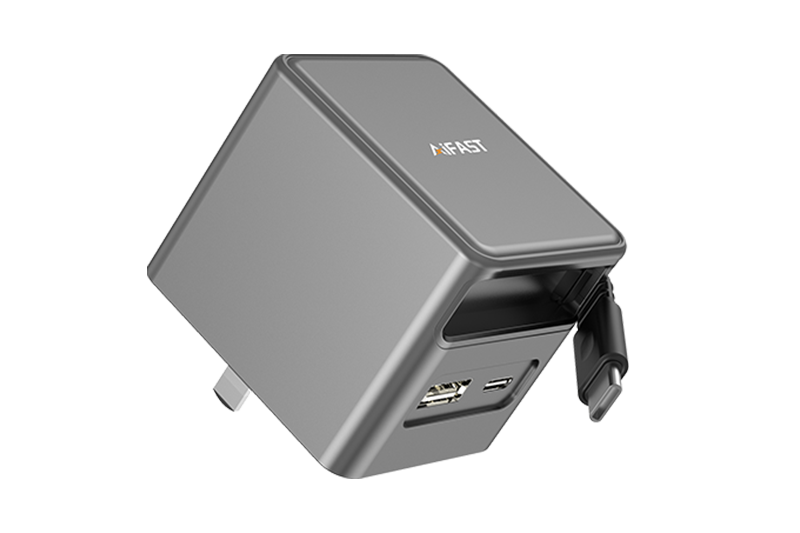 ESC-C016 65CM 65W HIGH Speed Retractable Cable GaN Charger


 Whatsapp
 Wechat

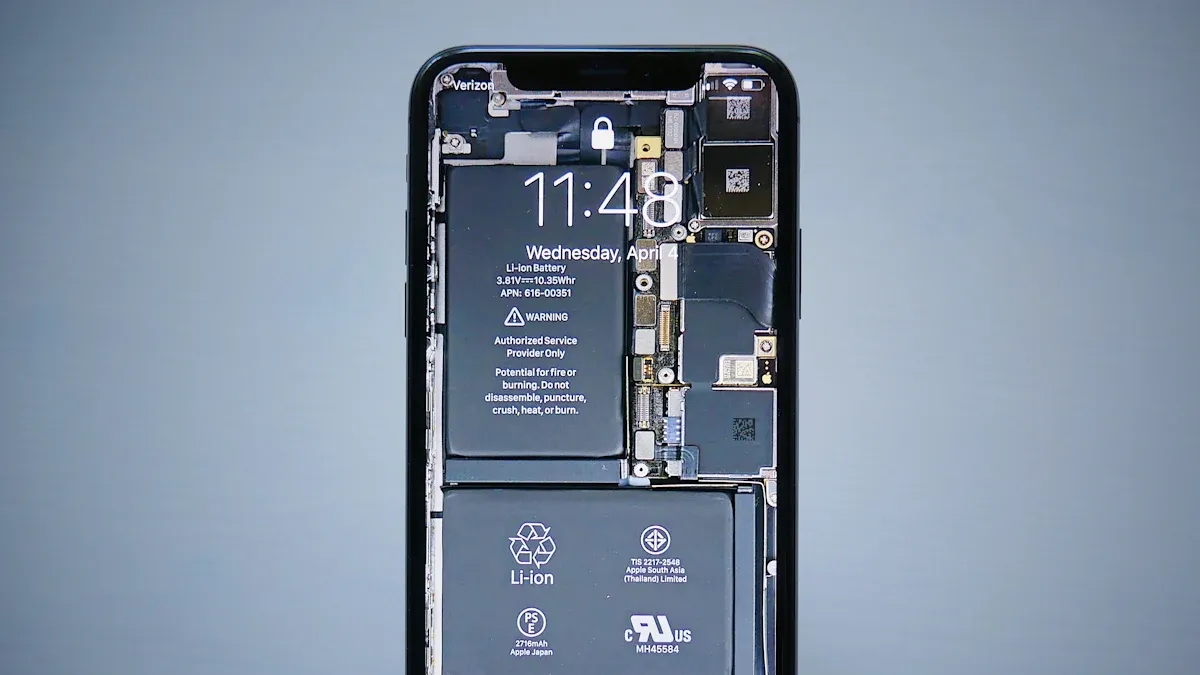
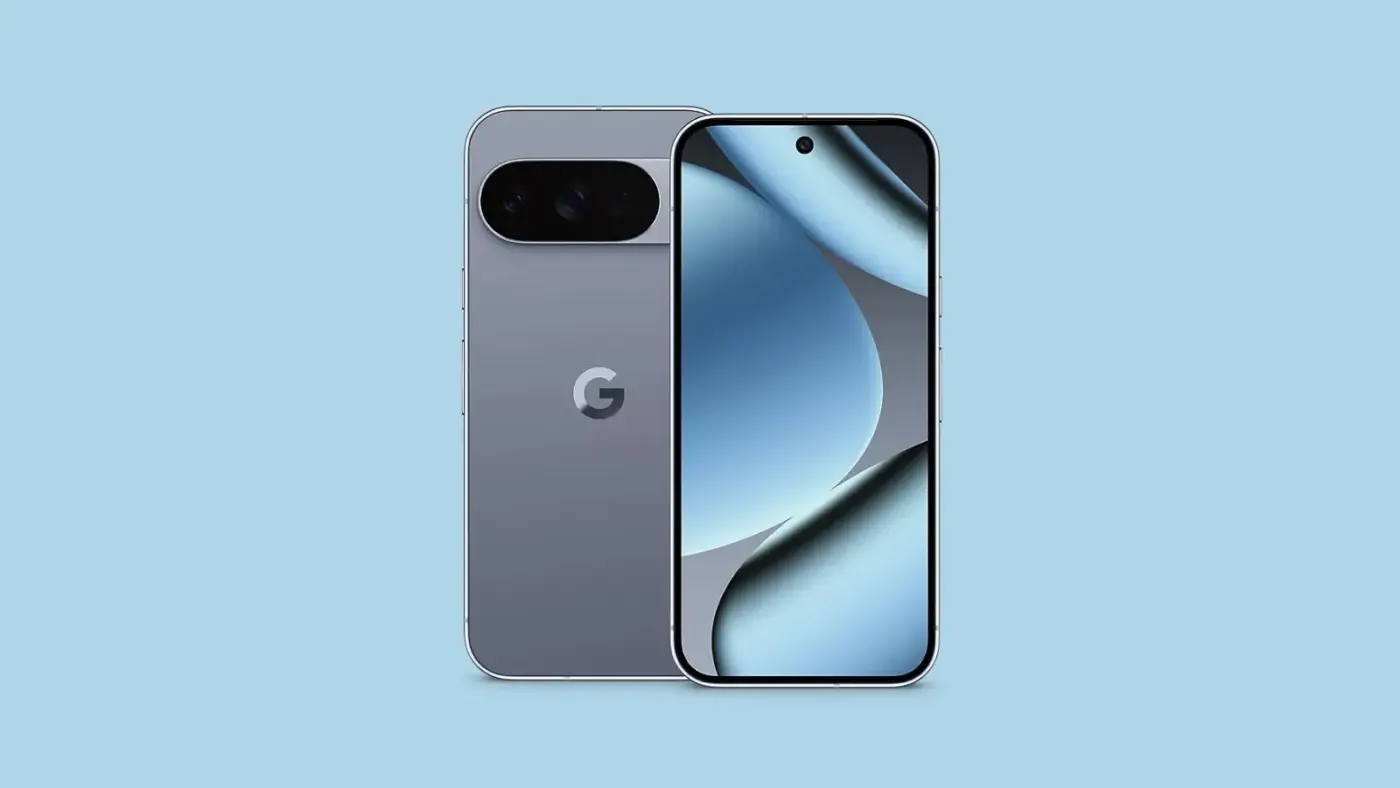
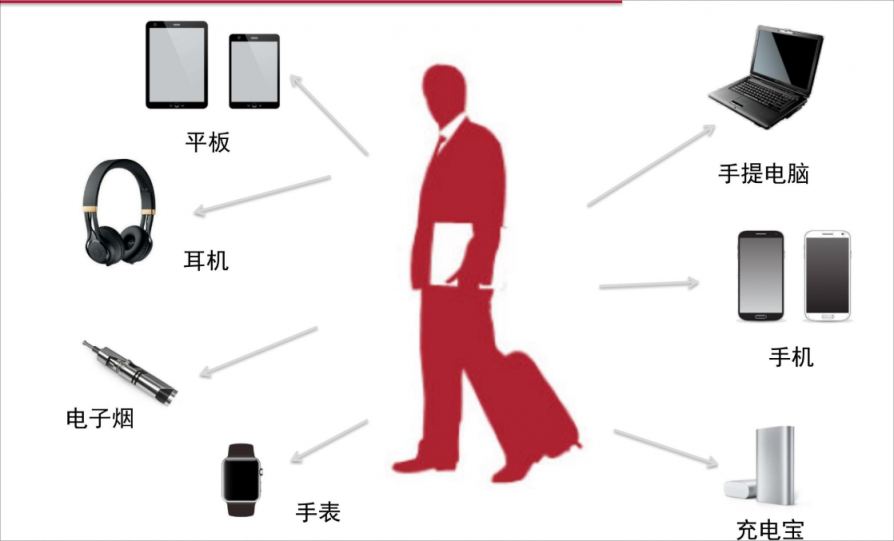
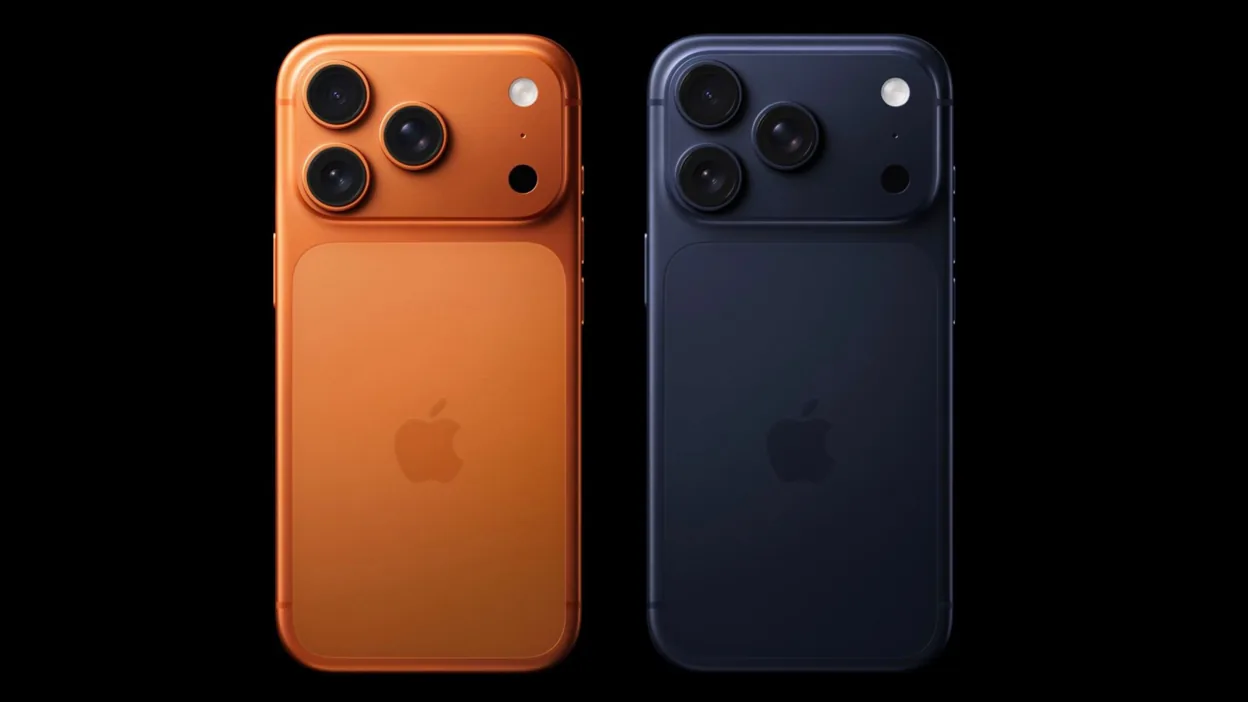

iPhone swap battery,Power banks panic?
The pace of advancement in mobile phone battery technology over the last two years has been genuinely surprising.
Just three or four years ago, even flagship models across major brands typically hovered around the 5,000mAh mark, showing little sign of significant breakthrough.
This year, however, things are different. The battery capacity of mass-produced models has exploded, with one device after another breaking records:
-
Honor first caught attention with its Power Series, pushing capacity directly to 8,000mAh.
-
Vivo Y300 soon followed, increasing the battery to 8,200mAh.
-
Honor X70 Series has now gone a step further, delivering a massive 8,300mAh battery.
But the journey isn't over yet. Rumors suggest that mass-produced phones with a staggering 10,000mAh capacity will be available by the end of this year or early next year.
This capacity is comparable to most standard Portable Power Banks on the market. It appears that the portable charger industry might eventually find itself obsolete, not through competition from rivals, but by the sheer, rapid evolution of smartphone battery technology.
The Return of Removable Batteries?
For long-time mobile phone users, regardless of today's battery sizes or fast-charging speeds, the user experience often falls short compared to the "removable battery" days.
Recall the old Nokia phones: nearly everyone carried two batteries—one in the phone and one charging. When the battery died, you simply swapped the drained one for a fully charged one, instantly restoring full power. This convenience is similar to the battery swapping models used by companies like NIO (electric vehicles).
However, in pursuit of thinner profiles and enhanced dust/water resistance, manufacturers gradually abandoned removable batteries in favor of unibody designs.
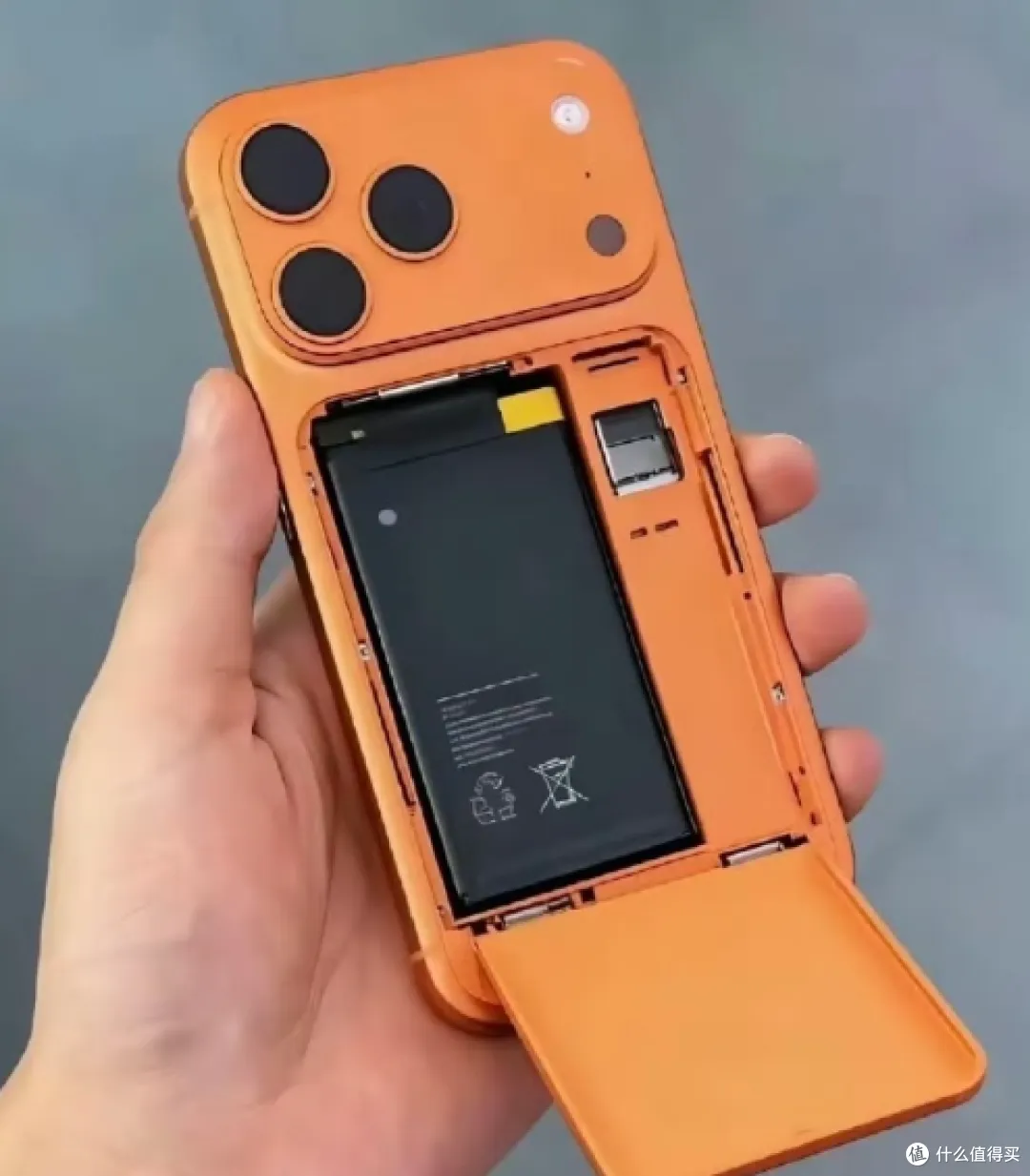
Fortunately, a new development is on the horizon. The European Union has introduced a new regulation: starting in 2027, all mobile phones sold within the EU market must support user-replaceable batteries.
This regulation is intended to reduce the premature retirement of old devices, thereby significantly benefiting environmental protection. This mandate is highly likely to bring the user-replaceable battery design back into the spotlight.
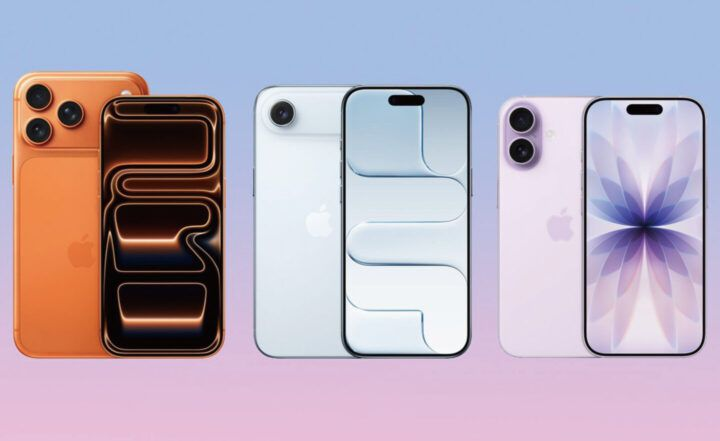
Many are speculating that Apple's iPhone series will be among the first to comply with this new rule. Even if they don't revert to a fully "snap-out" battery design, they will at least be required to provide users with the ability to self-replace the battery.
In the future, battery issues won't necessitate an expensive trip to a repair center; users can simply purchase a compatible battery and replace it themselves, saving significant costs.
A Threat to the Unibody Model
The ability for users to replace their own batteries will fundamentally lower the long-term cost of phone ownership.
The shift to unibody designs, while often attributed to improving dust and water resistance, was arguably a way for manufacturers to subtly limit the lifespan of a single device, compelling users to upgrade sooner.
Consider this: in recent years, many people replace their phones not because the performance is insufficient, but primarily because the battery life has deteriorated—draining quickly even with minimal use. This severely compromises the user experience, forcing an upgrade.
Once users can replace the battery themselves, this primary reason for upgrading—poor battery performance—is easily mitigated. Simply swapping in a new battery at home restores the phone's full endurance, eliminating the need to purchase a costly new model. This is evident with long-term users of older devices, such as the Xiaomi 6 or Huawei Mate 40, who simply swap the battery to keep their phones running smoothly for years.
The Question for the Market
So, the key question remains: With the impending EU regulation and the massive increase in smartphone battery capacity, will the conventional portable power bank still hold value for the average consumer?
[Business Note]
Shenzhen ESC is a manufacturer specializing in fast-charging power banks and chargers, boasting over ten years of rich experience in R&D, production, and sales. Our fast-charging power banks can boost efficiency by 30-40% compared to standard 22.5W power banks on the market, cutting your charging time in half. If you are troubled by slow charging speeds for your devices or the long time required to charge your power bank itself, please contact us. If you are a reseller struggling to find a unique selling point and competitive edge for your power bank products, please reach out to us promptly.