
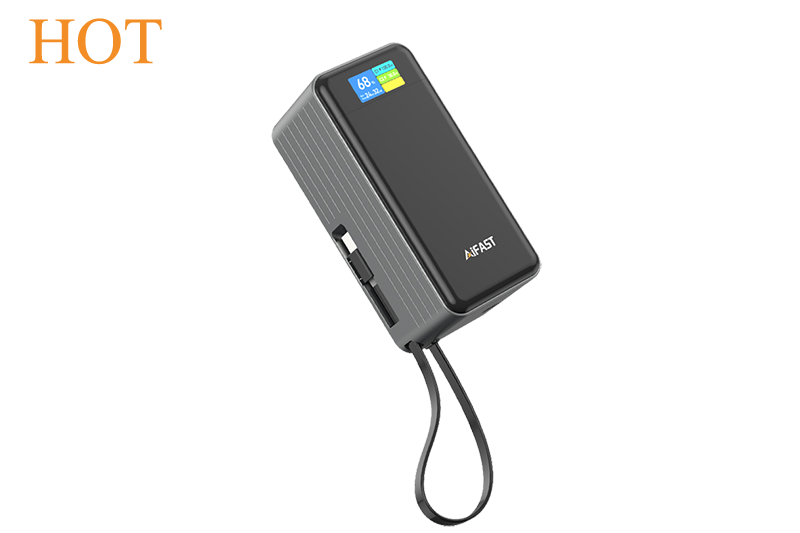
 ESC-X019 65W Fast charge power bank
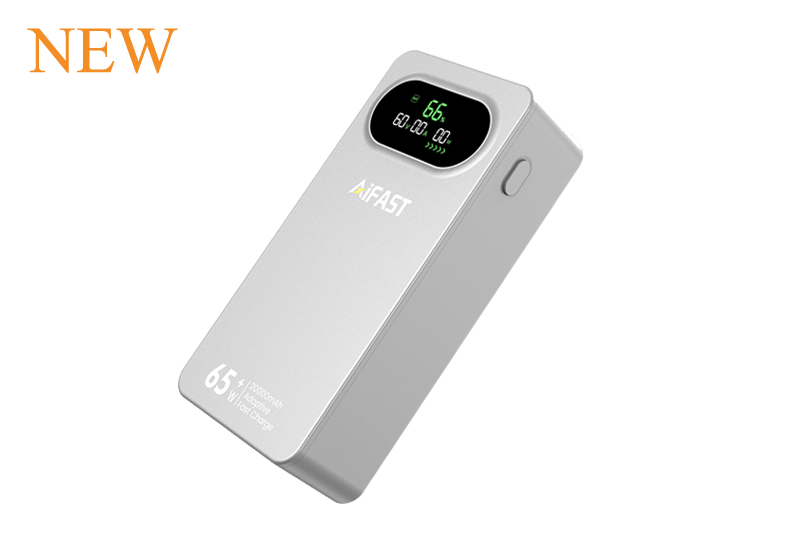 ESC-X018 65W Ultra-Fast 10000mAh Power Bank with TFT Display & Retractable Cable
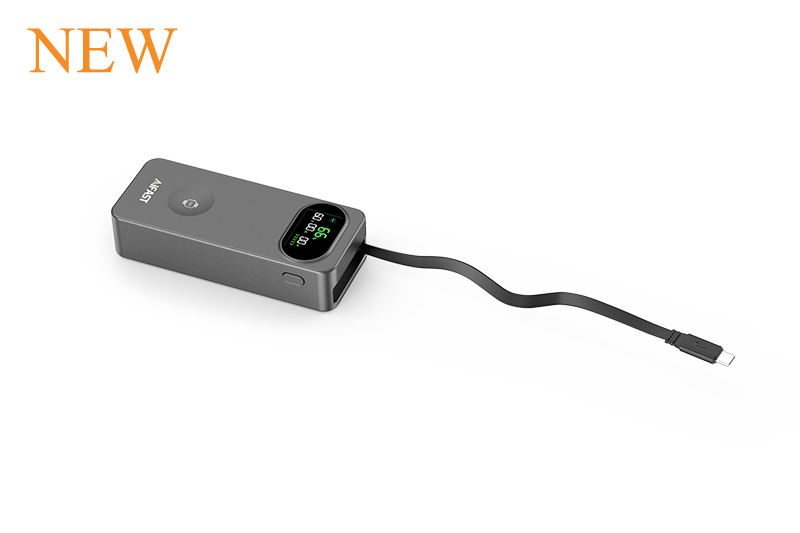 ESC-X017 65W Ultra-Fast 20000mAh Power Bank with TFT Display & Retractable Cable
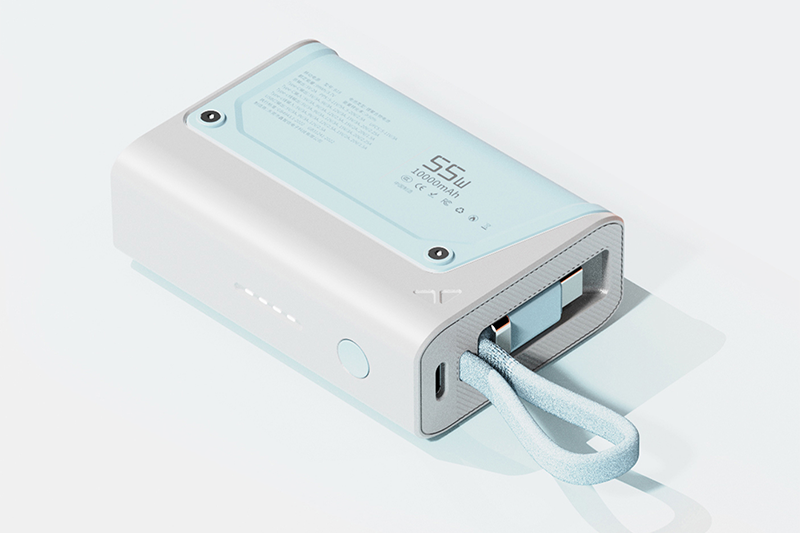 ESC-X020 10000mAh 55W Fast Charge Power Bank with cable built-in
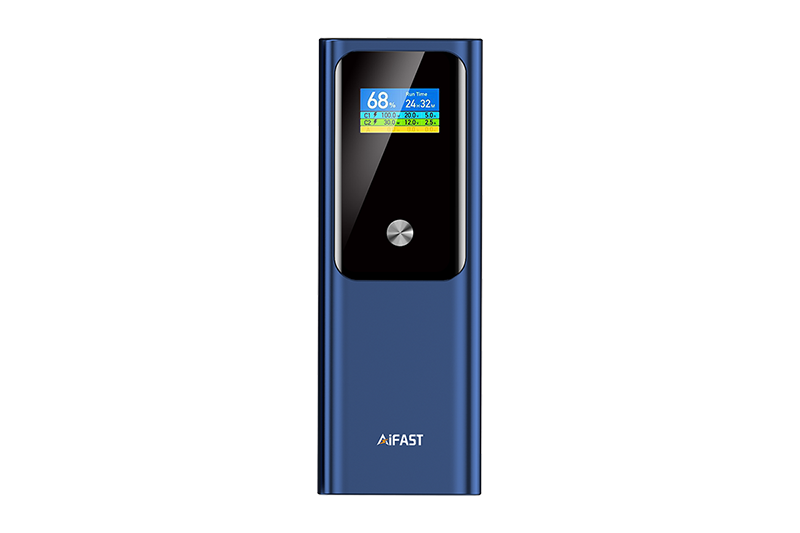 ESC-X016 120W 20000mAh Power Bank with Multi-Protocol TFT Display
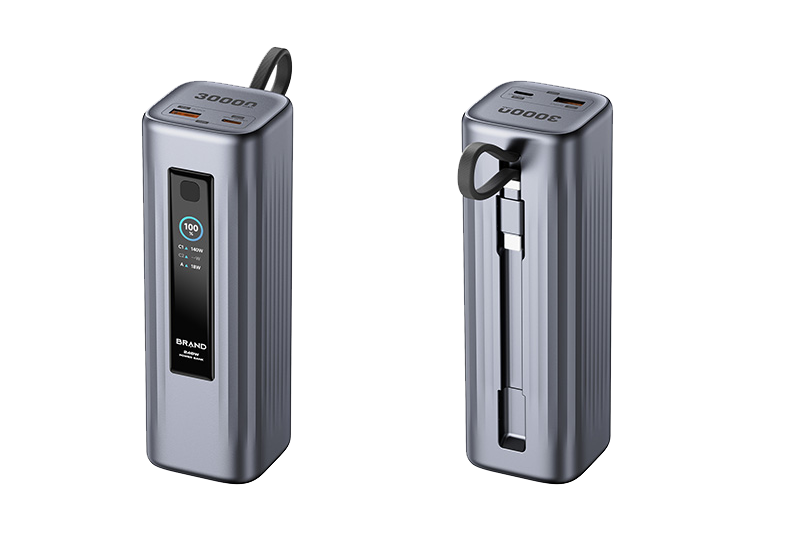 ECS-X022 145W 30,000mAh Power Bank with TFT Display & Retractable Cable
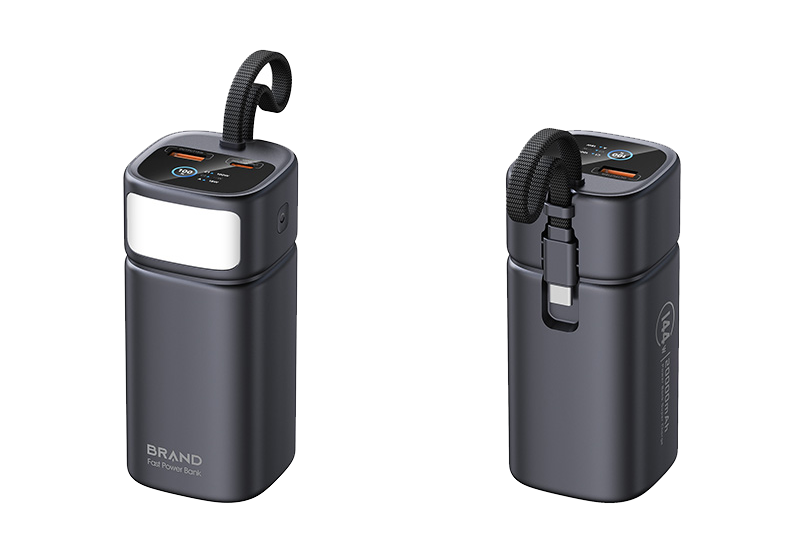 ECS-X021 100W 20,000mAh Power Bank with TFT Display & Retractable Cable
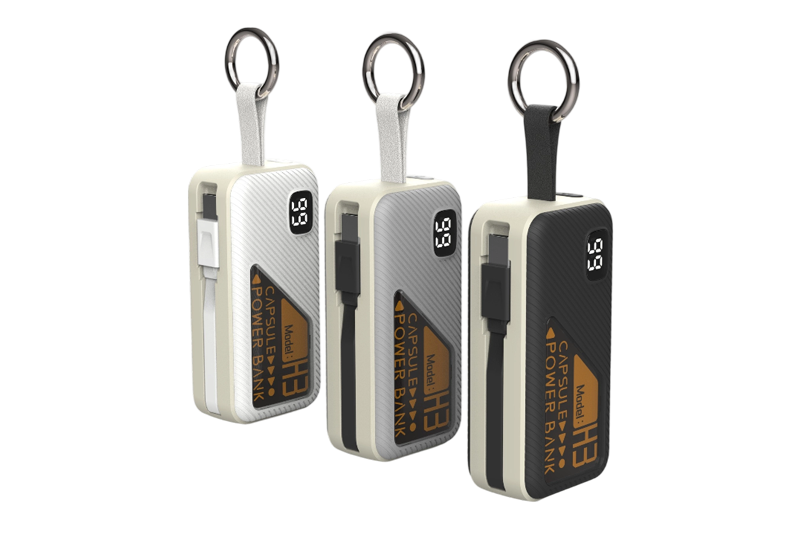 ESC-X023 20W Fast Charging Capsule Power Bank
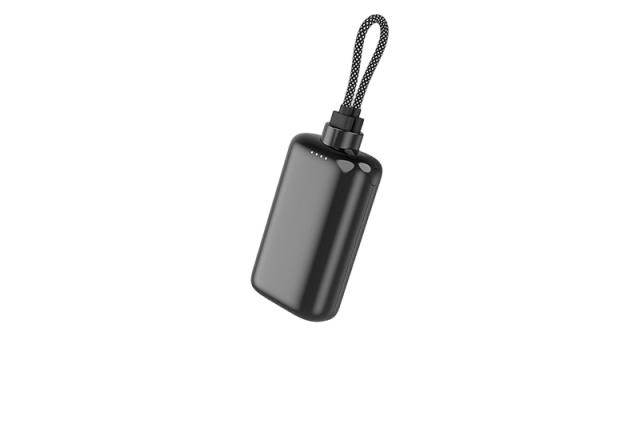 ESC-X024 22.5W 10,000mAh Fast Charging Power Bank
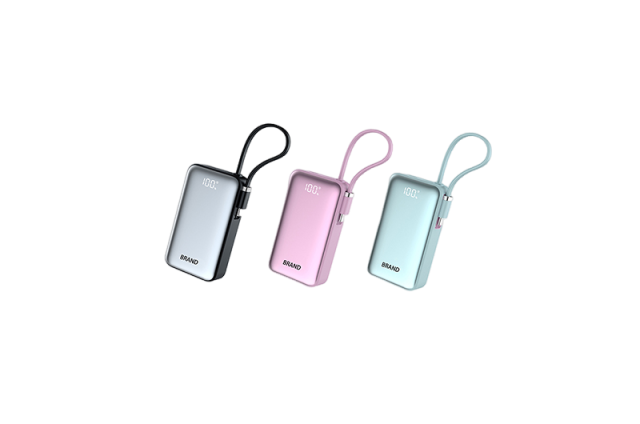 ESC-X025 22.5W Built-in Cable Portable Power Bank
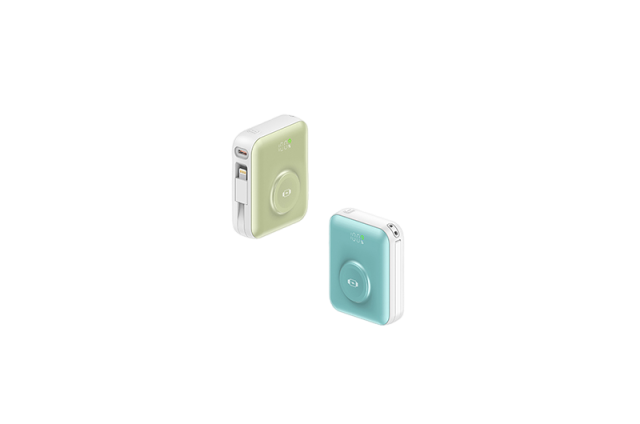 ESC-X026 22.5W 10000mAh Wireless Mini Size Power Bank
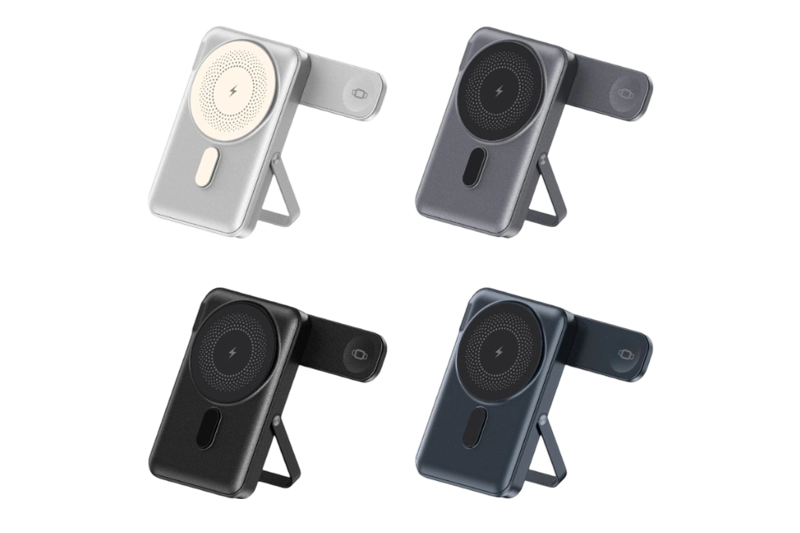 ESC-W018 3-in-1 MagSafe-Style Wireless Charging Stand
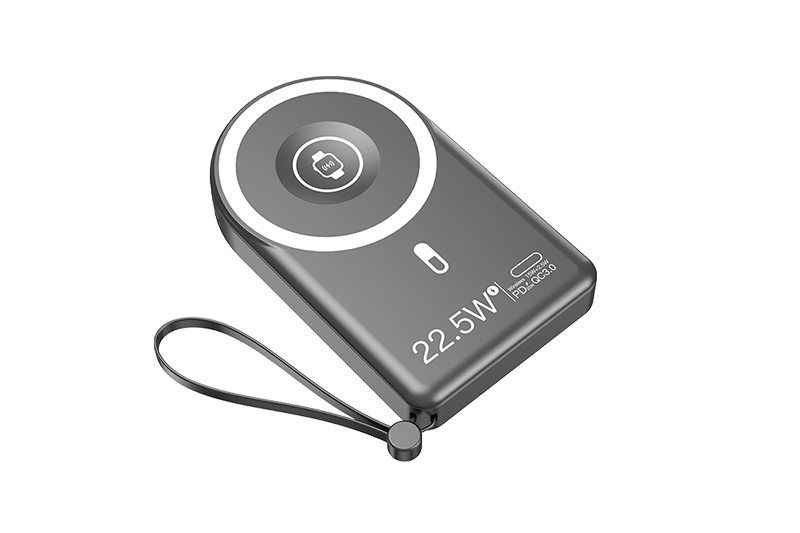 ESC-W017 5000mAh Wireless Ultimate All-in-One Power Solution for Samsung & iPhone Users
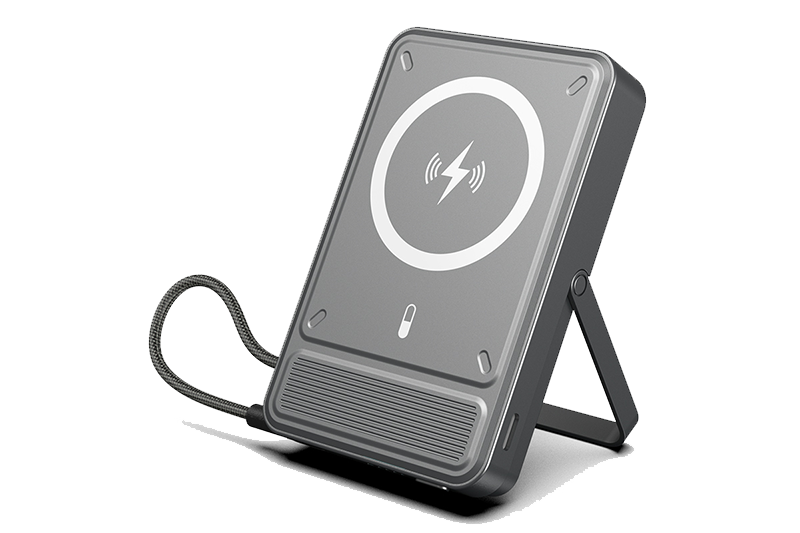 ECS-W016 45W Wireless Power Bank
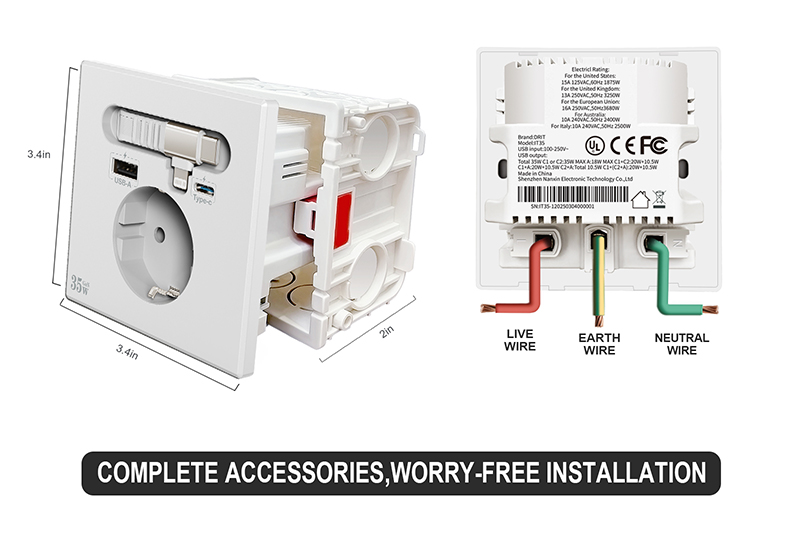 ESC-C019 Ultimate Universal 35W GaN Wall Socket
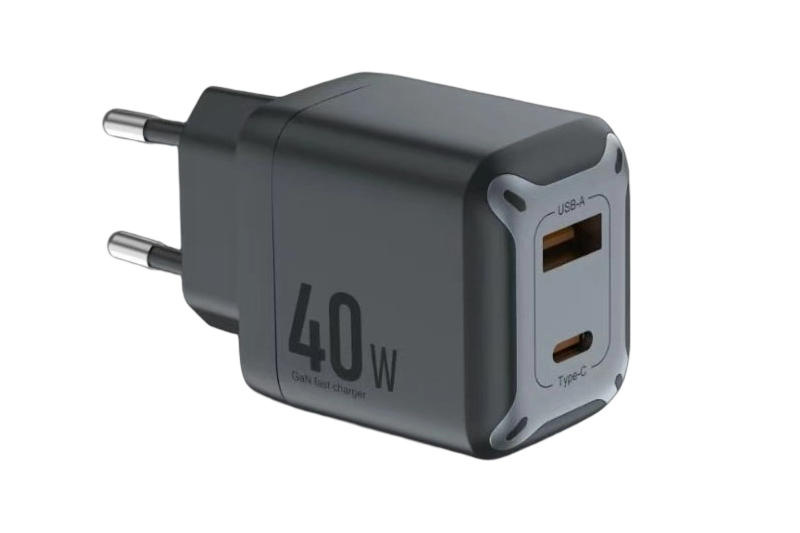 ESC-C018 Small Size 40W GaN Travel Charger
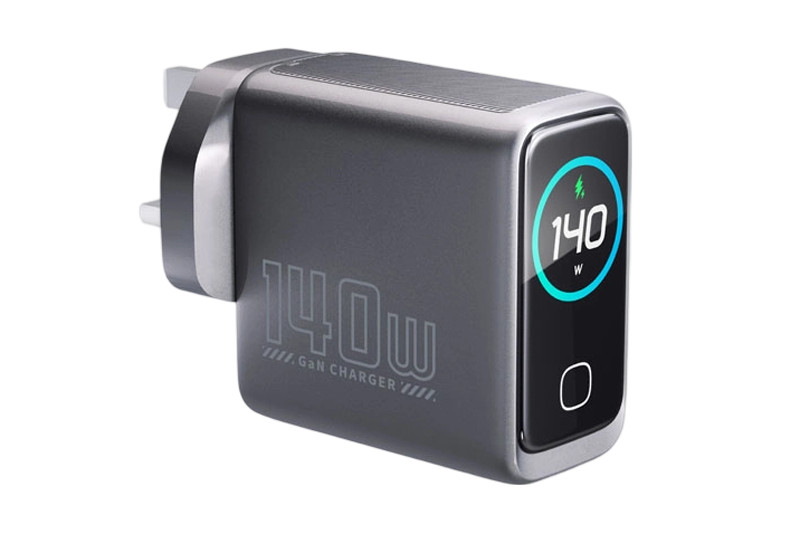 ESC-C017 140W HIGH Speed TFT Screen GaN Charger
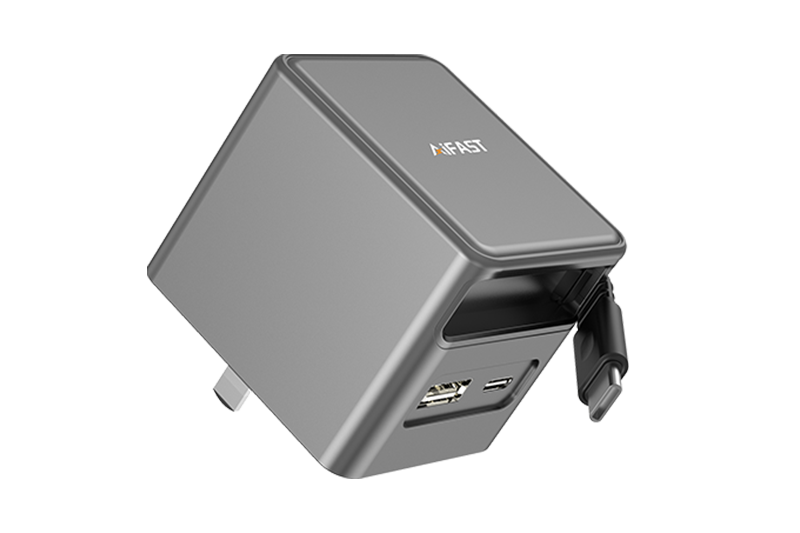 ESC-C016 65CM 65W HIGH Speed Retractable Cable GaN Charger


 Whatsapp
 Wechat


Is It Normal for a Wireless Power Bank to Heat Up While Charging?
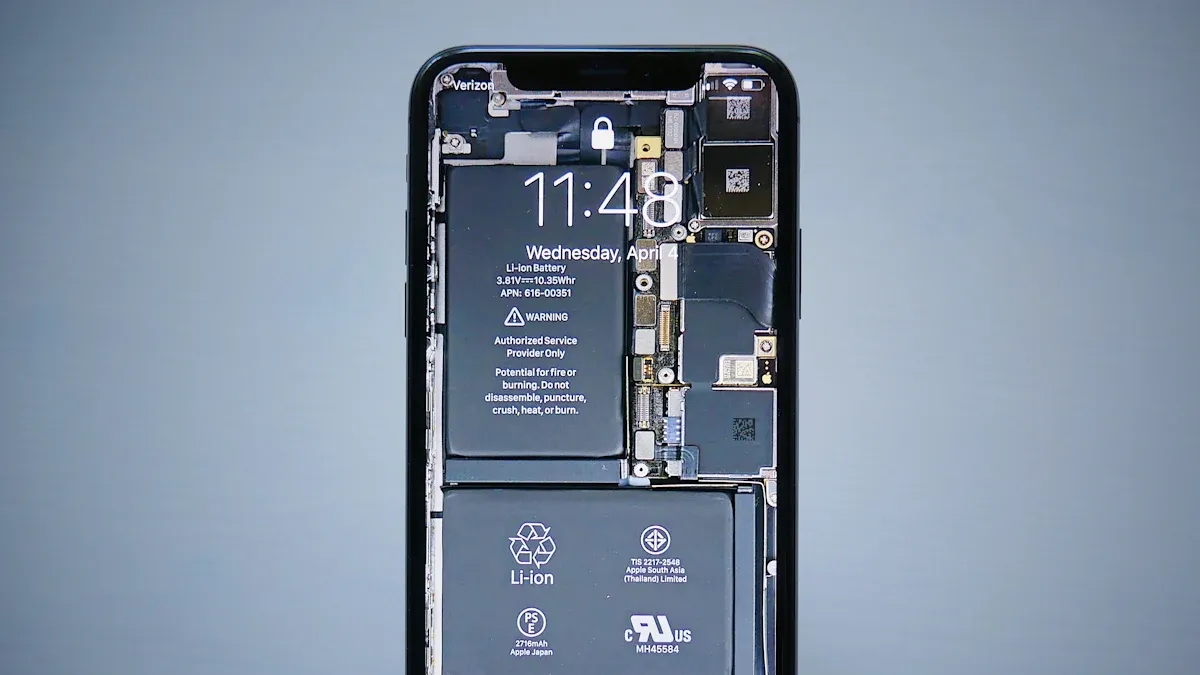
Is it normal for a Wireless Power Bank to heat up during charging? The answer is: Mild heating is normal, but excessive temperatures (e.g., exceeding 45°C or feeling noticeably hot to the touch) may indicate safety risks.
Below is a detailed analysis:
一、Why Heating Occurs
1、 Energy conversion loss
Wireless charging transmits power via electromagnetic induction or magnetic resonance, with an efficiency of about 70%–85%. The remaining energy is dissipated as heat.
2、Coil and circuit operation
Resistance in the transmitter coil (power bank) and receiver coil (phone), as well as the operation of power management chips, generate heat.
二、Normal vs. Abnormal Heating
1、Normal range:
- Temperature: 30°C–40°C (slightly warm to the touch), with more noticeable heat during initial charging.
- Heat distribution: Evenly spread across the contact area between the power bank and phone.
2、Warning signs:
- Temperatures exceeding 45°C (uncomfortably hot) or triggering automatic shutdown due to overheating.
- Significantly slower charging, frequent disconnections, or localized hot spots.
三、Tips to Reduce Heating
1、Choose quality devices:
Opt for Qi-certified ESC-W016 or branded accessories (e.g., Apple MagSafe) with proper heat dissipation and temperature control.
2、 Usage precautions:
- Avoid high ambient temperatures or covering the devices to ensure ventilation.
- Limit prolonged high-power wireless charging (e.g., 15W fast charging); alternate with wired charging when possible.
四、 Safety Summary
1、Normal heating is harmless:** Heat from energy loss and coil operation is a natural physical phenomenon.
2、Abnormal heating requires attention:** It may stem from poor-quality devices, inadequate cooling, or battery degradation, posing potential hazards.