
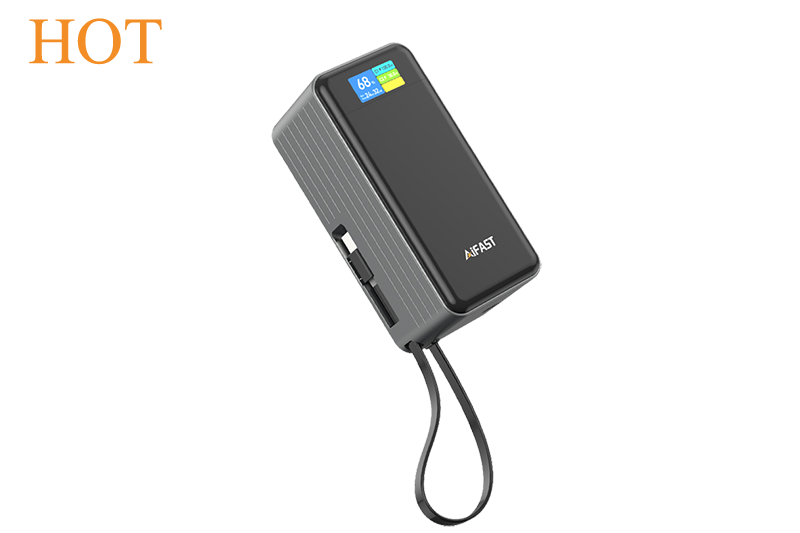
 ESC-X019 65W Fast charge power bank
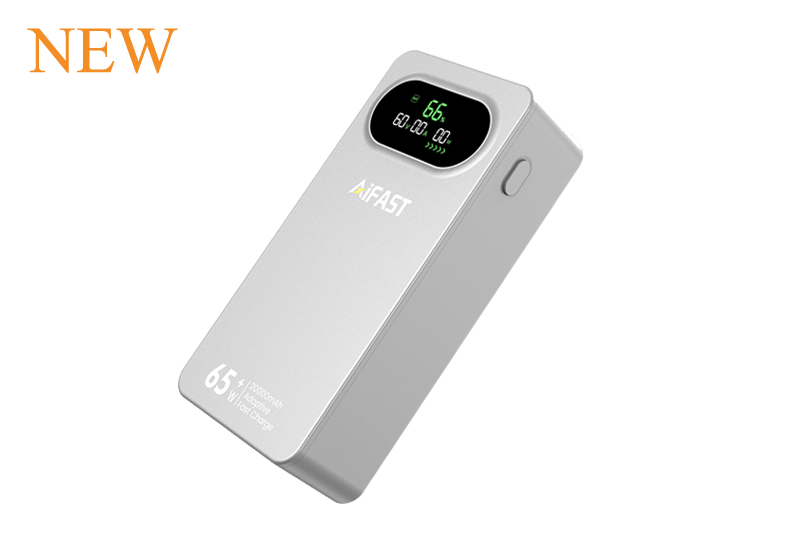 ESC-X018 65W Ultra-Fast 10000mAh Power Bank with TFT Display & Retractable Cable
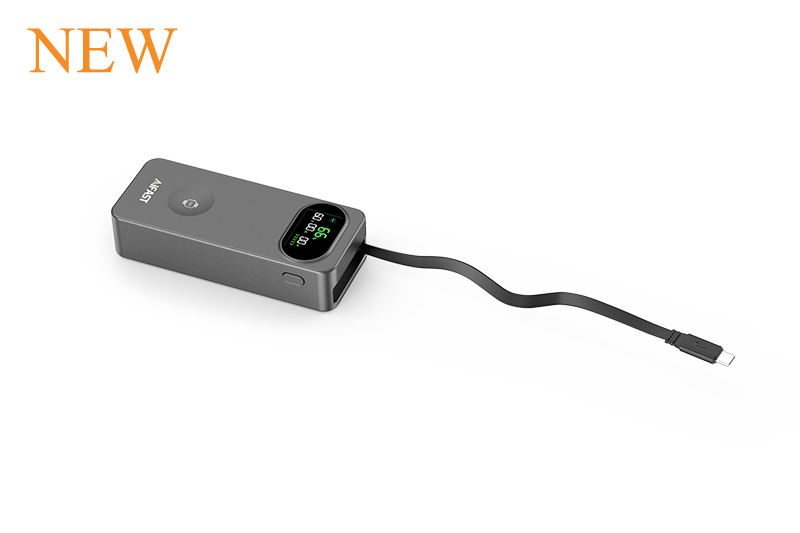 ESC-X017 65W Ultra-Fast 20000mAh Power Bank with TFT Display & Retractable Cable
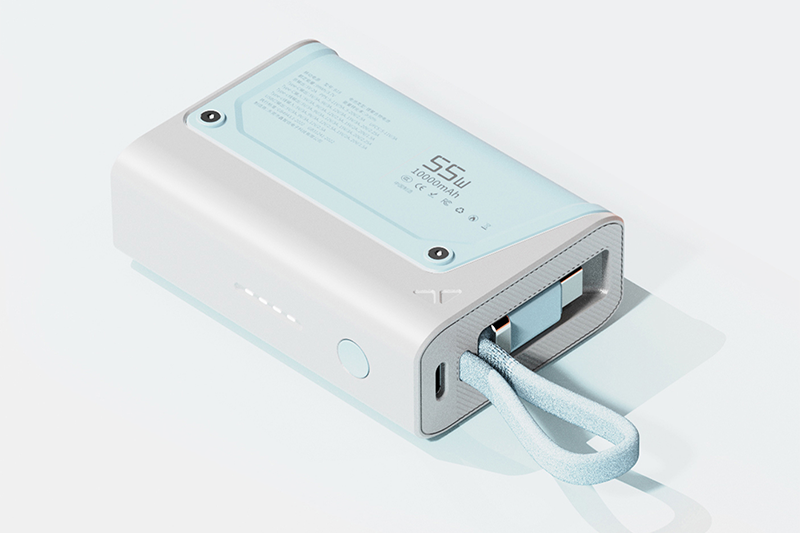 ESC-X020 10000mAh 55W Fast Charge Power Bank with cable built-in
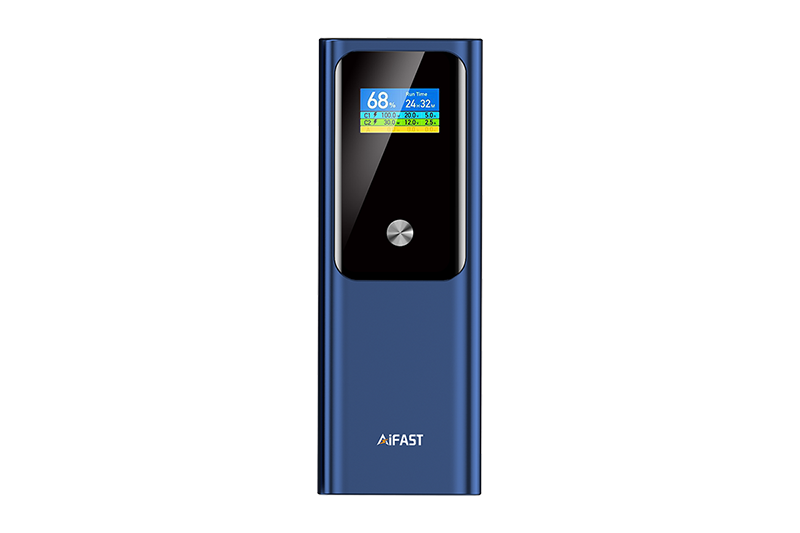 ESC-X016 120W 20000mAh Power Bank with Multi-Protocol TFT Display
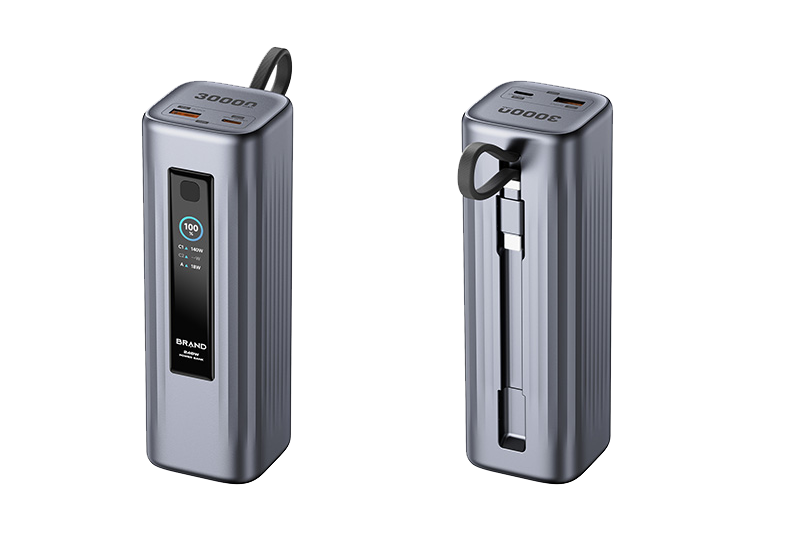 ECS-X022 145W 30,000mAh Power Bank with TFT Display & Retractable Cable
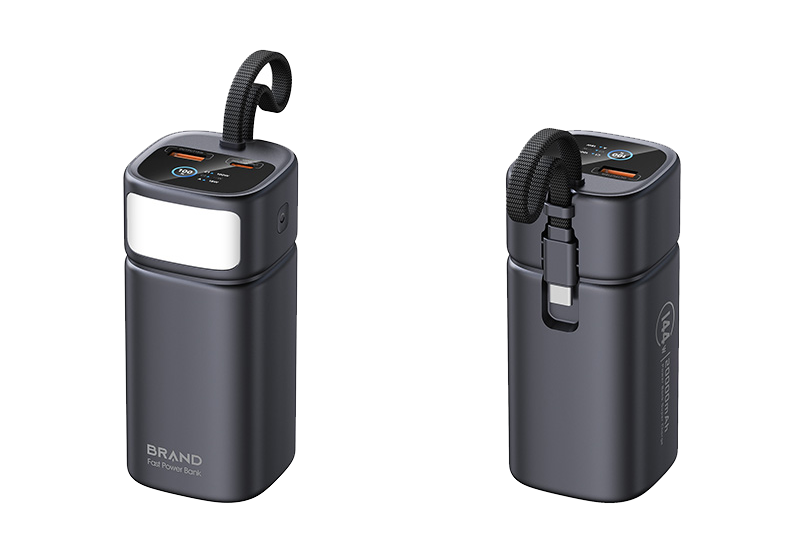 ECS-X021 100W 20,000mAh Power Bank with TFT Display & Retractable Cable
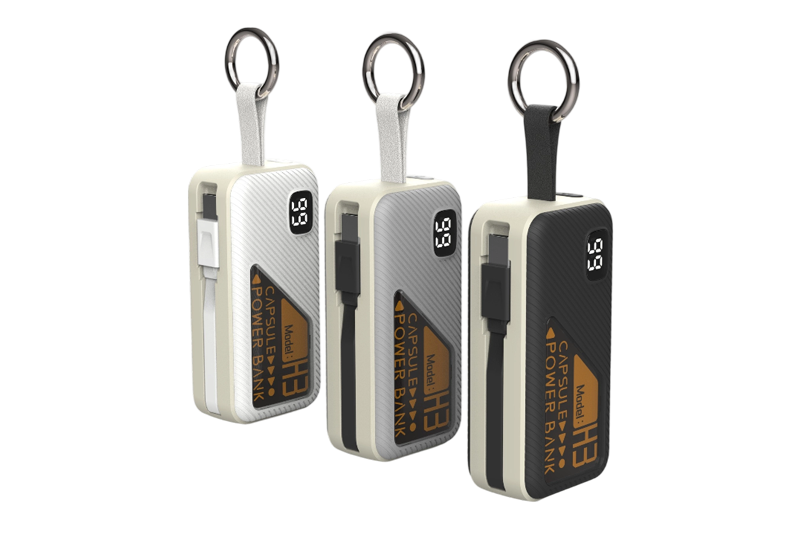 ESC-X023 20W Fast Charging Capsule Power Bank
 ESC-X024 22.5W 10,000mAh Fast Charging Power Bank
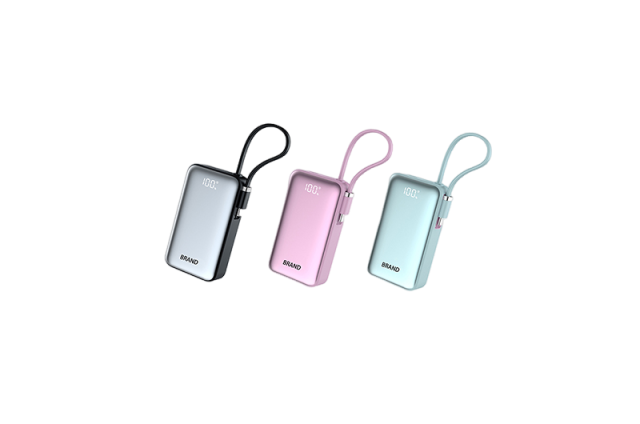 ESC-X025 22.5W Built-in Cable Portable Power Bank
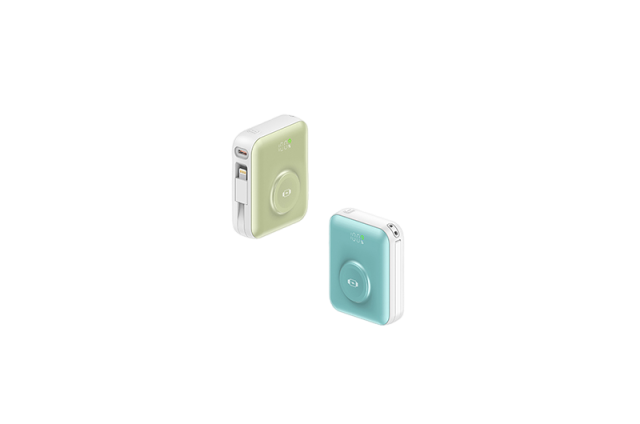 ESC-X026 22.5W 10000mAh Wireless Mini Size Power Bank
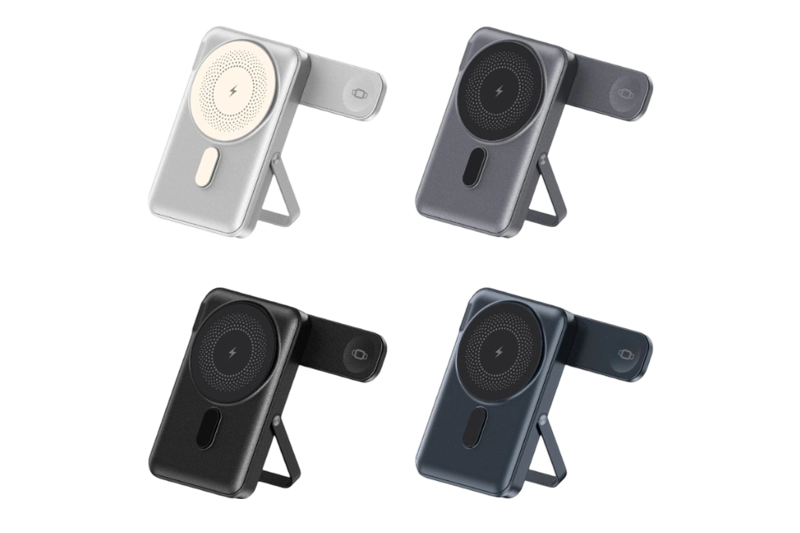 ESC-W018 3-in-1 MagSafe-Style Wireless Charging Stand
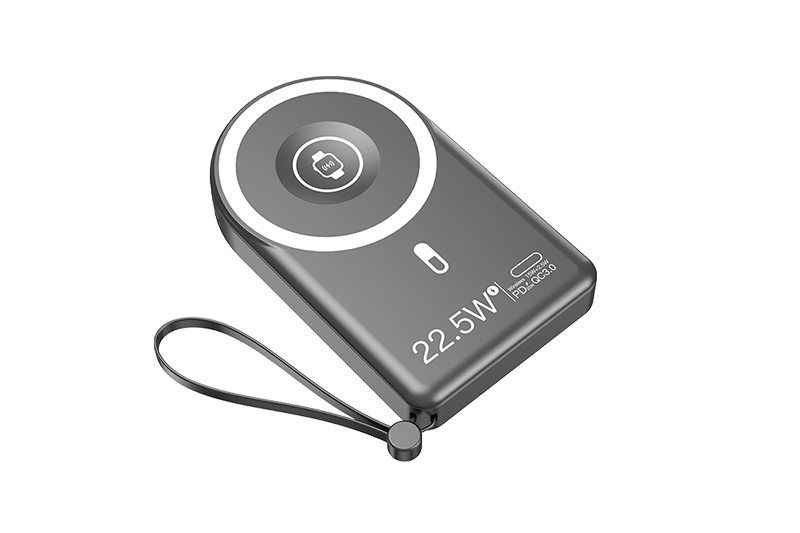 ESC-W017 5000mAh Wireless Ultimate All-in-One Power Solution for Samsung & iPhone Users
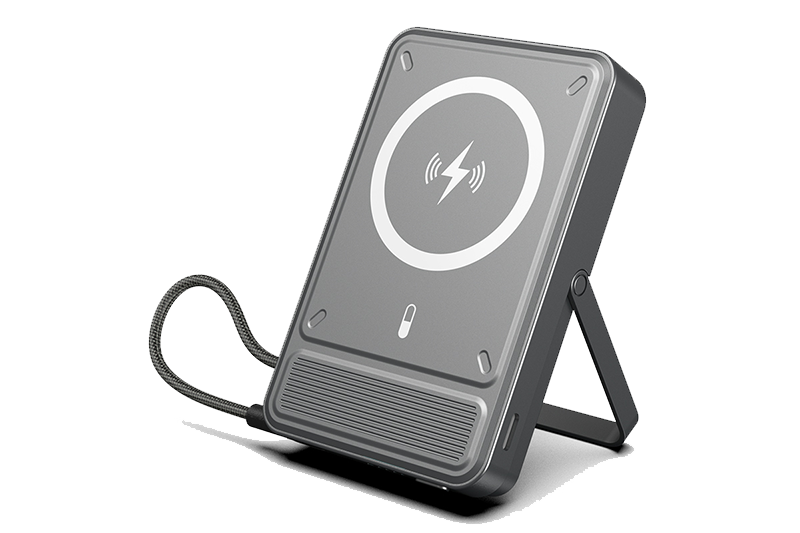 ECS-W016 45W Wireless Power Bank
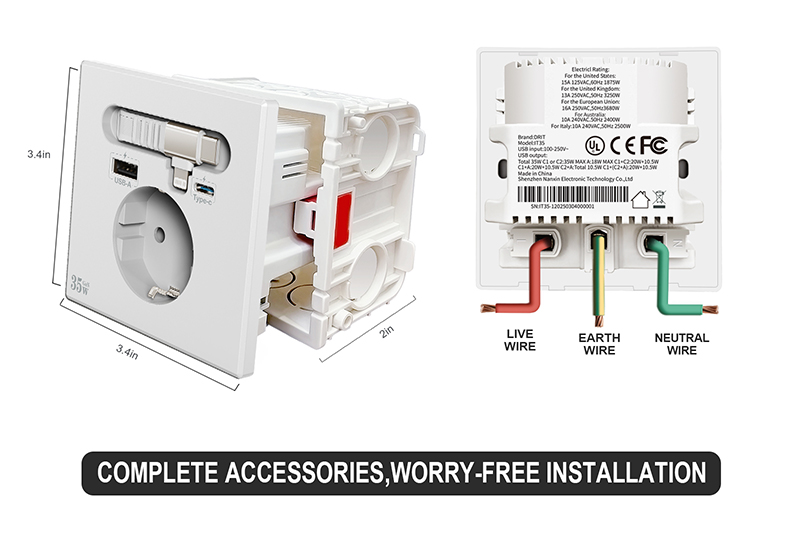 ESC-C019 Ultimate Universal 35W GaN Wall Socket
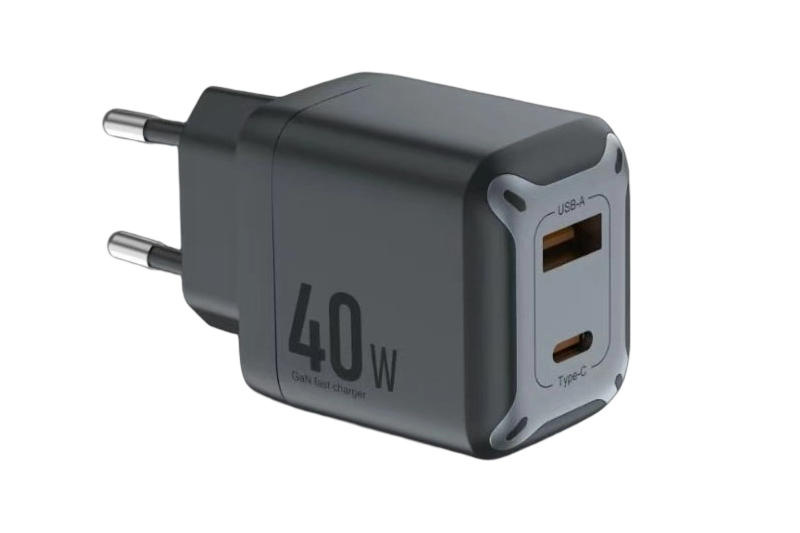 ESC-C018 Small Size 40W GaN Travel Charger
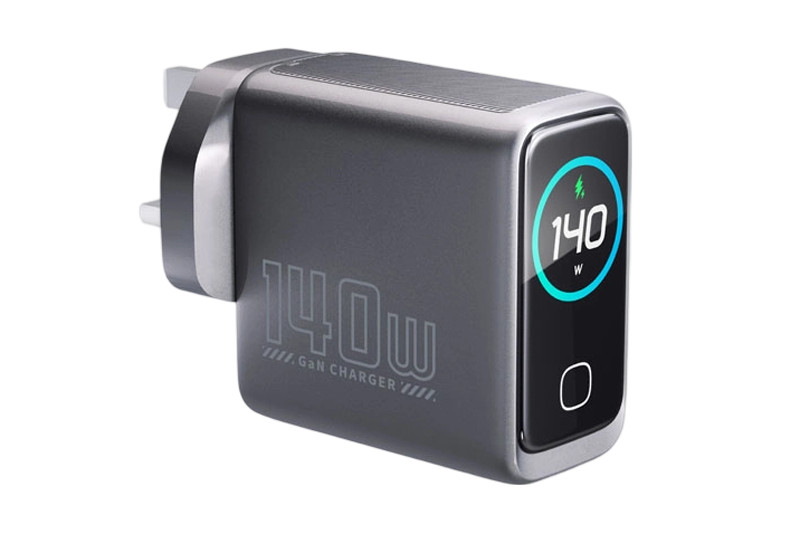 ESC-C017 140W HIGH Speed TFT Screen GaN Charger
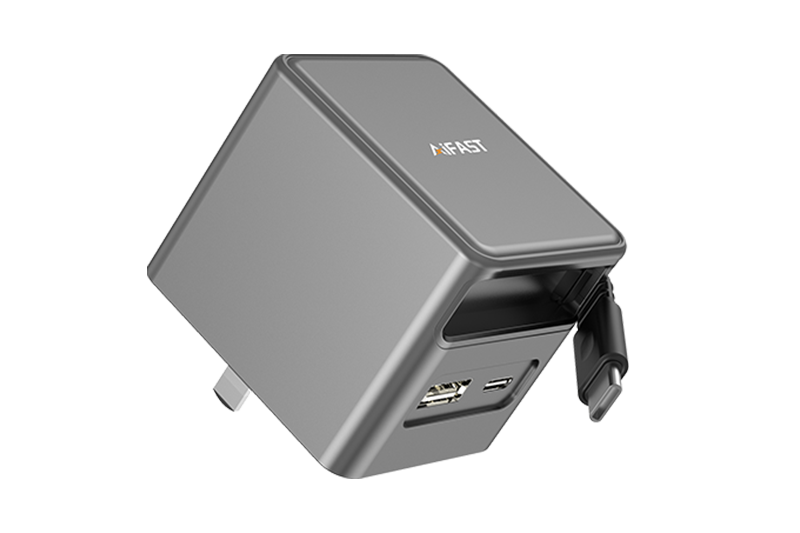 ESC-C016 65CM 65W HIGH Speed Retractable Cable GaN Charger


 Whatsapp
 Wechat

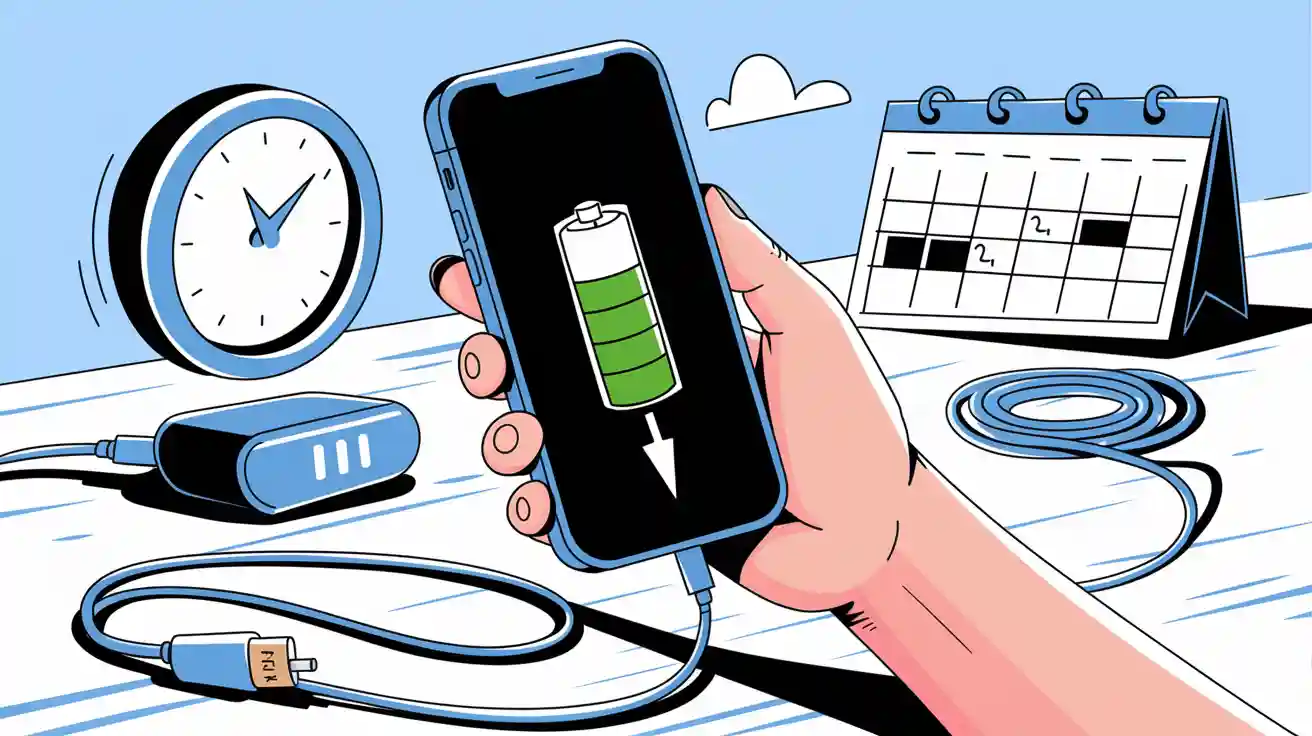

Portable Power for Laptops: A Must-Have Guide for the Modern Professional
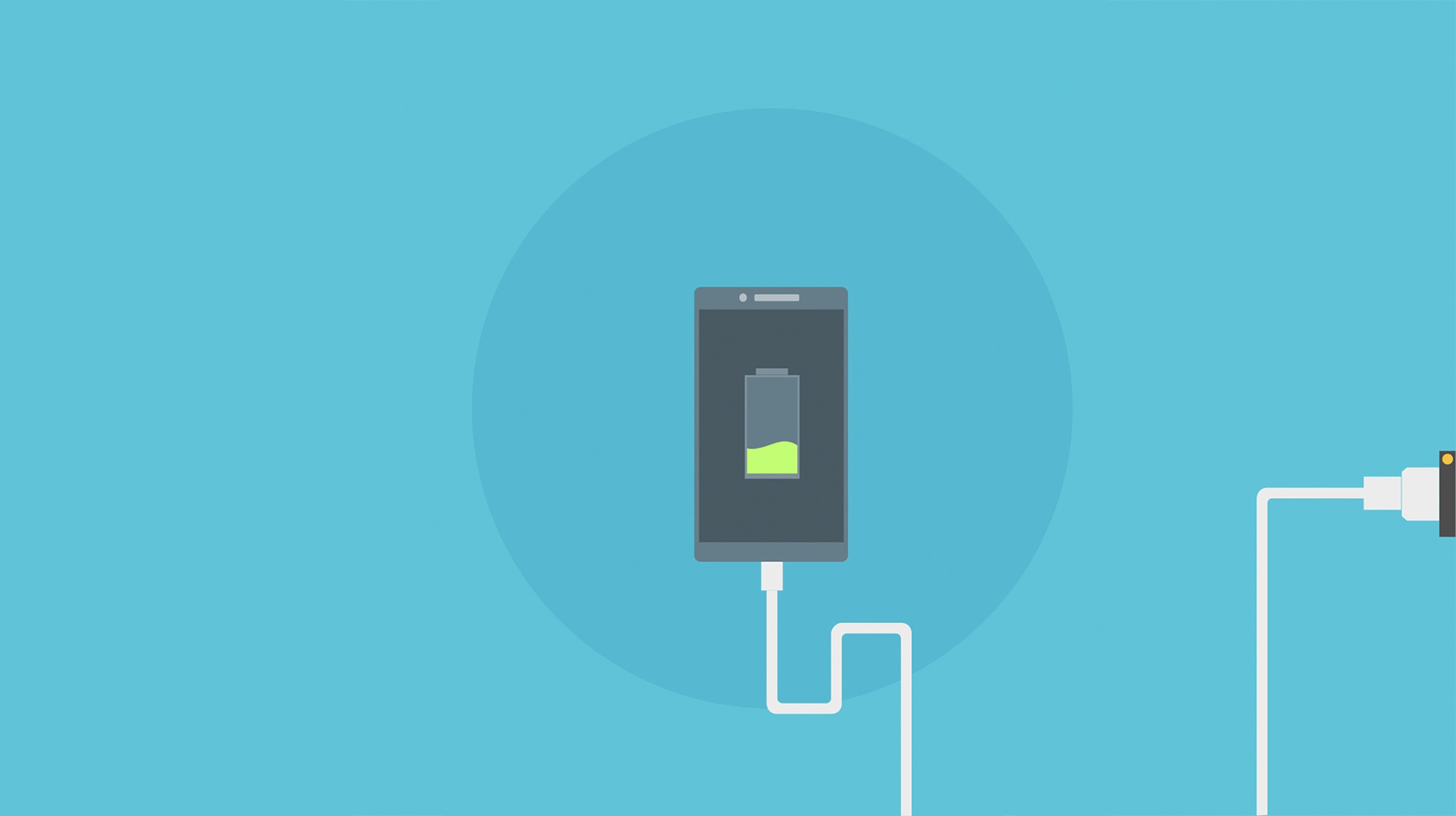
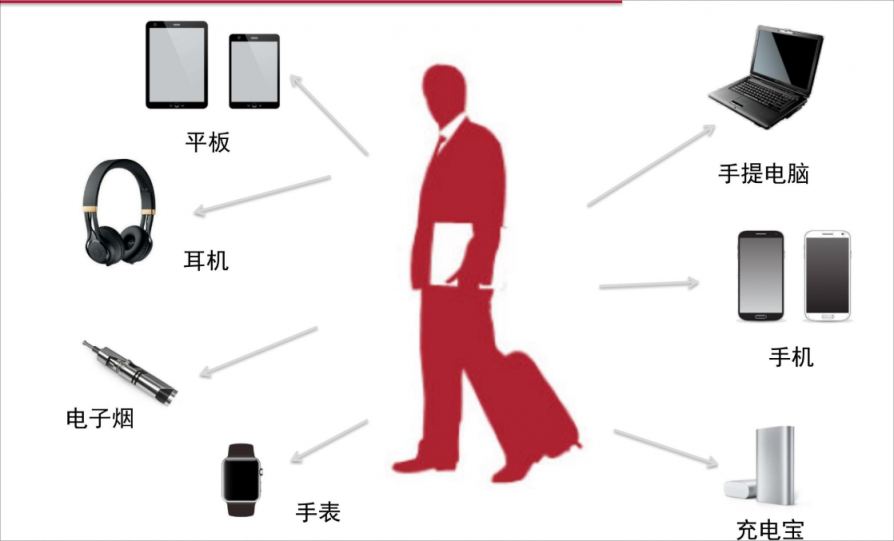
As a tech enthusiast, I know the pain of laptop battery anxiety all too well: that low-power warning mid-work session at a cafe, the frantic search for an outlet during an airport layover, or the agonizing realization that the power cord won't reach in the library. These frustrations were my norm until I discovered the power bank truly built for laptop users.
Three Core Specs for Choosing the Right Laptop Power Bank
Selecting a Laptop Power Bank isn't just about capacity—it's about smart power delivery. Wholesalers and brand managers must focus on these three key specifications to meet market demand:
1. Power Output (Wattage) – The Key to Laptop Charging
Laptops require significantly higher wattage than phones to charge effectively or even operate. The rule of thumb for effective charging is:
-
30W - 45W: Suitable for emergency charging of ultrabooks (e.g., MacBook Air, Huawei MateBook X).
-
65W - 100W: Ideal for most thin-and-light and business laptops (e.g., MacBook Pro, ThinkPad, Xiaomi Notebook).
-
100W+: The standard for mobile workstations, gaming laptops, and simultaneous multi-device charging.
2. Capacity (mAh) – Determining Runtime
A critical factor for travel, capacity is strictly regulated. The civil aviation limit is 27,000mAh for carry-on luggage. Common capacity choices are:
-
10,000mAh: Best for daily commutes, offering an extra 3-5 hours of laptop runtime.
-
20,000mAh: The top choice for business trips and travel, capable of fully charging a MacBook Air 1 to 1.5 times.
-
25,000mAh+: Recommended for long-haul trips or heavy multi-device users, though they come with greater weight.
3. Ports & Protocols – Ensuring Universal Compatibility
Maximize market appeal by prioritizing versatile connectivity:
-
Optimal models should feature multiple ports and fast-charging protocol support: at least one Type-C port (supporting Power Delivery - PD protocol), one USB-A port, and compatibility with mainstream fast-charging protocols like PD 3.0, QC 3.0, and Huawei SCP.
Featured Recommendation: The Ultimate Power Solution for the Mobile Professional
For business professionals and frequent travelers plagued by battery life concerns, we recommend the ESC-X016 Super Fast Charging Power Bank.
Core Highlights: 20,000mAh + 120W Total Fast Charging (100W Single Port)
Real-World Performance & Selling Points:
-
Advanced Thermal Management: Features a metal vapor chamber/heat plate cooling technology to ensure stable, high-power output without overheating.
-
Real-Time Data Monitoring: A 2.54-inch color screen allows users to monitor real-time wattage, battery level, and charging status.
-
Simultaneous Triple-Port Output: Capable of 120W combined output (e.g., 100W Type-C + 20W USB-A).
-
Original Charging Speed Emulation: Crucially, it matches the fast-charging protocols of various laptop and phone brands, delivering truly optimized speed—achieving a 5-minute charge for a half-hour of laptop use.
Ideal User Segments: Gaming Enthusiasts, Creative Professionals, and Extreme Power Users.
A Retailer's Guide: Three Power Bank Traps to Avoid
Advise your customers (and avoid stocking) these problematic power banks:
-
"No-Name" or "Influencer" Models: The $9.99 special from a livestream often uses second-hand or salvaged battery cells. Expect capacity to drop by half after only 200 cycles. Safety is compromised.
-
Stated 50,000mAh+ Capacity: Remember the 27,000mAh civil aviation limit. Products claiming capacities far above this are either grossly exaggerated (false capacity) or prohibited from air travel.
-
Micro-USB Only Ports: It's 2025. Products relying solely on the outdated Micro-USB for self-charging will take 8 hours or more to recharge, leading to consumer frustration when time is critical.
Pro-Tips: Doubling Power Bank Lifespan
Educate your customers on maintenance to maximize product satisfaction:
-
Monthly Full Cycle: Perform a complete charge/discharge cycle at least once a month to prevent the lithium battery from entering a "deep discharge" state.
-
Avoid Extreme Heat: Never leave the power bank exposed to sunlight in a car during summer, as high temperatures significantly accelerate cell aging.
-
Storage Best Practice: For long-term storage, maintain a 50% charge and keep the unit in a cool, dry place.
The 2025 power bank market is no longer solely about capacity; safety, intelligence, and efficiency are the real competitive differentiators. This guide provides the insights needed to stock the best laptop power banks and help your customers eliminate battery anxiety once and for all.