
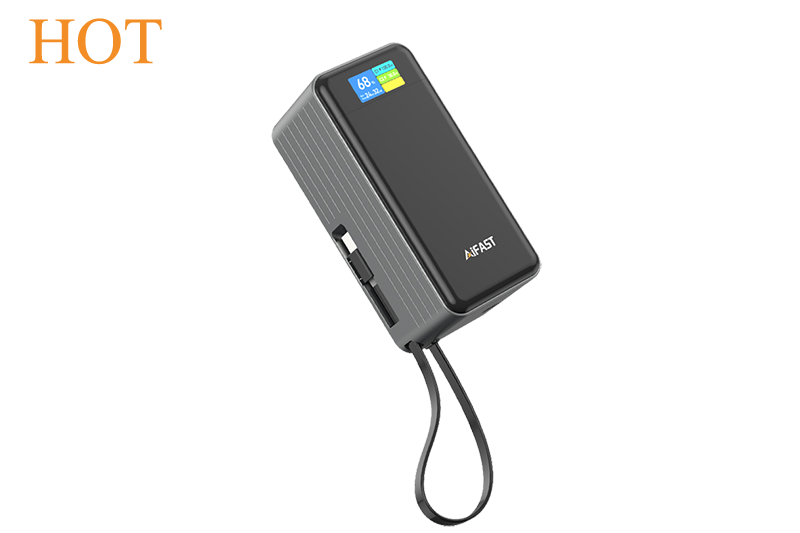
 ESC-X019 65W Fast charge power bank
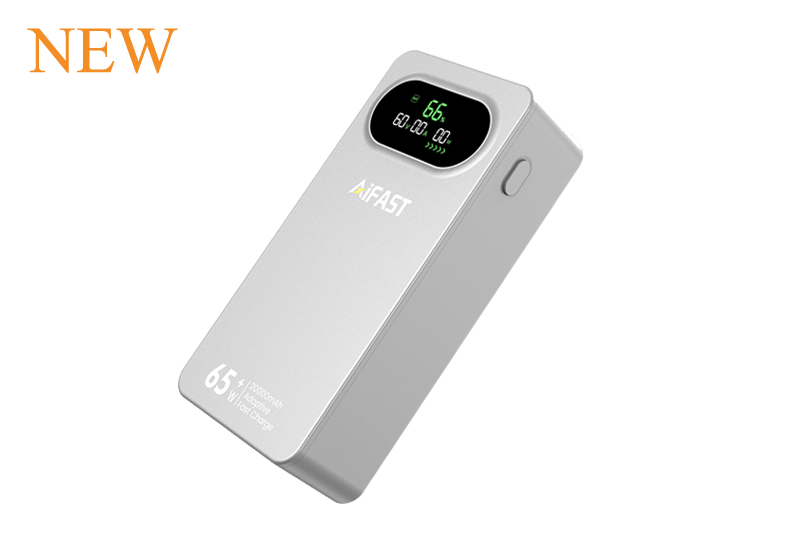 ESC-X018 65W Ultra-Fast 10000mAh Power Bank with TFT Display & Retractable Cable
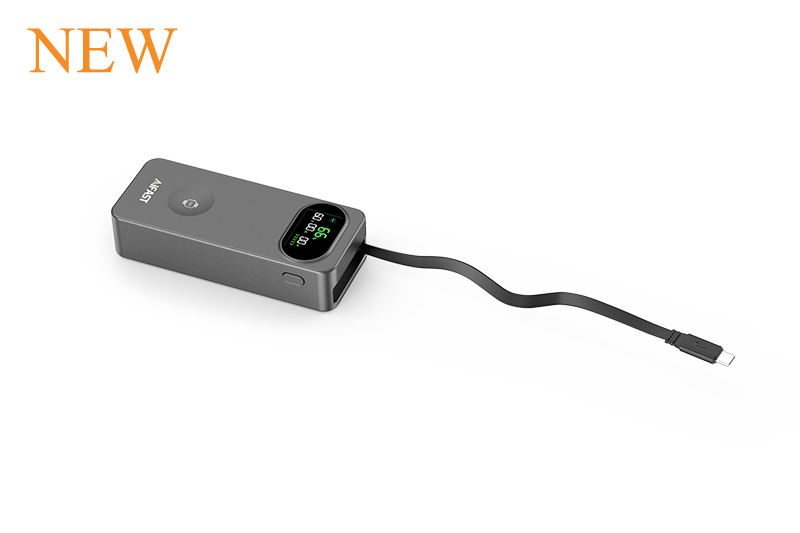 ESC-X017 65W Ultra-Fast 20000mAh Power Bank with TFT Display & Retractable Cable
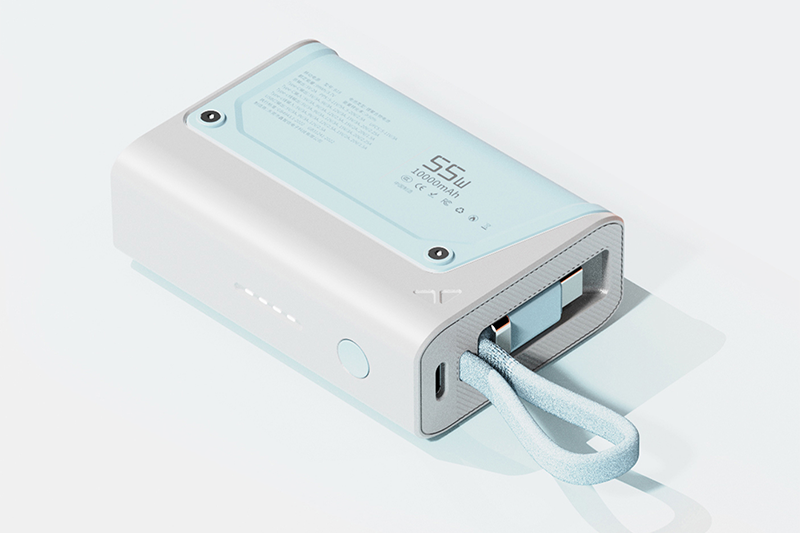 ESC-X020 10000mAh 55W Fast Charge Power Bank with cable built-in
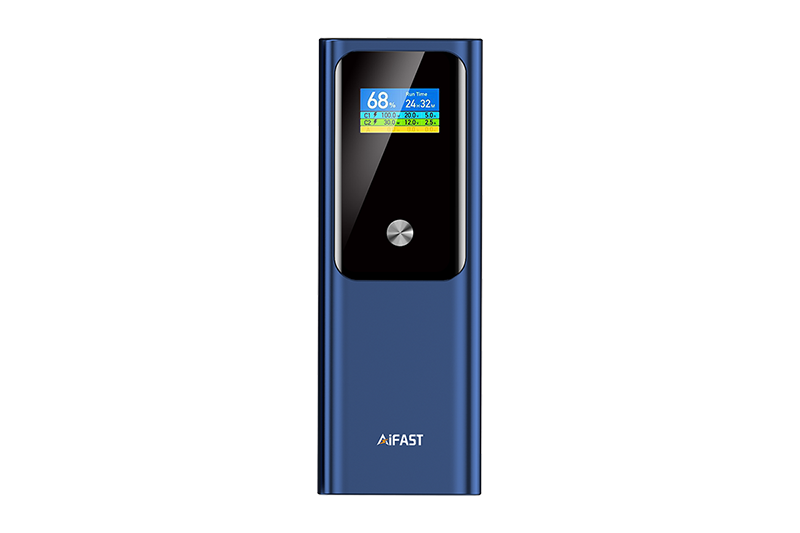 ESC-X016 120W 20000mAh Power Bank with Multi-Protocol TFT Display
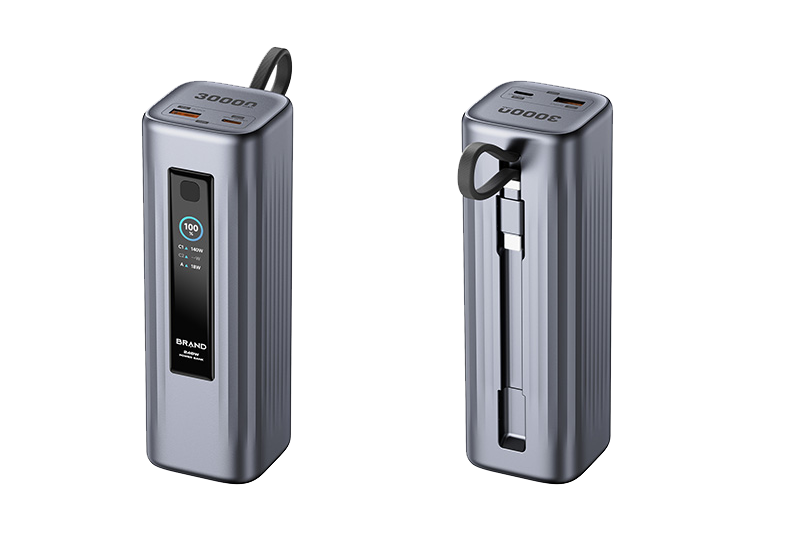 ECS-X022 145W 30,000mAh Power Bank with TFT Display & Retractable Cable
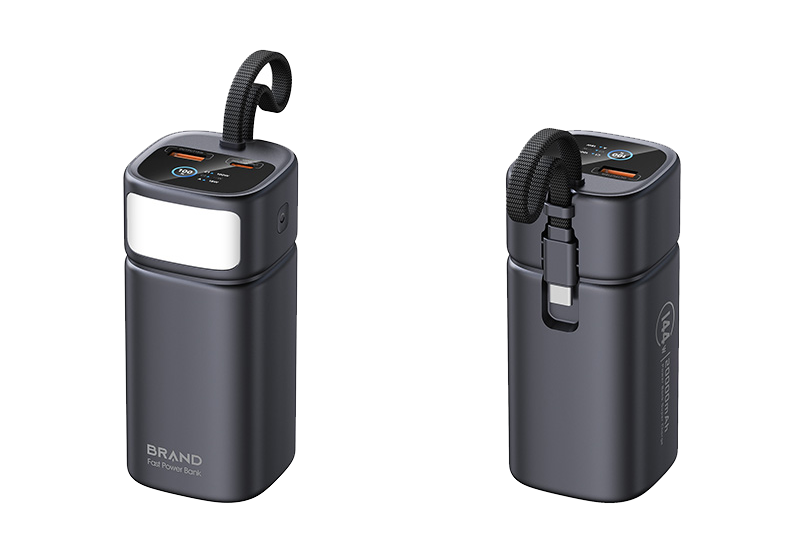 ECS-X021 100W 20,000mAh Power Bank with TFT Display & Retractable Cable
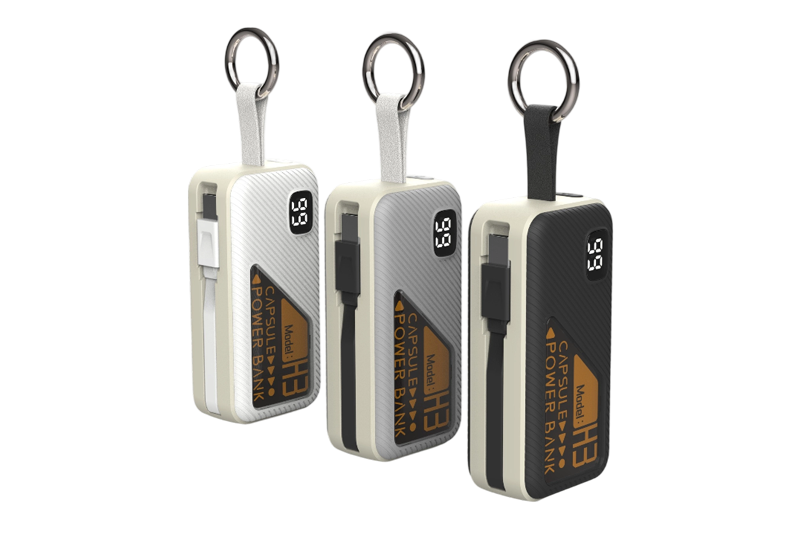 ESC-X023 20W Fast Charging Capsule Power Bank
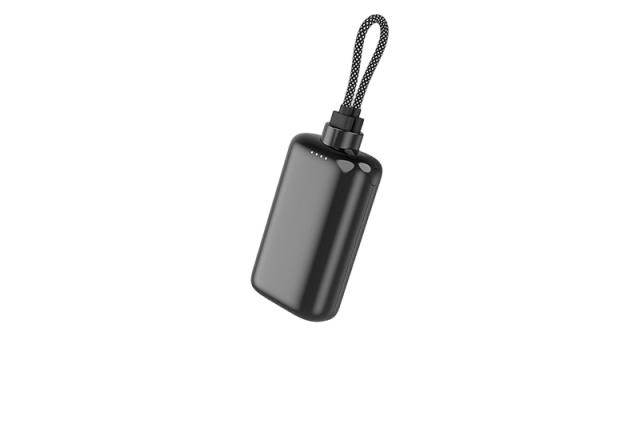 ESC-X024 22.5W 10,000mAh Fast Charging Power Bank
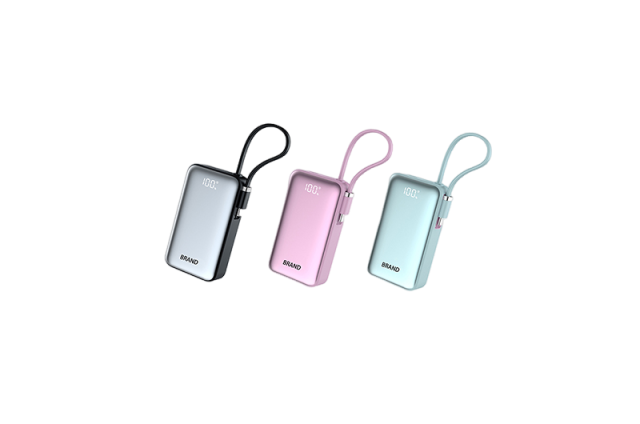 ESC-X025 22.5W Built-in Cable Portable Power Bank
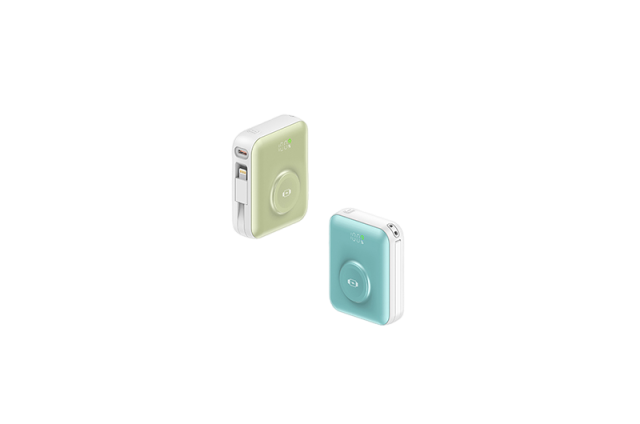 ESC-X026 22.5W 10000mAh Wireless Mini Size Power Bank
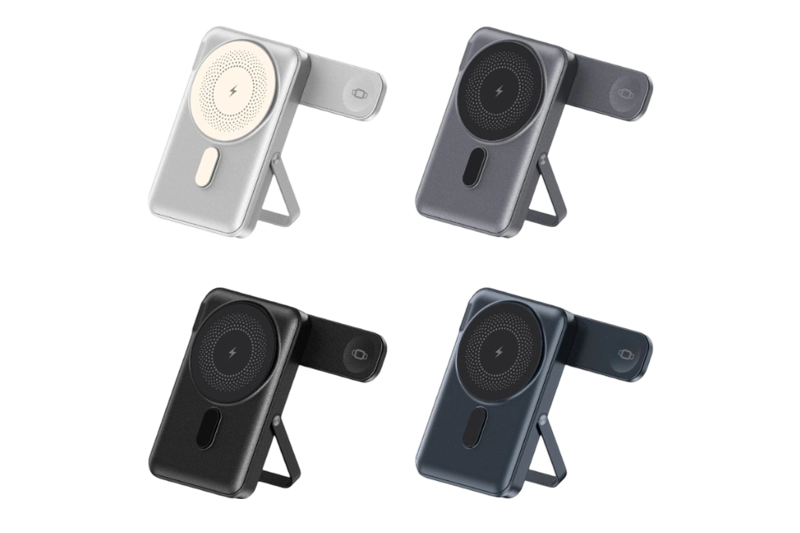 ESC-W018 3-in-1 MagSafe-Style Wireless Charging Stand
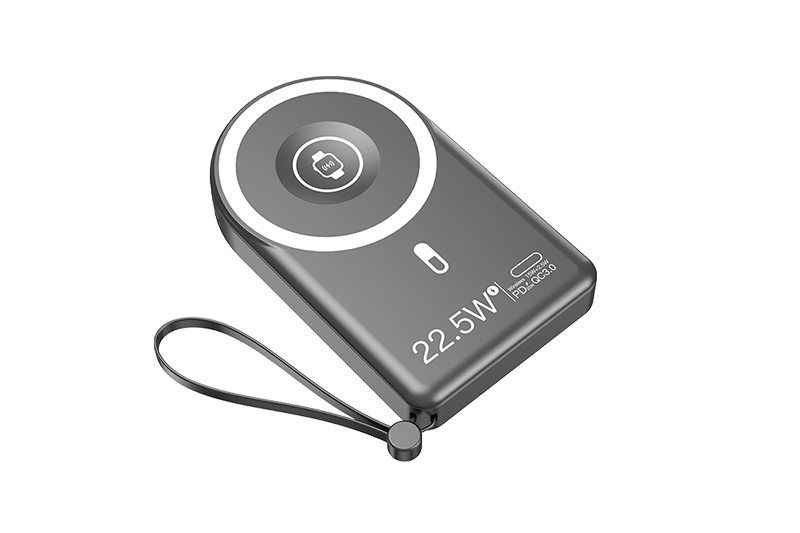 ESC-W017 5000mAh Wireless Ultimate All-in-One Power Solution for Samsung & iPhone Users
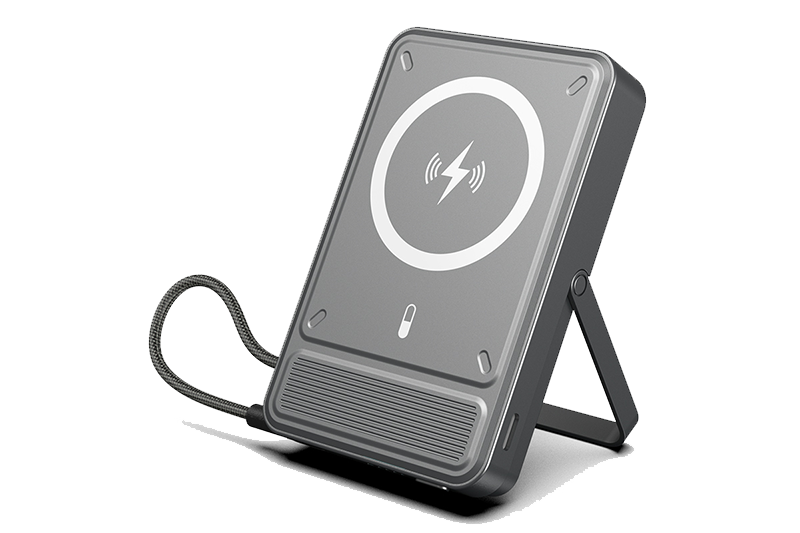 ECS-W016 45W Wireless Power Bank
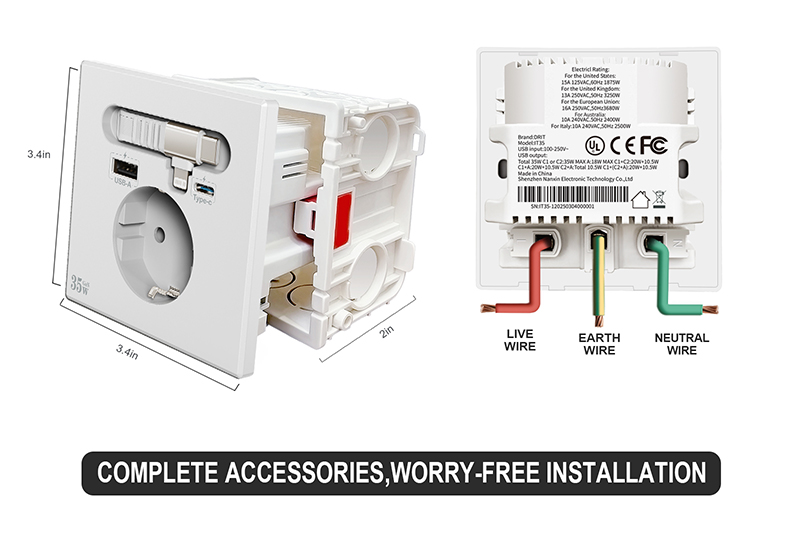 ESC-C019 Ultimate Universal 35W GaN Wall Socket
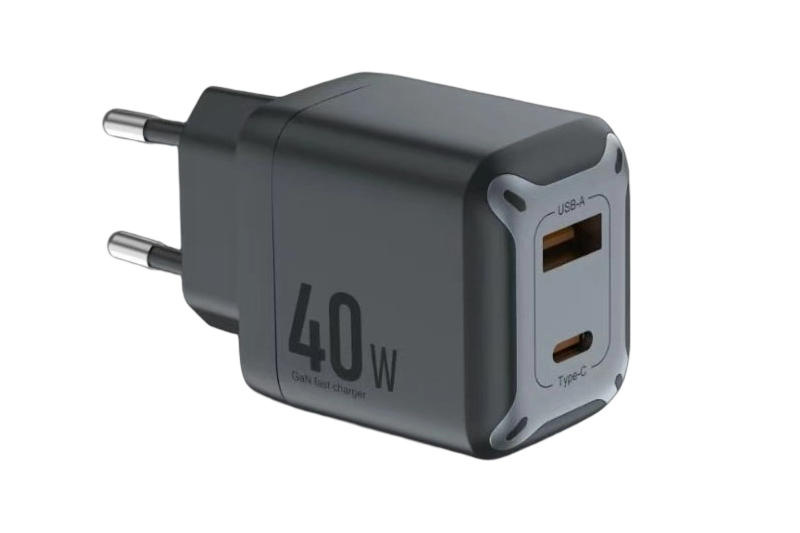 ESC-C018 Small Size 40W GaN Travel Charger
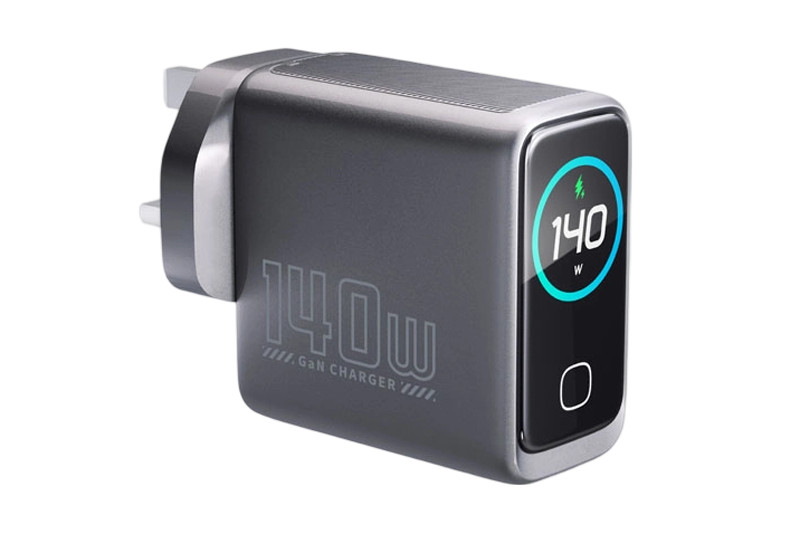 ESC-C017 140W HIGH Speed TFT Screen GaN Charger
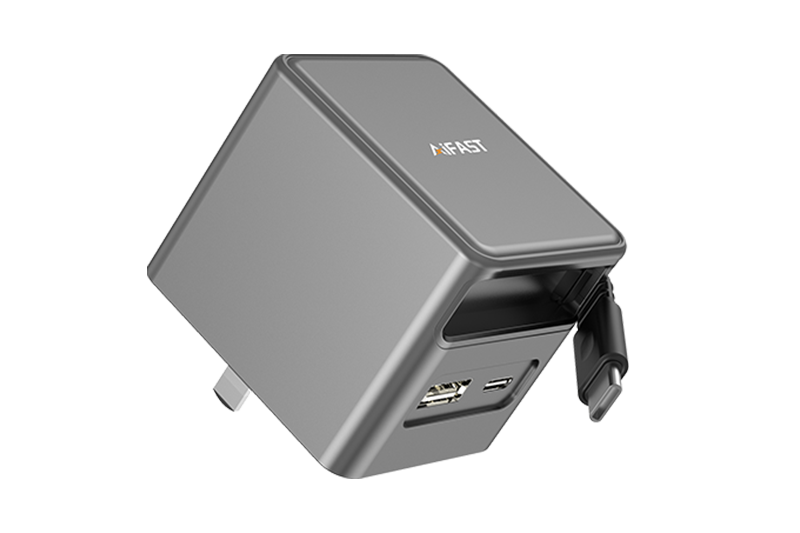 ESC-C016 65CM 65W HIGH Speed Retractable Cable GaN Charger


 Whatsapp
 Wechat




Power Bank Safety Standards Revolution: China's New Regulations and Their Global Impact
The complete invalidation of China's mandatory 3C certification for power banks marks a pivotal moment. Can your newly purchased power bank still be used? As the countdown begins for the implementation of the "strictest in history" power bank safety standard, a restructuring "storm" is sweeping across the entire mobile power supply sector.
The Impending "New Standard" and Industry Restructuring
It was recently reported that the Ministry of Industry and Information Technology (MIIT) held multiple symposiums in October and November to solicit feedback on the draft of the "Safety Technical Specifications for Mobile Power Banks" (referred to as the "New Regulation"). Compared to the old standards, this New Regulation introduces dozens of rigorous improvements across three key technical domains: the complete device, circuit boards, and battery cells.
A responsible person from a participating company stated to a financial reporter: "The standards formulated this time are extremely strict, which many factories will find challenging to meet. The MIIT’s stance is clear: if you cannot meet the standard, you must cease production, as there will always be some companies capable of compliance."
The same source disclosed that nearly 300 companies across the supply chain participated in the discussions. Representatives from various segments—including chips, mainboards, and battery cells—offered professional suggestions, some of which were adopted by the MIIT.
"After three or four rounds of workshops, the standard has been largely finalized. It is expected to be publicly announced in December, officially released in February 2026, and implemented in June of the same year. Once the New Regulation is enforced, the original 3C certification rules will be entirely superseded," the executive confirmed.
An industry veteran in the power bank supply chain commented, "This is not just a technological upgrade; it's a major industry examination." The executive estimated that once the new rules are implemented, nearly 70% of current production capacity may be forced to exit the mobile power market due to non-compliance with the new technical requirements.
A Six-Month Transition Period Defines Industry Survival
Following widespread concerns over mobile power safety earlier this year (triggered by incidents involving the Romoss brand), regulatory policies for the power bank industry have been steadily tightening, with the MIIT mandating 3C certification for all businesses. The continuous refinement of the "Safety Technical Specifications for Mobile Power Banks" draft now heralds another significant regulatory adjustment.
Key Technical Upgrades in the New Regulation:
-
Complete Device Level: The new rule moves beyond merely marking the brand name. It explicitly mandates that the outer casing must be labeled with the "Suggested Service Life" and the full name of the contract manufacturer. This strengthens product traceability, provides consumers with a clearer understanding of the product's lifespan, and enhances market transparency.
-
Circuit Board Level: It enforces the mandatory inclusion of an LCD screen or a networked application to display critical parameters in real-time, such as battery health status and usage cycles. This moves power banks from being "black box" devices to becoming intelligent products with high information transparency, giving users real-time perception of the device's condition.
-
Core Battery Cell Level: The new national standard introduces multiple reinforced safety tests, including more stringent nail penetration tests. The thermal abuse test conditions are raised from $130^\circ\text{C}$ for 30 minutes to $135^\circ\text{C}$ for 60 minutes. Furthermore, the overcharge test voltage is increased to 1.4 times the specified voltage. These technical improvements directly address the fundamental aspects of battery safety, aiming to suppress the risk of thermal runaway at the source.
The introduction of the new national standard is directly related to the increasing severity of the industry's safety situation. In the past six months, there have been over 700 safety incidents in the power bank sector, significantly impacting daily life and sectors like air travel. Data indicates a frequent occurrence of power bank spontaneous combustion and explosions in recent years. In 2024 alone, there were 37 mobile power self-ignition incidents on domestic flights, with 81% involving low-quality products without 3C certification. The safety hazard in the confined space of an aircraft cabin has become a major public safety focus.
The mobile power industry, which emerged with the popularity of smartphones, has developed for nearly two decades. The original standards are no longer adequate for current safety demands. The insider added that early standards primarily served as a "baseline safety net" for the industry, while the new standards are intended to drive high-quality industrial upgrading, guiding the sector from a focus on "existence" to one on "quality."
Regarding the implementation schedule, the source mentioned that a six-month transition period will be set for products currently in circulation that have obtained the latest 3C certification, allowing companies to clear inventory. Some products may be redirected to lower-end markets in regions like Africa and Latin America. After the New Regulation takes effect, products already sold to consumers can continue to be used, but unsold products must be sold or withdrawn from the market before the implementation date. This implies that a large quantity of old-standard power banks is facing a "final sales window." Be cautious, as some factories might aggressively promote "cheap but good" power banks—these could be old inventory unsellable in China, posing potential safety risks.
It is important to note that regarding air transport management, "products that have obtained 3C certification will still be permitted on board." The insider estimates that with the formal and stricter implementation of the new standard in 2026, only about half of the products currently on the market are expected to pass the new certification.
Manufacturing Costs Estimated to Rise by 30%
The aforementioned power bank supply chain veteran reported that as the safety standards spearheaded by the MIIT are significantly raised, this segment—once a red ocean plagued by price wars—is undergoing its most profound structural change in recent years.
The impact of the New Regulation on industry capacity is already evident. According to the source's analysis, the eliminated production capacity might be repurposed for sectors with lower battery performance requirements, such as toys or bedside lamps.
"The government hopes to thoroughly clear out low-quality and outdated production capacity through this rigorous new standard," the participating company executive emphasized. The policy direction is clearly aimed at industrial upgrading, ensuring that the future mobile power sector only retains products with high safety and long-life characteristics.
In response to this policy, some companies have begun to transform, while others with robust capabilities are making targeted improvements to comply with the new standard.
"We will close all e-commerce platforms in mainland China and suspend all retail operations by December 31 this year, completely abandoning the self-operated model. Starting in 2026, consumers will not be able to purchase our products directly on e-commerce platforms," said a manager from a new energy battery factory. The company has decided to shift its business focus entirely toward channel cooperation.
"Since we supply battery cells to multiple power bank brands, operating a finished product business simultaneously inevitably causes concerns for our clients. To maintain customer relationships, we have decided to concentrate on cell supply and voluntarily exit the finished product market competition," the manager explained.
Facing this test of survival, corporate strategies are distinctly polarized. Head companies with strong technical capabilities are actively positioning themselves to seize the next round of development opportunities. Industry sources informed the reporter that Anker Innovations has partnered with CATL (Contemporary Amperex Technology Co., Limited) to jointly develop high-standard battery cells that comply with the new national standard.
Simultaneously, upstream cell manufacturers like ATL, BYD, Sunwoda, and Mararthon have proactively submitted some of their products for the new safety testing, with certain models already passing the new safety specification tests. Two specific cell models have successfully passed the current phase of the new safety tests.
In contrast, small and medium-sized manufacturers lacking core R&D capabilities are facing development difficulties. For these companies, the strategic choice is tough: either invest substantial capital in production line upgrades and technical improvements, or gradually withdraw from the market, or seek survival by pivoting to adjacent fields with relatively lower technical requirements. This bifurcated landscape suggests that industry concentration will further increase, and market share will rapidly consolidate toward leading enterprises.
Cost pressure is a reality all market participants must confront. Industry estimates suggest that to fully comply with the new standards, the increased investment in R&D, production process modification, and certification testing will lead to an overall manufacturing cost increase of approximately 30% for power banks. This cost increase will inevitably be passed on to terminal retail prices.
Despite this, multiple industry insiders maintain a rationally optimistic view of this cost increase. They argue: "As a high-frequency consumer product, even if the terminal price of a power bank rises by 30% due to increased costs, it remains within an acceptable range for most consumers. More importantly, the lifespan of the new products will be substantially increased from the common 300 cycles to over 600 cycles, meaning the unit cost of use actually decreases. From a long-term perspective, consumers will gain enhanced safety assurance and a more cost-effective product experience."
This New Regulation on 3C certification for power banks in China aims to filter out high-quality suppliers from the source, ensuring safe, stable, and reliable products. Inferior, low-end products will either transition to other industries or be exported to other countries. Furthermore, with the continuous rise in battery cell material costs since 2024, if you are a brand owner or wholesaler importing power banks from China, it is crucial to pay close attention to the materials used in the power banks quoted by your suppliers. This upgrade in power bank quality in China is expected to drive a corresponding upgrade and improvement in power bank products globally.
Shenzhen ESC has always focused on the field of high-quality fast-charging power banks. To achieve the same charging speed as original adapters, we strictly select battery cells from industry benchmark brands like ATL. Only premium cells can meet the demands of our power banks for high-rate discharge and ensure full capacity, safety, and stability. We believe our clear and correct positioning on high quality will yield excellent results in this industry transformation, allowing us to proactively position our valuable clients in the market and become industry leaders.