
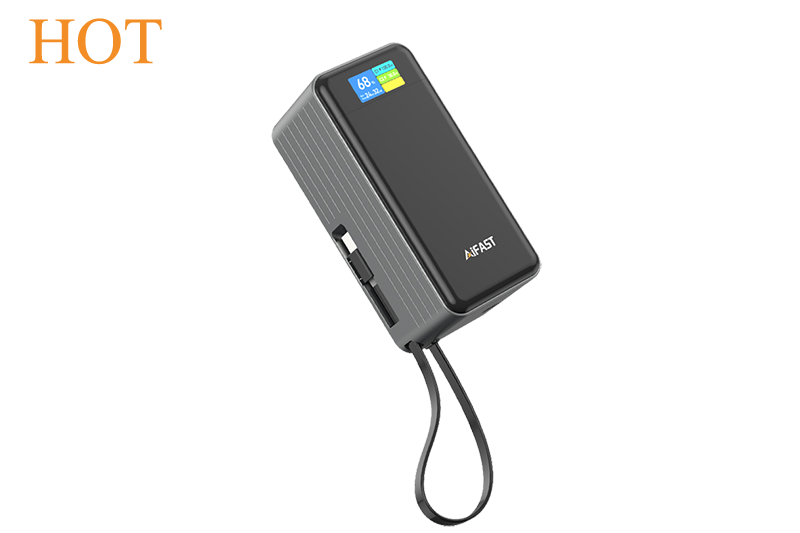
 ESC-X019 65W Fast charge power bank
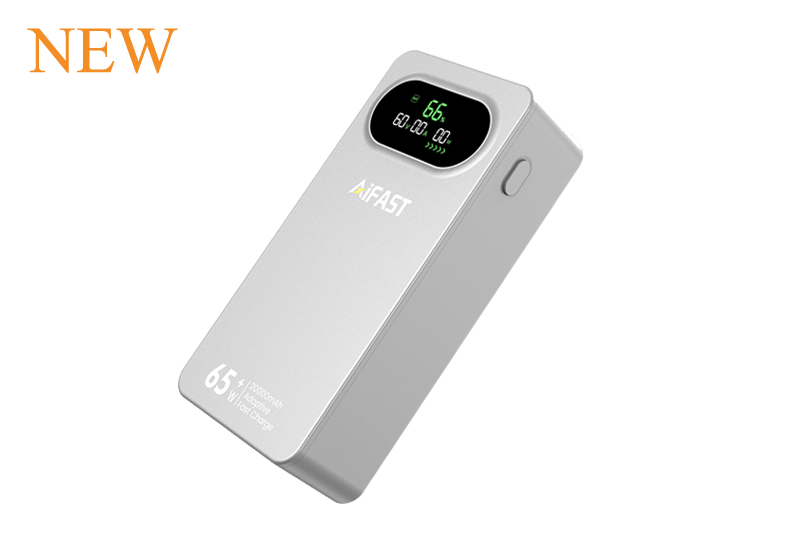 ESC-X018 65W Ultra-Fast 10000mAh Power Bank with TFT Display & Retractable Cable
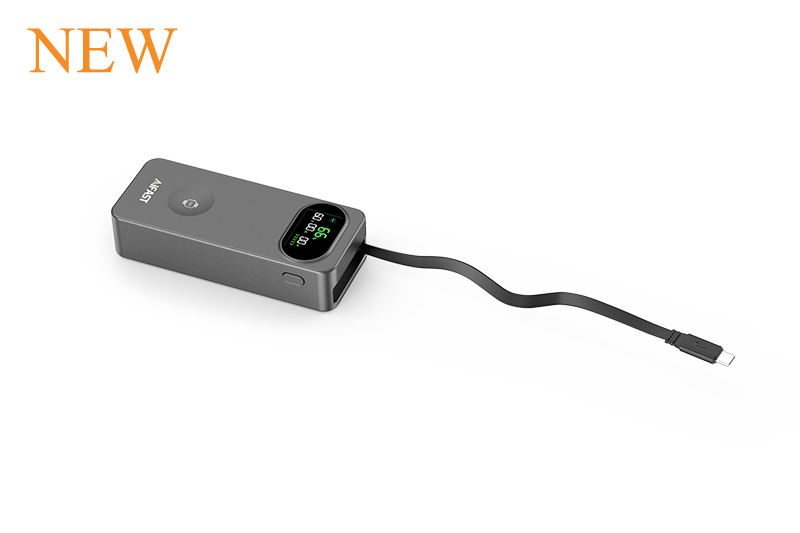 ESC-X017 65W Ultra-Fast 20000mAh Power Bank with TFT Display & Retractable Cable
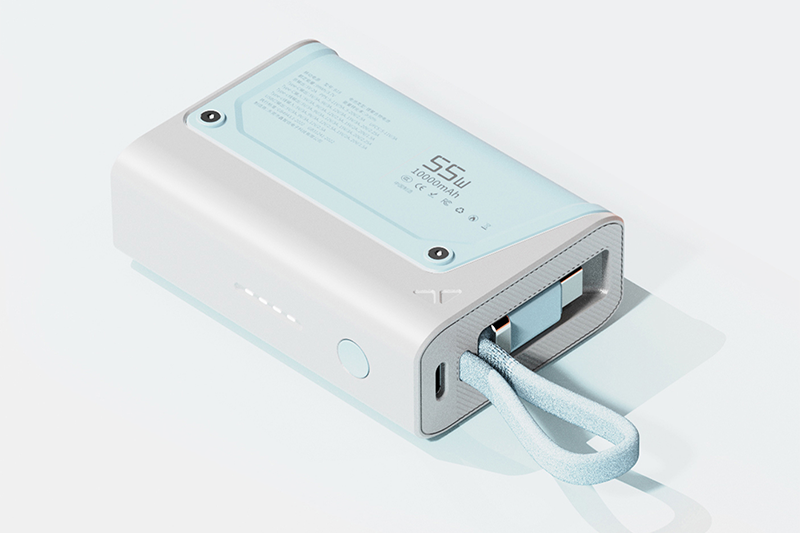 ESC-X020 10000mAh 55W Fast Charge Power Bank with cable built-in
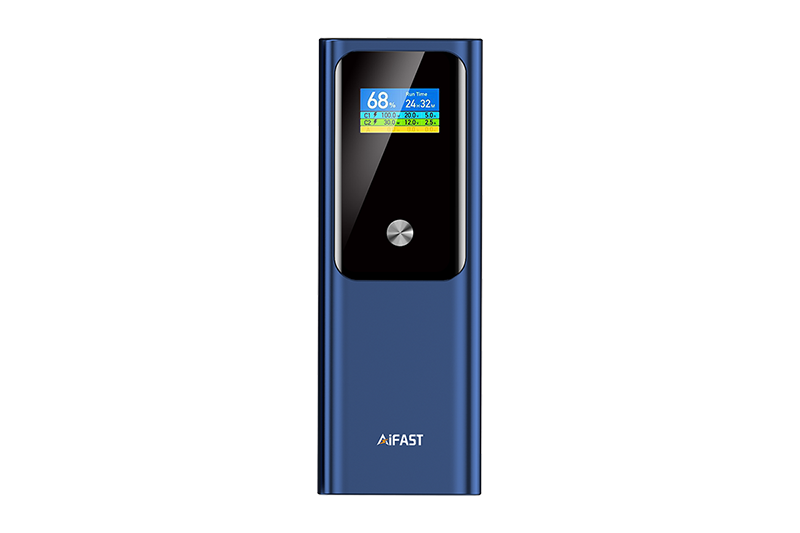 ESC-X016 120W 20000mAh Power Bank with Multi-Protocol TFT Display
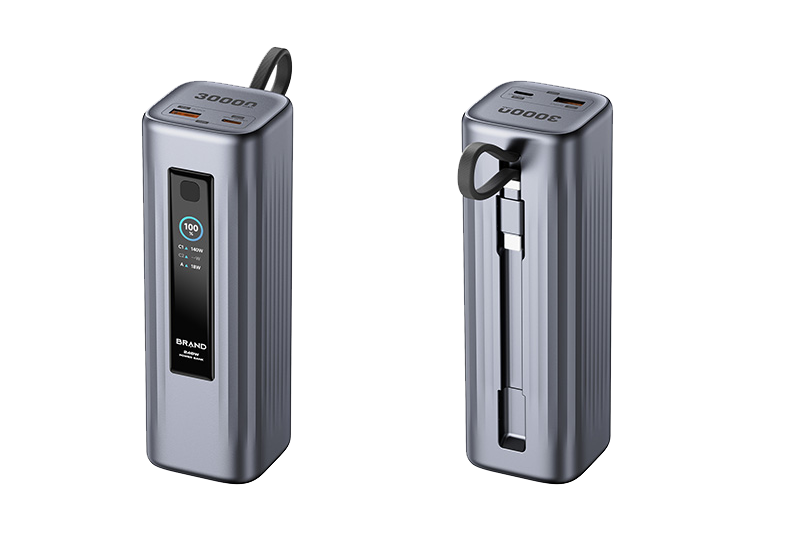 ECS-X022 145W 30,000mAh Power Bank with TFT Display & Retractable Cable
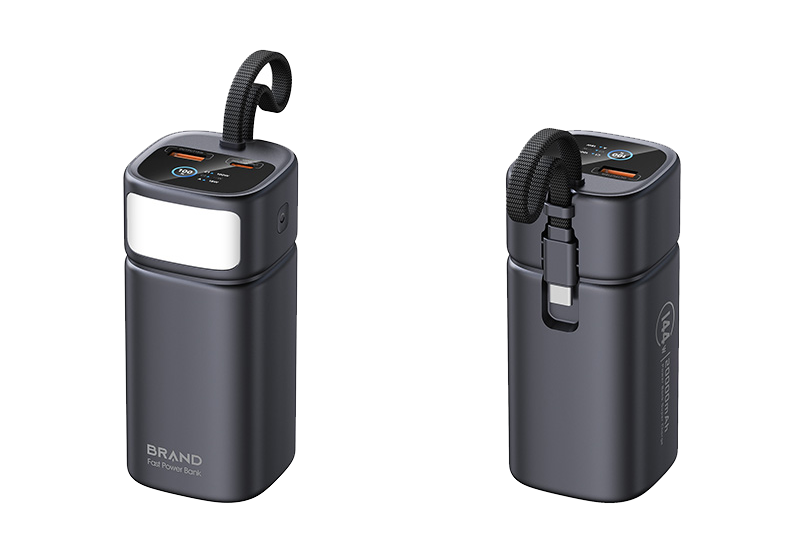 ECS-X021 100W 20,000mAh Power Bank with TFT Display & Retractable Cable
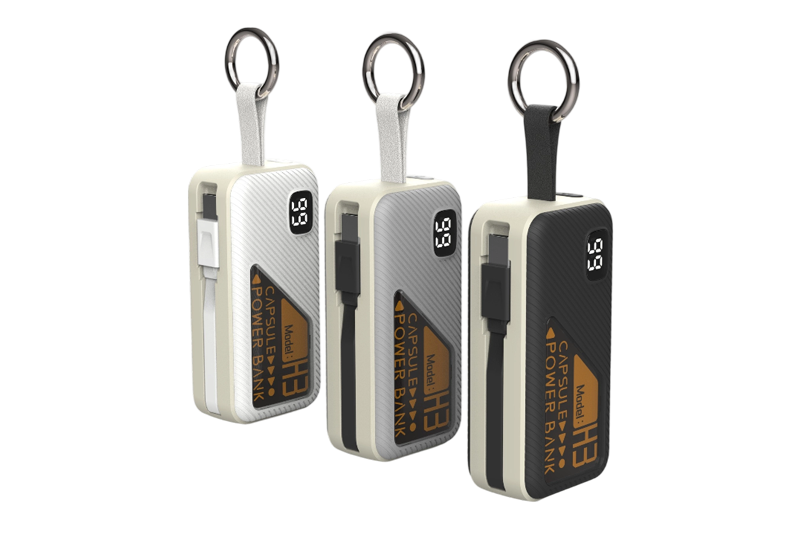 ESC-X023 20W Fast Charging Capsule Power Bank
 ESC-X024 22.5W 10,000mAh Fast Charging Power Bank
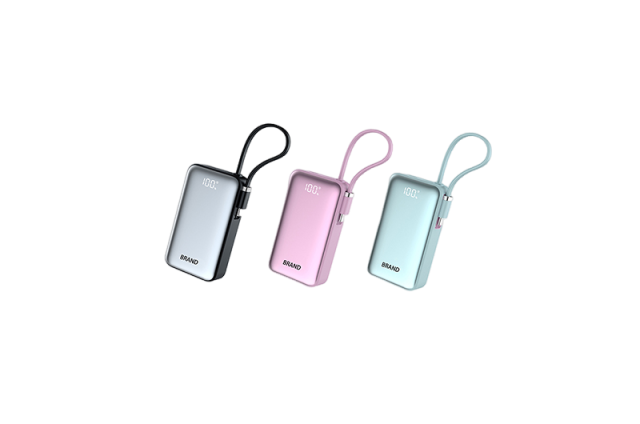 ESC-X025 22.5W Built-in Cable Portable Power Bank
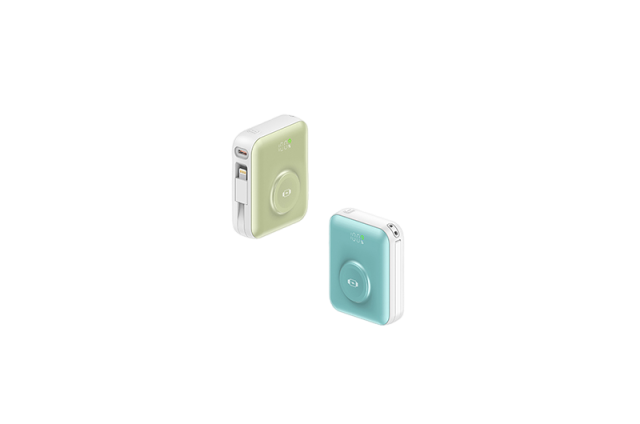 ESC-X026 22.5W 10000mAh Wireless Mini Size Power Bank
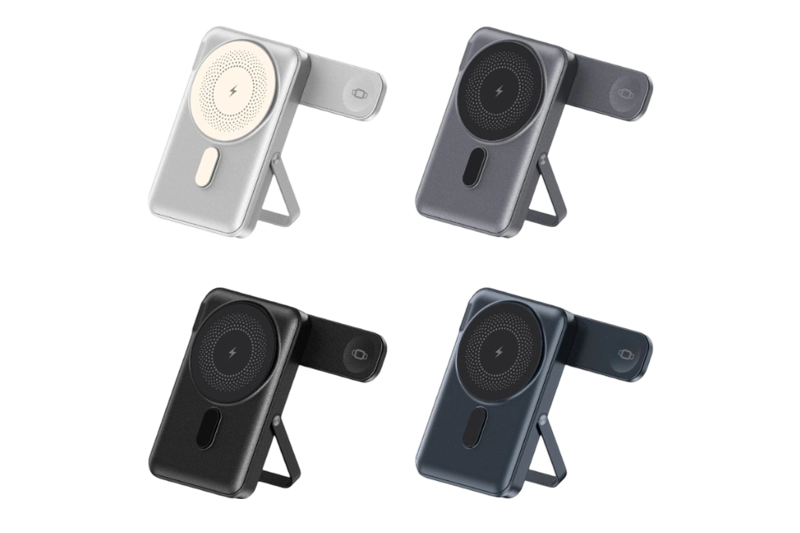 ESC-W018 3-in-1 MagSafe-Style Wireless Charging Stand
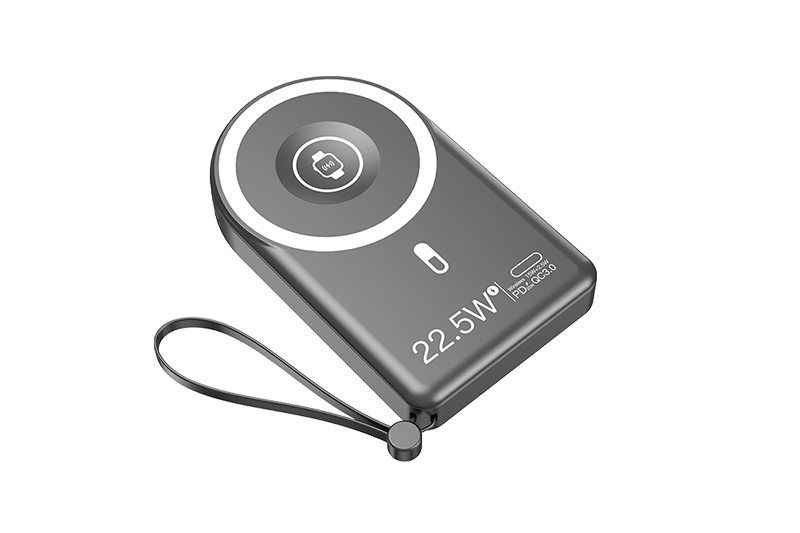 ESC-W017 5000mAh Wireless Ultimate All-in-One Power Solution for Samsung & iPhone Users
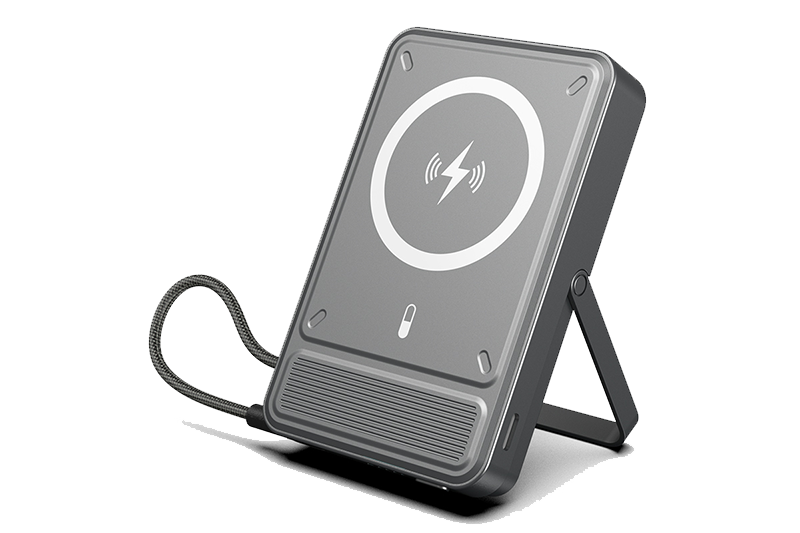 ECS-W016 45W Wireless Power Bank
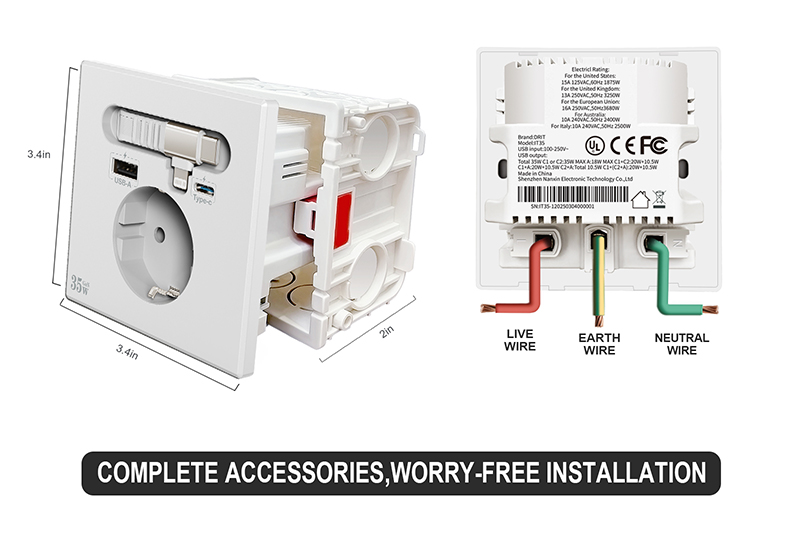 ESC-C019 Ultimate Universal 35W GaN Wall Socket
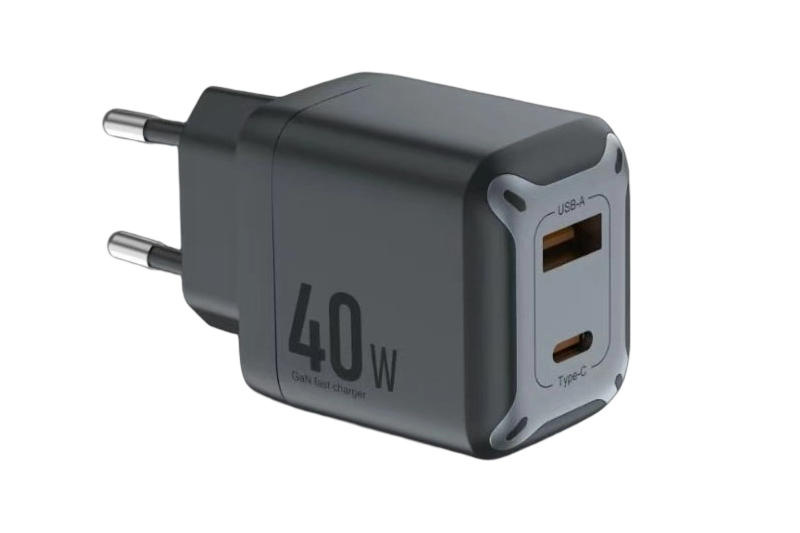 ESC-C018 Small Size 40W GaN Travel Charger
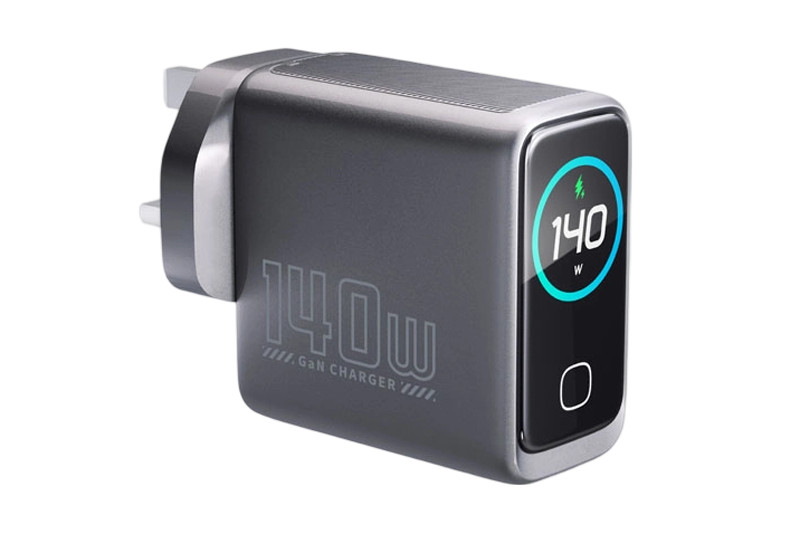 ESC-C017 140W HIGH Speed TFT Screen GaN Charger
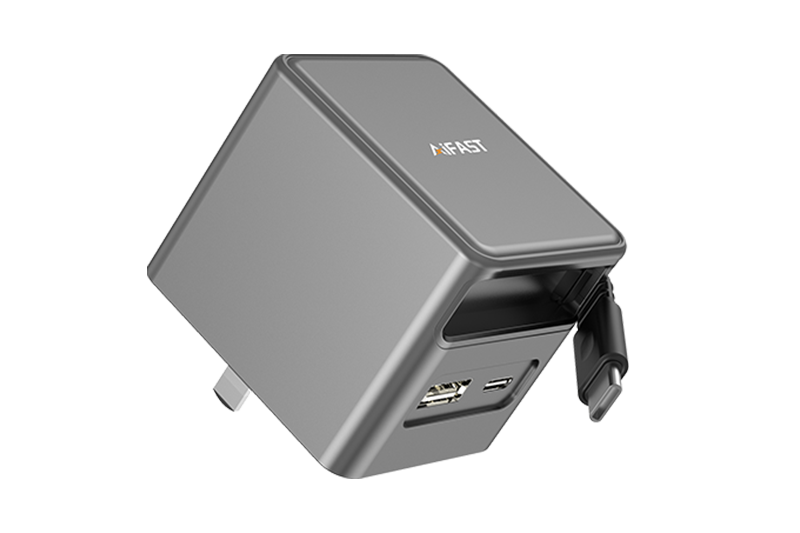 ESC-C016 65CM 65W HIGH Speed Retractable Cable GaN Charger


 Whatsapp
 Wechat


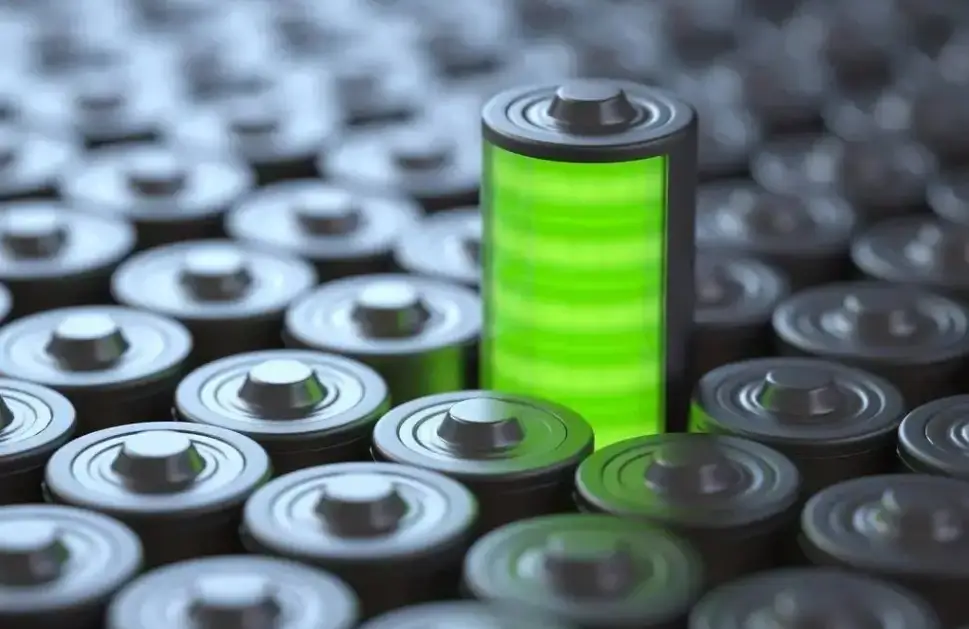
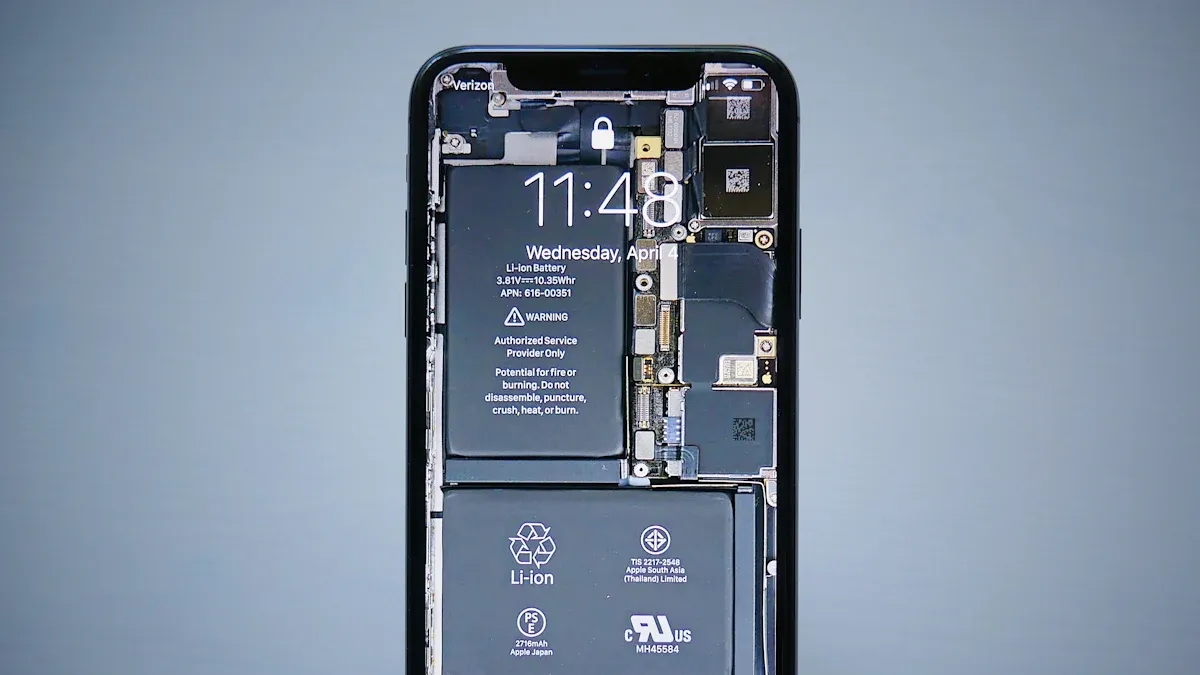



Solid-State Batteries, Semi-Solid-State Batteries, and What is the Future Trends?
In recent years, the electric vehicle (EV) industry has experienced rapid growth, driving enormous demand for batteries. Many major companies in the sector have invested heavily in solid-state battery research. Once solid-state batteries achieve mass production, EVs will boast a range of up to 1,200 km—even surpassing that of traditional fuel-powered vehicles—effectively resolving the key pain point of pure electric mobility.
However, it will still take a considerable amount of time before solid-state batteries are fully mass-produced. In the meantime, semi-solid-state batteries have already entered the market. But do you truly understand the differences between semi-solid-state and solid-state batteries?
01. What is a Semi-Solid-State Battery?
In traditional lithium-ion batteries, the cathode and anode serve as "energy warehouses," while the electrolyte acts as a "pathway," allowing lithium ions to move freely between them. Hence, these are also referred to as liquid batteries.
As the name suggests, semi-solid-state batteries employ a hybrid design combining solid and liquid electrolytes.
Specifically, semi-solid-state batteries innovate in electrode materials by using a slurry composed of fine lithium compound particles mixed with liquid electrolytes. This hybrid design ensures high safety (a hallmark of solid-state batteries) while maintaining the high ion transport efficiency of liquid batteries.
Additionally, semi-solid-state batteries feature a unique structure where ion exchange and current flow are achieved through two oppositely charged slurry streams separated by a water-permeable membrane.
02. What’s the Fundamental Difference Between Semi-Solid-State and Solid-State Batteries?
Semi-solid-state and solid-state batteries operate on similar principles but differ in three key aspects:
1. Electrolyte State:
- Solid-state batteries use entirely solid electrolytes.
- Semi-solid-state batteries combine solid and liquid electrolytes.
2. Energy Density Potential:
- Solid-state batteries, due to their fully solid electrolyte, generally offer higher energy density.
- Semi-solid-state batteries can still achieve relatively high energy density through optimized electrode materials and structural design, meeting most application needs.
3. How to Distinguish Between Semi-Solid-State and Solid-State Batteries?
Some argue that adding metal to the electrolyte qualifies a battery as solid-state, but this view is debatable.
After consulting industry experts, I learned that there is currently no standardized definition for the "solid-state degree" of batteries. However, Li Zheng, co-founder of Qingtao Energy (battery supplier for the IM L6), provided a useful reference:
The terms 'semi-solid-state' and 'quasi-solid-state' are industry conventions, generally categorized by the weight percentage (wt%) of liquid electrolyte in the cell:
- Liquid (25 wt%)
- Semi-Solid-State (5–10 wt%)
- Quasi-Solid-State (0–5 wt%)
- Fully Solid-State (0 wt%)"*
With this classification, the distinction becomes clear.
04. What Are the Advantages of Solid-State Batteries?
Semi-solid-state and solid-state batteries offer four key advantages:
1. Enhanced Safety:
- Solid electrolytes make the battery more compact, reducing leakage risks.
- Their high stability minimizes the likelihood of combustion or explosion, addressing the notorious "spontaneous combustion" issue of current lithium-ion batteries.
2. Higher Energy Density:
- Solid electrolytes enable more energy storage in the same volume, extending EV range.
3. Longer Cycle Life:
- The stability of solid electrolytes helps maintain capacity and performance over time, reducing replacement frequency and costs.
4. Broader Applicability:
- Unlike liquid batteries, which may fail in extreme temperatures, solid-state batteries operate reliably across a wider temperature range, making them viable for harsh environments.
05. What Are the Challenges of Solid-State Batteries?
Several hurdles remain, but two stand out:
1. Material Selection & Synthesis:
- Solid-state batteries require specialized electrolytes and electrode materials that balance performance, safety, and cost.
- These materials must exhibit high ionic conductivity, chemical stability, and mechanical strength—a complex optimization challenge.
2. **Complex Manufacturing:
- Production involves multiple precision steps (material preparation, electrode coating, electrolyte filling, cell encapsulation, etc.).
- Strict quality control and advanced equipment are essential, making solid-state battery production feasible only for well-resourced enterprises.
Closing Thoughts
Despite ongoing debates, semi-solid-state batteries serve as a viable transition before full solid-state batteries become mainstream. They enhance energy density, stability, and safety while retaining lithium-ion battery performance.
Given recent concerns over power bank fires, it’s likely that safer semi-solid-state batteries will soon dominate this sector as well. Let’s wait and see!
In recent years, the electric vehicle (EV) industry has experienced rapid growth, driving enormous demand for batteries. Many major companies in the sector have invested heavily in solid-state battery research. Once solid-state batteries achieve mass production, EVs will boast a range of up to 1,200 km—even surpassing that of traditional fuel-powered vehicles—effectively resolving the key pain point of pure electric mobility.
However, it will still take a considerable amount of time before solid-state batteries are fully mass-produced. In the meantime, semi-solid-state batteries have already entered the market. But do you truly understand the differences between semi-solid-state and solid-state batteries?
01. What is a Semi-Solid-State Battery?
In traditional lithium-ion batteries, the cathode and anode serve as "energy warehouses," while the electrolyte acts as a "pathway," allowing lithium ions to move freely between them. Hence, these are also referred to as liquid batteries.
As the name suggests, semi-solid-state batteries employ a hybrid design combining solid and liquid electrolytes.
Specifically, semi-solid-state batteries innovate in electrode materials by using a slurry composed of fine lithium compound particles mixed with liquid electrolytes. This hybrid design ensures high safety (a hallmark of solid-state batteries) while maintaining the high ion transport efficiency of liquid batteries.
Additionally, semi-solid-state batteries feature a unique structure where ion exchange and current flow are achieved through two oppositely charged slurry streams separated by a water-permeable membrane.
02. What’s the Fundamental Difference Between Semi-Solid-State and Solid-State Batteries?
Semi-solid-state and solid-state batteries operate on similar principles but differ in three key aspects:
1. Electrolyte State:
- Solid-state batteries use entirely solid electrolytes.
- Semi-solid-state batteries combine solid and liquid electrolytes.
2. Energy Density Potential:
- Solid-state batteries, due to their fully solid electrolyte, generally offer higher energy density.
- Semi-solid-state batteries can still achieve relatively high energy density through optimized electrode materials and structural design, meeting most application needs.
3. How to Distinguish Between Semi-Solid-State and Solid-State Batteries?
Some argue that adding metal to the electrolyte qualifies a battery as solid-state, but this view is debatable.
After consulting industry experts, I learned that there is currently no standardized definition for the "solid-state degree" of batteries. However, Li Zheng, co-founder of Qingtao Energy (battery supplier for the IM L6), provided a useful reference:
The terms 'semi-solid-state' and 'quasi-solid-state' are industry conventions, generally categorized by the weight percentage (wt%) of liquid electrolyte in the cell:
- Liquid (25 wt%)
- Semi-Solid-State (5–10 wt%)
- Quasi-Solid-State (0–5 wt%)
- Fully Solid-State (0 wt%)"*
With this classification, the distinction becomes clear.
04. What Are the Advantages of Solid-State Batteries?
Semi-solid-state and solid-state batteries offer four key advantages:
1. Enhanced Safety:
- Solid electrolytes make the battery more compact, reducing leakage risks.
- Their high stability minimizes the likelihood of combustion or explosion, addressing the notorious "spontaneous combustion" issue of current lithium-ion batteries.
2. Higher Energy Density:
- Solid electrolytes enable more energy storage in the same volume, extending EV range.
3. Longer Cycle Life:
- The stability of solid electrolytes helps maintain capacity and performance over time, reducing replacement frequency and costs.
4. Broader Applicability:
- Unlike liquid batteries, which may fail in extreme temperatures, solid-state batteries operate reliably across a wider temperature range, making them viable for harsh environments.
05. What Are the Challenges of Solid-State Batteries?
Several hurdles remain, but two stand out:
1. Material Selection & Synthesis:
- Solid-state batteries require specialized electrolytes and electrode materials that balance performance, safety, and cost.
- These materials must exhibit high ionic conductivity, chemical stability, and mechanical strength—a complex optimization challenge.
2. Complex Manufacturing:
- Production involves multiple precision steps (material preparation, electrode coating, electrolyte filling, cell encapsulation, etc.).
- Strict quality control and advanced equipment are essential, making solid-state battery production feasible only for well-resourced enterprises.
Closing Thoughts
Despite ongoing debates, semi-solid-state batteries serve as a viable transition before full solid-state batteries become mainstream. They enhance energy density, stability, and safety while retaining lithium-ion battery performance.
Given recent concerns over power bank fires, it’s likely that safer semi-solid-state batteries will soon dominate this sector as well. Let’s wait and see!