
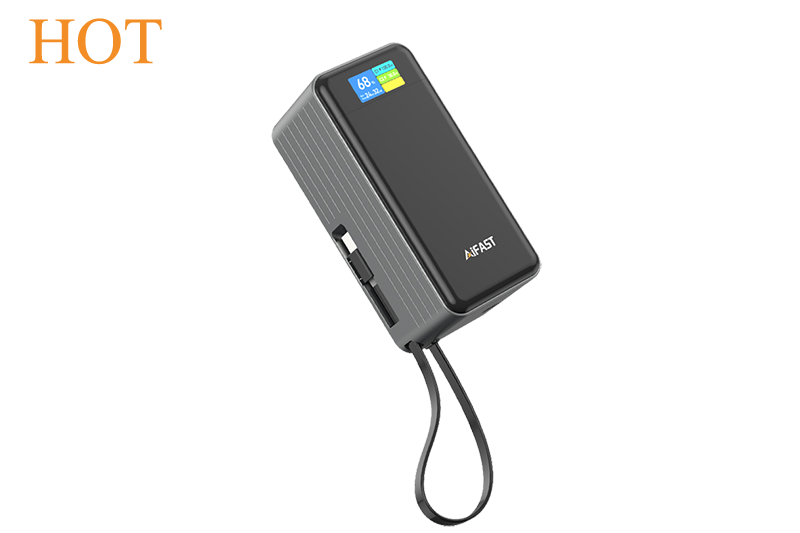
 ESC-X019 65W Fast charge power bank
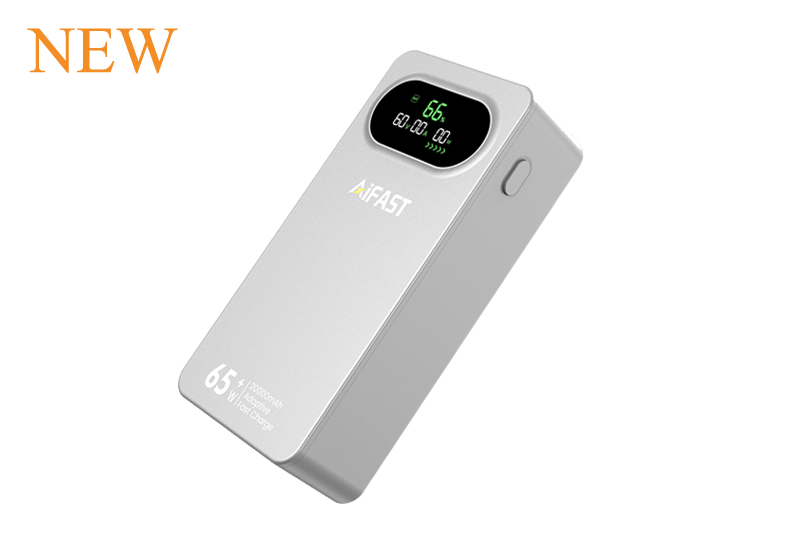 ESC-X018 65W Ultra-Fast 10000mAh Power Bank with TFT Display & Retractable Cable
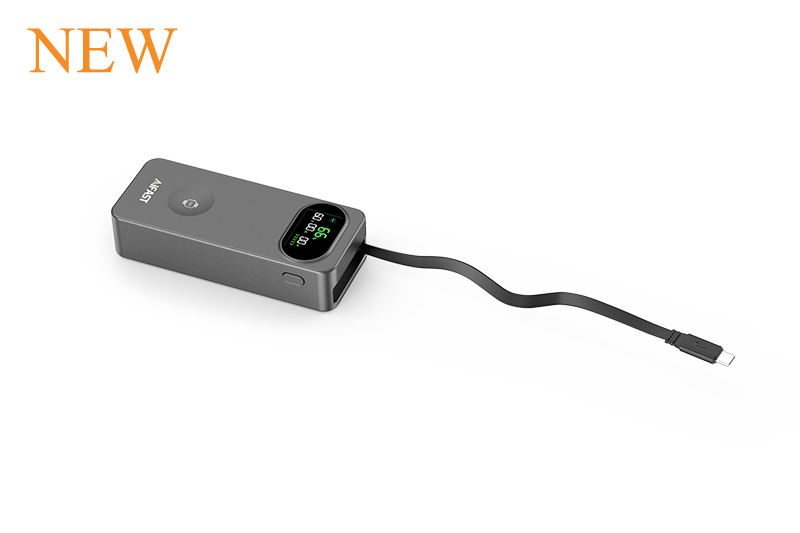 ESC-X017 65W Ultra-Fast 20000mAh Power Bank with TFT Display & Retractable Cable
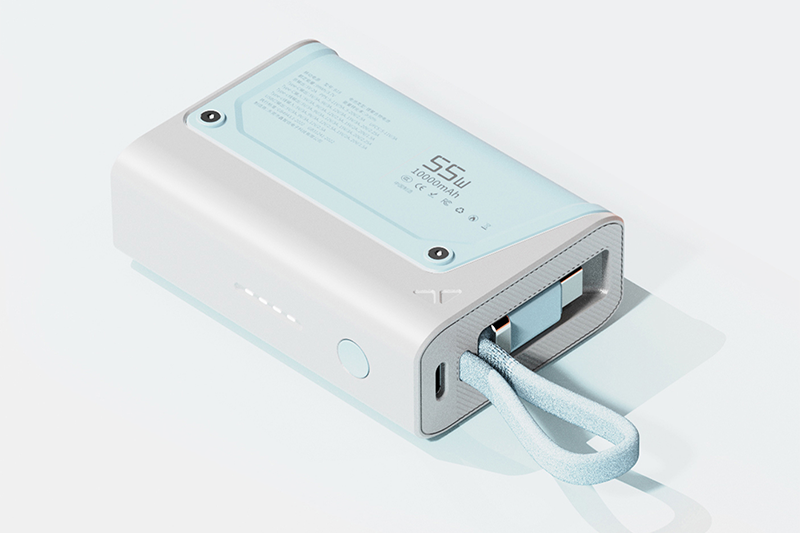 ESC-X020 10000mAh 55W Fast Charge Power Bank with cable built-in
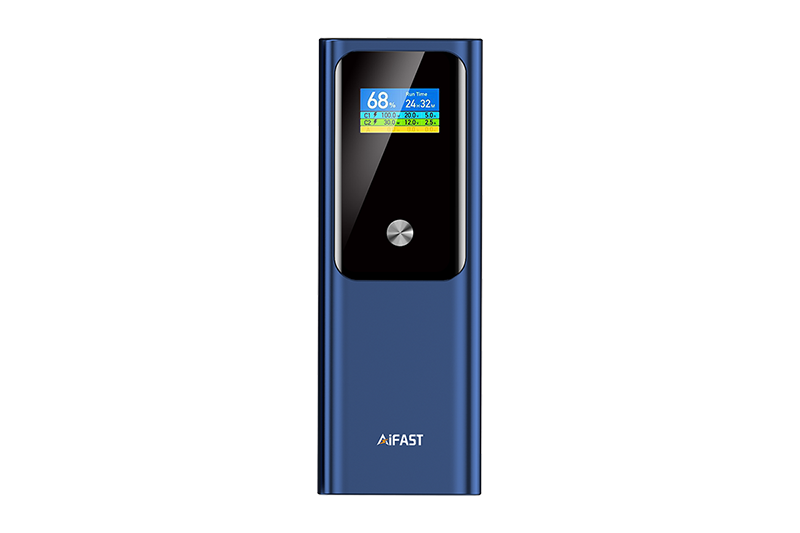 ESC-X016 120W 20000mAh Power Bank with Multi-Protocol TFT Display
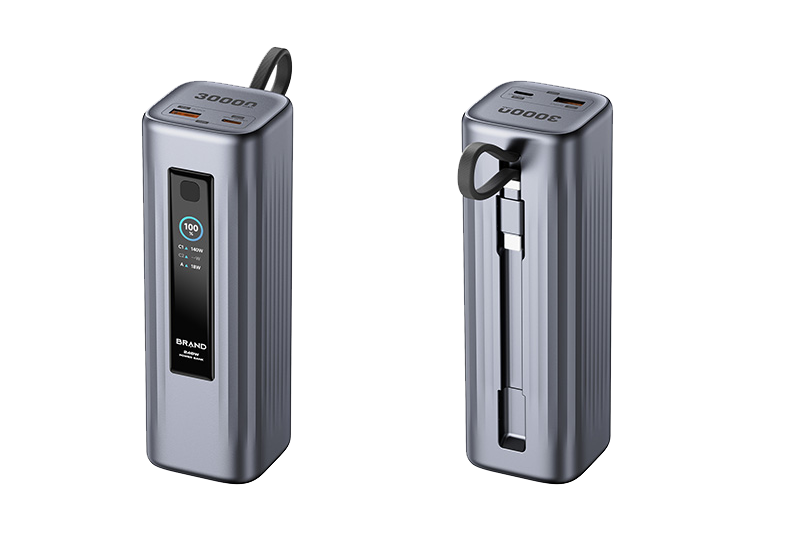 ECS-X022 145W 30,000mAh Power Bank with TFT Display & Retractable Cable
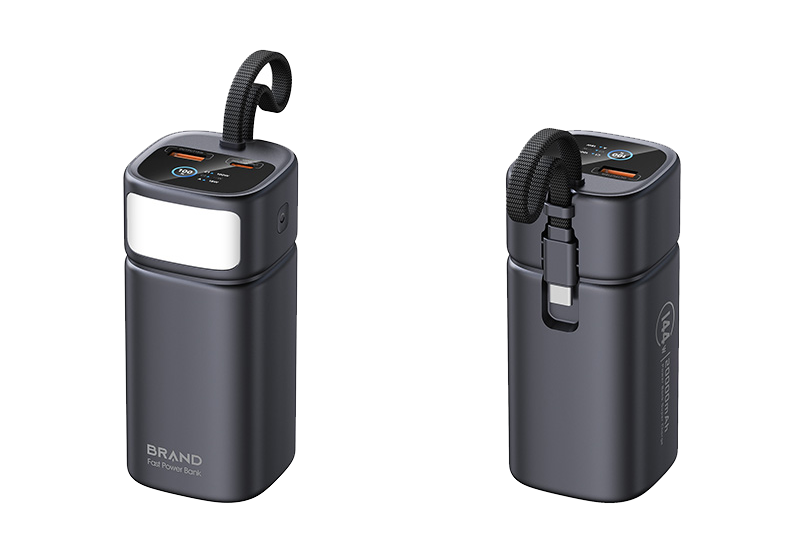 ECS-X021 100W 20,000mAh Power Bank with TFT Display & Retractable Cable
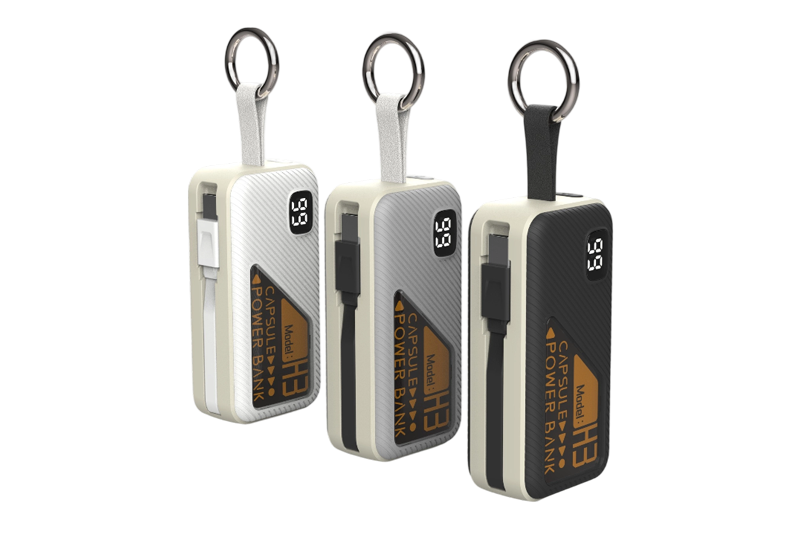 ESC-X023 20W Fast Charging Capsule Power Bank
 ESC-X024 22.5W 10,000mAh Fast Charging Power Bank
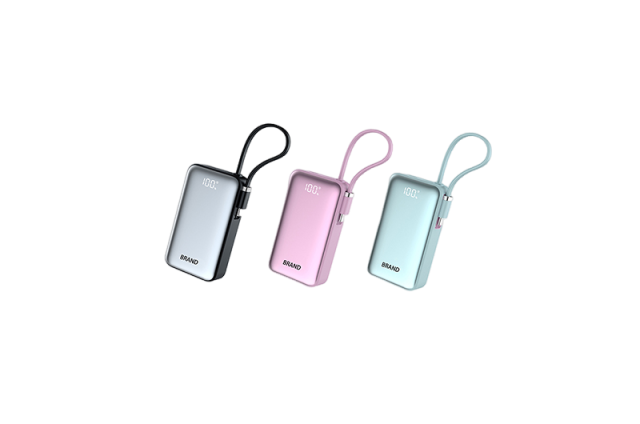 ESC-X025 22.5W Built-in Cable Portable Power Bank
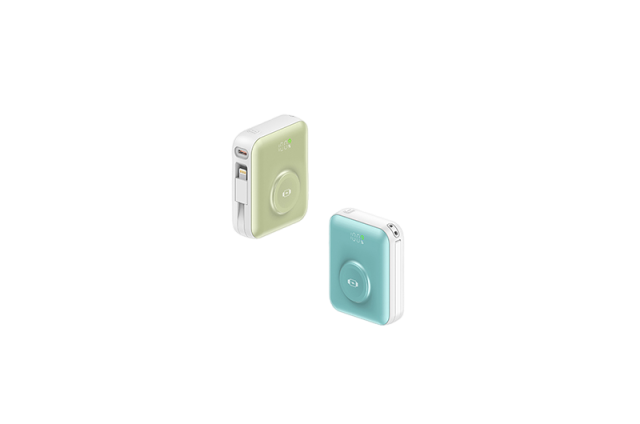 ESC-X026 22.5W 10000mAh Wireless Mini Size Power Bank
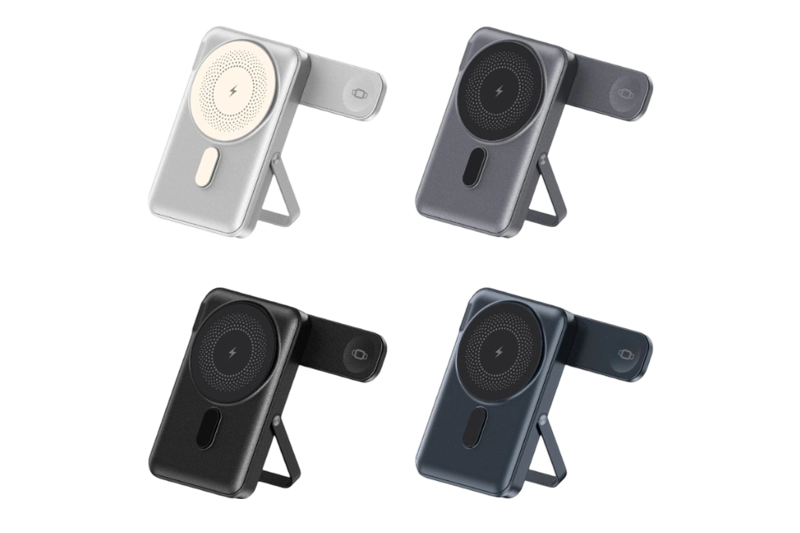 ESC-W018 3-in-1 MagSafe-Style Wireless Charging Stand
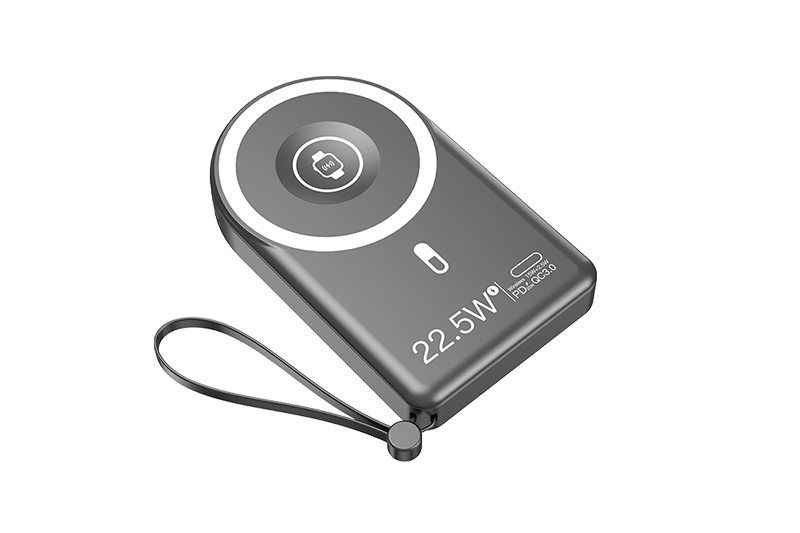 ESC-W017 5000mAh Wireless Ultimate All-in-One Power Solution for Samsung & iPhone Users
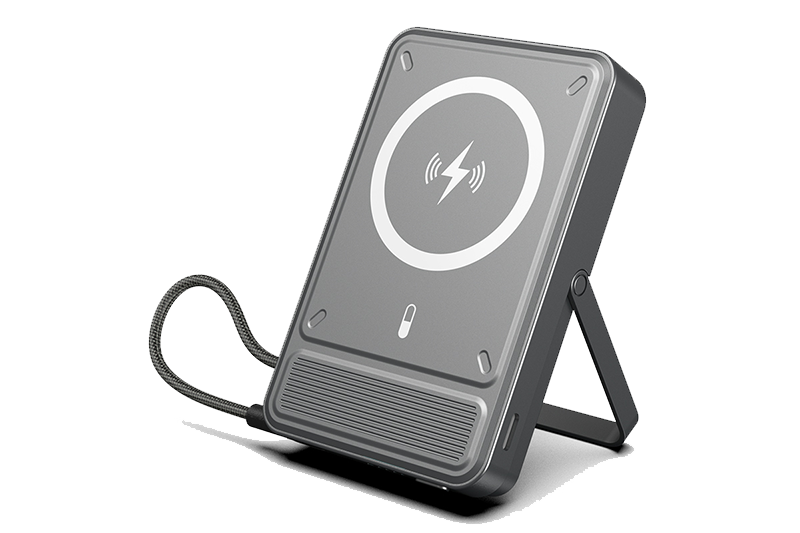 ECS-W016 45W Wireless Power Bank
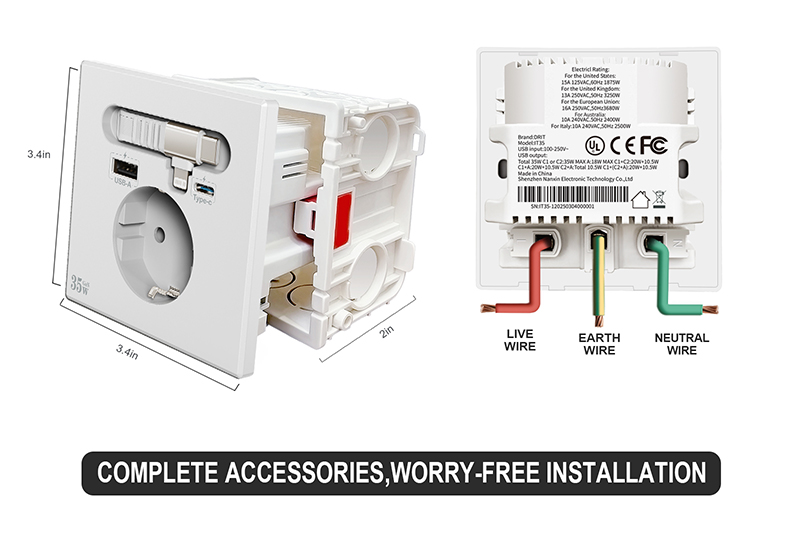 ESC-C019 Ultimate Universal 35W GaN Wall Socket
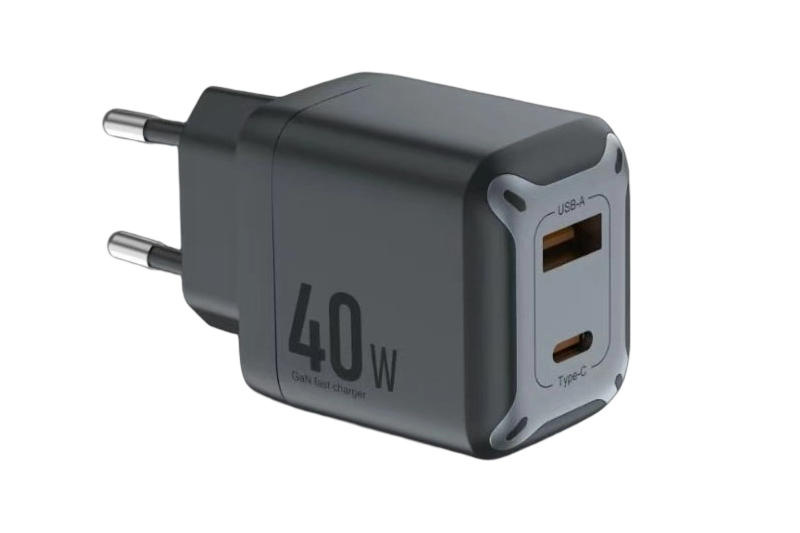 ESC-C018 Small Size 40W GaN Travel Charger
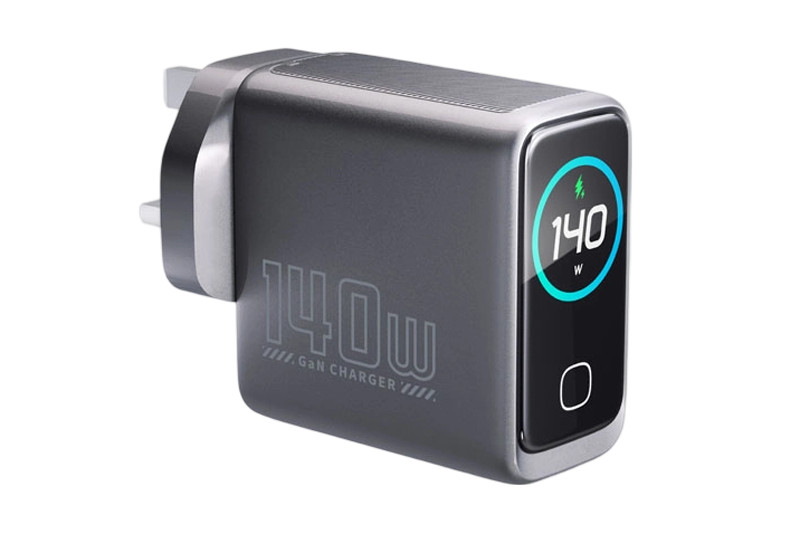 ESC-C017 140W HIGH Speed TFT Screen GaN Charger
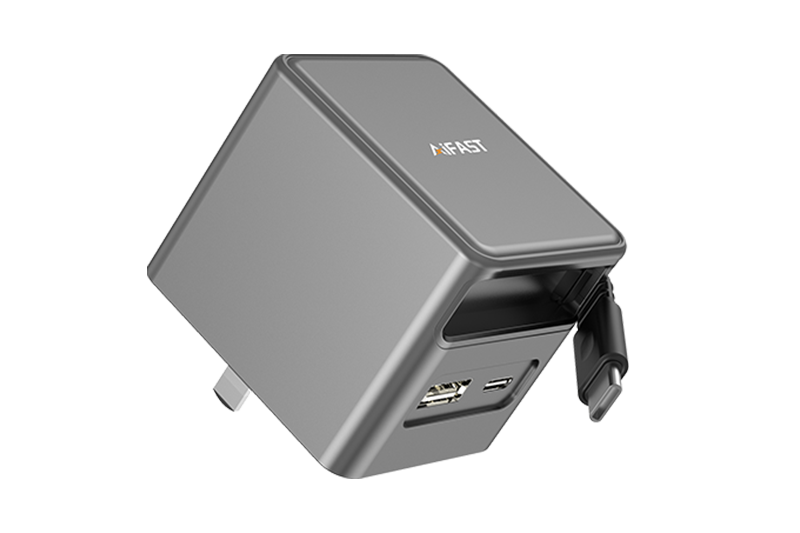 ESC-C016 65CM 65W HIGH Speed Retractable Cable GaN Charger


 Whatsapp
 Wechat

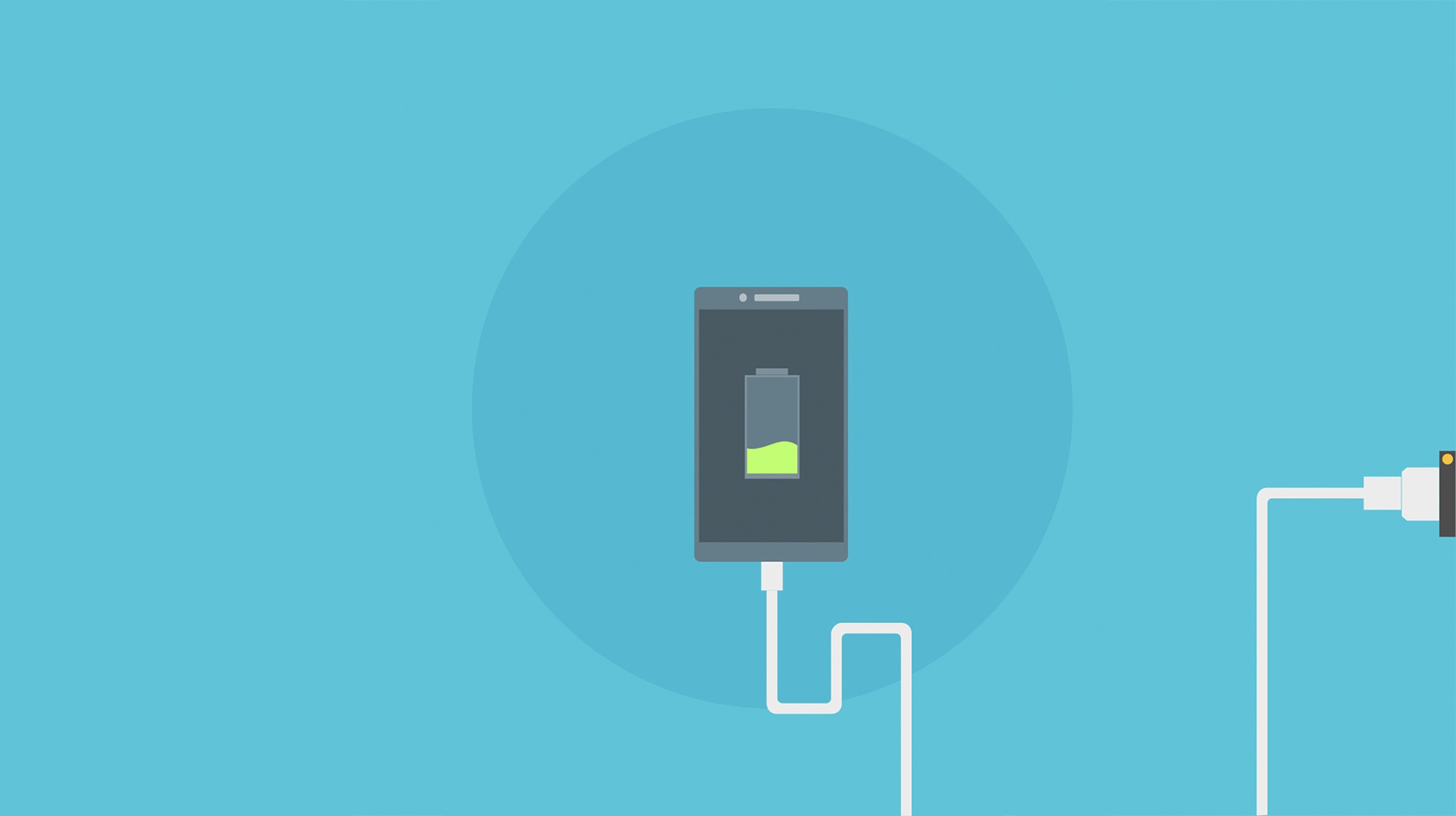
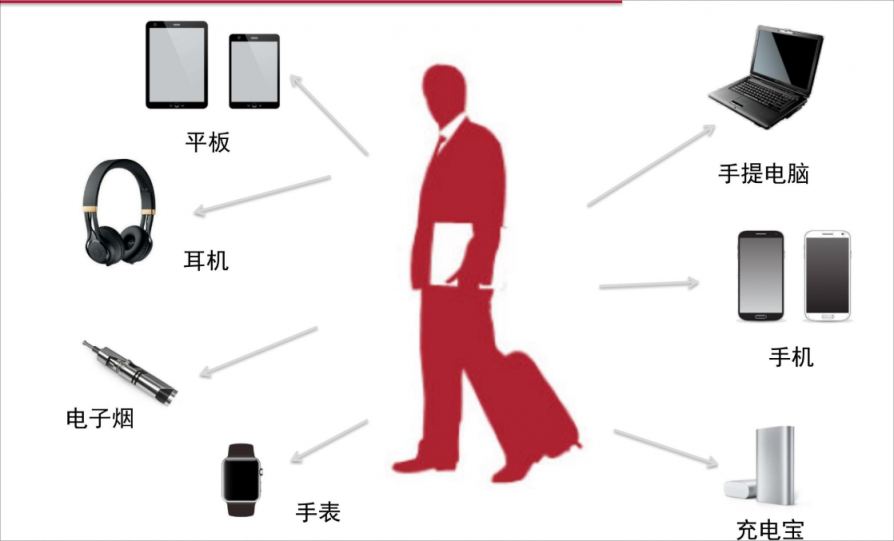
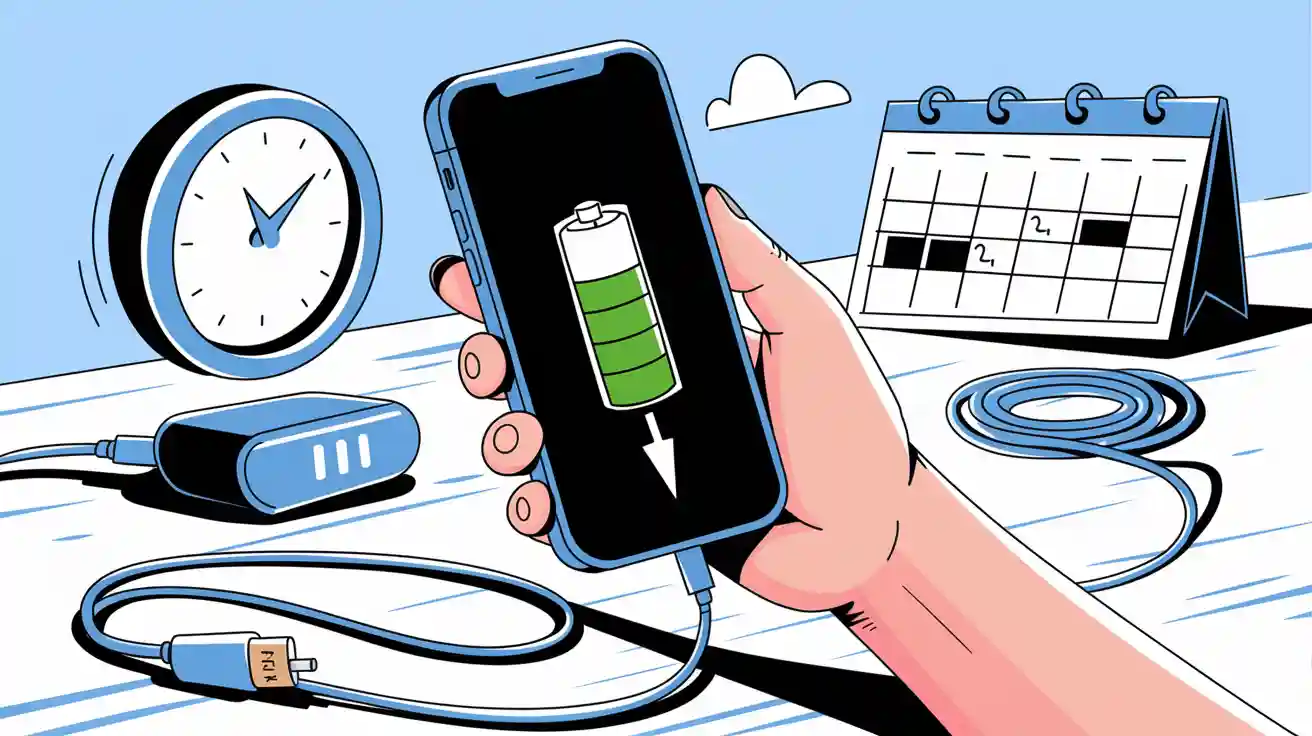

The difference between standard power bank and fast-charging one
What is the difference between a standard power bank and a fast-charging power bank?
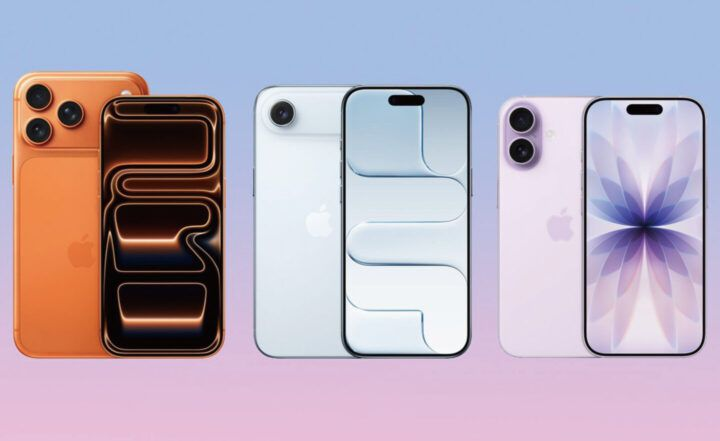
As the name suggests, it’s the difference between a regular power bank and a fast-charging one. Nowadays, with the accelerating pace of life, smartphone charging speeds are also keeping up. Major phone brands have introduced fast-charging technologies, such as Huawei’s SCP SuperCharge, OPPO’s VOOC Flash Charge, Apple’s PD Fast Charge, and Xiaomi’s QC3.0, among other fast-charging protocols.
Power banks, as essential companions for our smartphones, are practically a must-have for everyone. Compact and portable, they help you tackle low battery emergencies anytime, anywhere. So, how do you choose the right power bank for your phone? When it comes to charging power, it ultimately boils down to whether you prefer a standard or fast-charging model, depending on your device compatibility and personal preferences.
Before diving into fast-charging power banks, let’s first understand the evolution of fast charging in smartphones. Taking Qualcomm’s Quick Charge (QC) protocol as an example, the iterations have progressed as follows:
- QC1.0: Increased voltage and current to 5V/2A, reducing charging time by 40%.
- QC2.0: Adjusted charging voltage to achieve 18W high-power charging.
- QC3.0: Boosted maximum current to 3A for even faster charging.
- QC4.0: Further increased power to 28W and added USB PD support.
Beyond Qualcomm, other fast-charging protocols like MediaTek’s Pump Express (PE) and USB Power Delivery (PD) are also common. Some brands even use proprietary protocols, such as OPPO and vivo’s flash-charging technologies, which are not publicly available.
Among these, PD fast charging stands out—not only because Apple’s iPhones support it but also because PD is likely to become the universal standard for fast charging.
The USB-PD protocol is governed by the USB-IF (USB Implementers Forum), a non-profit organization responsible for promoting USB standards and maintaining specifications and certification programs. USB-PD, short for **USB Power Delivery**, is characterized by its use of Type-C ports (though not all Type-C ports support PD). Type-C offers advantages over traditional USB-A ports, such as reversible plug orientation, higher power delivery (up to 100W), and faster data transfer speeds (up to 10Gbps).
Theoretically, PD fast charging can support up to 100W, though currently, the highest commercially available power is around 50W.
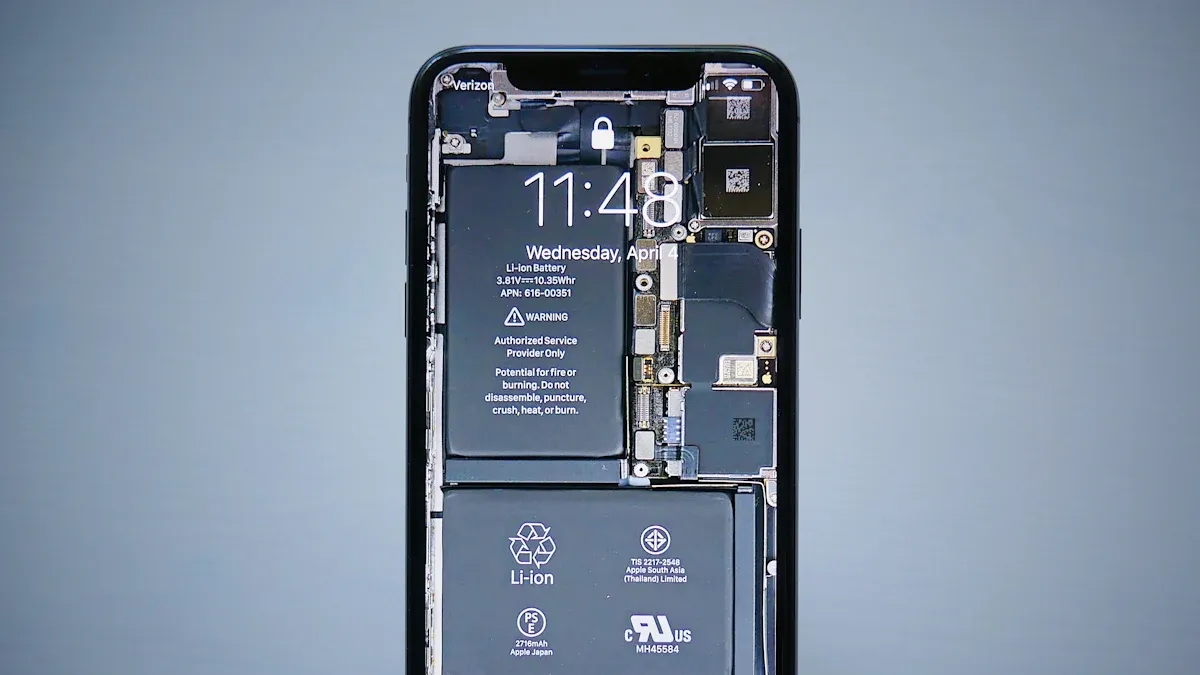
Power banks, as we know them, are primarily designed to extend smartphone battery life. Back when smartphones had removable batteries, external power banks weren’t as necessary—Nokia users, for instance, often carried spare batteries for quick swaps. However, with Apple’s introduction of non-removable batteries in iPhones and stagnant battery life improvements, power banks saw explosive growth in popularity.
If your phone supports fast charging, consider investing in a fast-charging power bank. It allows you to enjoy rapid charging on the go, quickly topping up your device. (Just make sure the power bank’s fast-charging protocol matches your phone’s—don’t buy the wrong one!)
For example, the image below shows AiFAST’s PD fast-charging power bank. Its Type-C port supports 65W PD output, and when paired with a PD-compatible cable, it can fast-charge an iPhone 16 Pro or newer models, achieving 55% charge in just 15 minutes from 0%. Additionally, it supports 65W input, meaning it can fully recharge itself in about an hour when used with a 65W charger—a feature known as **bidirectional fast charging**. The USB port delivers up to 65W output and is compatible with Huawei’s FCP, QC3.0, Samsung’s AFC, and other fast-charging protocols.
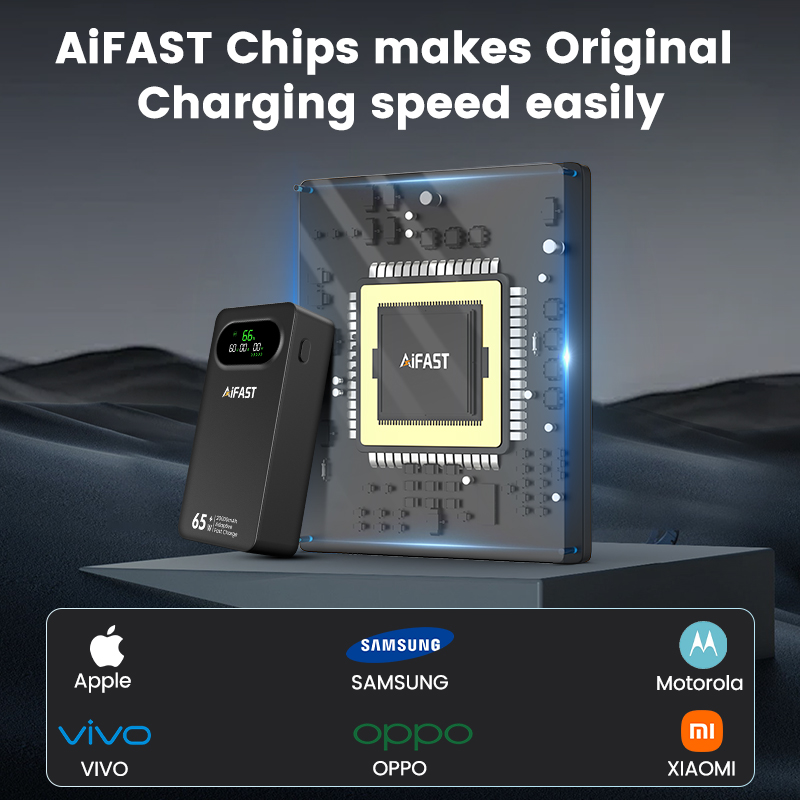
This brings us to the topic of charging speeds. Initially, power banks charged smartphones at standard rates like 5V/1A or 5V/2.1A. Today, most phones support at least **18W fast charging**, if not higher. Power banks have evolved accordingly, supporting fast-charging protocols to match the charging modes of various phone brands.
As a result, power banks can now be categorized into two types:
- Standard power banks: Maximum output of 5V/2.1A (10W).
- Fast-charging power banks**: Provide a minimum of 18W (or higher) for compatible devices.
By 2019, power banks had diversified into subcategories like **fast-charging models, wireless charging models, and built-in cable models**. The advent of fast-charging power banks has significantly improved charging efficiency. Currently, many power banks support **PD fast charging** due to its broad compatibility and the fact that Type-C is the future standard.
When choosing a power bank, prioritize brand reputation, quality, and functionality, and opt for one that supports PD fast charging if possible.