
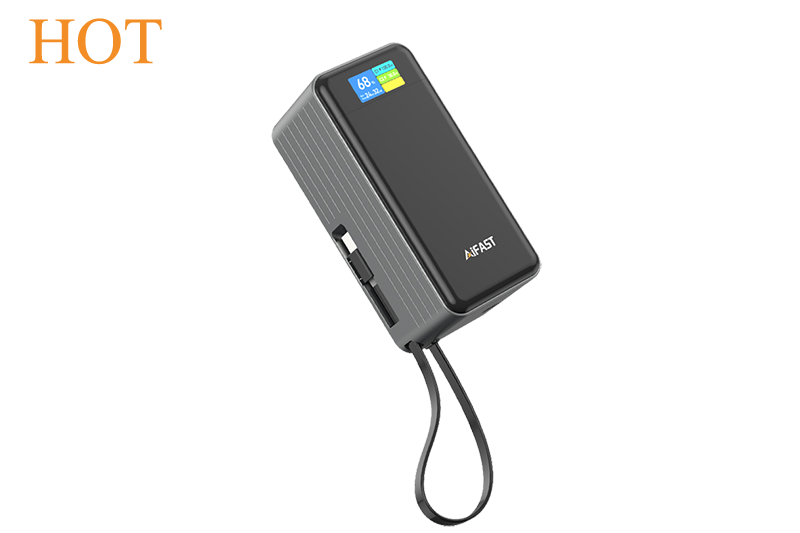
 ESC-X019 65W Fast charge power bank
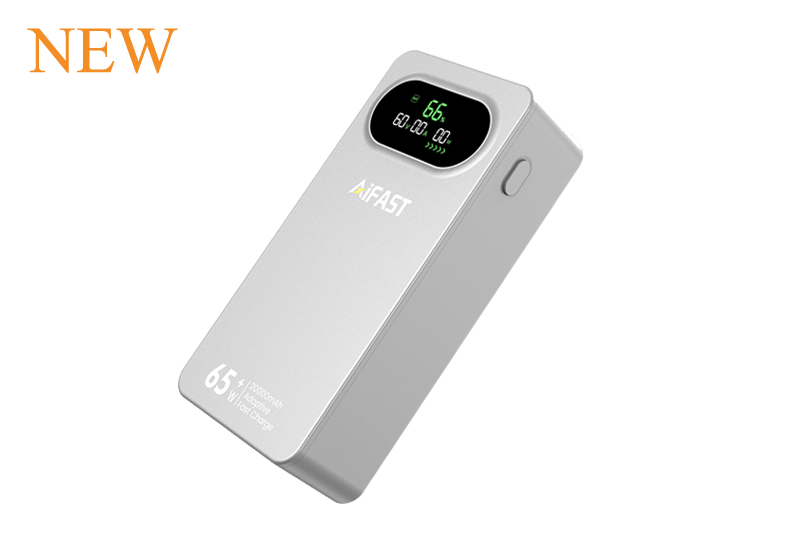 ESC-X018 65W Ultra-Fast 10000mAh Power Bank with TFT Display & Retractable Cable
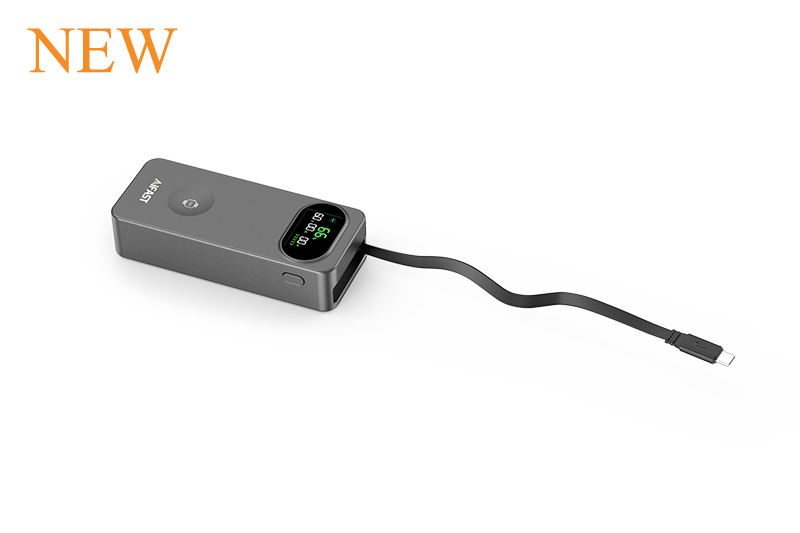 ESC-X017 65W Ultra-Fast 20000mAh Power Bank with TFT Display & Retractable Cable
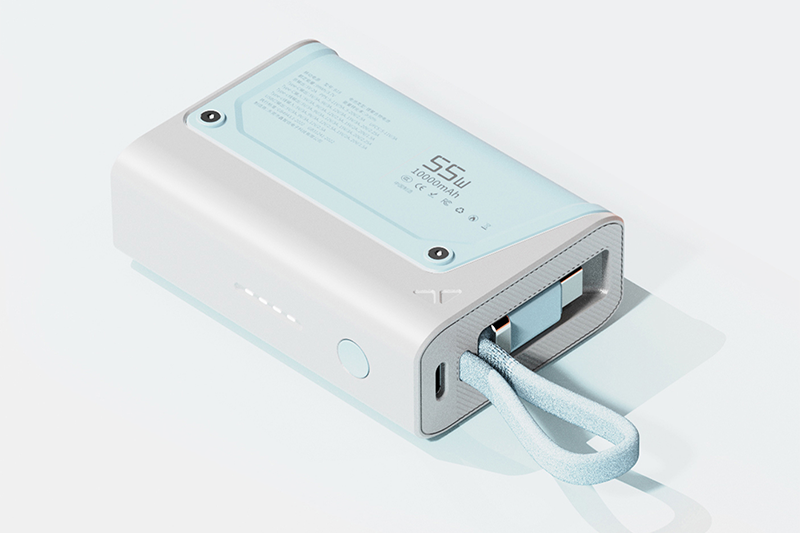 ESC-X020 10000mAh 55W Fast Charge Power Bank with cable built-in
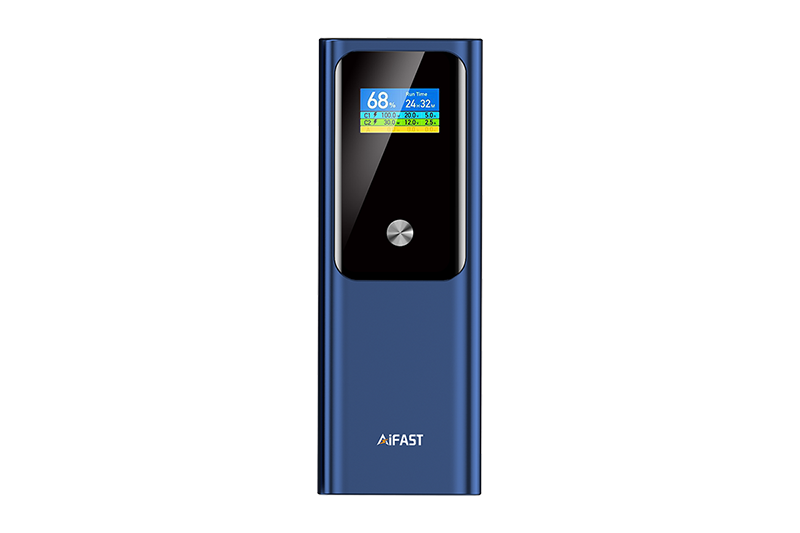 ESC-X016 120W 20000mAh Power Bank with Multi-Protocol TFT Display
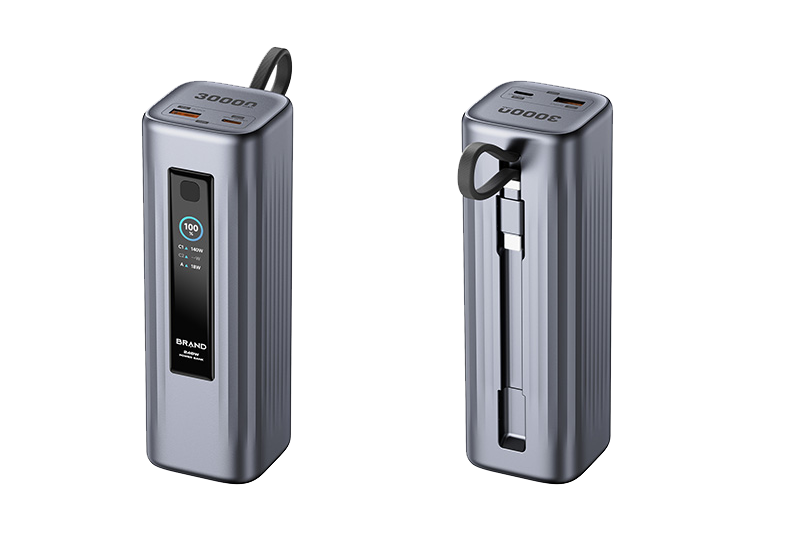 ECS-X022 145W 30,000mAh Power Bank with TFT Display & Retractable Cable
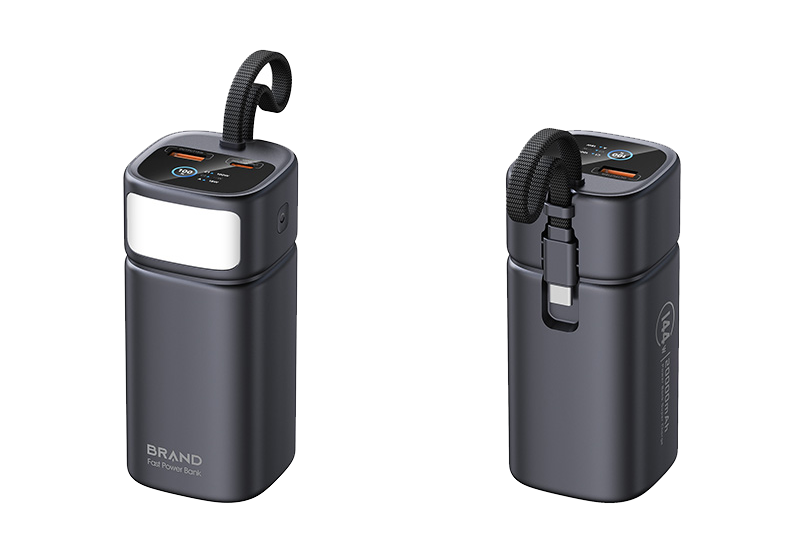 ECS-X021 100W 20,000mAh Power Bank with TFT Display & Retractable Cable
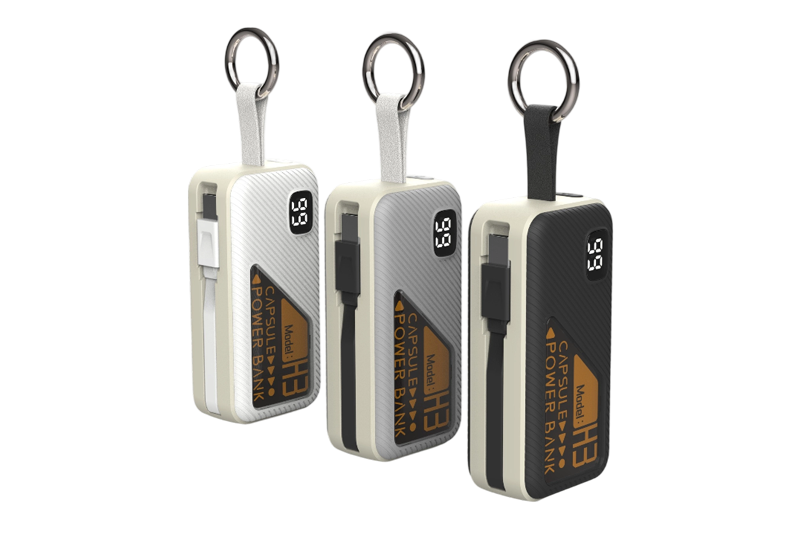 ESC-X023 20W Fast Charging Capsule Power Bank
 ESC-X024 22.5W 10,000mAh Fast Charging Power Bank
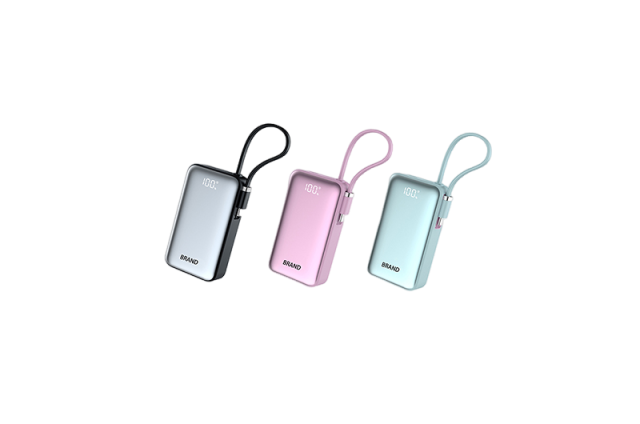 ESC-X025 22.5W Built-in Cable Portable Power Bank
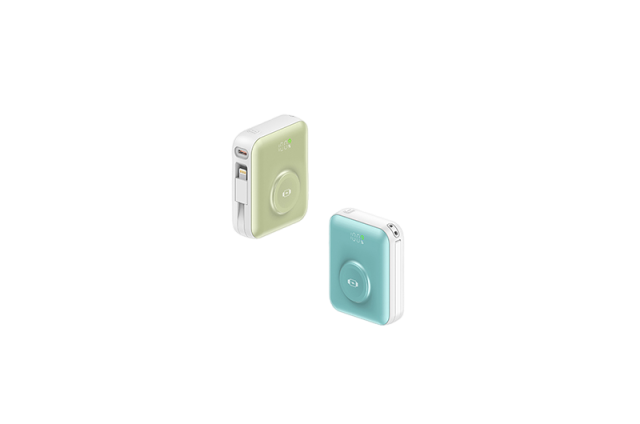 ESC-X026 22.5W 10000mAh Wireless Mini Size Power Bank
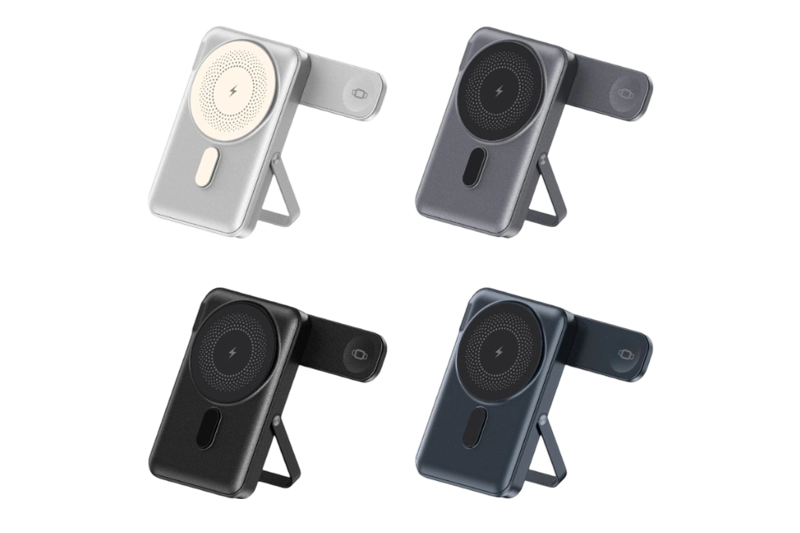 ESC-W018 3-in-1 MagSafe-Style Wireless Charging Stand
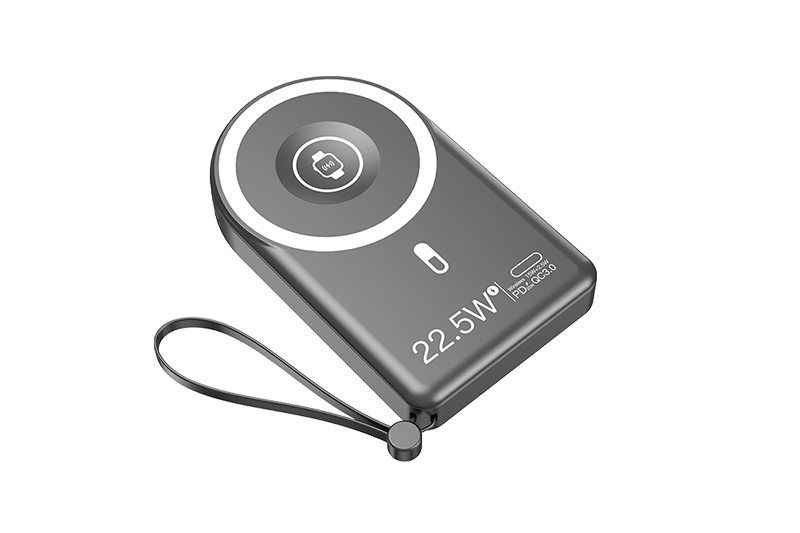 ESC-W017 5000mAh Wireless Ultimate All-in-One Power Solution for Samsung & iPhone Users
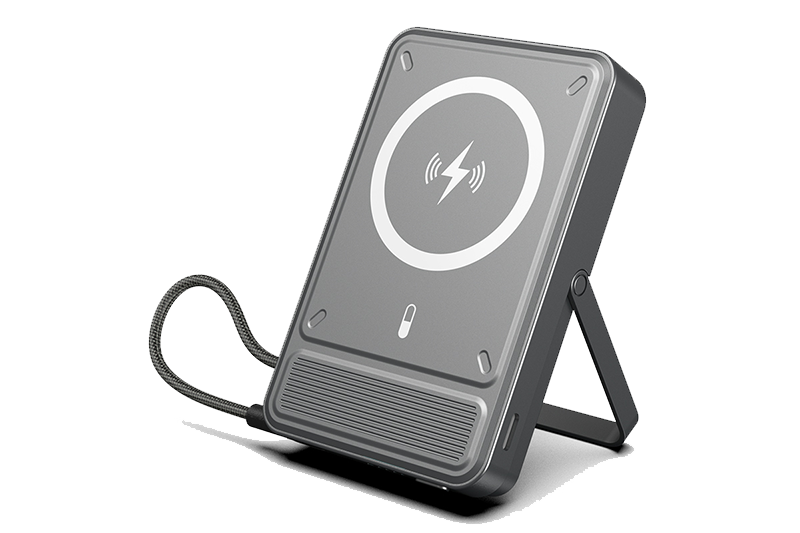 ECS-W016 45W Wireless Power Bank
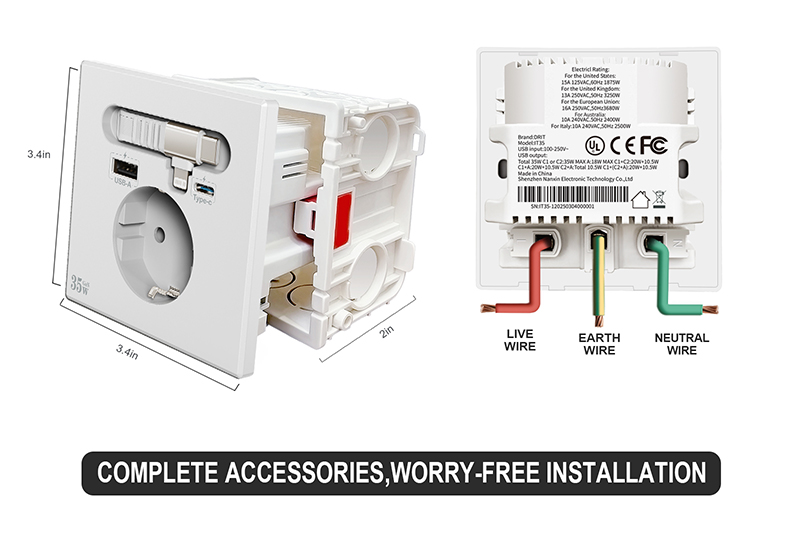 ESC-C019 Ultimate Universal 35W GaN Wall Socket
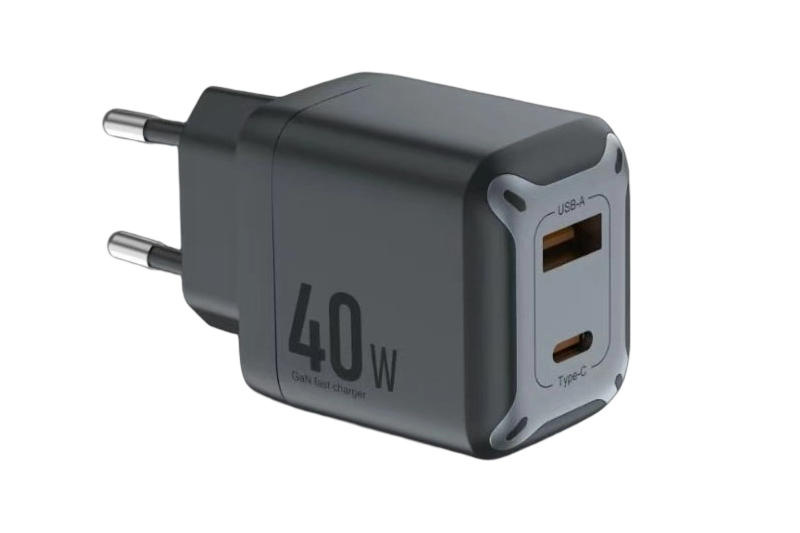 ESC-C018 Small Size 40W GaN Travel Charger
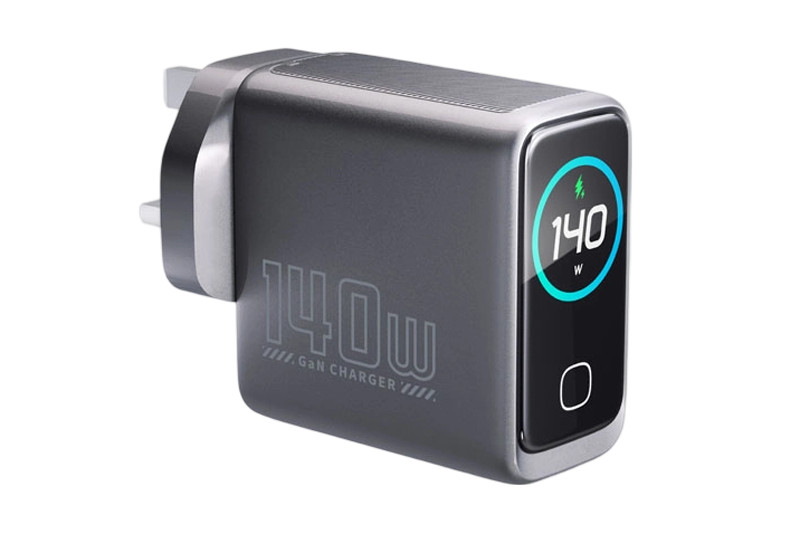 ESC-C017 140W HIGH Speed TFT Screen GaN Charger
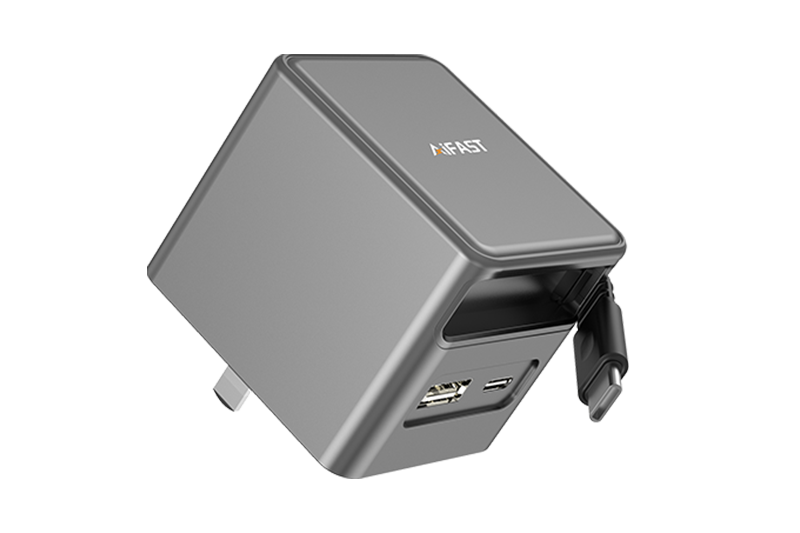 ESC-C016 65CM 65W HIGH Speed Retractable Cable GaN Charger


 Whatsapp
 Wechat


The working principle and selection of power banks?
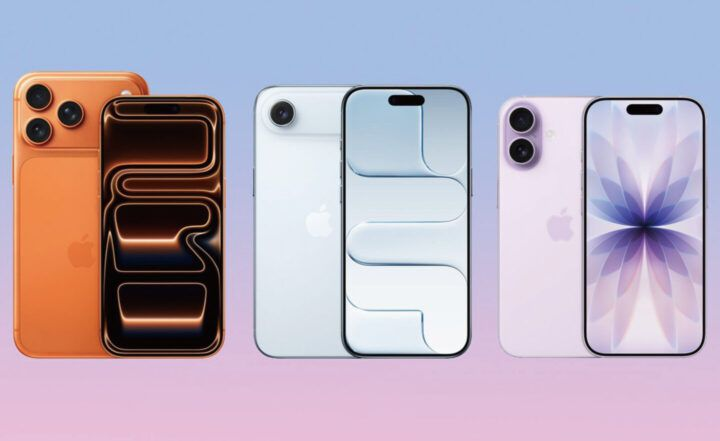
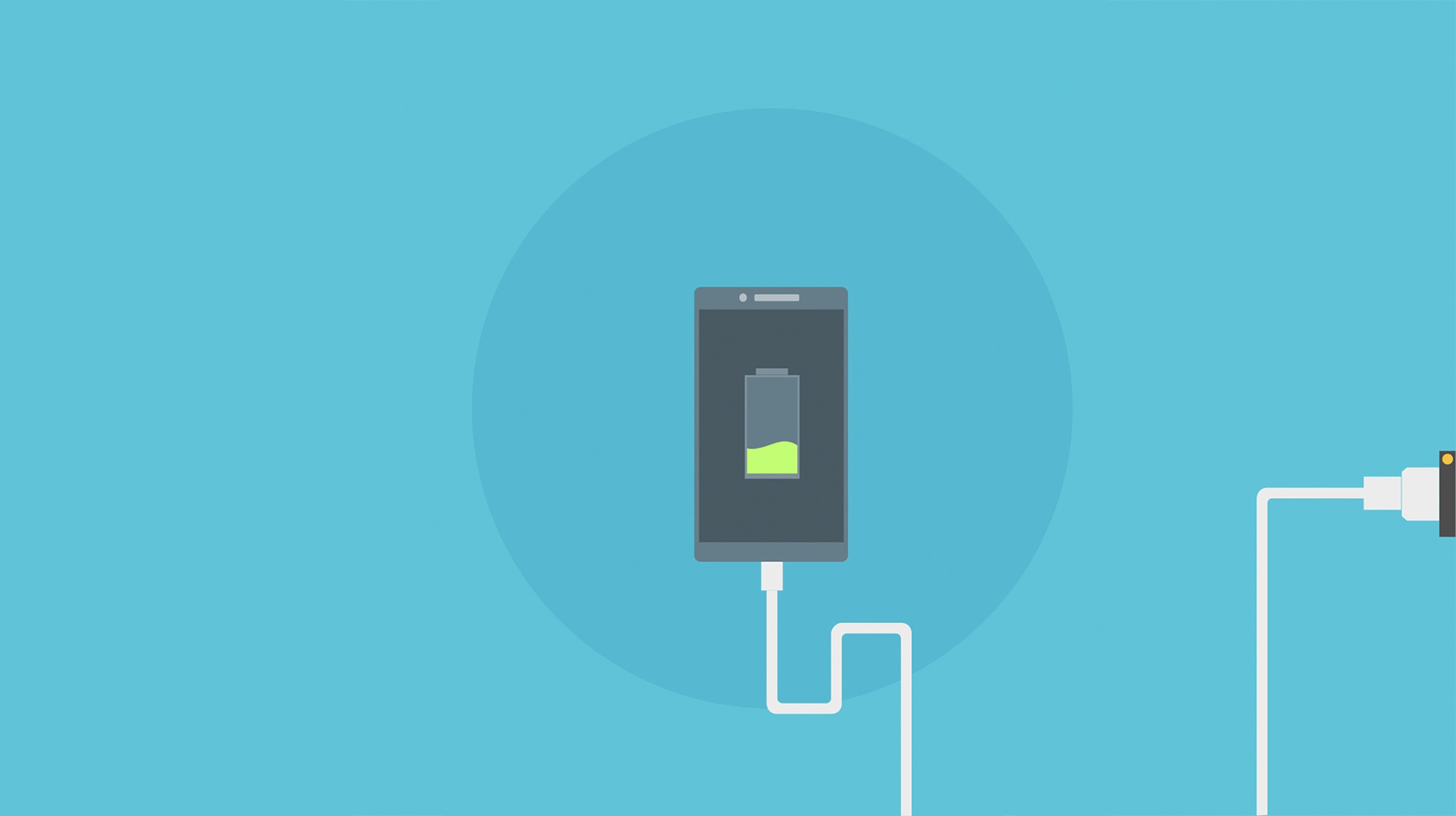
Smartphones, wireless earbuds, smartwatches, and other devices have created a vibrant and interconnected life for us. If we had to point out a drawback, it would likely be battery life. The more powerful the features, the higher the demand for battery endurance. Smartphones, in particular, are used in various scenarios like socializing, payments, and gaming, making them the fastest to drain power. To address this, manufacturers commonly rely on larger batteries and fast charging. But what if you’re outdoors with no way to recharge?
Ensuring your smart devices stay powered is actually quite simple—just carry a power bank.
Power banks are widely known and frequently used as convenient, portable high-capacity energy sources. They are compact devices integrating energy storage, voltage boosting, and charging management. While they may seem straightforward in design, choosing the right one requires careful consideration.
Structure of a Power Bank
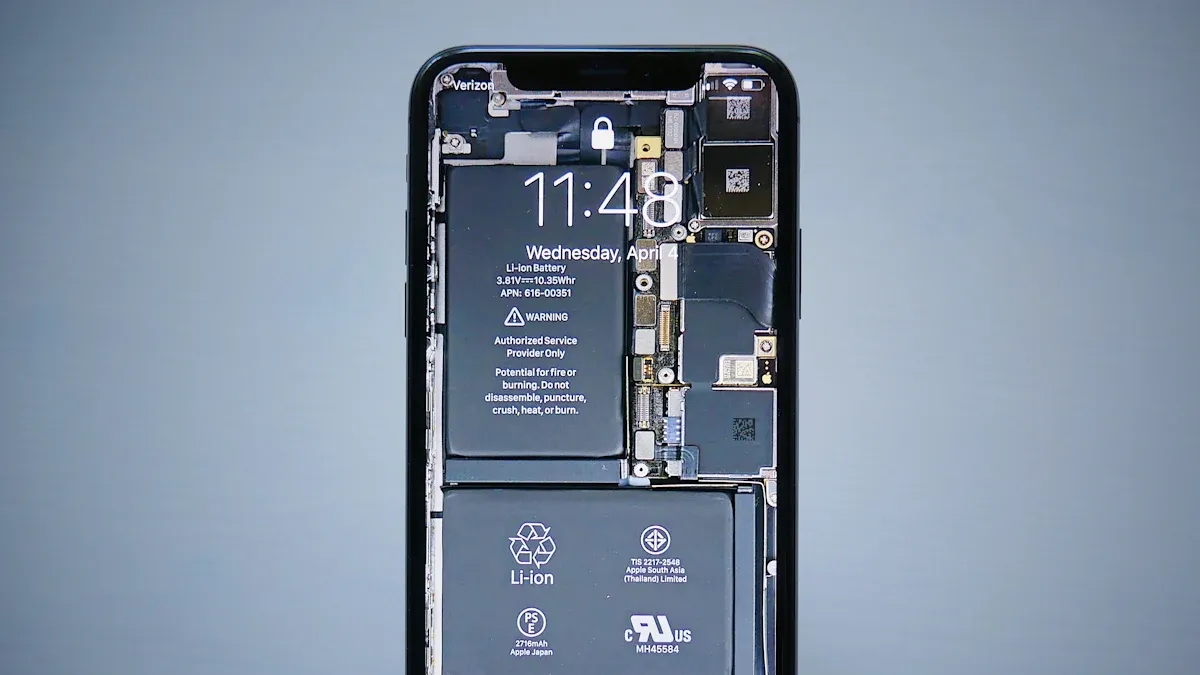
In simple terms, a power bank consists of three main components: the casing, the circuit board, and the battery cell.
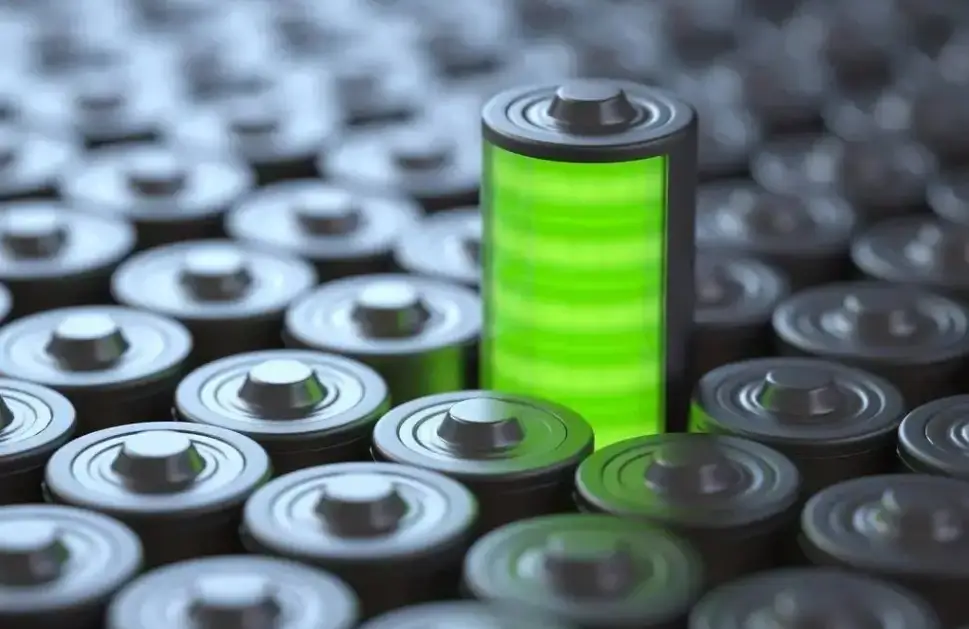
Battery Cell: This is the core of a power bank. To supply power to other devices without an external source, a power bank needs a battery for energy storage. Most power banks use lithium-ion (Li-ion) or lithium polymer (Li-Po) batteries, while a few employ nickel-metal hydride (Ni-MH) batteries. Early models even used disposable batteries.
Currently, most power banks on the market use 18650 lithium cells or advanced lithium polymer cells. Comparatively, lithium polymer cells offer better safety than 18650 cells. If budget allows, opting for a power bank with advanced lithium polymer cells is recommended.
Casing: Typically made of metal or plastic.
Circuit Board (PCB): Equipped with power management functions, including overcharge protection, over-discharge protection, and overheating protection.
How a Power Bank Works
A power bank primarily functions through energy storage, charging, and power supply. It acts as an electricity reservoir—first drawing power from an external source to charge its internal battery (storing energy chemically). When needed, the battery releases energy, converting it into electrical output via a voltage converter (DC-DC). The power is then delivered through output ports (USB or Lightning) to charge other devices.
Applications of Power Banks
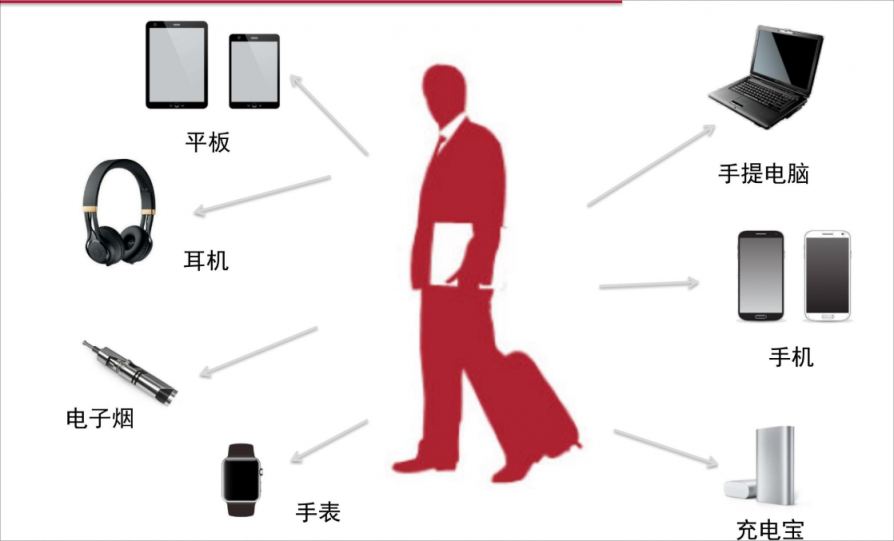
Power banks are designed to charge consumer electronics when no external power source is available. However, since different phones support different fast-charging protocols (e.g., PD, QC, PE), power banks also come with varying fast-charging capabilities. Beyond smartphones, they can also power tablets, smartwatches, earbuds, and even laptops.
Choosing the Right Power Bank
The market offers a wide variety of power banks, categorized by:
- Battery cell type
- Capacity (large vs. small)
- Fast-charging protocols
- Built-in charging cables