
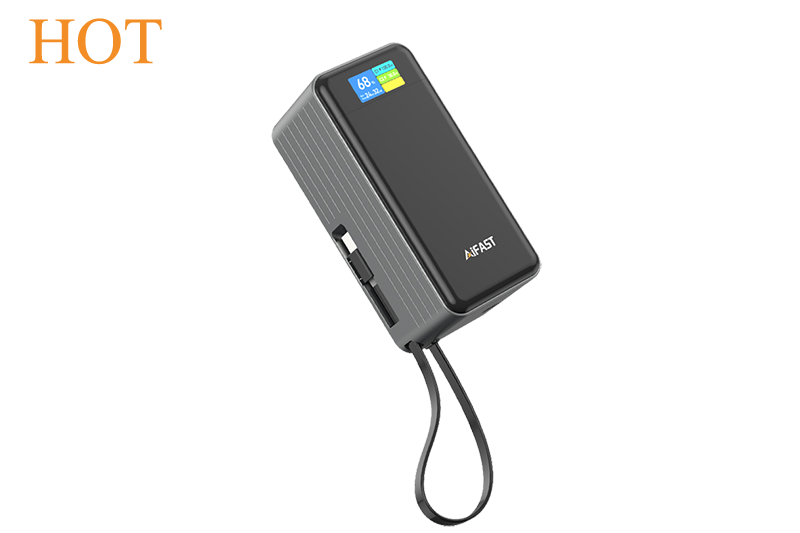
 ESC-X019 65W Fast charge power bank
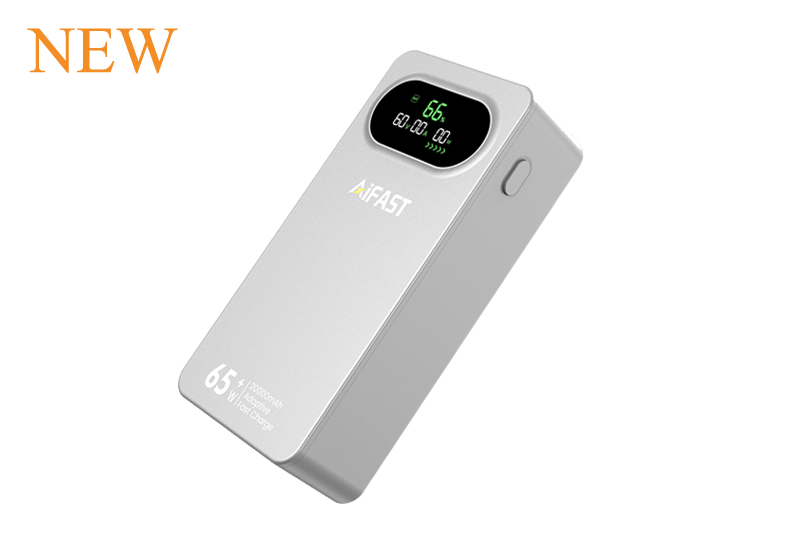 ESC-X018 65W Ultra-Fast 10000mAh Power Bank with TFT Display & Retractable Cable
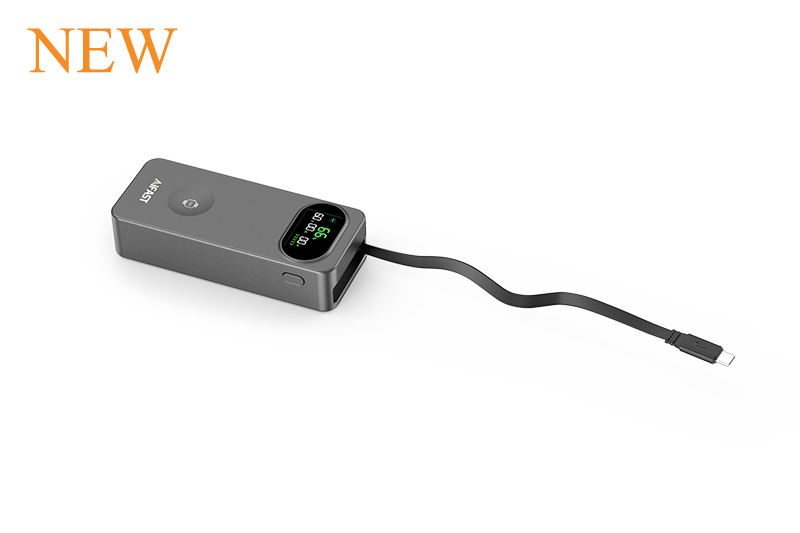 ESC-X017 65W Ultra-Fast 20000mAh Power Bank with TFT Display & Retractable Cable
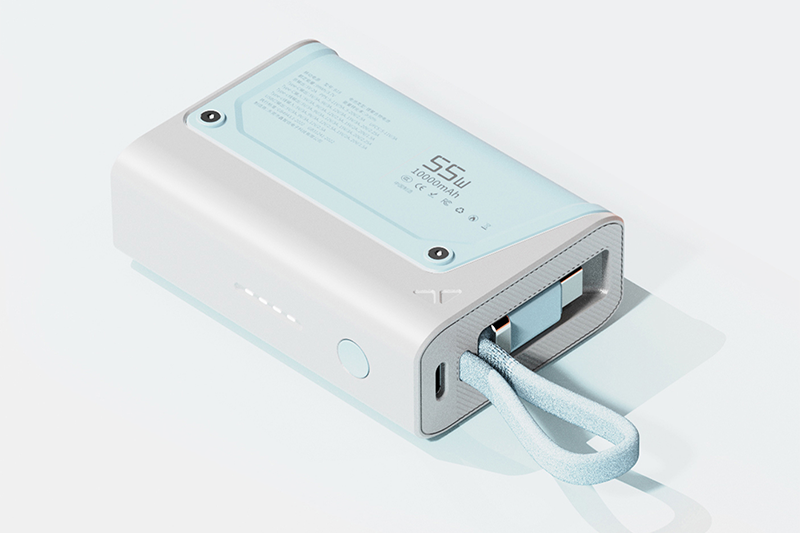 ESC-X020 10000mAh 55W Fast Charge Power Bank with cable built-in
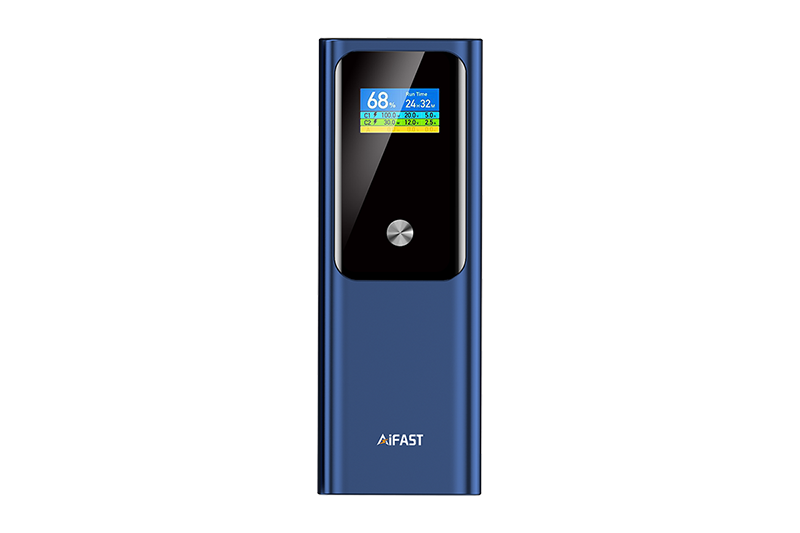 ESC-X016 120W 20000mAh Power Bank with Multi-Protocol TFT Display
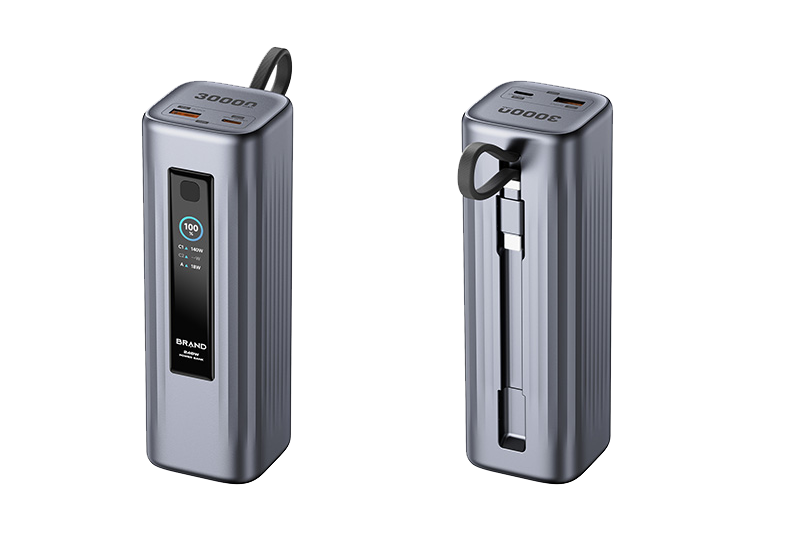 ECS-X022 145W 30,000mAh Power Bank with TFT Display & Retractable Cable
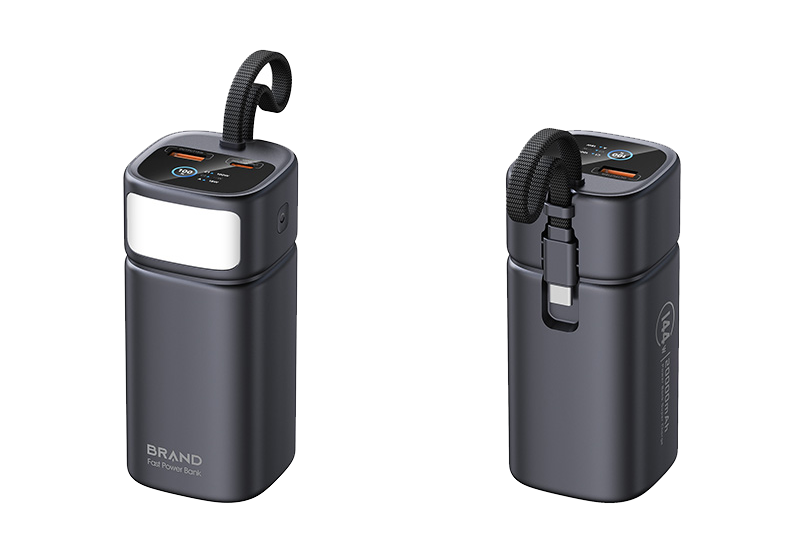 ECS-X021 100W 20,000mAh Power Bank with TFT Display & Retractable Cable
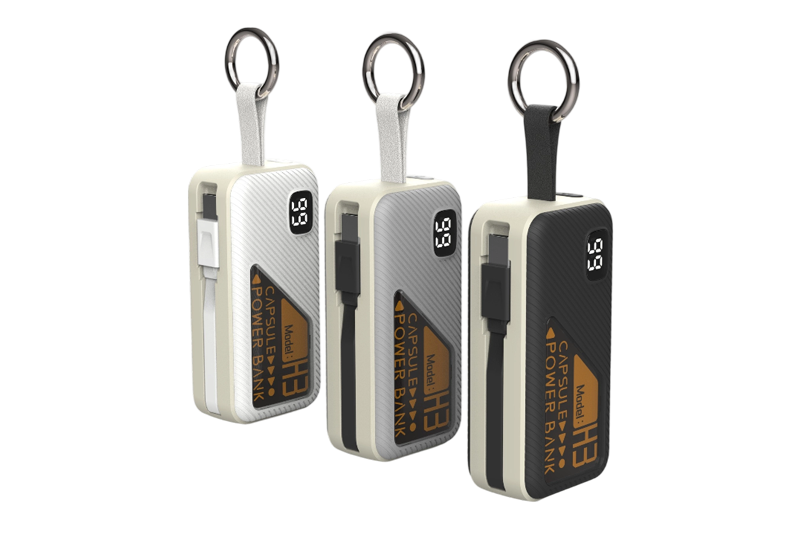 ESC-X023 20W Fast Charging Capsule Power Bank
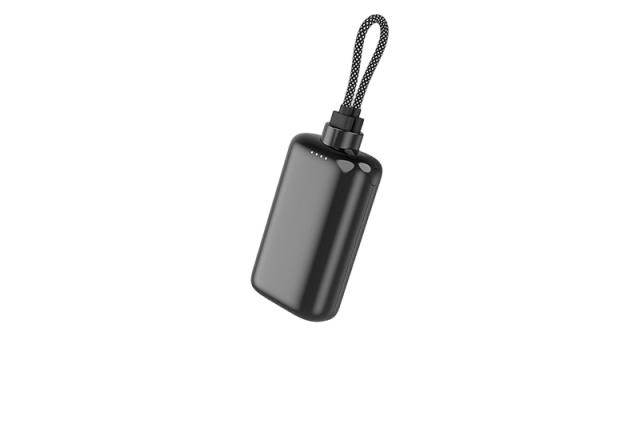 ESC-X024 22.5W 10,000mAh Fast Charging Power Bank
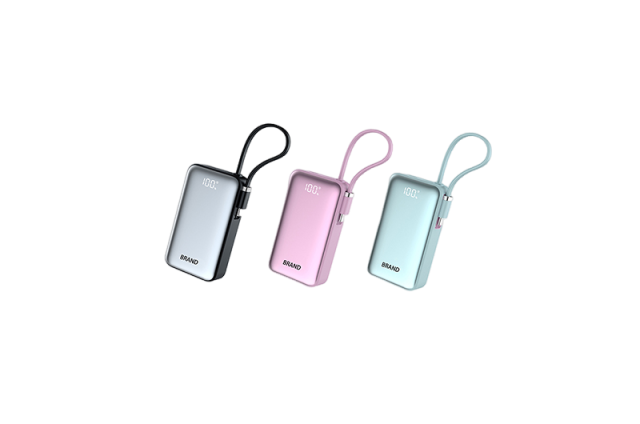 ESC-X025 22.5W Built-in Cable Portable Power Bank
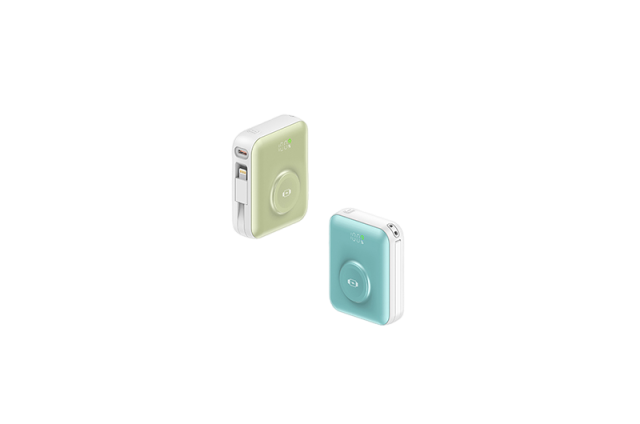 ESC-X026 22.5W 10000mAh Wireless Mini Size Power Bank
 ESC-W018 3-in-1 MagSafe-Style Wireless Charging Stand
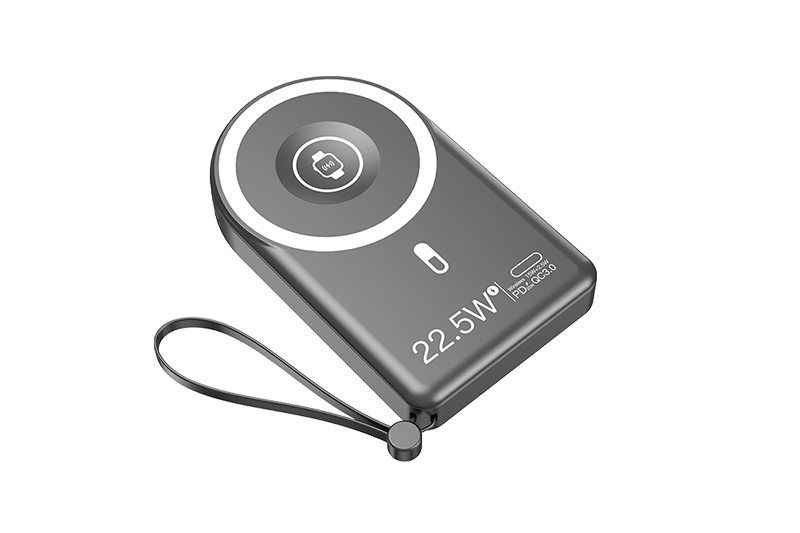 ESC-W017 5000mAh Wireless Ultimate All-in-One Power Solution for Samsung & iPhone Users
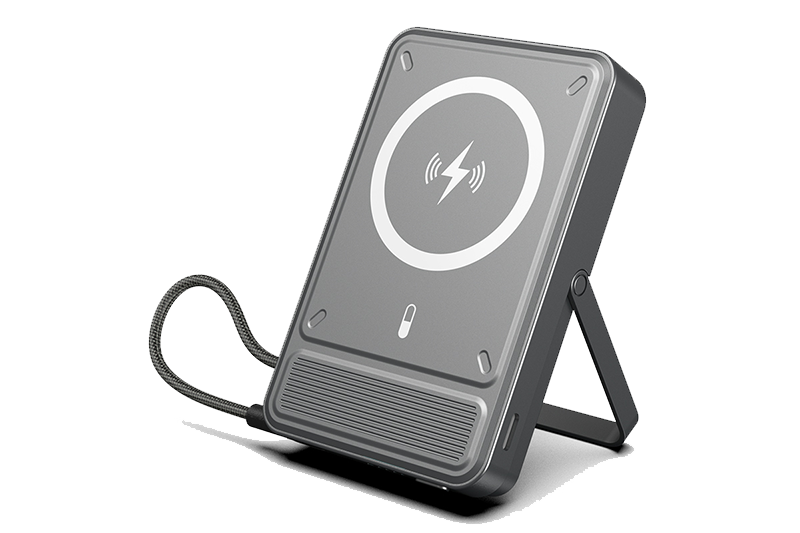 ECS-W016 45W Wireless Power Bank
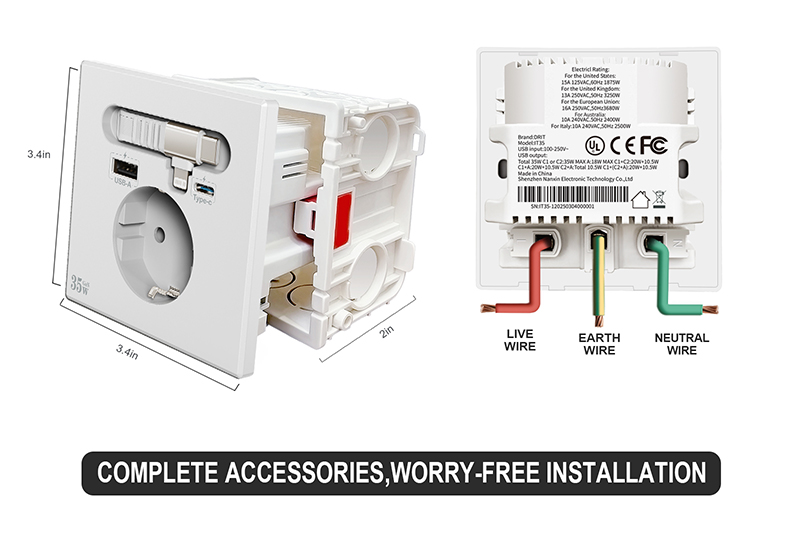 ESC-C019 Ultimate Universal 35W GaN Wall Socket
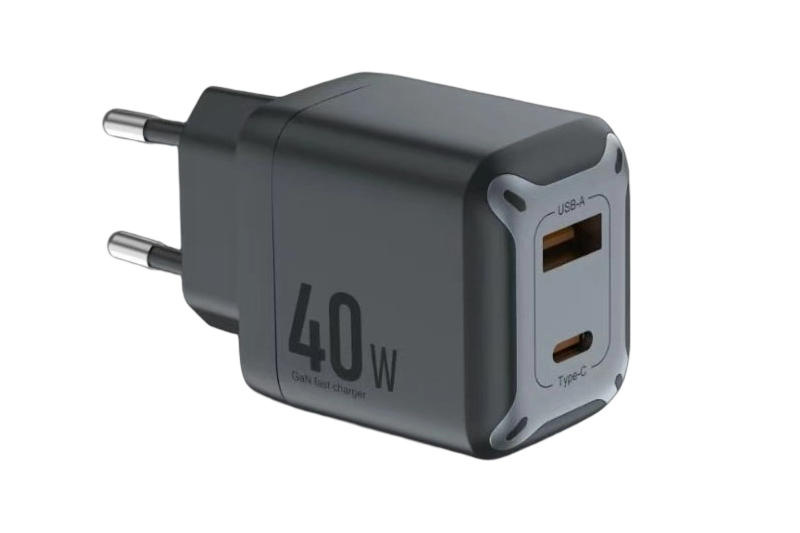 ESC-C018 Small Size 40W GaN Travel Charger
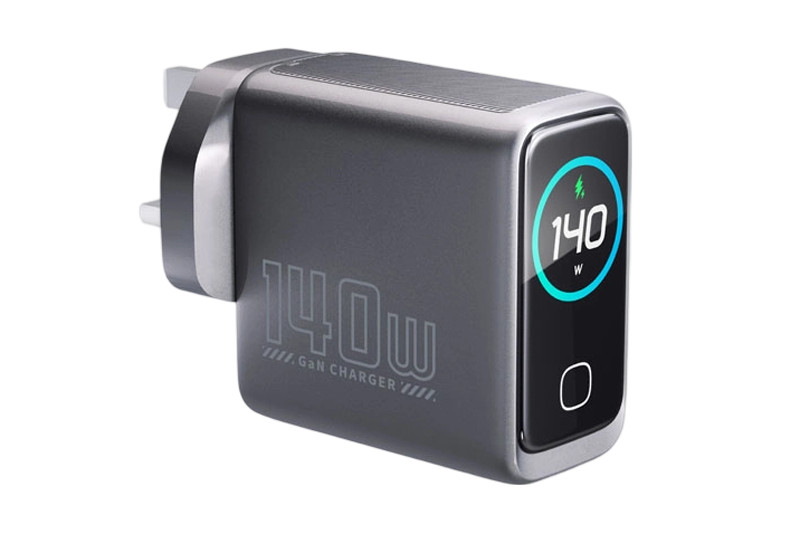 ESC-C017 140W HIGH Speed TFT Screen GaN Charger
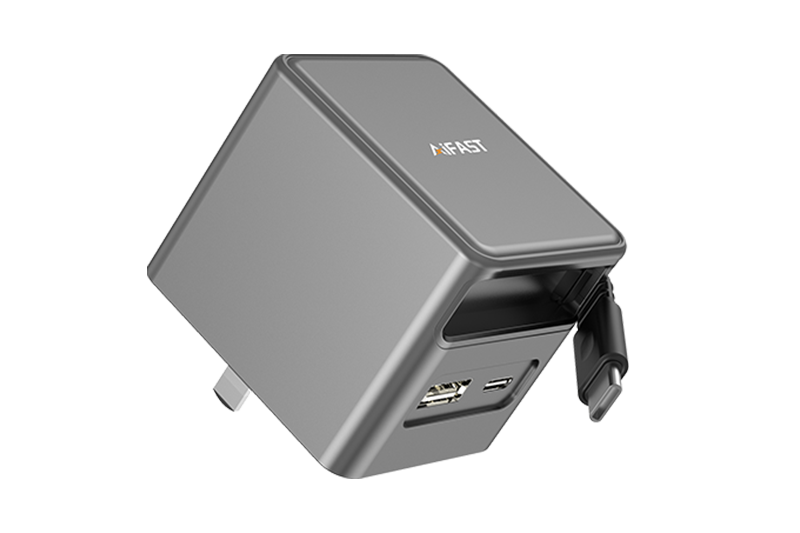 ESC-C016 65CM 65W HIGH Speed Retractable Cable GaN Charger


 Whatsapp
 Wechat



What should I do if my power bank is swelling?
Recently, Romoss and Anker Innovations have issued recalls for their power banks due to consumer complaints about swelling and overheating. Many users reported that their power banks suddenly bulged during use, but the cause remained unclear. Today, AiFASTwill explain why power banks swell and how to use them correctly to prevent such issues.
Why Do Power Banks Swell?
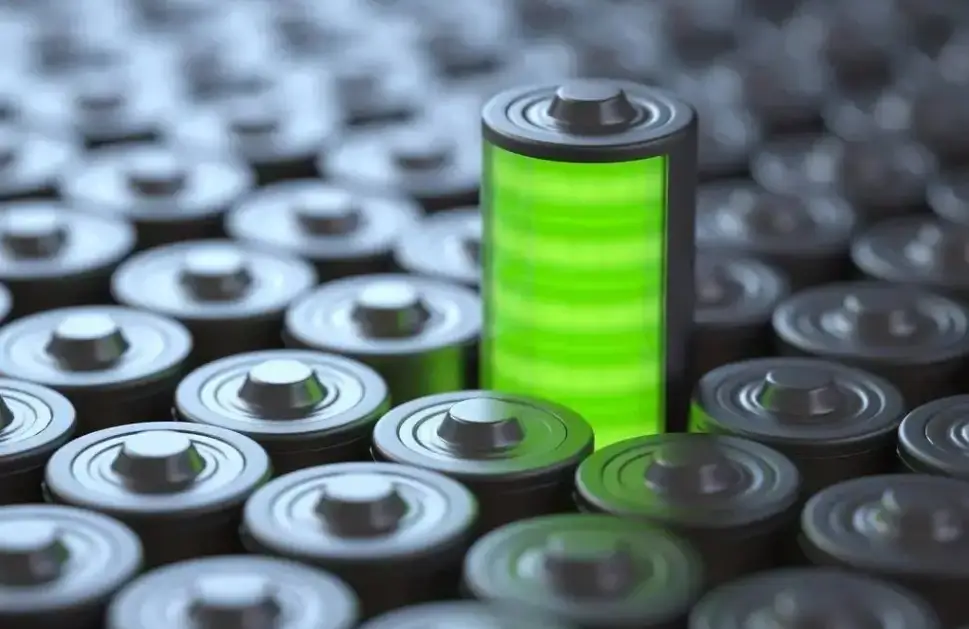
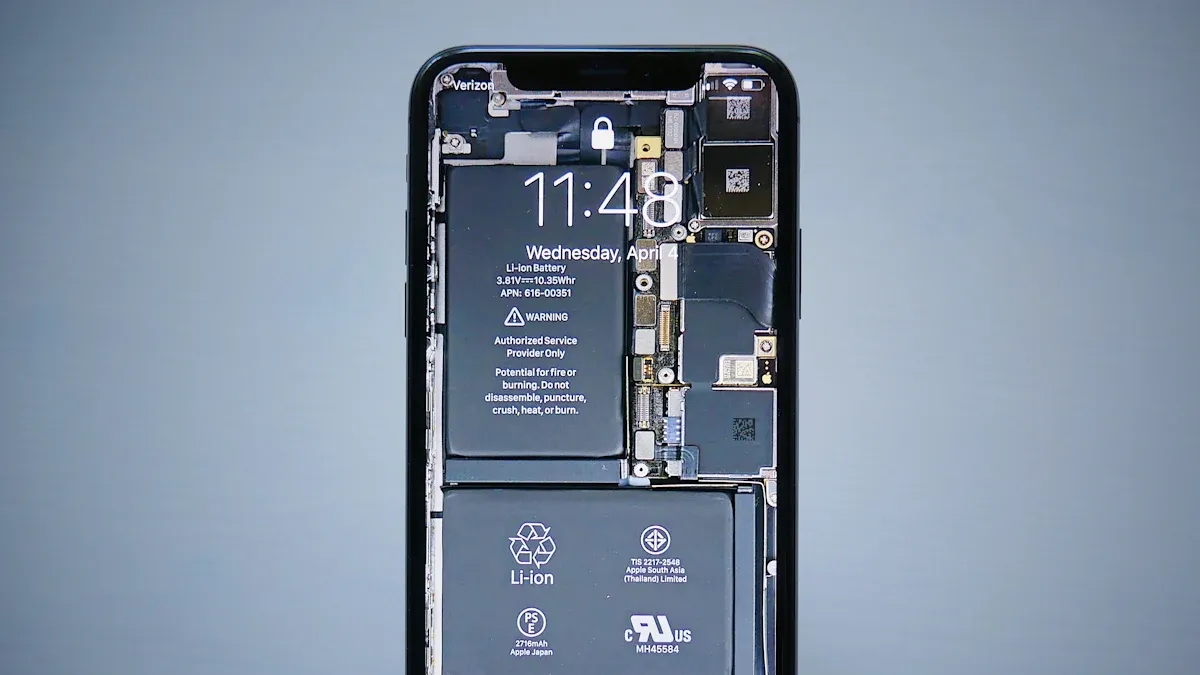
The swelling of power banks is similar to that of smartphone batteries. Most power banks on the market use either lithium-polymer batteries (soft and flexible) or parallel-connected liquid lithium-ion batteries (similar in shape to standard batteries, often simply called "lithium batteries"). Taking lithium-polymer power banks as an example, swelling can occur due to the following reasons:
1. Internal Chemical Reactions and Physical Factors
- Battery Aging:
When a battery reaches the end of its lifespan, internal pressure increases, causing gas buildup. If the gas cannot diffuse and recombine at the negative electrode, it leads to visible swelling, eventually deforming the power bank's casing.
- Improper Charging:
Using low-quality chargers or exceeding the power bank’s rated charging current can accelerate gas accumulation at the positive electrode. If the gas fails to recombine at the negative electrode, the power bank overheats and swells.
- Poor Battery Quality:
Low-quality batteries are prone to overcharging and swelling. Additionally, accidental drops, impacts, vibrations, or pressure damage can also cause swelling.
- Electrolyte Decomposition and Gas Formation:
Over time, the electrolyte inside the battery may decompose, releasing gases (e.g., hydrogen, oxygen), increasing internal pressure and leading to swelling.
- Physical Damage:
Drops, crushing, or other impacts can damage the internal structure, accelerating gas buildup or swelling.
- Safety Valve Failure:
If the battery’s safety valve is defective or clogged, gas cannot escape, causing pressure buildup and eventual swelling.
2. Usage and Storage Conditions
- Overcharging/Over-Discharging:
Frequent overcharging or deep discharging accelerates lithium-ion degradation, generating gas. Long-term overcharging may also intensify electrolyte decomposition.
- High-Temperature Environments:
Heat speeds up chemical reactions, increasing gas production and swelling risks.
- Low-Quality Batteries or Components:
Power banks with substandard cells or poor assembly are more prone to swelling. Some products may even pose safety hazards due to defective materials.
3. Design and Manufacturing Defects
- Poor Cell Assembly:
Some products have design flaws (e.g., improper cell caps or electrode tabs), which may cause overheating or even combustion under extreme conditions.
- Faulty Current Control:
Excessive charging current or voltage prevents gas recombination at the negative electrode, raising internal pressure.
Key Recommendations
If your power bank shows visible swelling, stop using it immediately and dispose of it properly. **Do not puncture or poke it**, as this can lead to dangerous leaks or explosions. For severely swollen power banks, contact a professional disposal service or replace the device.
How to Use Power Banks Safely and Avoid Swelling?
Follow these 6 tips to minimize risks:
1. Anti-Static Cleaning:
Regularly clean the power bank and its charging port with an anti-static cloth or brush. Avoid dry cloths (which generate static electricity).
2. Water and Moisture Protection:
Avoid exposure to water or humid environments, as moisture can corrode internal components.
3. Shock and Drop Prevention:
Handle power banks gently—avoid dropping, throwing, or subjecting them to strong vibrations, as impacts can damage internal circuits.
4. Avoid Extreme Temperatures:
High temperatures shorten battery life and may melt plastic parts. Extreme cold can cause condensation, damaging the circuit board.
5. Avoid Harsh Chemicals:
Do not clean power banks with strong solvents or detergents. Use a small amount of isopropyl alcohol on a cotton swab for stains.
6. Proper Charging and Discharging:
If unused for long periods, charge and discharge the power bank at least once a month to maintain battery health and extend lifespan.
Purchasing Tips
When buying a power bank, avoid cheap options—you get what you pay for. With rising raw material costs, suspiciously low prices may indicate poor quality. Choose a supplier with high-quality materials, mature production processes, and reliability.
AiFAST has over a decade of expertise in power banks and has achieved **breakthroughs in fast-charging technology, applied in power banks, chargers, and other 3C digital products. If you're looking for a trustworthy fast-charging supplier, contact us today!