
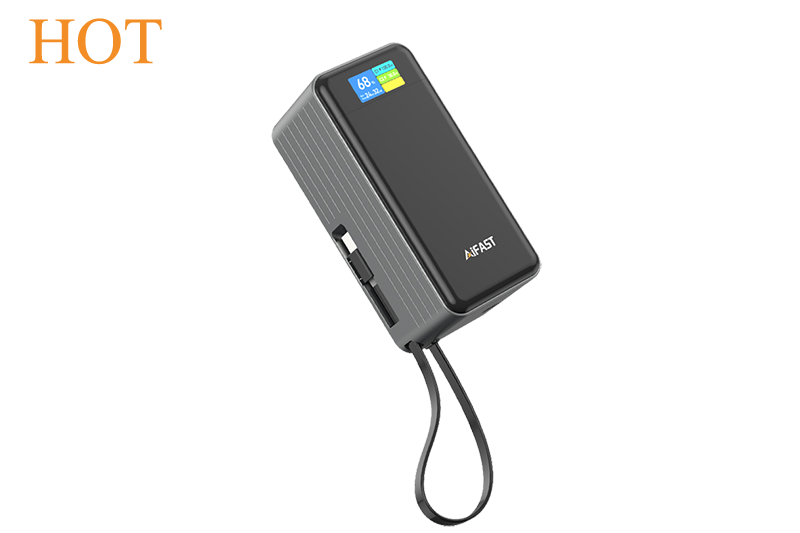
 ESC-X019 65W Fast charge power bank
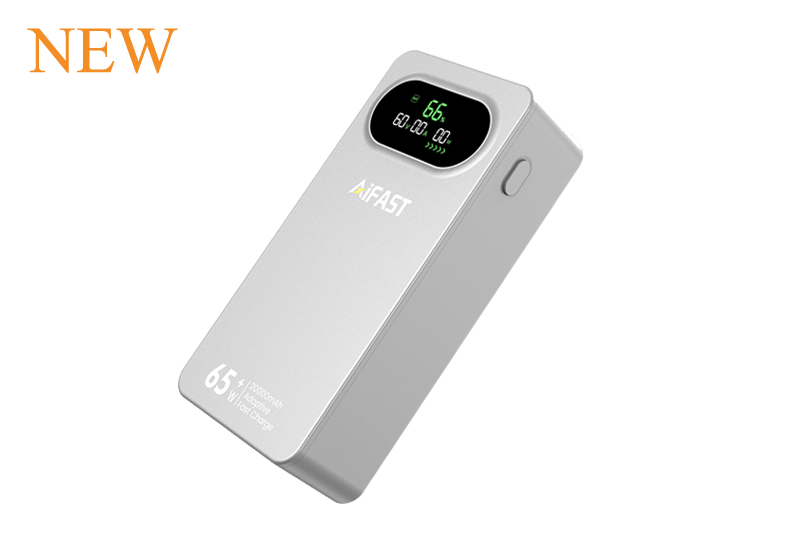 ESC-X018 65W Ultra-Fast 10000mAh Power Bank with TFT Display & Retractable Cable
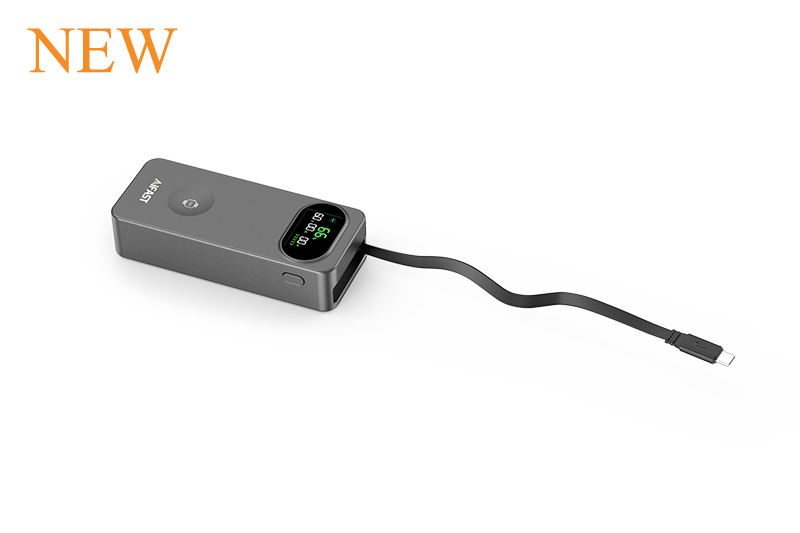 ESC-X017 65W Ultra-Fast 20000mAh Power Bank with TFT Display & Retractable Cable
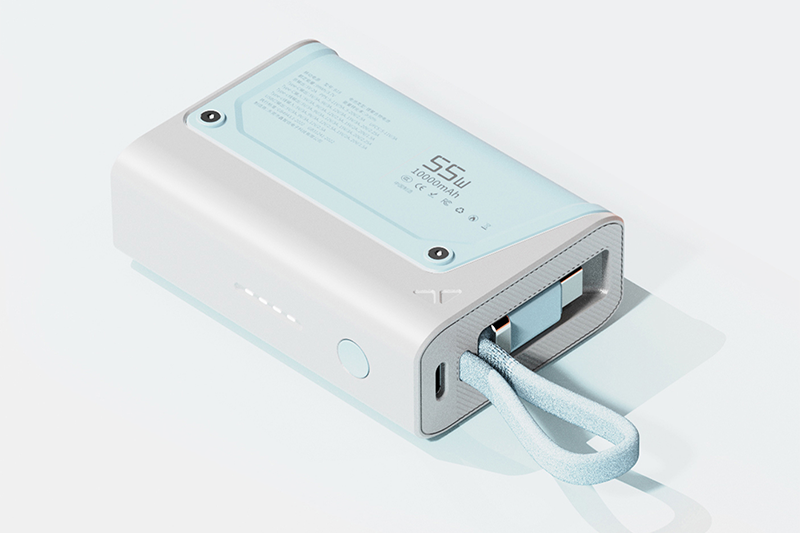 ESC-X020 10000mAh 55W Fast Charge Power Bank with cable built-in
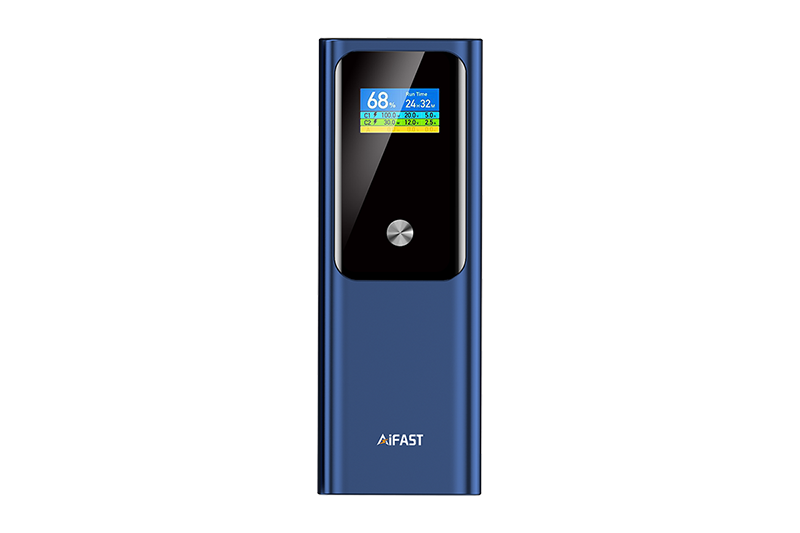 ESC-X016 120W 20000mAh Power Bank with Multi-Protocol TFT Display
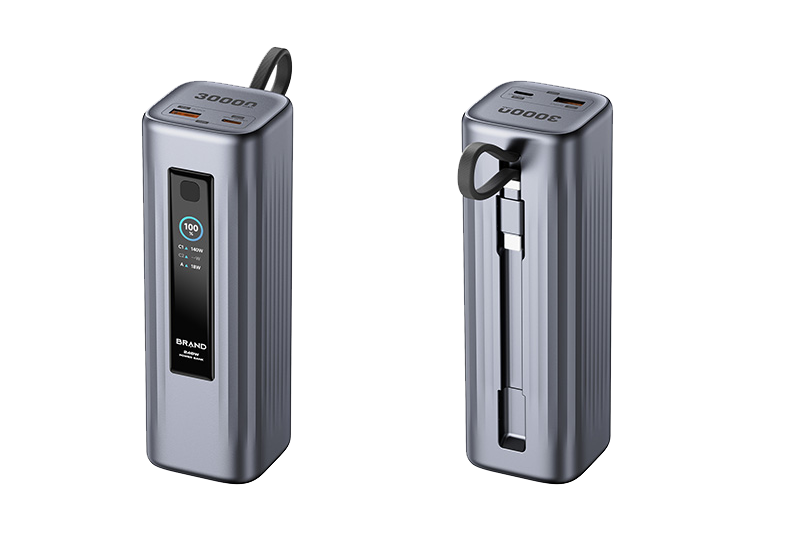 ECS-X022 145W 30,000mAh Power Bank with TFT Display & Retractable Cable
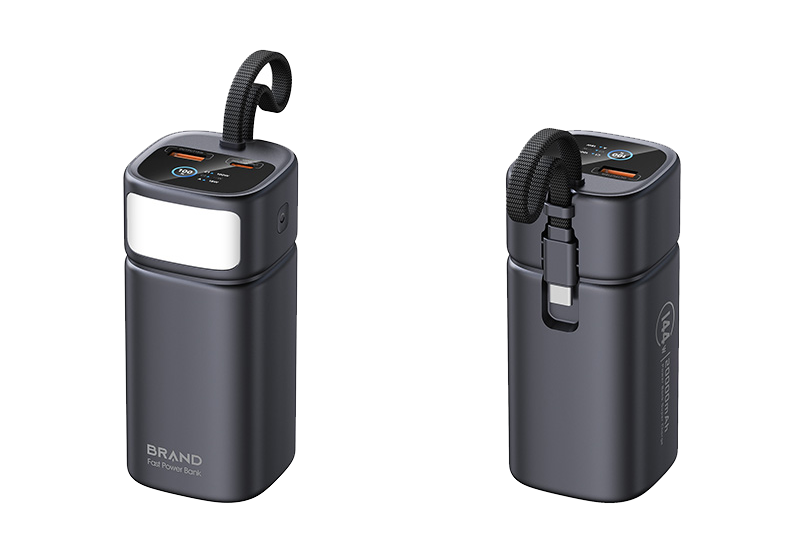 ECS-X021 100W 20,000mAh Power Bank with TFT Display & Retractable Cable
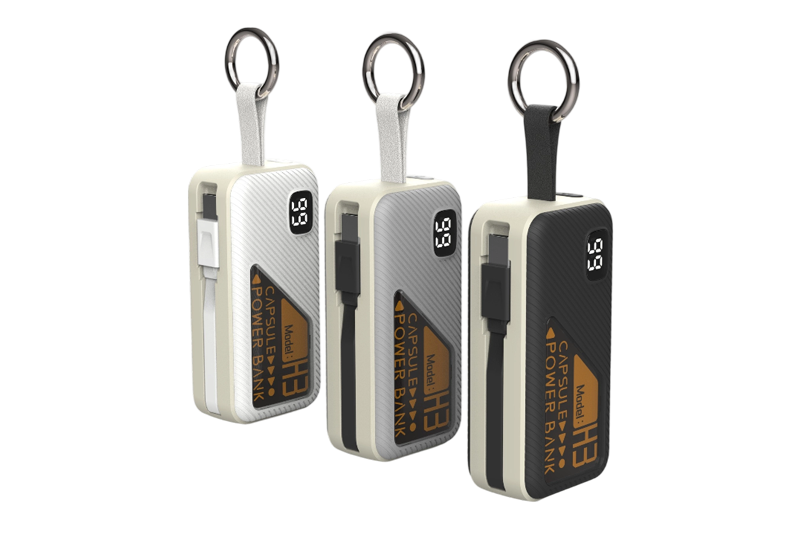 ESC-X023 20W Fast Charging Capsule Power Bank
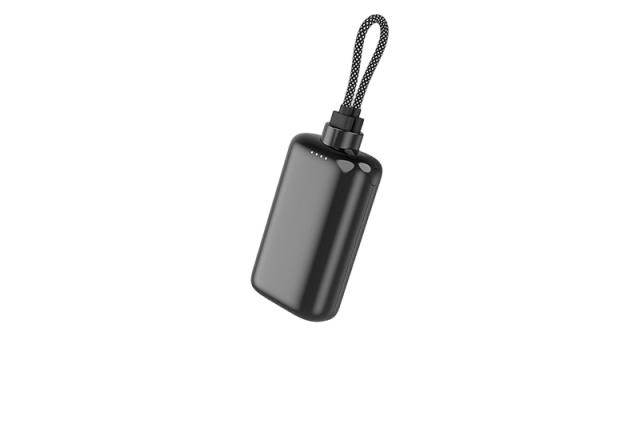 ESC-X024 22.5W 10,000mAh Fast Charging Power Bank
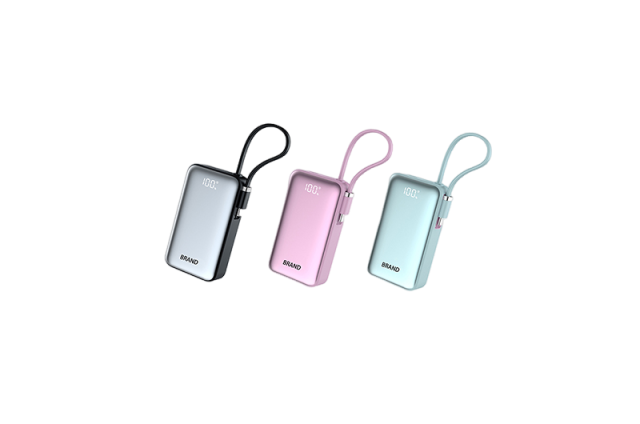 ESC-X025 22.5W Built-in Cable Portable Power Bank
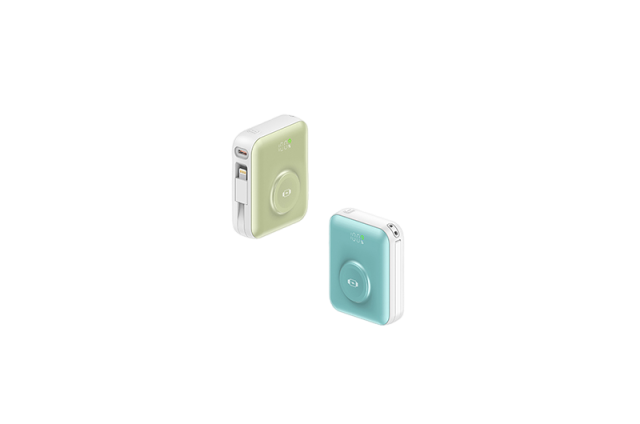 ESC-X026 22.5W 10000mAh Wireless Mini Size Power Bank
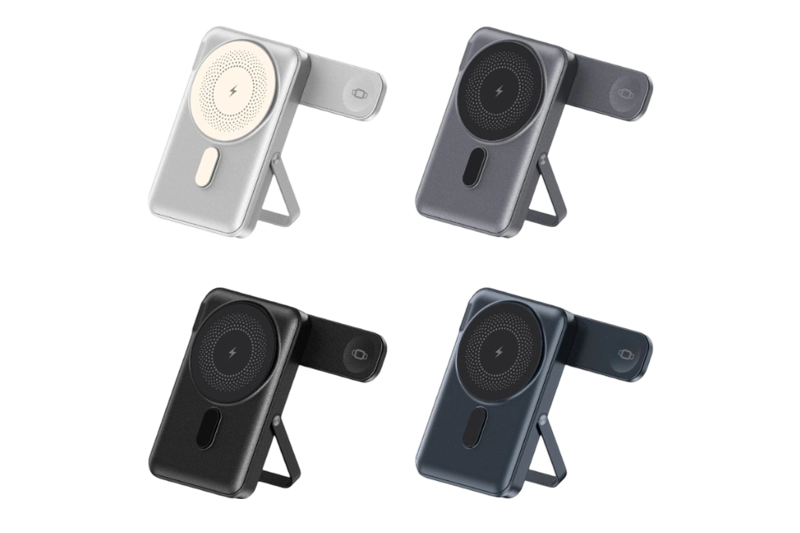 ESC-W018 3-in-1 MagSafe-Style Wireless Charging Stand
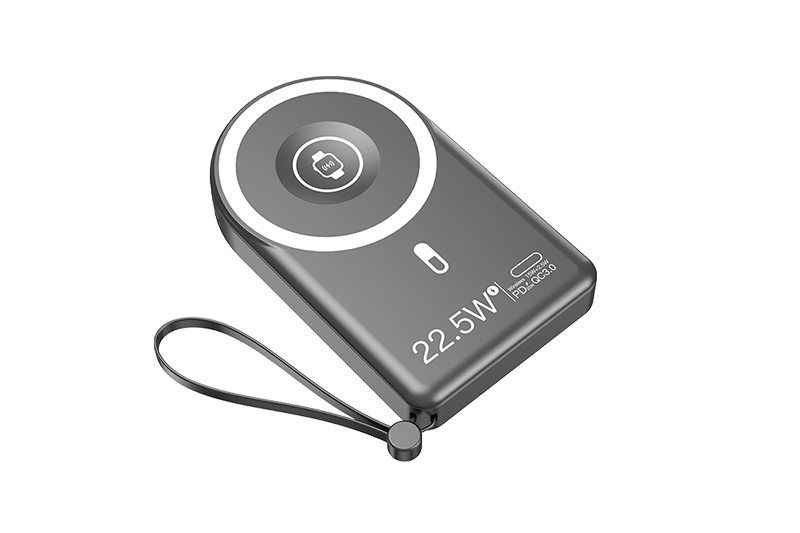 ESC-W017 5000mAh Wireless Ultimate All-in-One Power Solution for Samsung & iPhone Users
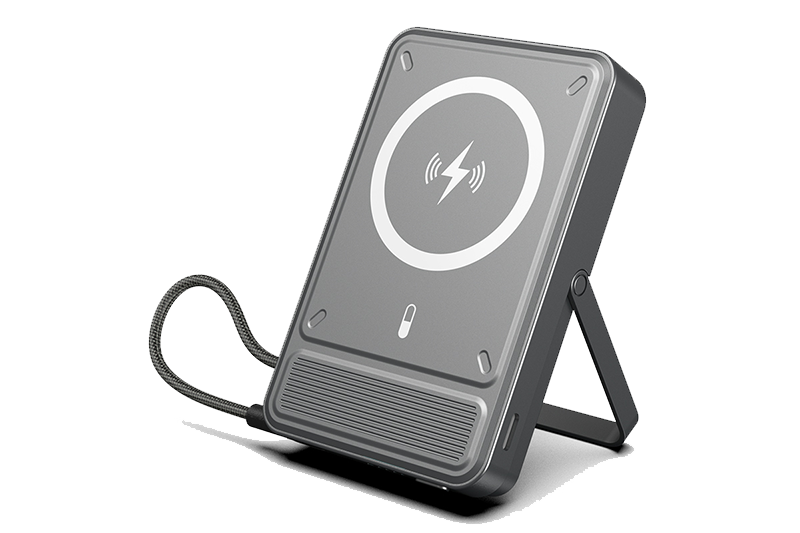 ECS-W016 45W Wireless Power Bank
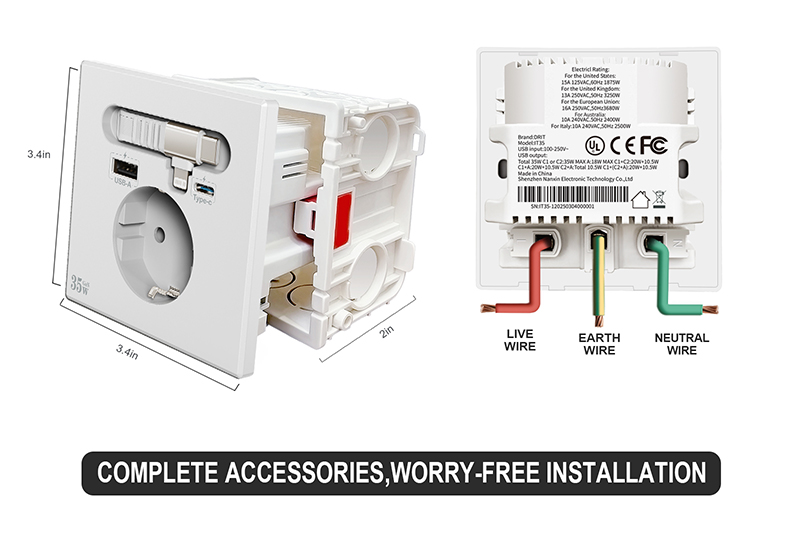 ESC-C019 Ultimate Universal 35W GaN Wall Socket
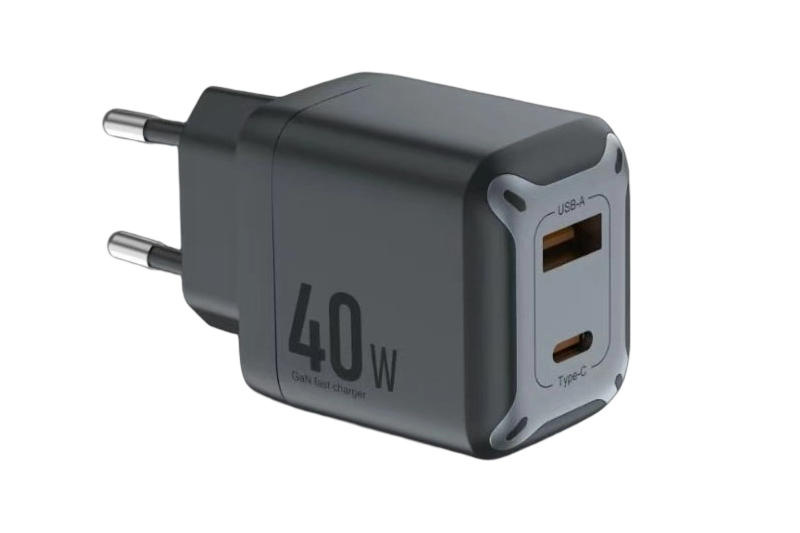 ESC-C018 Small Size 40W GaN Travel Charger
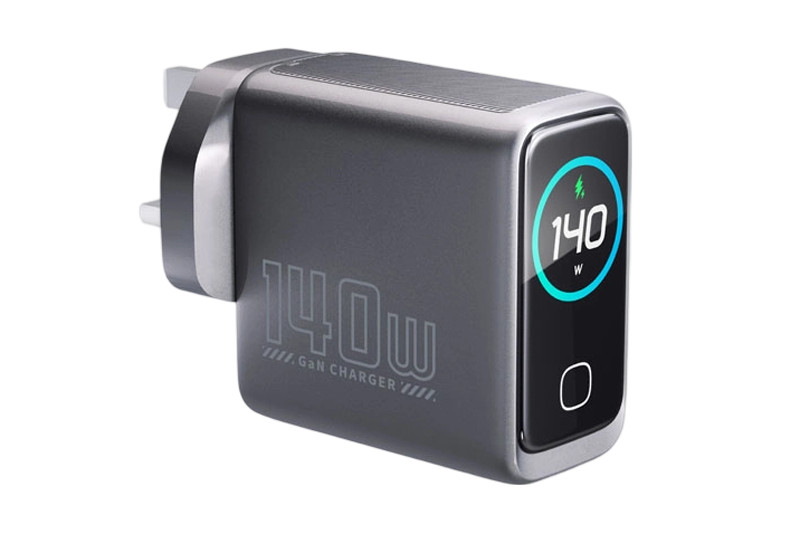 ESC-C017 140W HIGH Speed TFT Screen GaN Charger
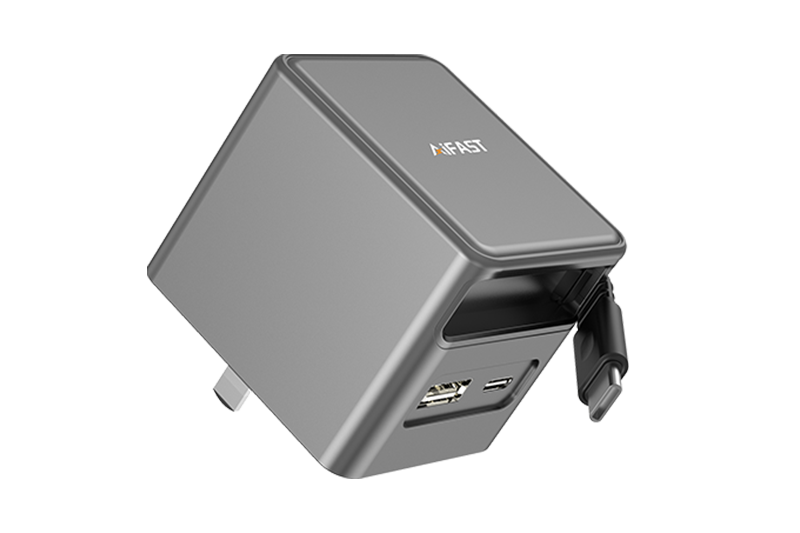 ESC-C016 65CM 65W HIGH Speed Retractable Cable GaN Charger


 Whatsapp
 Wechat

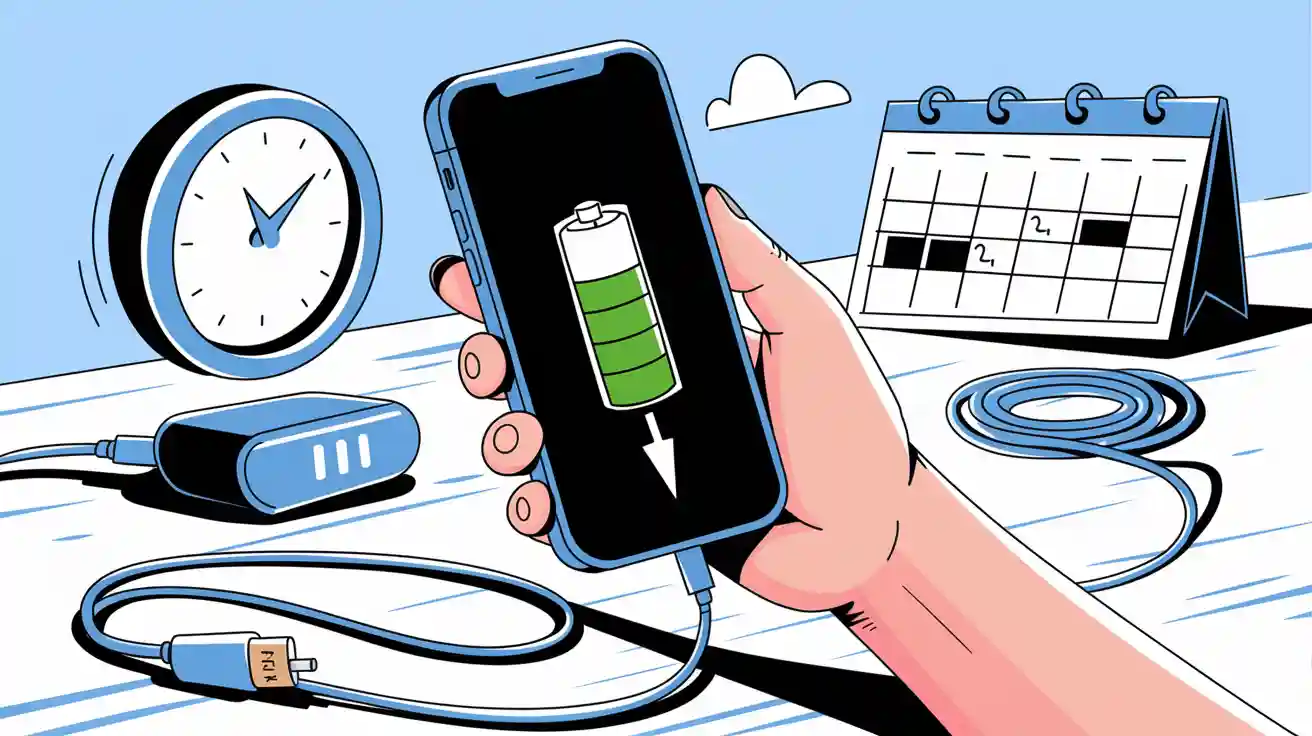

Which is more important for fast charging: the adapter or the cable?
Battery life has always been a major concern for smartphone users, leading to the emergence of various fast-charging devices in the market. Some people wonder:
When it comes to charging speed, is the adapter or the cable more crucial?
Can a regular data cable be used with a fast-charging adapter?
Yes, you can use a regular data cable with a fast-charging adapter. However, it’s important to note that while charging will still work, the speed will not be fast—essentially the same as using a non-fast-charging setup. To achieve fast charging, both the adapter and the cable must support fast charging.
Can non-original fast chargers deliver fast charging?
Many users like to replace their original chargers—for example, swapping a 16W charger for a 66W or 100W fast charger in hopes of speeding up charging. But does this actually work?
In reality, the original charger provides the most suitable voltage for the phone, matching its maximum supported power. Using a non-original charger won’t significantly improve charging speed because the phone’s rated power remains unchanged. Moreover, prolonged use of fast charging can damage the battery, leading to reduced battery life over time.
While a regular data cable can technically work with a fast-charging adapter, it won’t enable fast charging—only standard charging speeds. For phones that don’t support fast charging, sticking with the original charger is best. Forcing fast charging not only fails to speed up charging but may also cause irreversible damage to the battery.
How charging speed relates to the charger:
The charger consists of two components: the adapter and the cable. Understanding this helps avoid choosing the wrong replacement, which could slow down charging.
Here’s the clear answer: **Both the adapter and the cable are equally important for charging speed.**
How do they affect charging speed? And what if one breaks?
1. The adapter’s role:
The adapter determines the voltage, current, and maximum output power, setting the upper limit for charging speed.
For example, if your phone supports 4.5V/5A (22.5W) but you use a 5V/1A (5W) adapter, charging will be much slower.
2. Why the cable matters:
The cable connects the phone to the adapter and transmits current, so it also impacts charging speed.
Cables consume power due to resistance (P=I²R). Higher currents lead to greater power loss in the cable. To minimize this, high-quality cables use thicker conductors (e.g., tinned copper or pure copper) to reduce resistance, ensuring efficient power delivery and preventing overheating.
Cable length also affects charging speed—shorter cables charge faster. Standard phone cables are usually 1 meter long, but for different scenarios:
- Short cables (e.g., for power banks):** Faster charging and more portable.
- Longer cables (1.5m–2m):** Convenient for charging while using the phone, though slightly slower.
Compatibility with fast-charging protocols is also crucial:
Fast charging requires matching protocols. Many brands have proprietary fast-charging standards, such as:
- Huawei SuperCharge
- PD (Power Delivery)
- QC3.0 (Quick Charge 3.0)
- VOOC Flash Charge
Compatibility determines whether the charger works with the phone, while power matching determines the speed. For example:
- A 40W PD charger won’t charge an iPhone 12 at 40W (max 20W supported).
- An 18W QC charger won’t deliver 18W to an iPhone because Apple doesn’t support QC.
Final summary:
To achieve the fastest charging speed, **both the adapter and cable must be correctly selected**. For reliable performance, AiFAST recommends choosin