
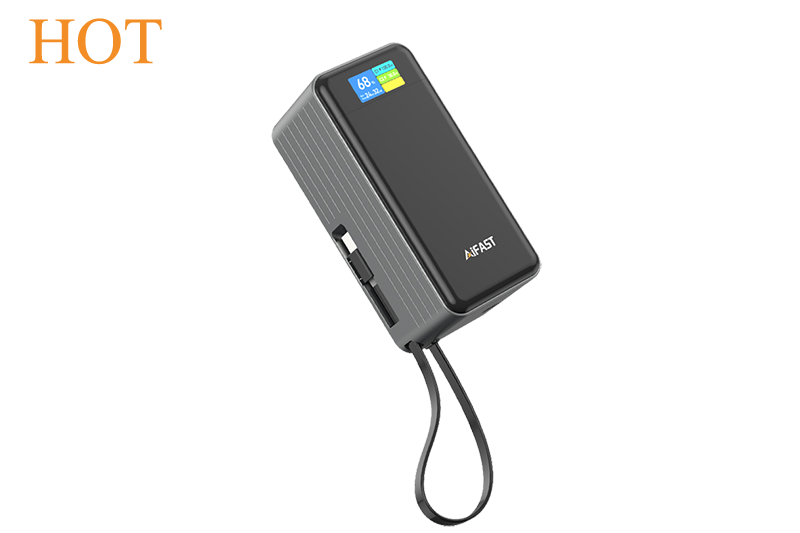
 ESC-X019 65W Fast charge power bank
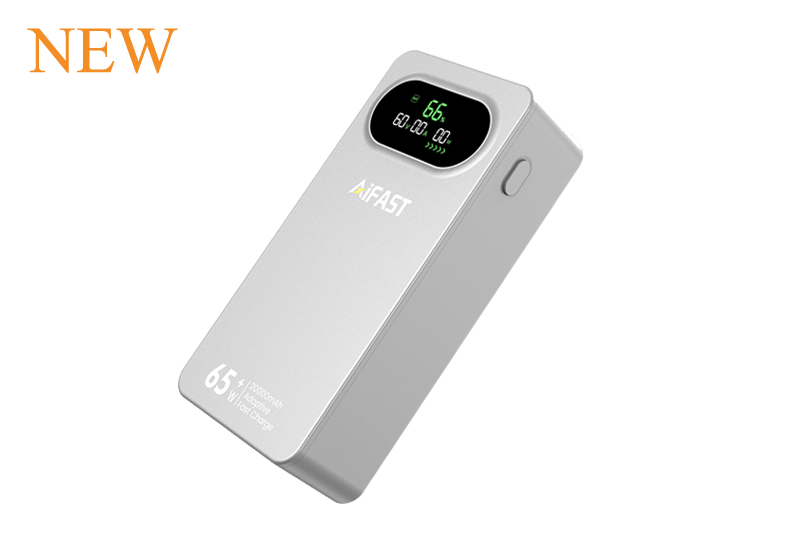 ESC-X018 65W Ultra-Fast 10000mAh Power Bank with TFT Display & Retractable Cable
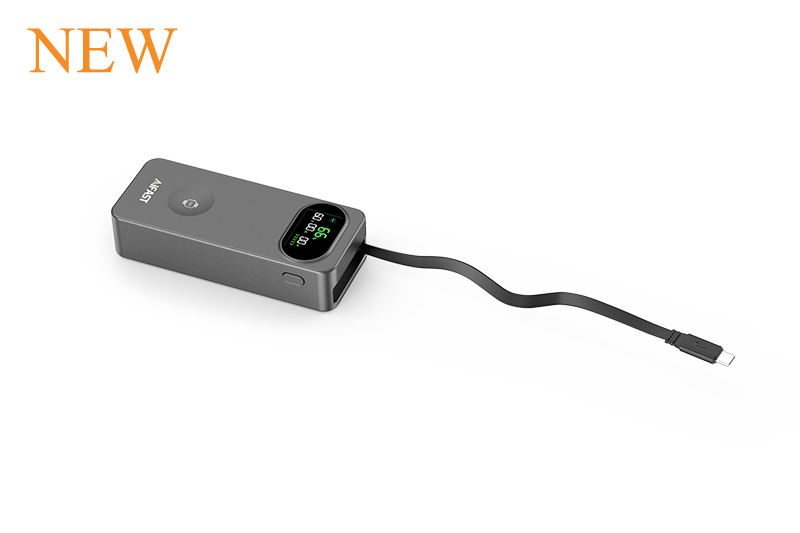 ESC-X017 65W Ultra-Fast 20000mAh Power Bank with TFT Display & Retractable Cable
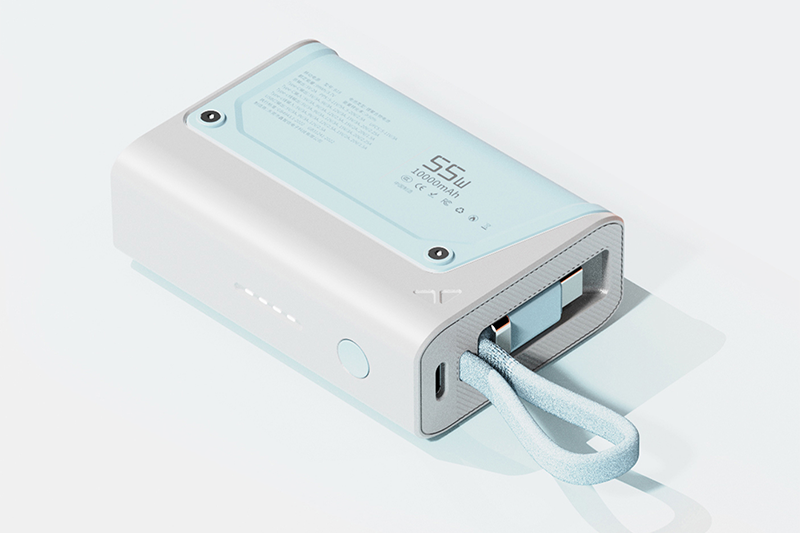 ESC-X020 10000mAh 55W Fast Charge Power Bank with cable built-in
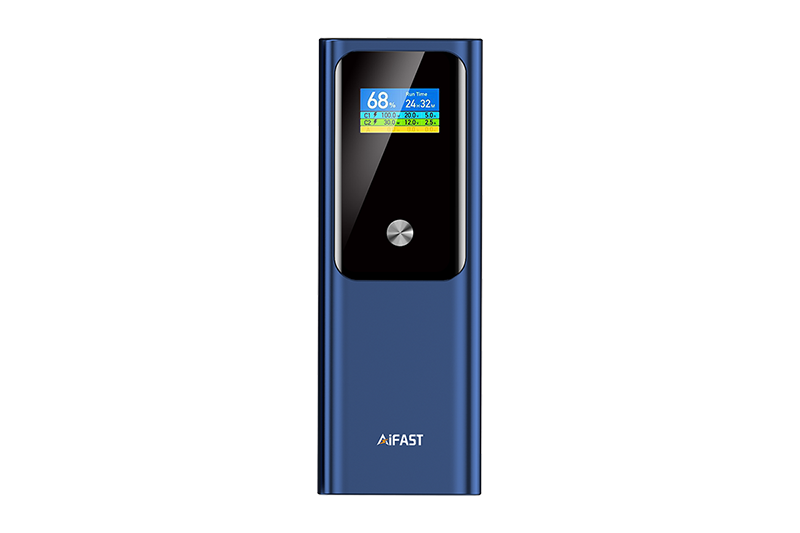 ESC-X016 120W 20000mAh Power Bank with Multi-Protocol TFT Display
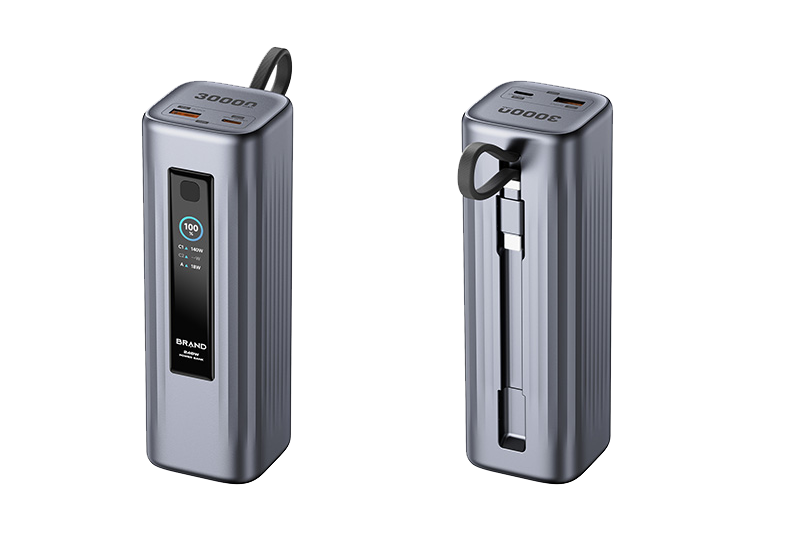 ECS-X022 145W 30,000mAh Power Bank with TFT Display & Retractable Cable
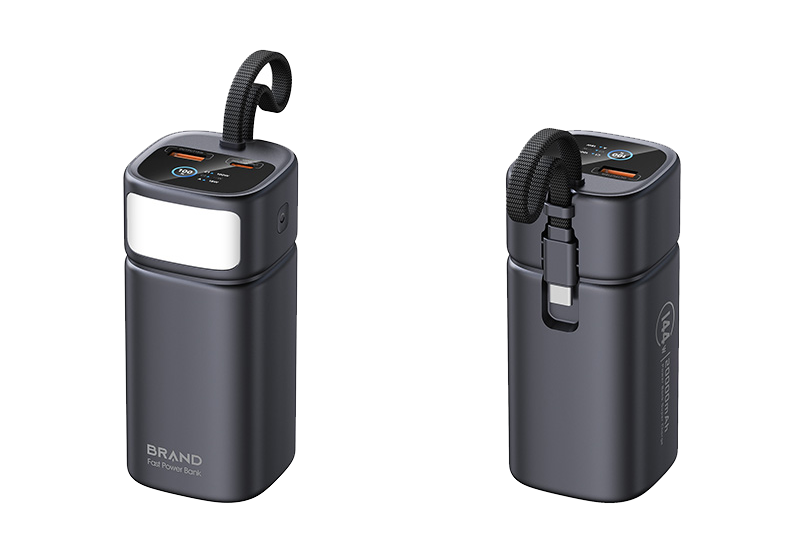 ECS-X021 100W 20,000mAh Power Bank with TFT Display & Retractable Cable
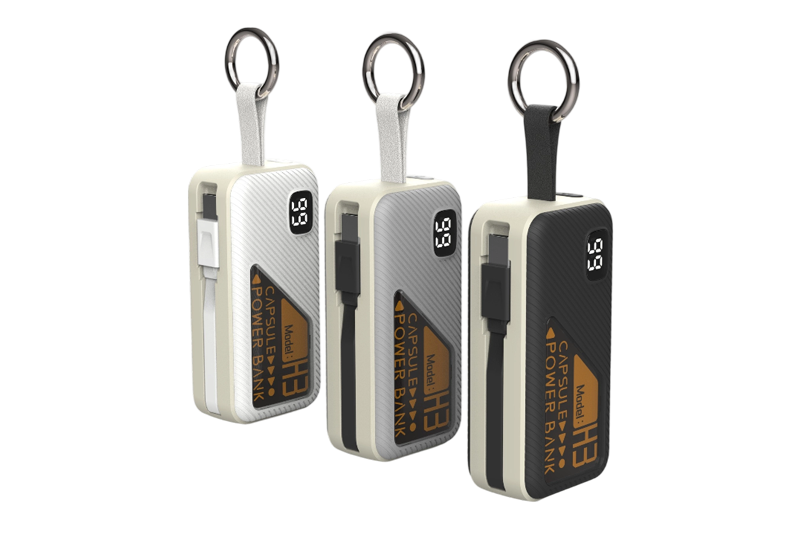 ESC-X023 20W Fast Charging Capsule Power Bank
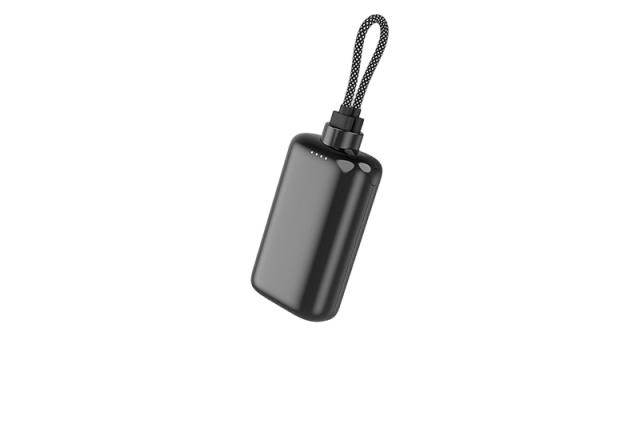 ESC-X024 22.5W 10,000mAh Fast Charging Power Bank
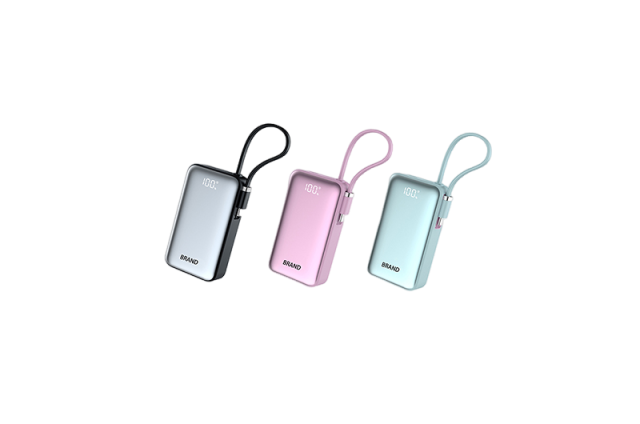 ESC-X025 22.5W Built-in Cable Portable Power Bank
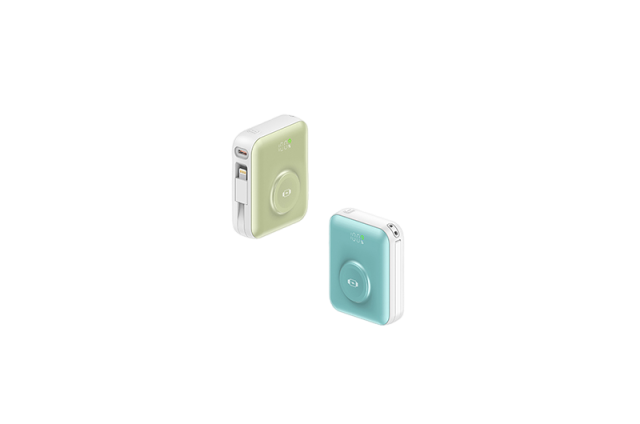 ESC-X026 22.5W 10000mAh Wireless Mini Size Power Bank
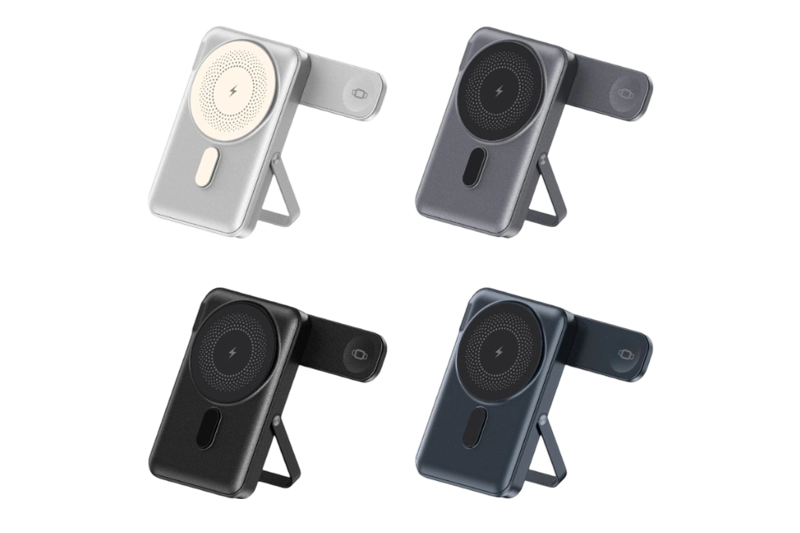 ESC-W018 3-in-1 MagSafe-Style Wireless Charging Stand
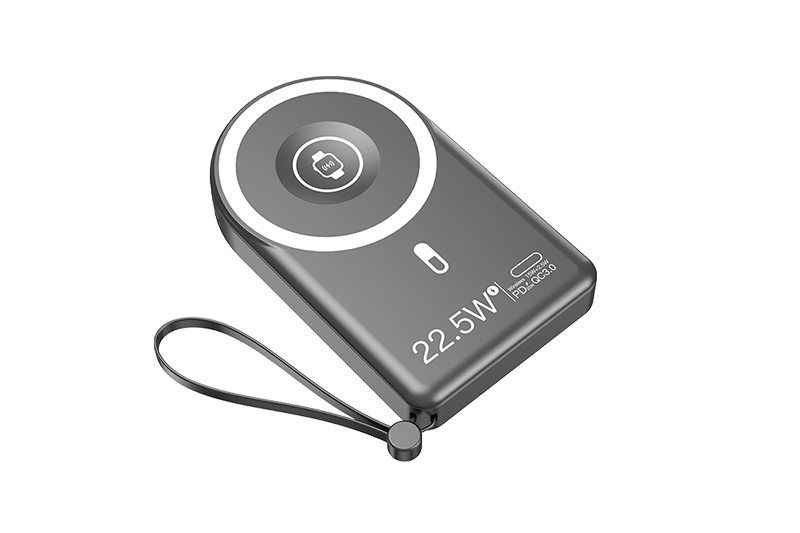 ESC-W017 5000mAh Wireless Ultimate All-in-One Power Solution for Samsung & iPhone Users
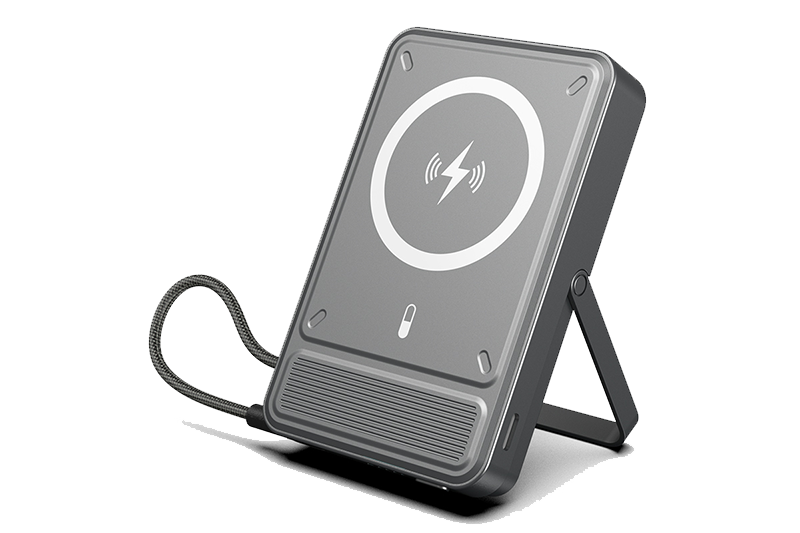 ECS-W016 45W Wireless Power Bank
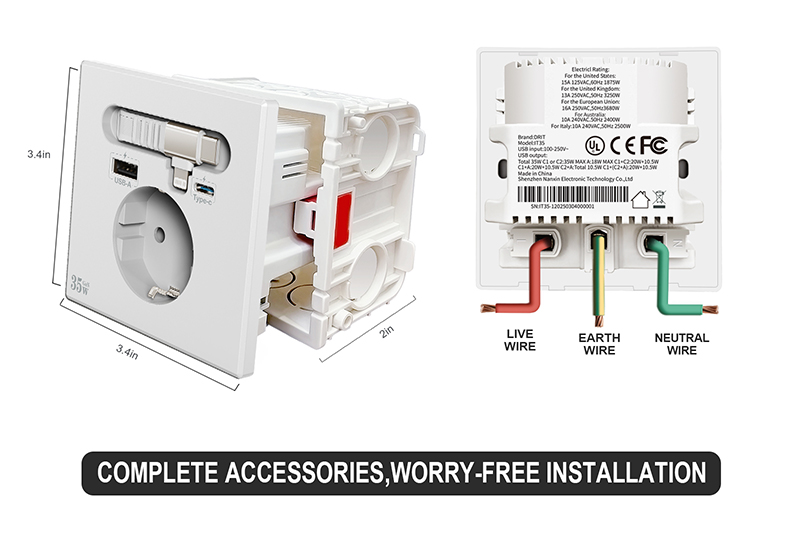 ESC-C019 Ultimate Universal 35W GaN Wall Socket
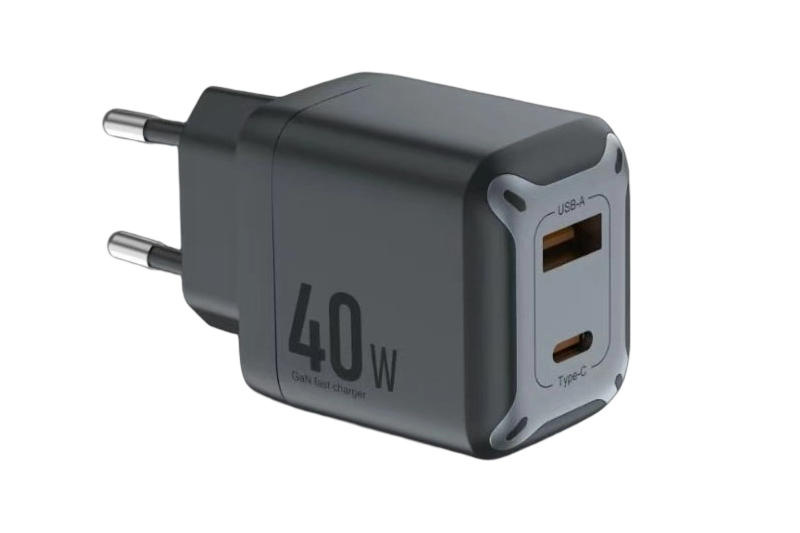 ESC-C018 Small Size 40W GaN Travel Charger
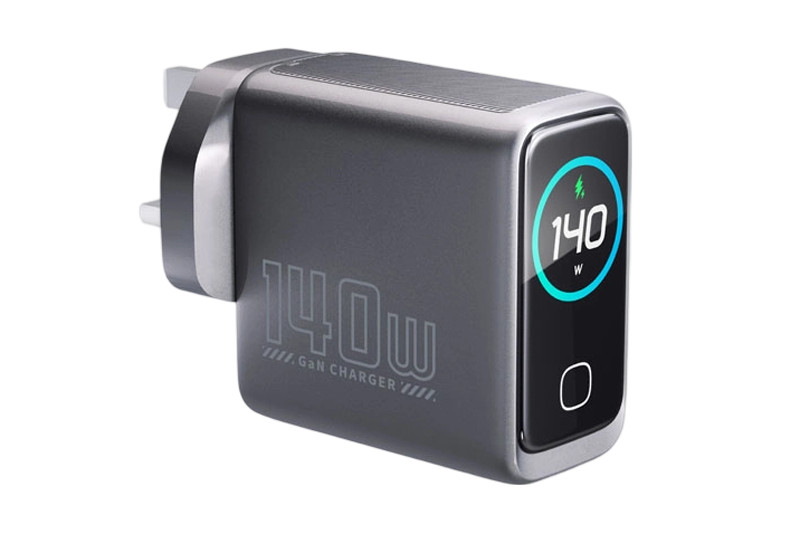 ESC-C017 140W HIGH Speed TFT Screen GaN Charger
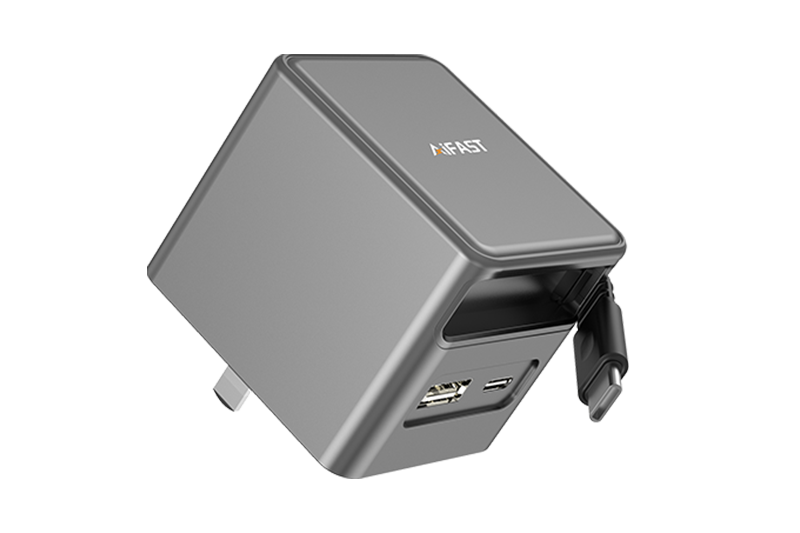 ESC-C016 65CM 65W HIGH Speed Retractable Cable GaN Charger


 Whatsapp
 Wechat


Why Do Phones Mostly Use Polymer Batteries While Power Banks Use Them Less?
Although we use lithium-ion batteries daily, do you truly understand them? Lithium-ion batteries can be broadly categorized into several types. Which ones are used in phones and power banks?
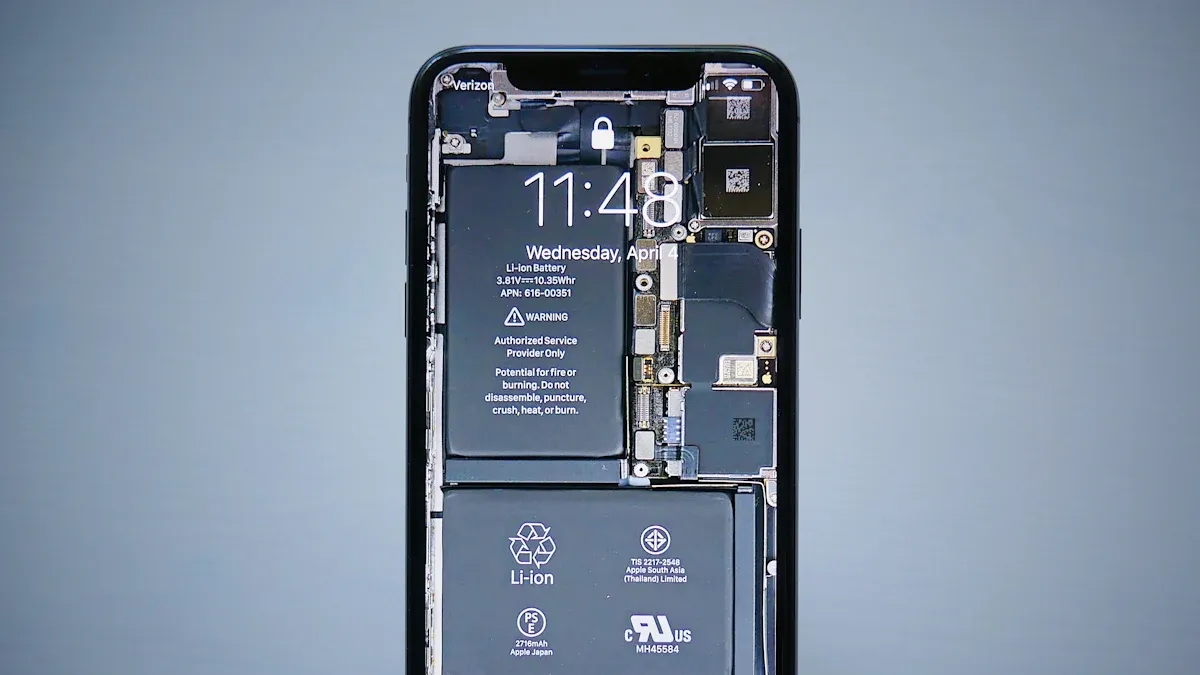
Both smartphone batteries and mainstream power bank batteries use lithium-ion technology. However, due to frequent usage and compact size, phone batteries have higher energy density compared to power bank batteries (especially larger ones). Their cycle performance is also more reliable (in an era where phones are charged almost daily, it’s rare to hear about phone batteries exploding—except for Samsung incidents). Power bank batteries, on the other hand, are used less frequently (compared to phones) and prioritize portability less. They tend to be bulkier (smaller power banks of the same capacity are usually more expensive), so their energy density can be lower (larger cells are acceptable when portability isn’t critical). These cells are likely cheaper than phone batteries and may even have slightly inferior cycle performance.
Classification of Lithium-Ion Batteries
Currently, two types of lithium-ion batteries are widely used:
1. Polymer Lithium-Ion Batteries: Used in smartphones like iPhones.
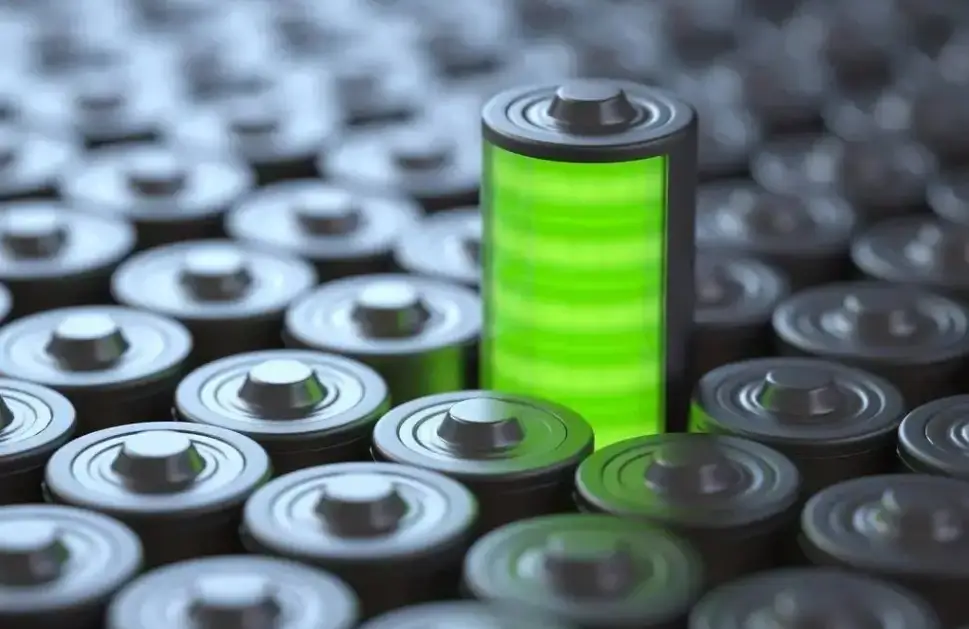
2.Traditional Lithium-Ion Batteries**: Represented by 18650 cells, which resemble standard AA batteries and are common in power banks and high-end hoverboards.
Traditional lithium-ion batteries use liquid electrolytes, while polymer lithium-ion batteries replace these with solid or semi-solid (gel) polymer electrolytes.
How to Tell Them Apart?
- Traditional Lithium-Ion Batteries**: Encased in rigid aluminum or steel shells.
- Polymer Lithium-Ion Batteries**: Packaged in lightweight, flexible aluminum-plastic film, resembling paper, which allows bending and folding.
Which Is Better?
Theoretically, polymer lithium-ion batteries represent the pinnacle of current technology and outperform 18650 cells—but this isn’t absolute. 18650 batteries have undeniable advantages too.
Pros and Cons of Polymer Lithium-Ion Batteries
1. Advantages:
- Safety: Aluminum-plastic soft packaging reduces explosion risks; they typically swell or burn rather than explode.
- Thinness: Can be as thin as <1mm (e.g., for credit card-sized devices), while traditional batteries struggle below 3.6mm.
- Lightweight & High Capacity**: No metal casing makes them 40% lighter than steel-shell batteries and 20% lighter than aluminum-shell ones. They also offer ~30% higher capacity for the same size.
- Customizable Shapes: Thickness can be adjusted (e.g., Apple’s trapezoidal MacBook batteries optimize internal space).
2. Disadvantages:
- High Cost: 1–5 times more expensive than 18650 cells (hence brands like Yoobao and Pisen use 18650s in power banks).
- Irreversible Damage: Overcharging/discharging can permanently degrade them, requiring protective circuitry.
18650 Battery Advantages:
- They can form large arrays (e.g., Tesla’s Model S uses 8,000 Panasonic 18650 cells). Even if one fails, it’s just 1/8000th of the system.
- Modern 18650s include pressure-release safety valves, making explosions extremely rare.
Example Specs for 18650 Cells:
- Puncture-proof, low-temperature resistant 18650 2200mAh
- Complies with Exic IIB T4 Gc explosion-proof standards
- Charging temp: 0–45°C
- Discharging temp: -40–55°C
- Max discharge rate at -40°C: 1C
- Capacity retention at -40°C (0.5C discharge): ≥70%