
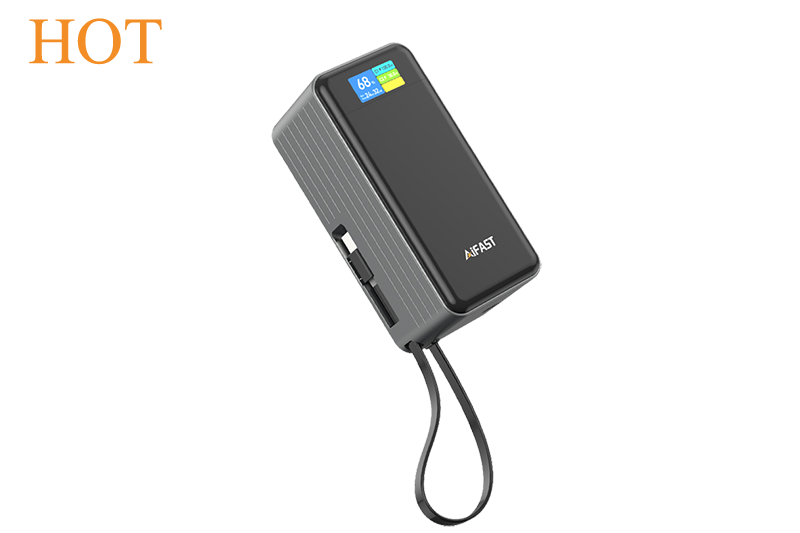
 ESC-X019 65W Fast charge power bank
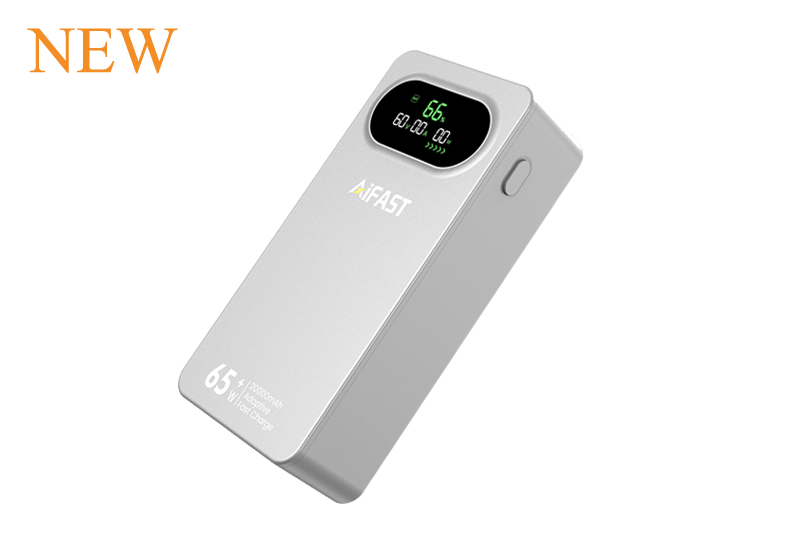 ESC-X018 65W Ultra-Fast 10000mAh Power Bank with TFT Display & Retractable Cable
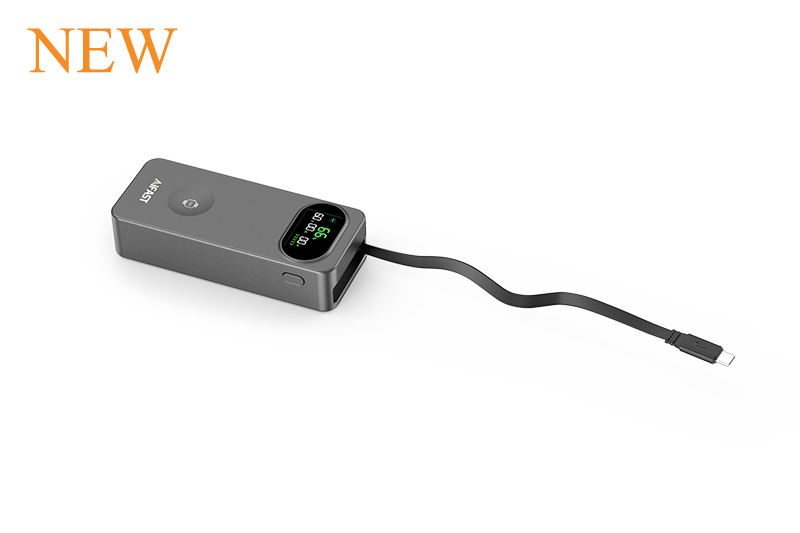 ESC-X017 65W Ultra-Fast 20000mAh Power Bank with TFT Display & Retractable Cable
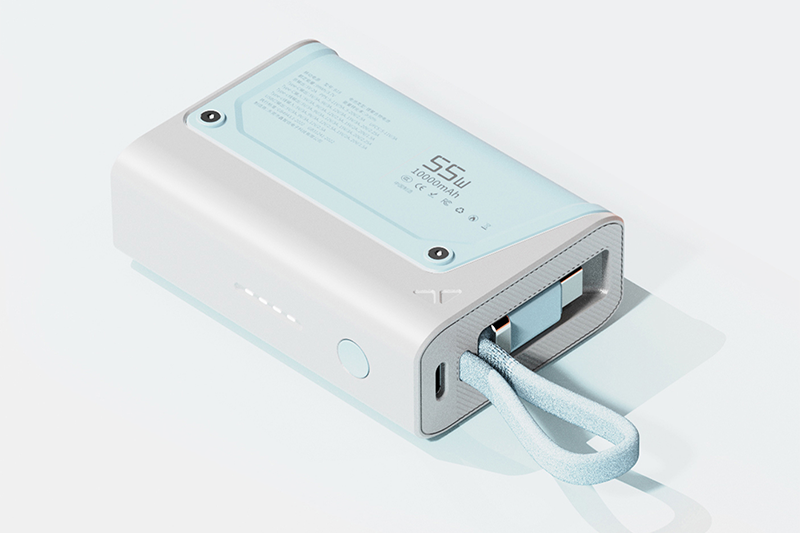 ESC-X020 10000mAh 55W Fast Charge Power Bank with cable built-in
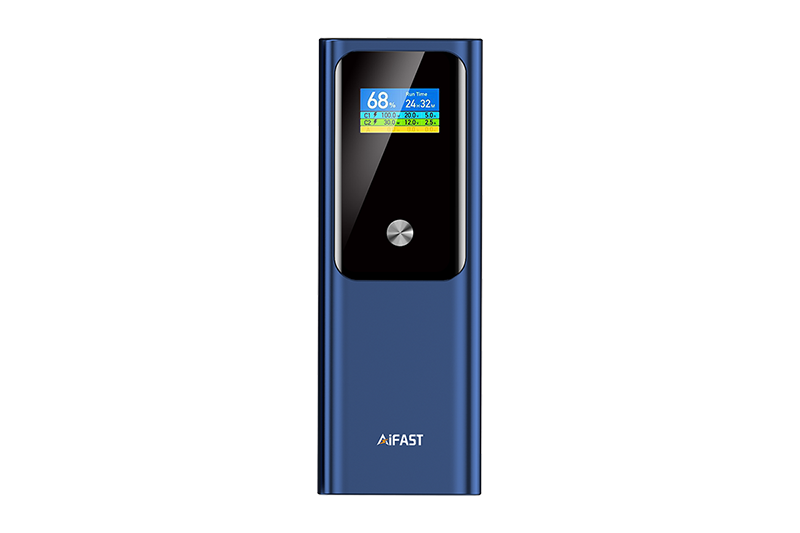 ESC-X016 120W 20000mAh Power Bank with Multi-Protocol TFT Display
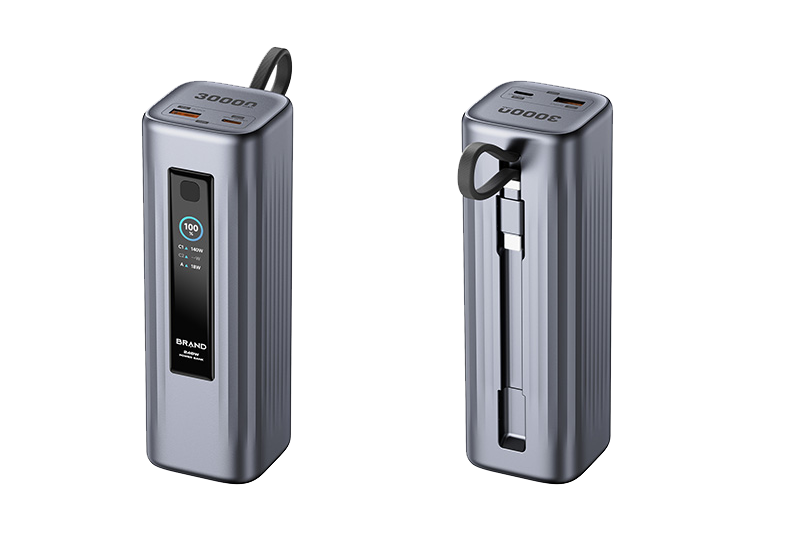 ECS-X022 145W 30,000mAh Power Bank with TFT Display & Retractable Cable
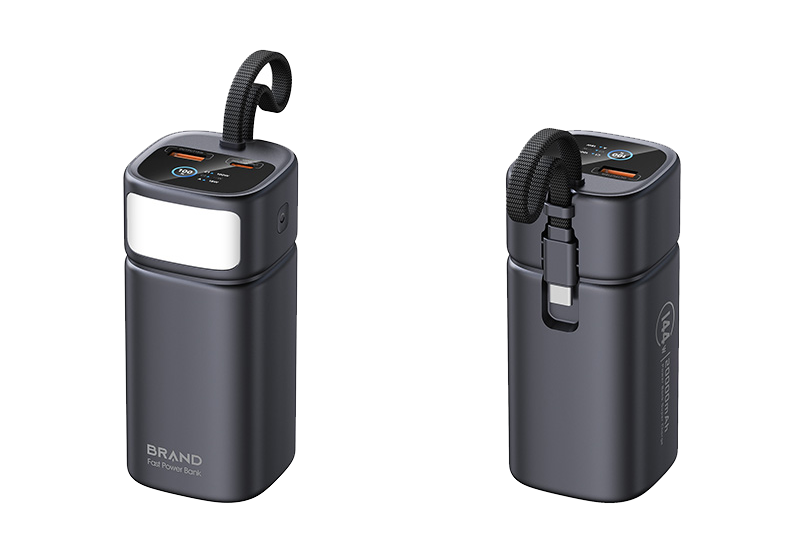 ECS-X021 100W 20,000mAh Power Bank with TFT Display & Retractable Cable
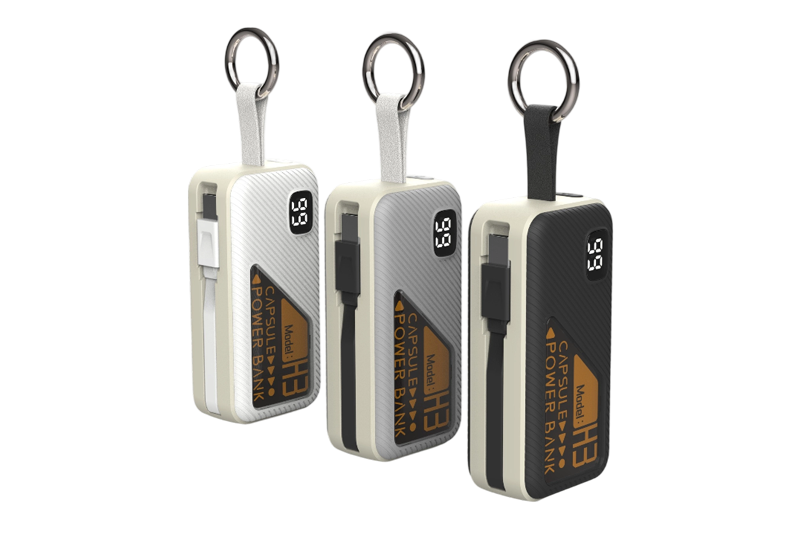 ESC-X023 20W Fast Charging Capsule Power Bank
 ESC-X024 22.5W 10,000mAh Fast Charging Power Bank
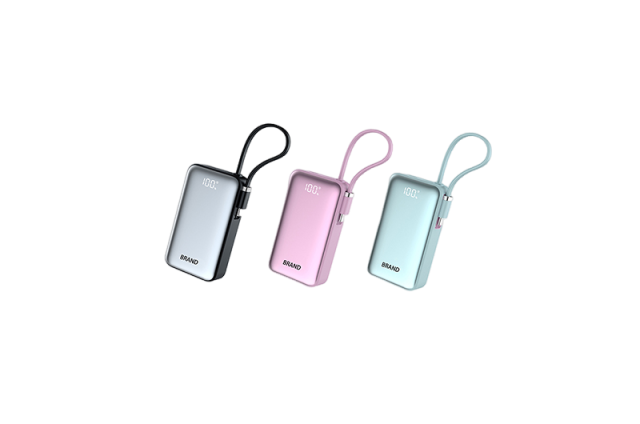 ESC-X025 22.5W Built-in Cable Portable Power Bank
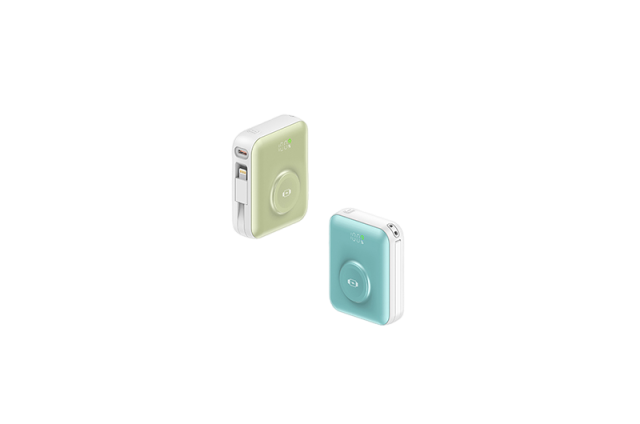 ESC-X026 22.5W 10000mAh Wireless Mini Size Power Bank
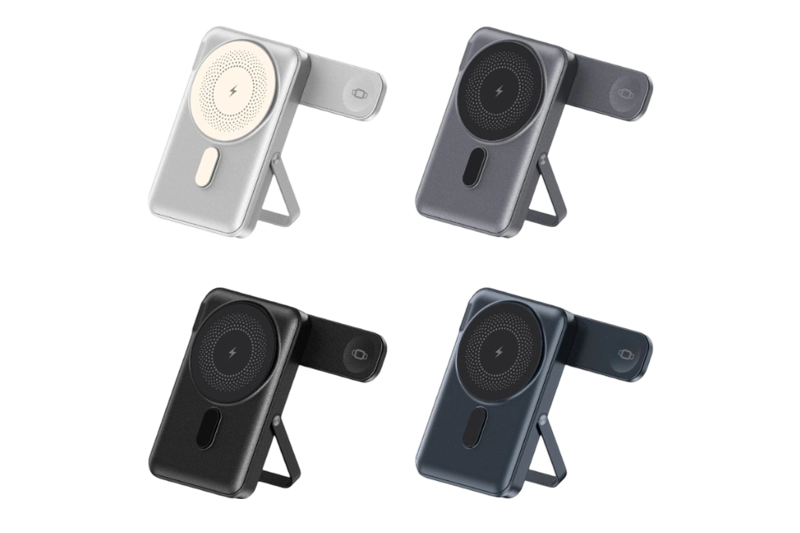 ESC-W018 3-in-1 MagSafe-Style Wireless Charging Stand
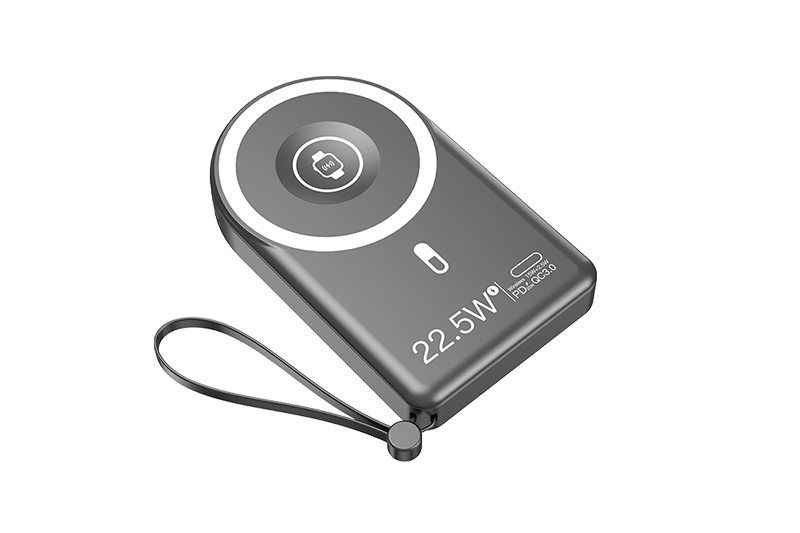 ESC-W017 5000mAh Wireless Ultimate All-in-One Power Solution for Samsung & iPhone Users
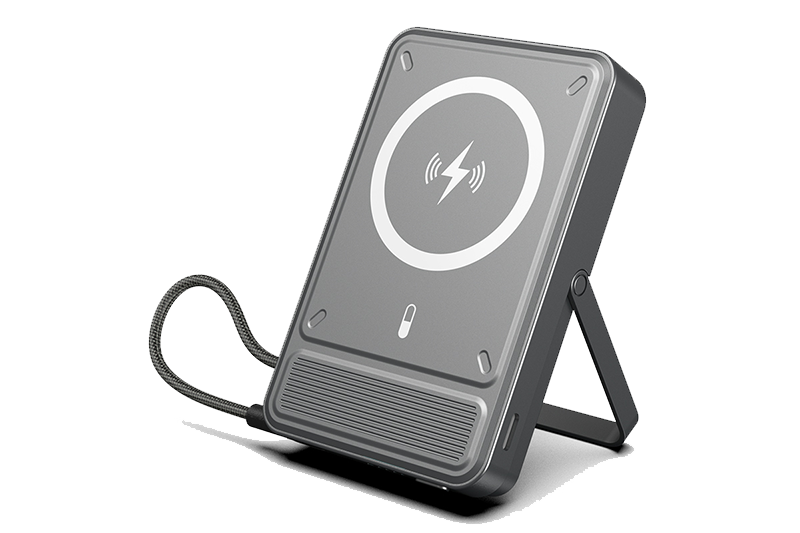 ECS-W016 45W Wireless Power Bank
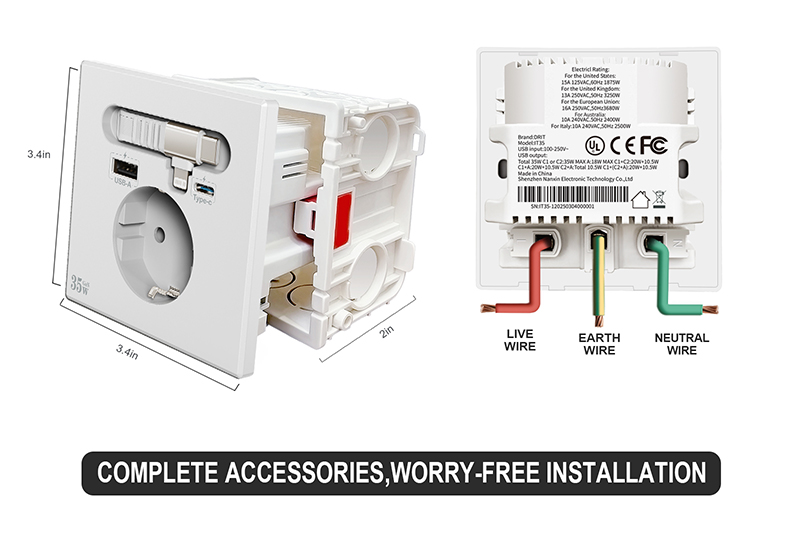 ESC-C019 Ultimate Universal 35W GaN Wall Socket
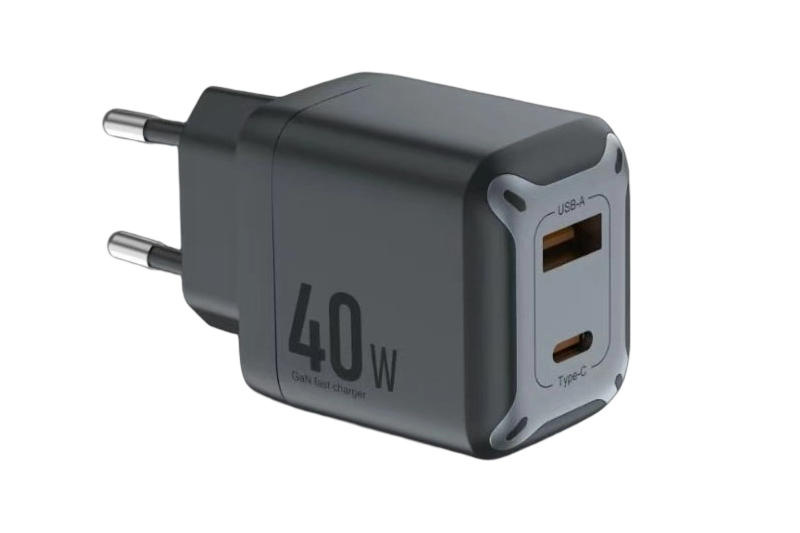 ESC-C018 Small Size 40W GaN Travel Charger
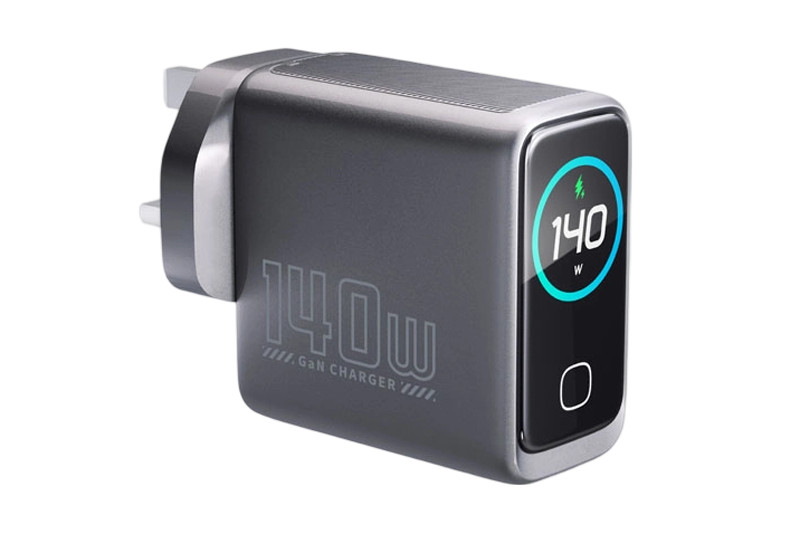 ESC-C017 140W HIGH Speed TFT Screen GaN Charger
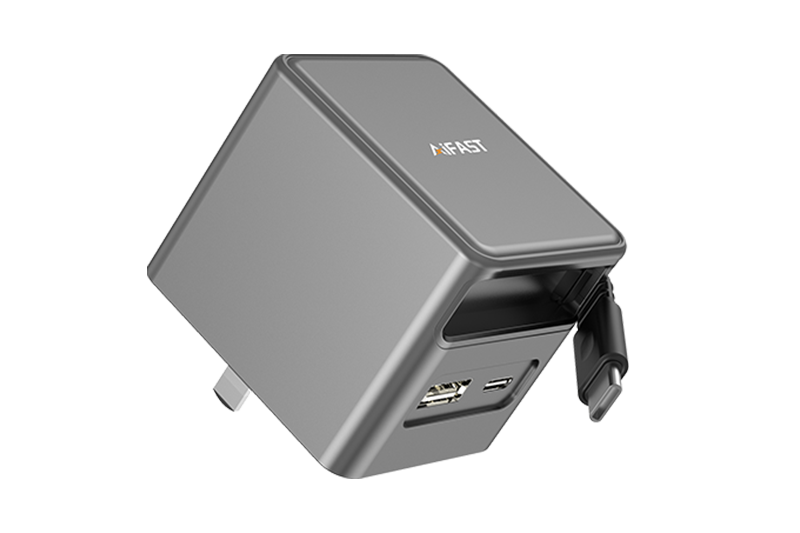 ESC-C016 65CM 65W HIGH Speed Retractable Cable GaN Charger


 Whatsapp
 Wechat

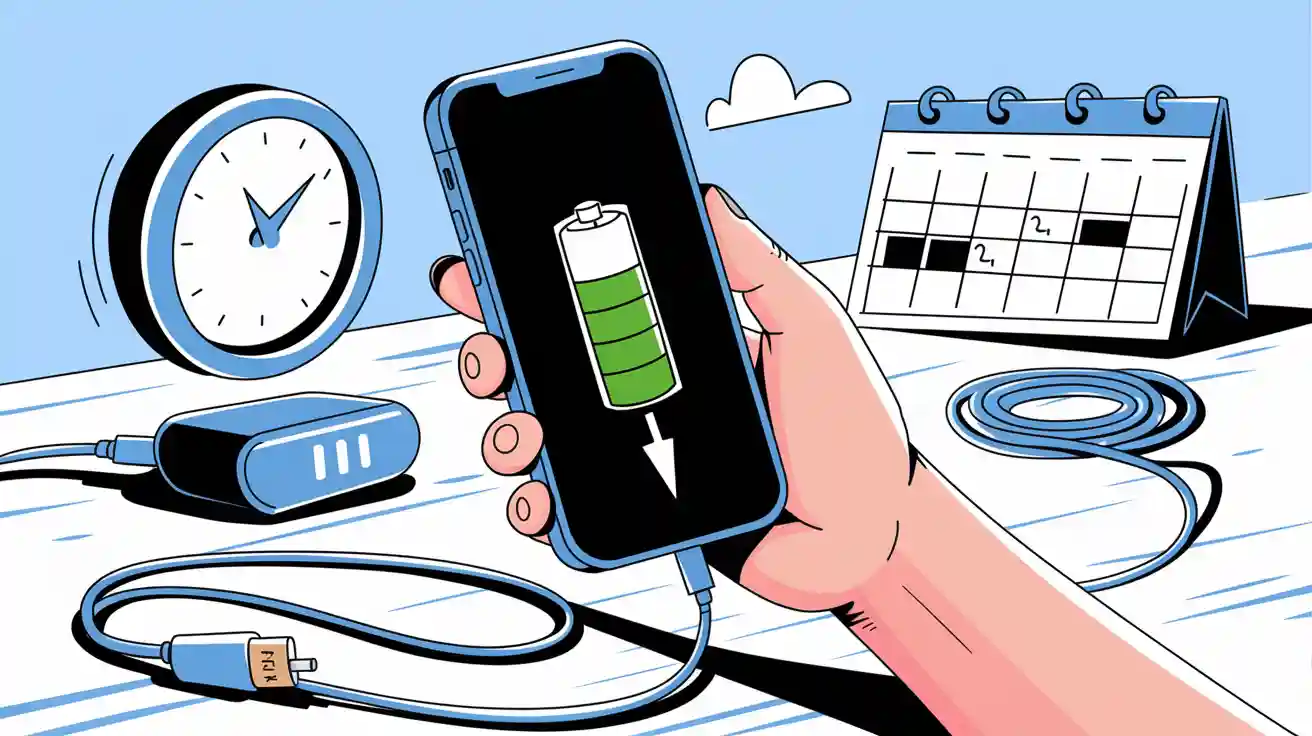
Xiaomi 100W PPS: Will it Kill Proprietary Phone Charging Protocols?
The recent launch of the Xiaomi 17 series strategically fills the gap between major global product announcements, but beyond its high-profile specs, the phone introduces a feature with broad industry implications: Full compatibility with the 100W universal PPS (Programmable Power Supply) protocol across the entire series. This unprecedented move maximizes charging versatility, ensuring that high-speed charging is achieved with both official Xiaomi and third-party universal chargers.
For years, despite leading the world in battery and charging technology innovation, major Chinese smartphone manufacturers—including Xiaomi—have created a fragmented ecosystem. Brands like OPPO (SuperVOOC Flash Charge), vivo (FlashCharge), Huawei (SuperCharge), and Xiaomi (Surge Wired Charging) all utilize proprietary protocols that are often mutually exclusive.
This fragmentation is ultimately a consumer pain point. Users are frequently forced to purchase specific, higher-cost chargers to unlock maximum speed, or they face severely reduced charging rates and connection issues when attempting to use universal, multi-protocol accessories.
This context makes Xiaomi's adoption of full PPS compatibility a truly strategic and consumer-friendly development. While universal charging protocols have always existed, manufacturers focused on proprietary solutions have typically limited their public protocol support to lower, symbolic power levels—the bare minimum for compatibility. Actively supporting a high-power public protocol was previously considered nearly impossible.
As a brand consistently ranking among the top five global smartphone vendors, Xiaomi's decision with the 17 series sets a new industry standard. By fully integrating the highest $100W$ PPS specification—a speed matching its own proprietary $100W$ Surge Charge—Xiaomi is actively embracing an open standard and giving users essential charging freedom.
The fact that the Xiaomi 17 achieves its $100W$ peak via both its proprietary protocol and third-party PPS is a massive benefit to the user; who wouldn't want to use any charger for maximum power output? USB-C PD (Power Delivery) chargers first appeared around $2016$-$2017$, but the PPS extension was often overlooked initially. Since $2020$, with the rise of GaN (Gallium Nitride) chargers, PPS has become standard in most PD chargers (excluding Apple’s original ones). The $100W$ PPS spec corresponds to $3.3V-21V$ at $5A$, confirming that the Xiaomi 17 is perfectly compatible with all PPS power levels ($65W$, $55W$, $45W$, $33W$, $22W$). This strategic move is likely influenced by companies like Samsung and Apple, for whom broad compatibility is a flagship prerequisite.
While the Xiaomi 17 is not the first to support $100W$ PPS (iQOO Z10 Turbo Pro and iQOO Neo 10 series preceded it), its comprehensive $100W$ PPS compatibility can be seen as Xiaomi's first step in breaking down the charging isolation.
The logical second step would be to open up proprietary protocols. The need to tightly guard these is diminishing. Universal standards like PD now support up to $240W$ and are more than adequate for current smartphone batteries. With manufacturers increasingly shifting focus from pure charging wattage races to battery density, the strategic advantage of closed, proprietary protocols is shrinking.
Recent flagship charging speeds show an industry plateau. Despite this, most brands cap PD protocol support at a low $20-30W$, still forcing the purchase of a proprietary charger—leading to electronic waste when a user switches brands. The time for manufacturers to abandon their defensive stance on private fast-charging protocols has arrived. By maximizing universal compatibility, brands are not only improving the user experience but also paving the way for a more sustainable, charger-optional future.
The Real Impact: Choice, Not Just Speed
However, it's important to note: The jump in charging speed using a third-party charger may still not be "leaps and bounds."
The most significant meaning of this change is that, outside of the internal power management chips (which consumers cannot control), it returns the power of choice to the user.
As smartphone battery capacity increases, supporting high-power public protocols, while not automatically equaling faster charging, at least ensures that users can achieve charging speeds near or matching the original proprietary adapter when using a high-specification third-party charger.
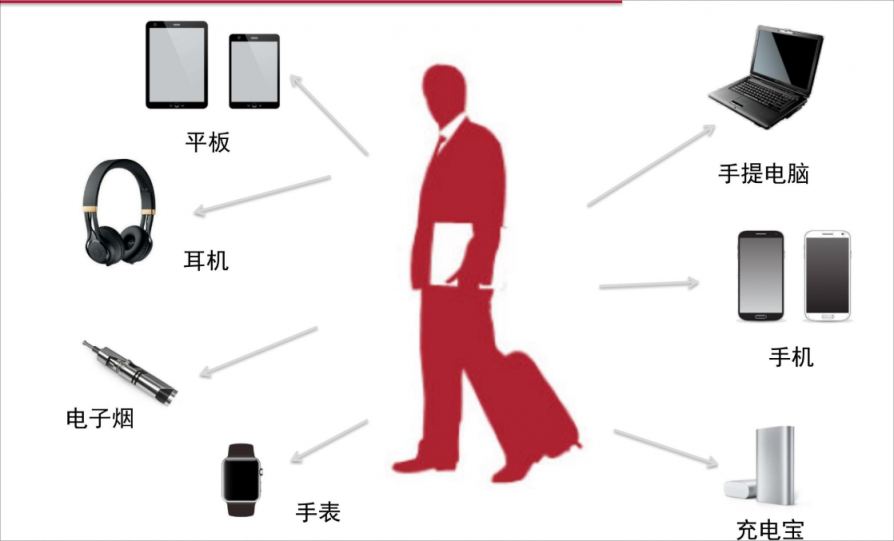
An interesting side effect is that many laptop manufacturers produce high-power chargers that support the PPS protocol. With more domestic brands following suit in high-power public protocol support, users traveling for business or leisure could eventually carry only their laptop charger and still fast-charge their phone at near-native speeds.
Just as the major contradictions in society evolve, our pursuit of electronic device charging must also keep pace:
-
Past Goal: "Carry only one charger and one cable to charge all devices." This has largely been solved by USB-C and two-way wireless charging.
-
Current Goal: "Carry only one charger and one cable to fast-charge all devices." While this involves more technical hurdles, Xiaomi's leadership in supporting high-specification public protocols is an excellent start.
Product Recommendation
If you're troubled by the restrictions of proprietary fast-charging protocols, consider our ESC-C016 65W High-Efficiency Fast Charger. This single accessory meets the high-speed charging requirements for most electronics—phones, laptops, power banks, and drones. It offers perfect compatibility with all major phone and laptop fast-charging protocols and features an integrated retractable cable, providing a truly universal charging solution that eliminates power anxiety. Contact us for more details and product information.